 ChipApex | Global Electronic Components Supplier

SEARCH
Search Product
Search Post
— IC芯片 | 连接器 | 传感器 | 被动器件 —
Search productSearch post
— IC芯片 | 连接器 | 传感器 | 被动器件 —

A capacitor (also known as a condensator) is a component in electronic circuits, that stores and releases electrical energy. It is made of conductive plates separated by an insulating material called the dielectric. When a voltage is applied across the plates, an electric field forms, causing positive charge to accumulate on one plate and negative charge on the other. This stored energy can be released when needed, making capacitors vital in various applications, including filtering, energy storage, signal processing, and power conditioning. There are several types of capacitors, each with unique characteristics and applications. Ceramic capacitors, made from ceramic materials as the dielectric, are widely used in high-frequency applications such as RF circuits, decoupling, and bypass applications due to their small size, low cost, high stability, and wide range of values. Multilayer ceramic capacitors (MLCCs) are a type of ceramic capacitor that consists of multiple layers of ceramic dielectric material and metal electrodes stacked together to form a compact, high-capacitance component. They are known for their small size, high capacitance per volume, excellent stability, and reliability. MLCCs are widely used in various electronic devices for applications such as decoupling, filtering, and signal smoothing, especially in high-frequency circuits. Electrolytic capacitors, which use a wet electrolytic solution as the dielectric, are common in power supply circuits, filtering, and coupling applications where large capacitance values are required. These capacitors are polarized, meaning they must be connected with the correct polarity. Film capacitors use plastic films like polyester, polypropylene, or polystyrene as the dielectric. They are employed in audio and high-frequency applications because of their stable performance, low loss, and suitability for high-frequency use. They are also non-polarized, making them versatile. Supercapacitors, or ultracapacitors, offer very high capacitance values by utilizing electrochemical double layers to generate pseudocapacitance. These capacitors are used in energy storage, power backup, and load leveling in hybrid vehicles due to their high energy density, long cycle life, and rapid charge/discharge cycles, effectively bridging the gap between batteries and traditional capacitors. Mica capacitors use mica as the dielectric material and are known for their excellent stability, low loss, and high precision. They are suitable for high-frequency and high-stability applications like radio transmitters and receivers. Tantalum capacitors, made from tantalum metal as the anode with an oxide layer as the dielectric, are used in space-constrained applications like mobile phones, laptops, and other portable electronics. They offer high capacitance per volume, stable performance, and reliability, although they are polarized. Capacitors are versatile components with a range of types suited to different applications. Understanding their characteristics and appropriate uses is essential for designing effective electronic circuits.
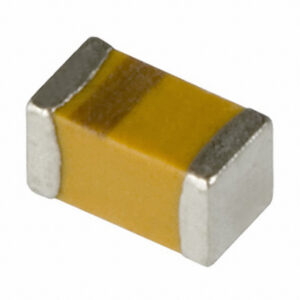 TACL226M003RTAView Product
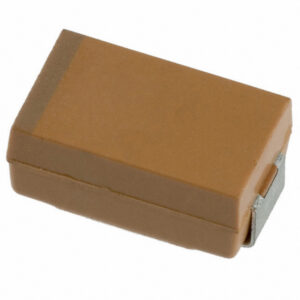 NOSY157M006R0100View Product
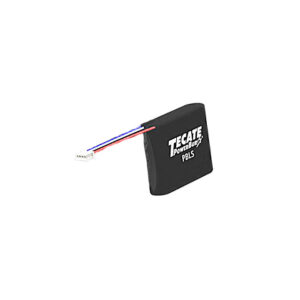 SCAP,PBLS-9.0/13.5View Product
 SMDTF02470TA00KQ00View Product
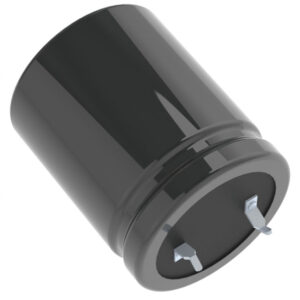 LKG1J102MESYAKView Product
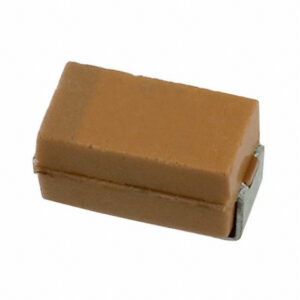 NOJA106M006SWJView Product
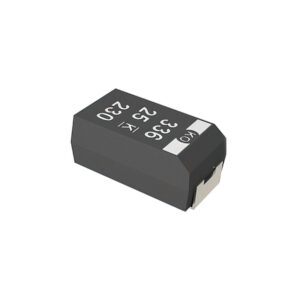 T520C226M016ATE0807706View Product
 SC01500912View Product
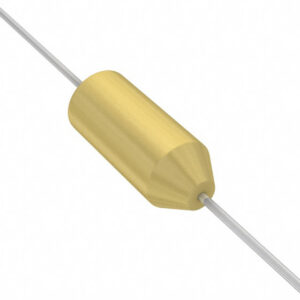 173D224X9035UE3View Product
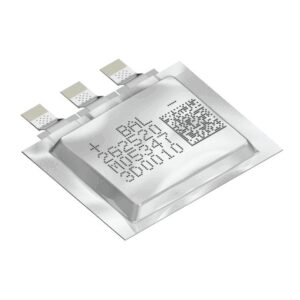 EDLC262520-501-2F-40View Product
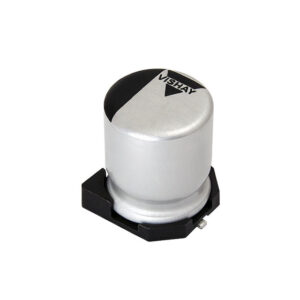 MAL218497509E3View Product
 PCH1V470MCL1GSView Product

ChipApex – May 8, 2026 Texas Instruments (TI), the global leader in analog and embedded semiconductors, has officially notified customers of an upcoming company-wide…
Read More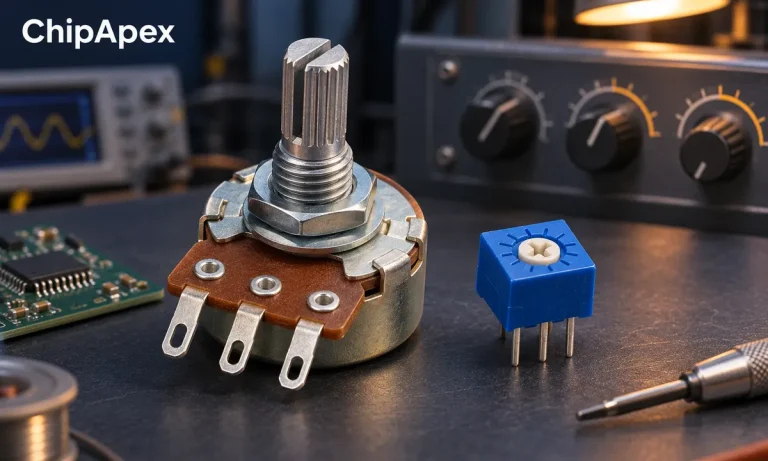
Compare rheostat and potentiometer wiring and functions. Understand divider loading, wiper current, track power and practical component selection.
Read More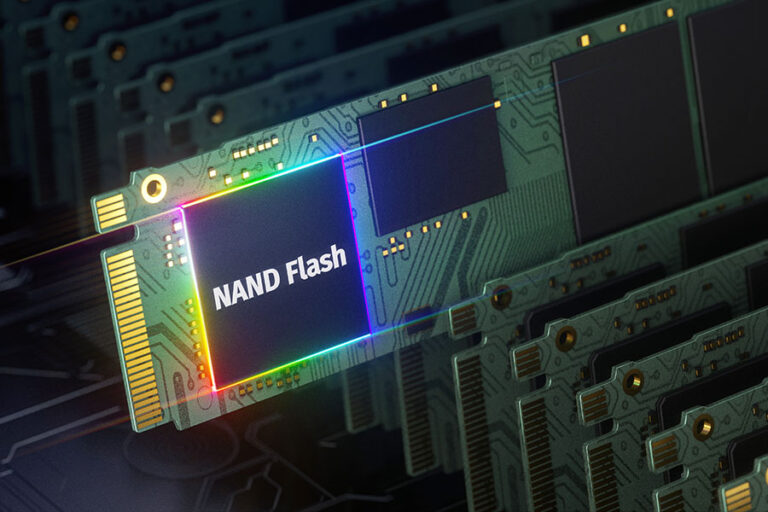
What Is NAND Flash? A Practical Guide for Engineers & Procurement Teams In today’s data-driven world—from smartphones and SSDs to industrial IoT devices—NAND flash…
Read More
TOKYO — Global leading semiconductor and power electronic components manufacturer Renesas Electronics officially issued a new price adjustment notice in early September 2026, confirming…
Read More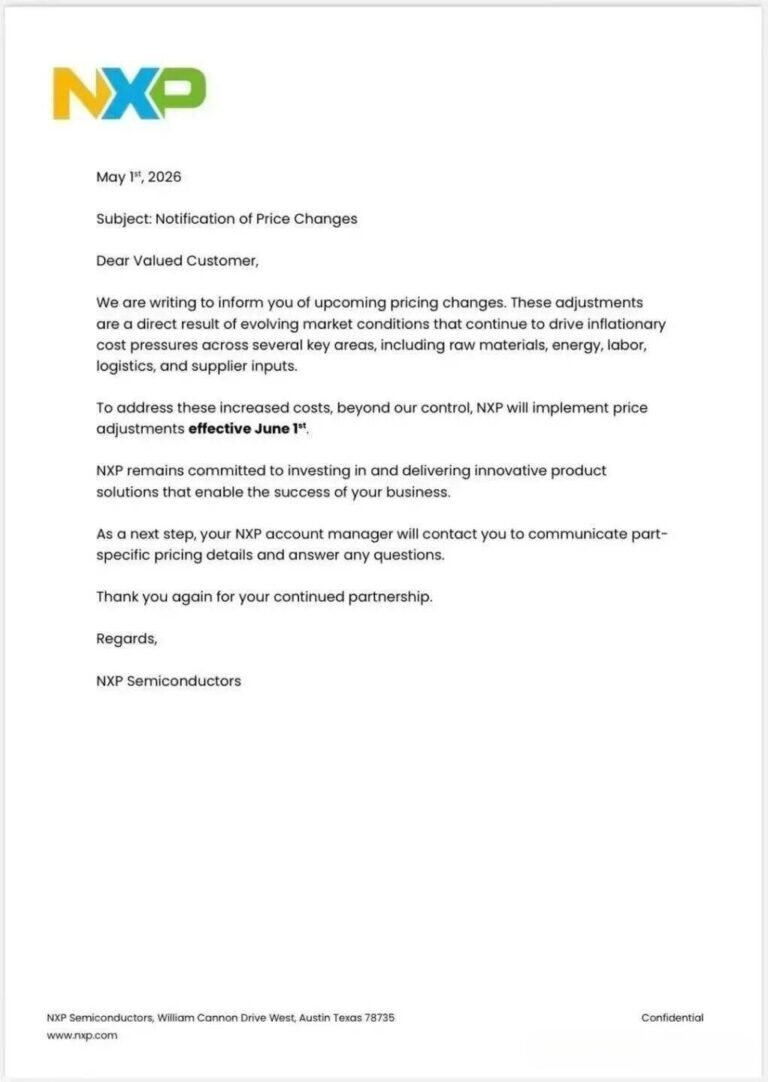
May 8, 2026 – Eindhoven, Netherlands NXP Semiconductors (NXPI), a global leader in automotive and industrial semiconductor solutions, has officially notified its worldwide channel…
Read More
Understand how oscillators generate timing signals, how they differ from crystals, and which frequency, output and stability specs matter when choosing one.
Read More
Embedded Integrated Circuit Modules: The Backbone of Modern Technology Embedded Integrated Circuit Modules (EICMs) have become an indispensable part of modern technology. Serving as…
Read More
Recently, the global electronic component market has witnessed a series of new developments. The strategic layouts and market collaborations of major enterprises are constantly…
Read More
A perfect storm of surging demand and supply chain disruptions is roiling the global electronic components market, with advanced semiconductors and critical materials now…
Read More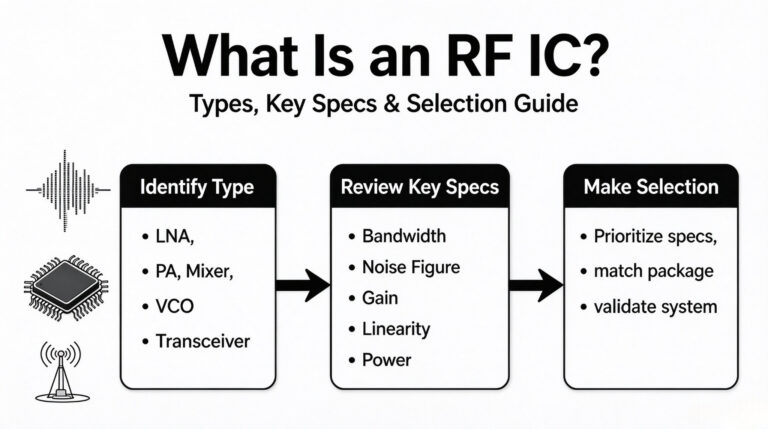
An RF IC, or radio-frequency integrated circuit, is a chip that processes wireless signals between the antenna and the baseband processor. Instead of building…
Read More
Learn why PTC resistance rises with temperature, how it differs from NTC, and which ratings matter for sensing and protection.
Read More
The Dutch government’s intervention in the control of Nexperia (Anshi Semiconductor) is triggering a chain reaction of turmoil in the global power semiconductor market.…
Read More
The activity of extra discounts on wholesale prices is in full swing…
Please fill in your contact information and we will send you the latest wholesale price list.

