ChipApex | Global Electronic Components Supplier

SEARCH
Search Product
Search Post
— IC芯片 | 连接器 | 传感器 | 被动器件 —
Search productSearch post
— IC芯片 | 连接器 | 传感器 | 被动器件 —
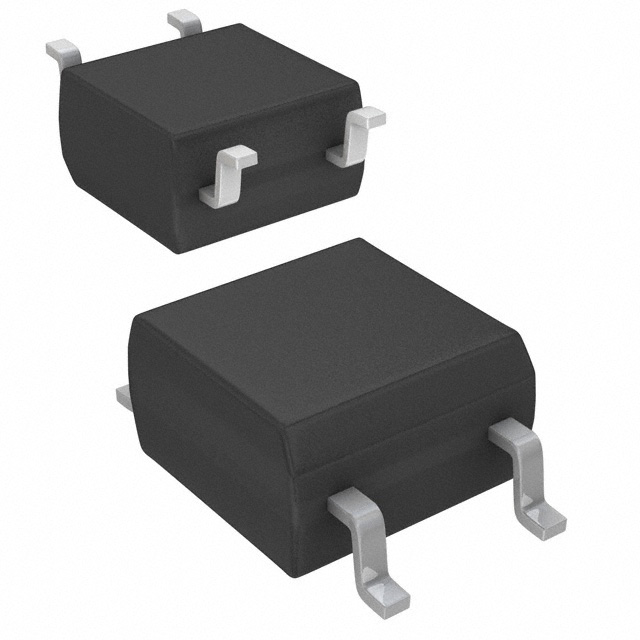
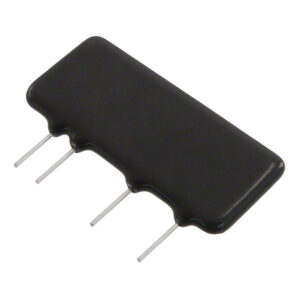
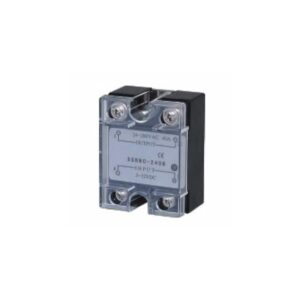
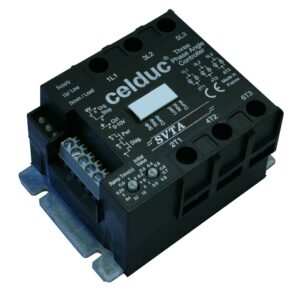
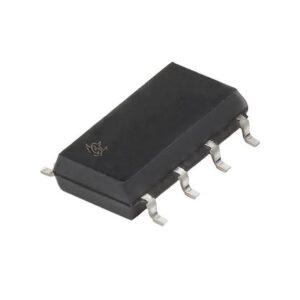
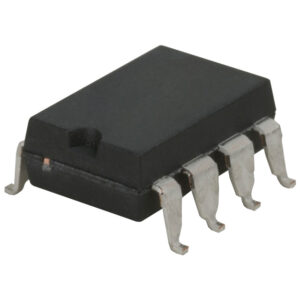
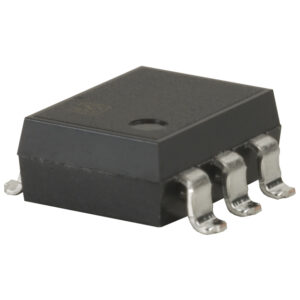
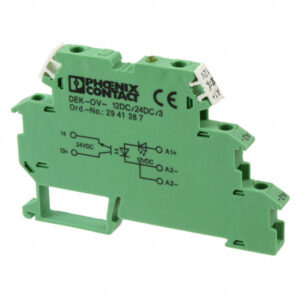
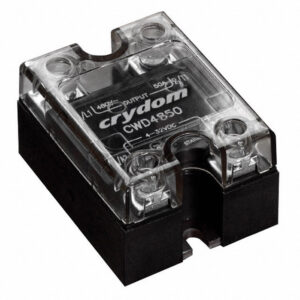
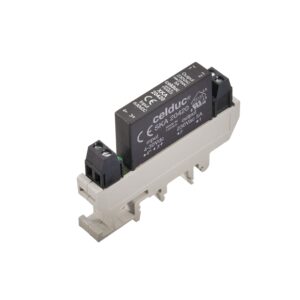
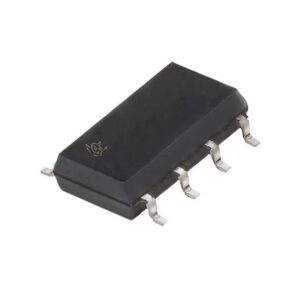
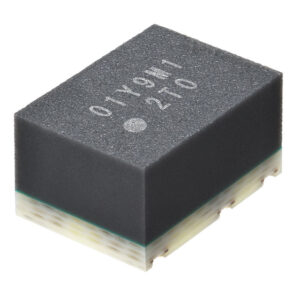
A solid state relay (SSR) is an electronic switching device that switches on or off when an external voltage is applied across its control terminals. Unlike traditional electromagnetic relays, SSRs have no moving parts and rely on semiconductor components like thyristors, triacs, diodes, and transistors to perform switching operations. Key features and benefits of solid state relays include: Durability and Longevity: Without mechanical parts, SSRs have a longer operational life and are less prone to wear and tear. Fast Switching: SSRs can switch on and off rapidly, making them suitable for applications requiring high-speed operation. Silent Operation: The absence of mechanical movement results in noiseless switching. Vibration Resistance: Their solid-state nature makes SSRs resistant to shock and vibration, enhancing reliability in harsh environments. Reduced Electromagnetic Interference (EMI): SSRs generate less EMI compared to electromagnetic relays. Solid state relays are commonly used in applications where fast switching, silent operation, and high reliability are required, such as in industrial automation, HVAC systems, lighting controls, and home appliances. They are available in various configurations to handle different voltage and current levels, providing flexibility in design and usage.
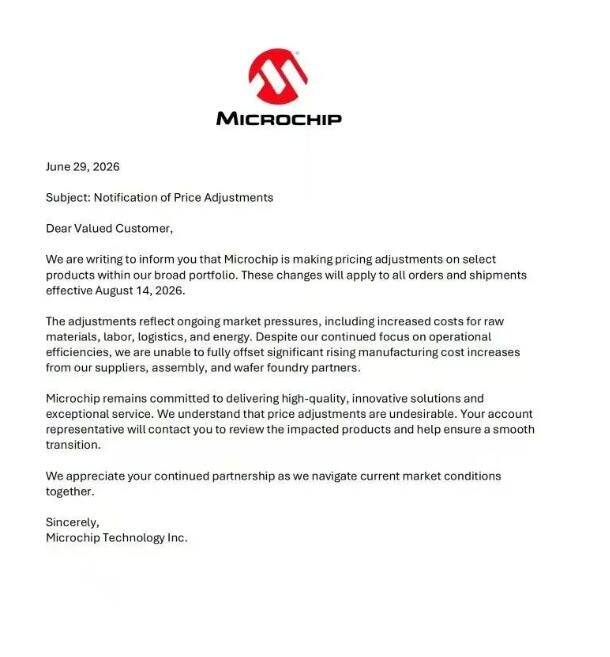
Tempe, Arizona‑based semiconductor giant Microchip Technology has formally rolled out selective product price increases across its MCU, power‑management IC, memory controller and analog component…
Read More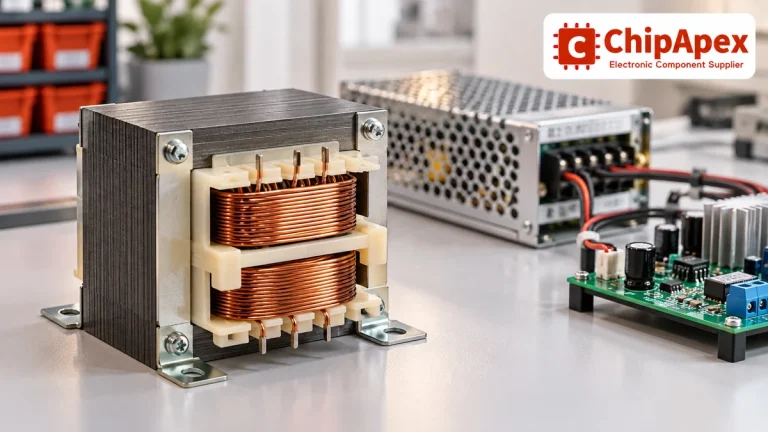
Select power transformers by input frequency, secondary VA, rectifier load, isolation, regulation and inrush. Build a clearer specification for your next RFQ.
Read More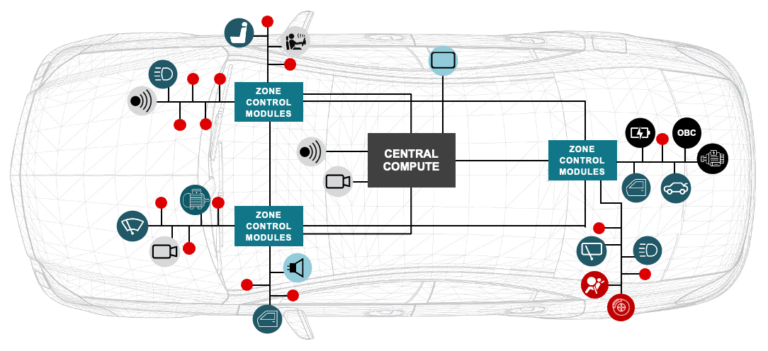
Las Vegas, January 6, 2026 — At the Consumer Electronics Show (CES) 2026, Texas Instruments (TI) (NASDAQ: TXN) announced a suite of next-generation semiconductor…
Read MoreA digital-to-analog converter (DAC) turns a digital number into an analog voltage or current. It lets a controller set a physical output, such as…
Read More
Selecting the right microcontroller (MCU) isn’t just about specs—it’s about balancing performance, power, cost, and supply chain reliability. As an engineer, you’ve probably faced…
Read More
The rapid advancement of artificial intelligence (AI) is transforming industries across the globe, and the world of electronic components is no exception. From smarter…
Read More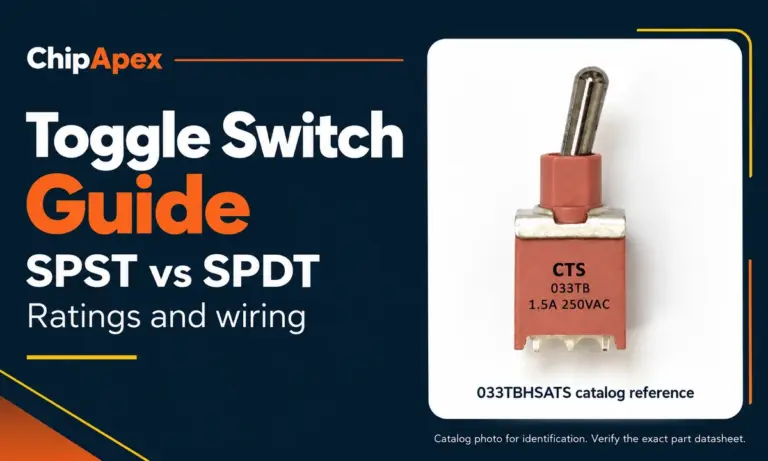
Compare SPST and SPDT toggle switches, understand AC/DC ratings, and follow wiring examples. Check contact action, mounting and parts in the ChipApex catalog.
Read More
Learn how a pressure transducer converts pressure into voltage, current, or digital output, and compare pressure references and key selection specs.
Read More
Learn what a shift register does, how bits move and when to use SIPO or PISO devices. Review latch timing, logic levels, output drive…
Read More
Choose logic inverter ICs by thresholds, supply, output drive and delay. Compare standard and Schmitt-trigger inputs, power sequencing and replacement checks.
Read More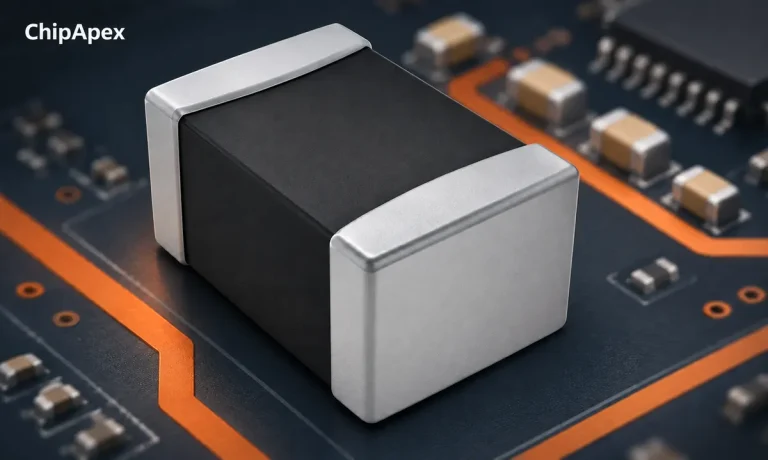
Learn how to use ferrite beads for noise filtering. Check impedance, DC bias, placement, resonance and load-step behavior before selecting a part.
Read More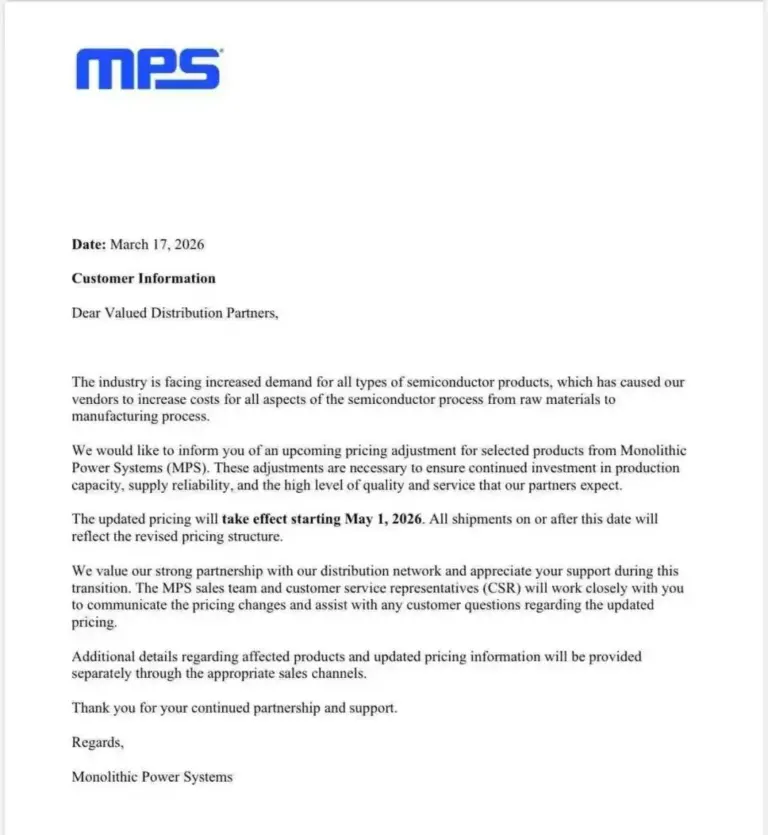
Monolithic Power Systems (MPS), a global leader in analog and mixed-signal semiconductors, has notified its distribution partners of an upcoming price increase for selected…
Read More
The activity of extra discounts on wholesale prices is in full swing…
Please fill in your contact information and we will send you the latest wholesale price list.