ChipApex | Global Electronic Components Supplier

SEARCH
Search Product
Search Post
Search productSearch post
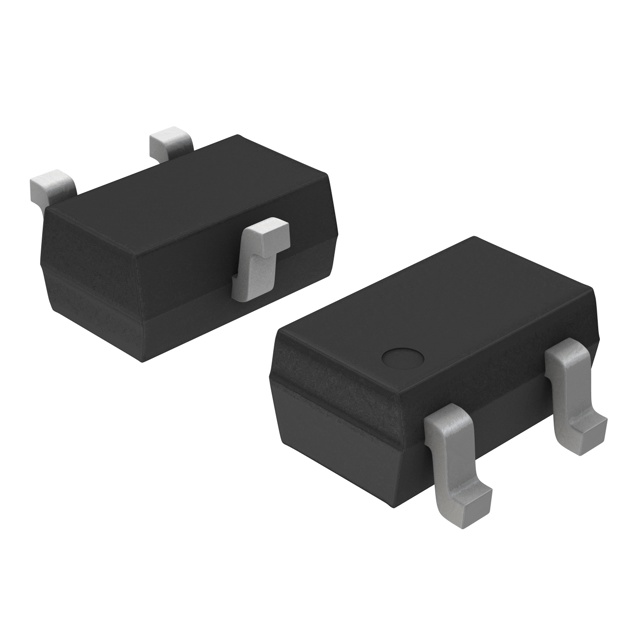
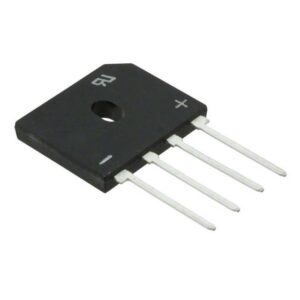
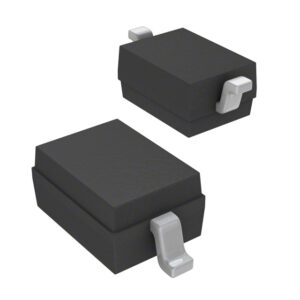
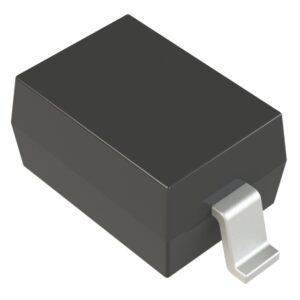
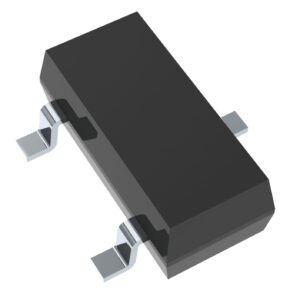
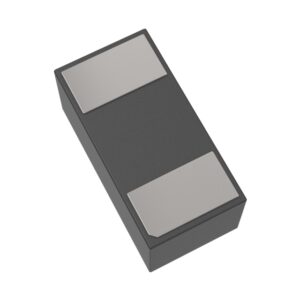
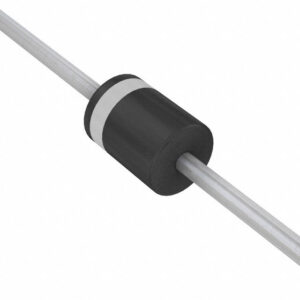
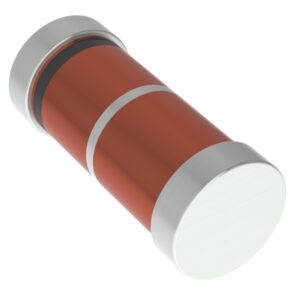
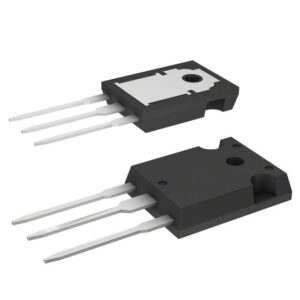
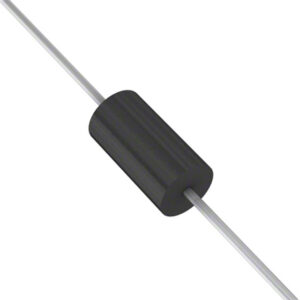
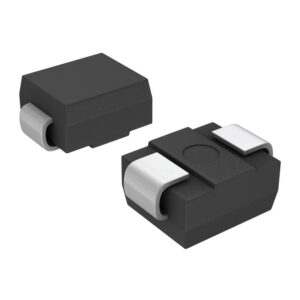
A diode is a semiconductor device that primarily allows current flow in one direction while blocking it in the opposite direction. It achieves this behavior through a p-n junction, where p-type and n-type semiconductor materials form a depletion region that controls the movement of charge carriers depending on the applied voltage. While most diodes only conduct when forward biased, certain types like the Zener diode are specially designed to conduct in reverse bias once a specific breakdown voltage is reached, making them ideal for voltage regulation and overvoltage protection. Diode Selection For Power Supply and AC-to-DC Conversion Standard Rectifier Diodes : Use these for basic AC-to-DC conversion in power supplies or for switching applications. Bridge Rectifiers : Choose these pre-packaged sets of four diodes (single phase) or six diodes (three phase) when you need full-wave rectification of AC power. Unlike single-diode configurations that only utilize half of the AC waveform, bridge rectifiers convert both positive and negative half-cycles into positive DC output, resulting in efficient power conversion and smoother output voltage with less ripple. For RF/High-Speed Applications Schottky Diodes: Select these when you need fast switching speeds and low voltage drop (0.2-0.4V compared to 0.6-0.7V in standard diodes). Schottky diodes use a metal-semiconductor junction instead of a p-n junction, which allows for faster electron movement and reduced recovery time. This makes them ideal for high-frequency applications like digital circuits, RF applications, and switch-mode power supplies where efficiency is crucial. PIN Diodes: Ideal for RF switching and signal attenuation with minimal distortion at high frequencies. These diodes feature an intrinsic (undoped) semiconductor layer between the p-type and n-type regions, which improves their high-frequency performance. Their resistance can be controlled by varying the forward bias current, making them excellent for RF switches, attenuators, and modulators in communication equipment. For Frequency Tuning Varicap/Varactor Diodes: These provide variable capacitance when reverse-biased, making them perfect for tuning circuits in radios and oscillators. When the reverse voltage applied to these diodes changes, the width of the depletion region between the p and n regions also changes, effectively altering the capacitance. This voltage-controlled capacitance property allows for electronic tuning in applications like FM radio receivers, voltage-controlled oscillators, and frequency synthesizers. For Voltage Regulation Zener Diodes : These maintain a constant voltage when operated in reverse bias mode beyond their breakdown voltage, making them excellent for voltage regulation. Unlike regular diodes that can be damaged by reverse breakdown, Zener diodes are specifically designed to operate safely in this region. They\\\'re manufactured with specific, precise breakdown voltages allowing them to clip excess voltage and protect sensitive components in circuits where voltage stability is critical.
| Select products | Mfr | Description | Package | Supplier Device Package | Mounting Type | Series | Operating Temperature |
|---|---|---|---|---|---|---|---|
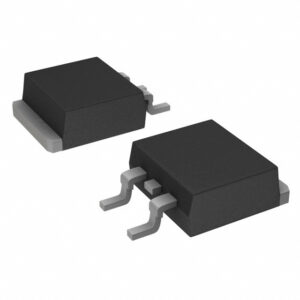
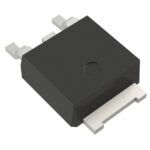 LQ10N200CQ $0.85 | Power Integrations | DIODE ARRAY GP 200V 5A TO252 | Tape & Reel (TR),Cut Tape (CT) | TO-252 (DPAK) | Surface Mount | Qspeed™ | |
LQ20N200CQ $1.05 | Power Integrations | DIODE ARRAY GP 200V 10A TO252 | Tape & Reel (TR),Cut Tape (CT) | TO-252 (DPAK) | Surface Mount | Qspeed™ | |
 LQA03TC600 $0.75 | Power Integrations | DIODE STANDARD 600V 3A TO220AC | Tube | TO-220AC | Through Hole | Qspeed™ | |
LQA05TC600 $0.97 | Power Integrations | DIODE STANDARD 600V 5A TO220AC | Tube | TO-220AC | Through Hole | Qspeed™ | |
LQA06T300 $0.60 | Power Integrations | DIODE STANDARD 300V 6A TO220AC | Tube | TO-220AC | Through Hole | Qspeed™ | |
LQA08TC600 $1.33 | Power Integrations | DIODE STANDARD 600V 8A TO220AC | Tube | TO-220AC | Through Hole | Qspeed™ | |
LQA10N150C $0.39 | Power Integrations | DIODE ARRAY GP 150V 5A TO252 | Tape & Reel (TR) | TO-252 (DPAK) | Surface Mount | Qspeed™ | |
LQA10N200C $0.60 | Power Integrations | DIODE ARRAY GP 200V 5A TO252 | Tape & Reel (TR),Cut Tape (CT) | TO-252 (DPAK) | Surface Mount | Qspeed™ |
Embedded Integrated Circuit Modules: The Backbone of Modern Technology Embedded Integrated Circuit Modules (EICMs) have become an indispensable part of modern technology. Serving as…
Read More
The multilayer ceramic capacitor (MLCC) market has fallen into a severe structural supply crunch in the third quarter of 2026, driven by explosive demand…
Read More
Choose a rocker switch by AC/DC ratings, contact arrangement, illumination, panel fit and sealing. Get practical checks for engineering and component sourcing.
Read More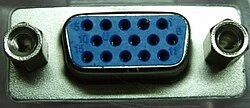
Identify a VGA DE-15 connector, check RGB, sync and DDC pin groups, and choose the right adapter direction for a legacy analog display or…
Read More
Tempe, Arizona‑based semiconductor giant Microchip Technology has formally rolled out selective product price increases across its MCU, power‑management IC, memory controller and analog component…
Read More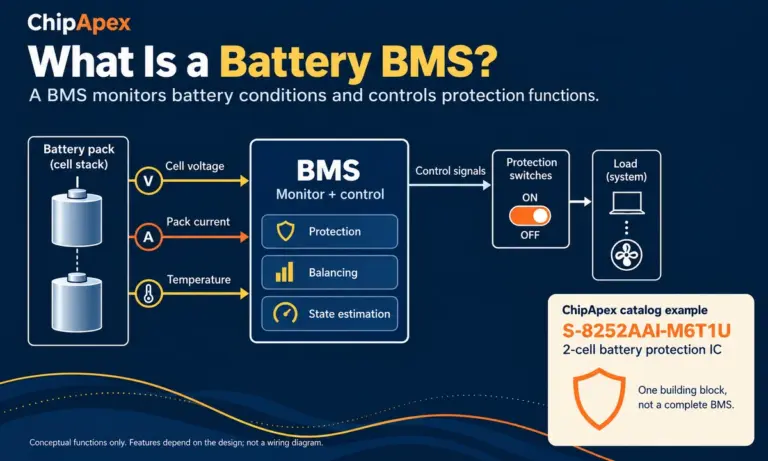
Learn what a battery BMS does, how protection differs from charging, and which pack specifications to check when sourcing BMS components through ChipApex.
Read More
Recently, global semiconductor manufacturers have been constantly making moves in aspects such as technological cooperation, product manufacturing processes, and market layout, demonstrating the rapid…
Read More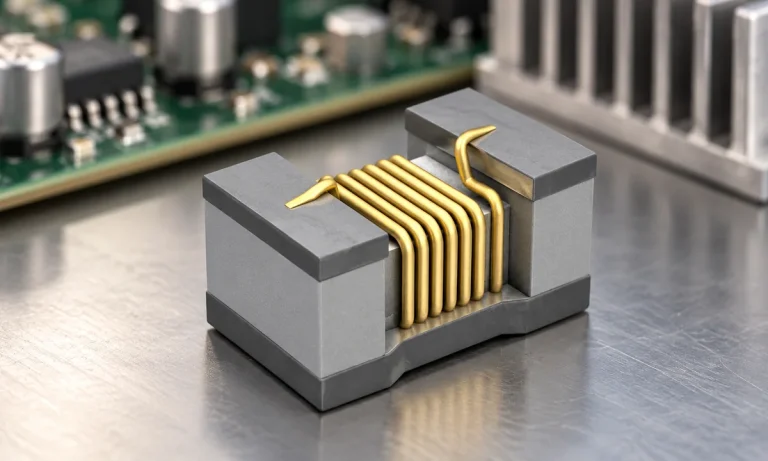
See when an inductor behaves linearly, how DC bias and saturation reduce inductance, and which current and temperature curves to check.
Read More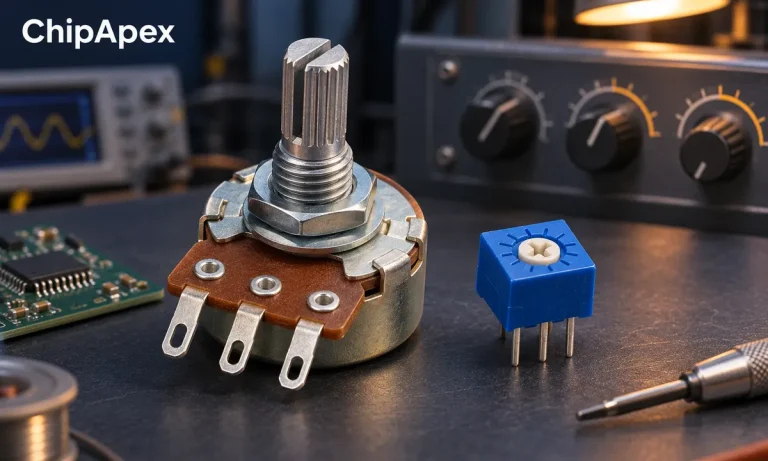
Compare rheostat and potentiometer wiring and functions. Understand divider loading, wiper current, track power and practical component selection.
Read More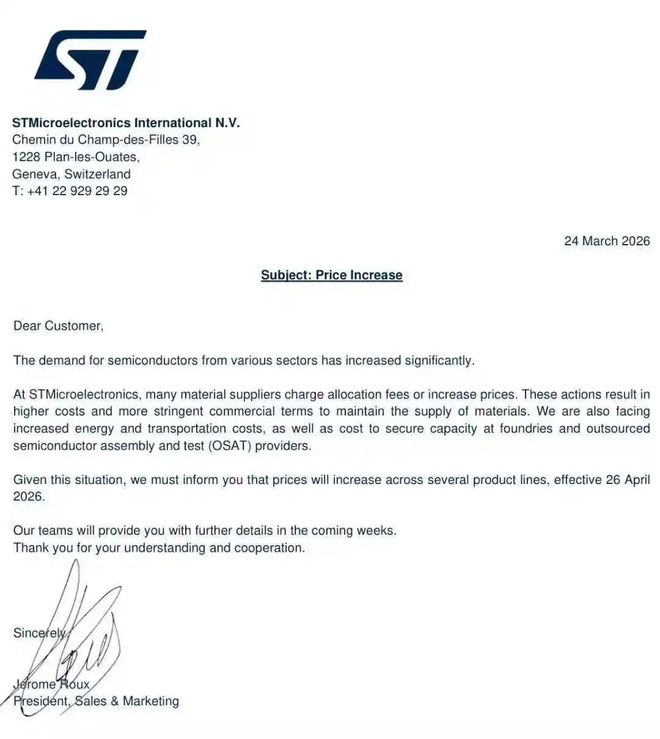
Geneva, Switzerland – March 25, 2026 – STMicroelectronics N.V. (NYSE: STM), a global semiconductor leader serving customers across the electronics applications spectrum, has announced…
Read More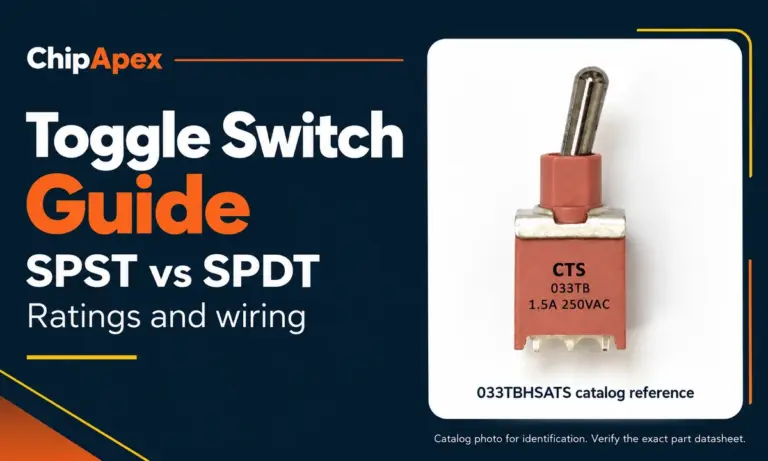
Compare SPST and SPDT toggle switches, understand AC/DC ratings, and follow wiring examples. Check contact action, mounting and parts in the ChipApex catalog.
Read More
As the backbone of modern technology, electronic components are undergoing revolutionary changes, driven by advancements in materials science, miniaturization, and smart manufacturing. From ultra-efficient…
Read More
The activity of extra discounts on wholesale prices is in full swing…
Please fill in your contact information and we will send you the latest wholesale price list.