 ChipApex | Global Electronic Components Supplier

SEARCH
Search Product
Search Post
Search productSearch post
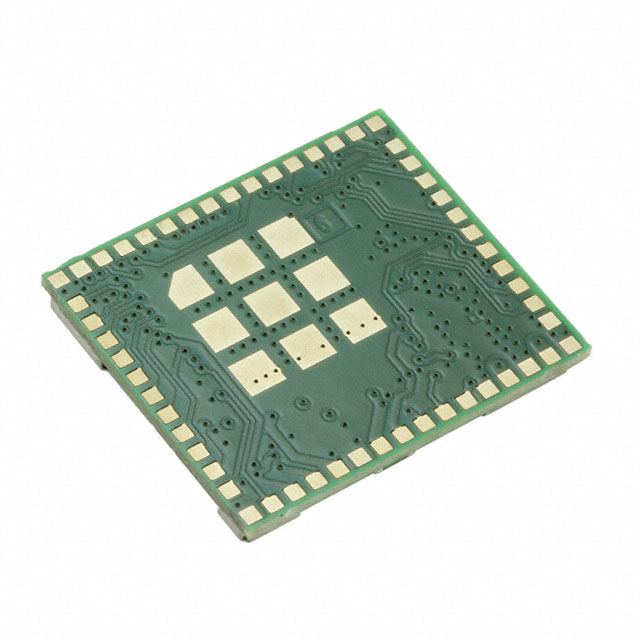
RF Transceiver ICs are semiconductor devices that consist of a transmitter and a receiver in a single package. Transceivers are designed to function proficiently within an RF family or standard such as AISG, Bluetooth, ISM, VHF, Wi-Fi, cellular, RADAR, 802.15.4 and Z-Wave. They are further classified by the type of modulation and the specific protocol versions. Some ICs include a built-in microcontroller.
 STM32WL33C8V7TRView Product
 ATA5425-PLQWView Product
 EZR32HG320F32R61G-C0View Product
 EFR32FG1V032F128GM32-C0RView Product
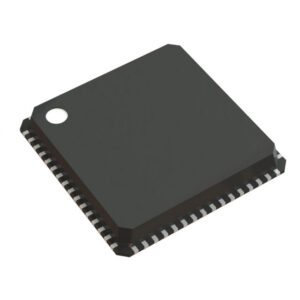 EZR32WG330F128R67G-C0View ProductQT62012View Product
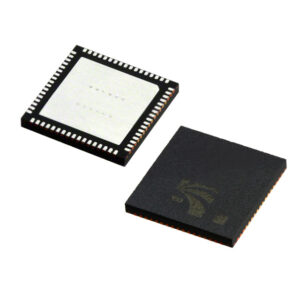 BC57F687A05-IQF-E4View ProductBCM43217KMLGT-PView Product
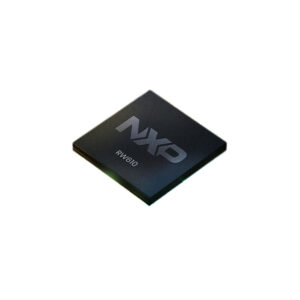 RW610BET/A2IYView Product
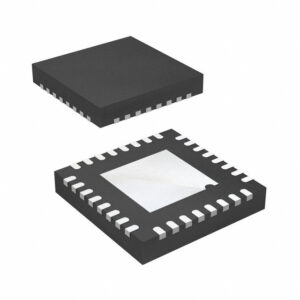 NRF24AP2-1CHQ32-TView Product
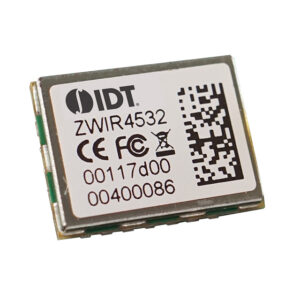 ZWIR4532-UView Product
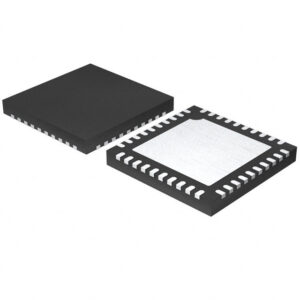 EFR32FG22E121F512IM40-CView Product
Learn how an analog front end conditions sensor signals. Compare gain, noise, filtering, ADC settling and integration options before selecting components.
Read More
[Shenzhen/Shanghai/Beijing, January 2025] — As global digital transformation accelerates, the electronic components industry has reached a critical inflection point in 2025. Emerging fields such…
Read More
Learn how a diode conducts, how to identify anode and cathode, and when to choose rectifier, TVS, Zener or photodiode types for a circuit.
Read More
See how a MEMS gyroscope measures angular rate, why its angle estimate drifts, and which range, noise, interface and temperature specs to compare.
Read More
See when an inductor behaves linearly, how DC bias and saturation reduce inductance, and which current and temperature curves to check.
Read More
Select MOV varistors by continuous voltage, clamping behavior, surge waveform and repetition. Check thermal disconnection, fuse coordination and replacements.
Read More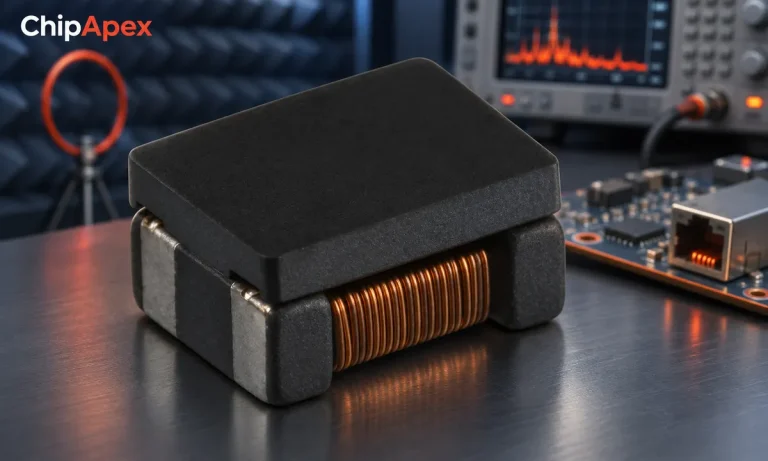
Select a common mode choke using noise frequency, current, insulation and signal integrity. Understand impedance curves, layout and filter limitations.
Read More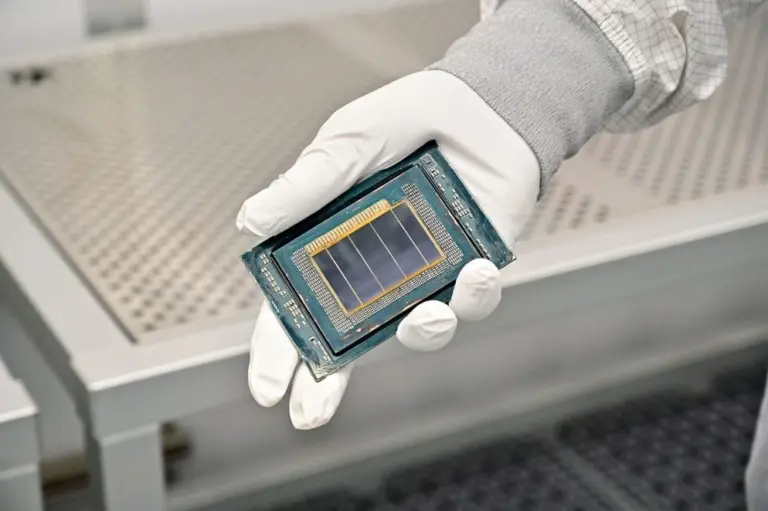
Recently, global semiconductor manufacturers have been constantly taking actions and presenting numerous new developments in aspects such as process technology and product research and…
Read More
Learn how optical sensing works, compare detection methods, and select sensors by target surface, ambient light, response time and electrical interface.
Read More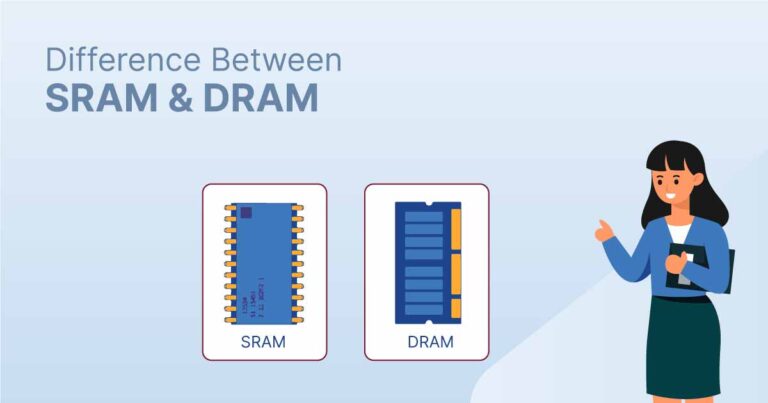
In an era dominated by AI accelerators with terabytes of HBM memory and consumer devices racing toward LPDDR5X bandwidth, it’s easy to wonder: why…
Read More
As the backbone of modern technology, electronic components are undergoing revolutionary changes, driven by advancements in materials science, miniaturization, and smart manufacturing. From ultra-efficient…
Read More
Understand load cell sensor output, bridge wiring and calibration. Learn how mV/V sensitivity, mechanics and ADC noise affect measurement accuracy.
Read More
The activity of extra discounts on wholesale prices is in full swing…
Please fill in your contact information and we will send you the latest wholesale price list.

