 ChipApex | Global Electronic Components Supplier

SEARCH
Search Product
Search Post
— IC芯片 | 连接器 | 传感器 | 被动器件 —
Search productSearch post
— IC芯片 | 连接器 | 传感器 | 被动器件 —
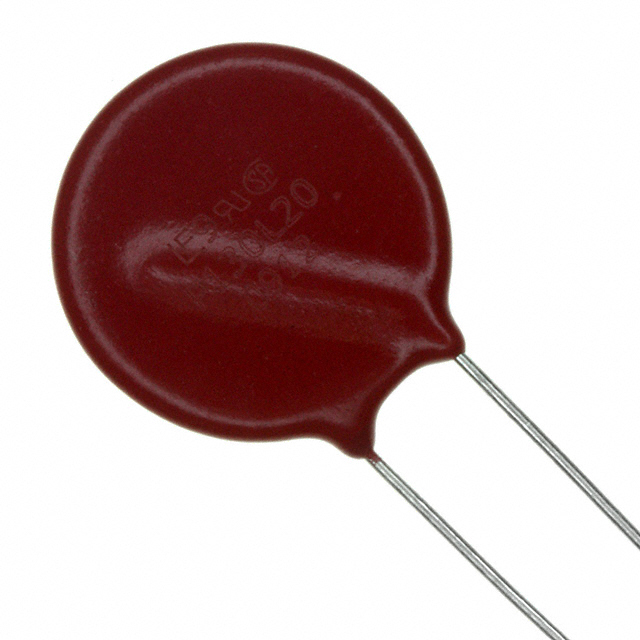
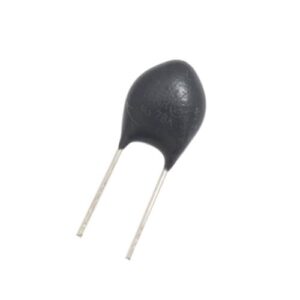
A varistor, also known as a Metal Oxide Varistor (MOV), is an electronic component with a variable resistance that changes with applied voltage. This nonlinear semiconductor device functions as a protective element in electronic circuits by responding to voltage transients and surges that exceed normal operating levels. When exposed to typical circuit voltages, varistors maintain high resistance, allowing them to remain essentially invisible in the circuit. However, when voltage spikes occur, the varistor\'s resistance dramatically decreases, creating a low-resistance path that diverts excess energy away from sensitive components. MOVs are widely used in surge protectors, power supplies, and industrial equipment where protection from overvoltage conditions is critical, with zinc oxide (ZnO) being the most common material used in their construction. When a varistor fails, it typically does so in one of two ways: it may fail as an open circuit after absorbing multiple surges over time that gradually degrade its structure, or more catastrophically, it may fail as a short circuit, potentially causing overheating, smoke, or even fire if not properly fused. While varistors are indeed surge protectors, they represent just one component within comprehensive surge protection systems. Other characteristics that define varistors include: 1) fast response times typically measured in nanoseconds, 2) voltage ratings that must be selected to match the circuit\'s normal operating conditions, 3) energy absorption capabilities measured in joules that determine how much transient energy they can safely dissipate, and 4) leakage current specifications that indicate how much current passes through the device during normal operation.
 390KD20J-FP7.5TRView Product821KD25-P12.5View Product
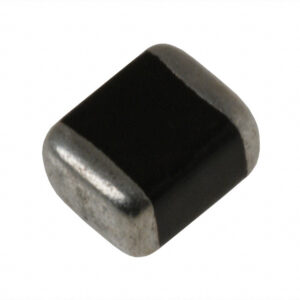 V48MLA1210NHView Product
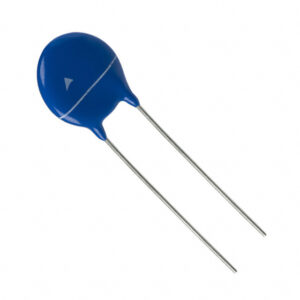 B72214Q0141K101View Product241KD20-TRView Product
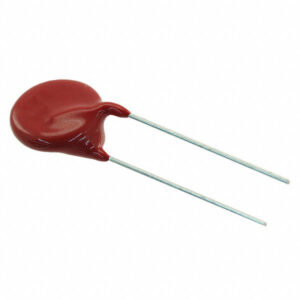 TMOV14RP420EL2T7View Product
 V0603MHS22NRView Product
 V20H320AUTO2TView Product
 B72530G1250K062View Product
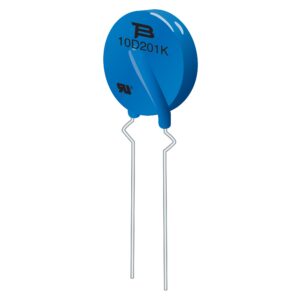 MOV-10D621KKTRView Product
 TND05SV330KTBAAAA0View ProductB72542V1300K062View Product

As 2025 draws to a close, the global semiconductor industry stands at a crossroads. Intertwined with escalating geopolitical tensions, supply chain disruptions, and groundbreaking…
Read More
In the vast landscape of memory technology, EEPROM (Electrically Erasable Programmable Read-Only Memory) often plays the unsung hero. While NAND Flash grabs headlines for…
Read More
Learn how a JFET works and how to compare bias, leakage, noise and pinout. Review practical selection questions for high-impedance analog circuits.
Read More
On October 1, 2025 local time, OpenAI, an artificial intelligence research company, announced the establishment of a cooperative relationship with Samsung Electronics and SK…
Read More
Choose logic inverter ICs by thresholds, supply, output drive and delay. Compare standard and Schmitt-trigger inputs, power sequencing and replacement checks.
Read More
Selecting the right microcontroller (MCU) isn’t just about specs—it’s about balancing performance, power, cost, and supply chain reliability. As an engineer, you’ve probably faced…
Read More
CHICAGO, USA – May 27, 2026 – Global leading interconnect manufacturer Molex officially issued a global distributor price adjustment notice on May 27, confirming…
Read More
In the world of electronics, memory components play a critical role in system performance—and DRAM (Dynamic Random-Access Memory) is one of the most widely…
Read More
TOKYO, April 15, 2026 – Taiyo Yuden Co., Ltd. (TAIYO YUDEN), a leading global manufacturer of passive electronic components, has officially notified its worldwide…
Read More
Learn what an IMU measures, how accelerometers and gyroscopes work together, why orientation estimates drift, and what to compare.
Read More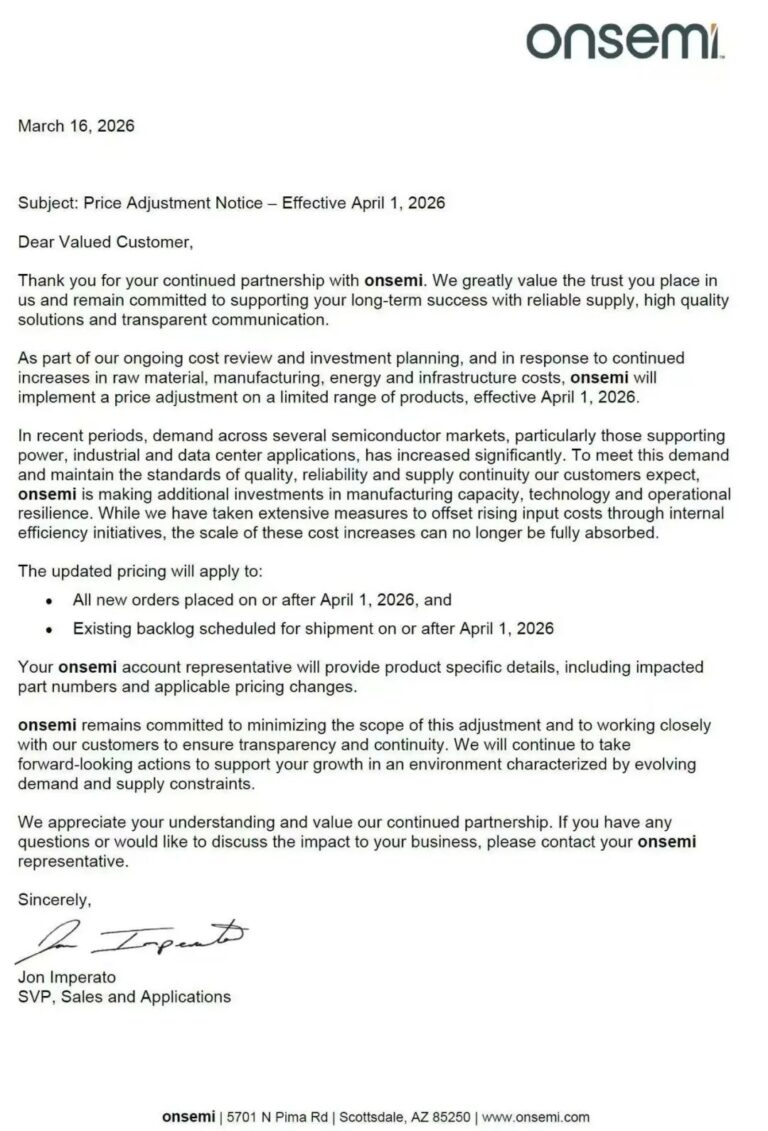
ON Semiconductor (onsemi), a global leader in intelligent power and sensing technologies, has announced plans to implement price adjustments for select product lines, effective…
Read More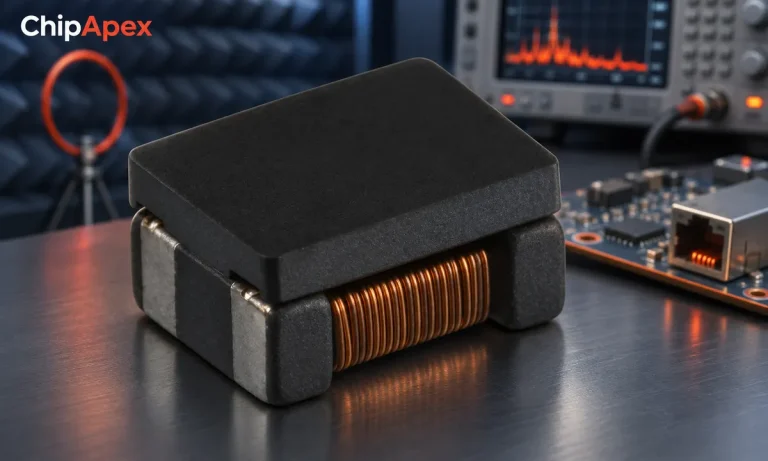
Select a common mode choke using noise frequency, current, insulation and signal integrity. Understand impedance curves, layout and filter limitations.
Read More
The activity of extra discounts on wholesale prices is in full swing…
Please fill in your contact information and we will send you the latest wholesale price list.

