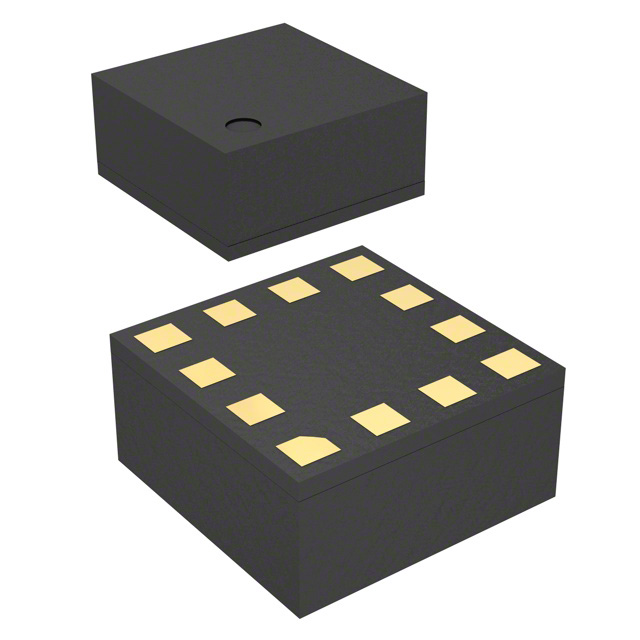
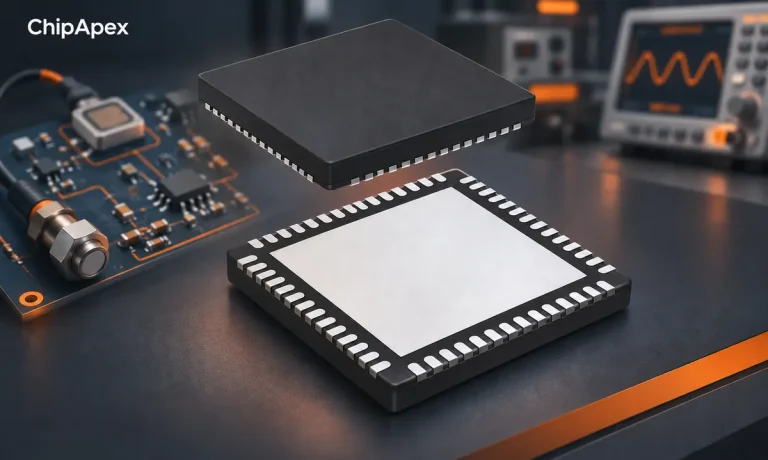
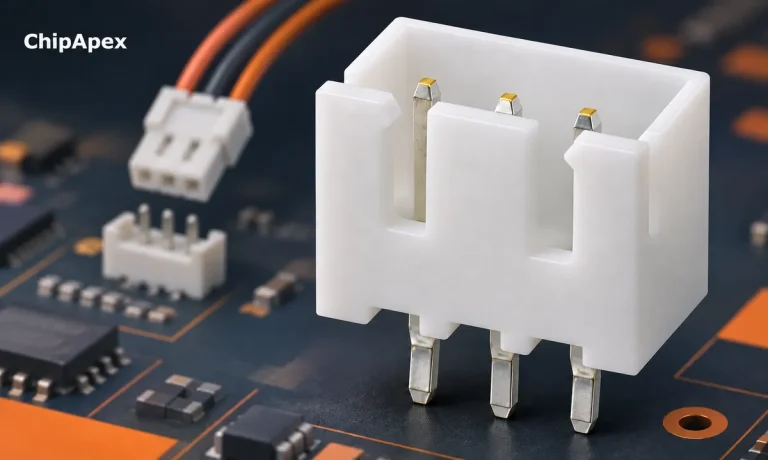
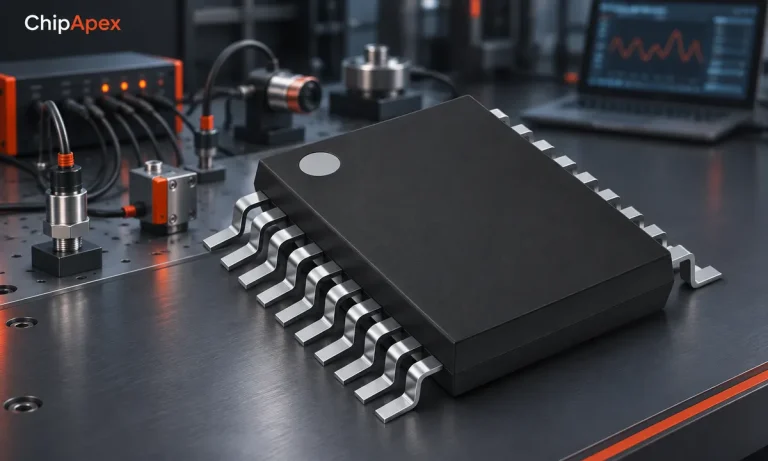
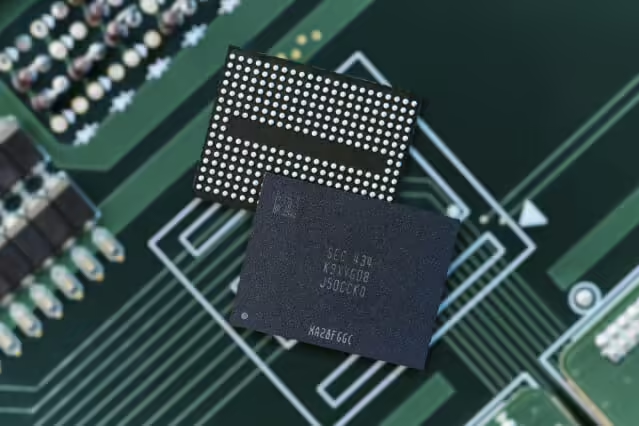
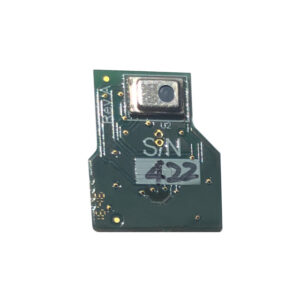
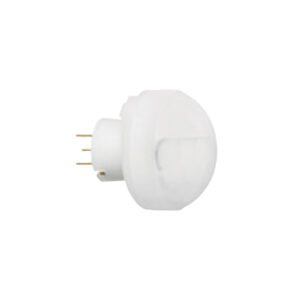
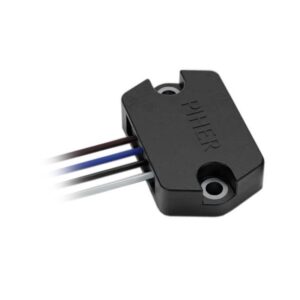
Motion Sensors are used to detect movement in an X, Y, or Z axis (or a combination thereof) and respond in various ways. Types of motion sensors include accelerometers, gyroscopes, inclinometers, inertial measurement units (IMUs), vibration, tilt switches, and optical.
ScreenDefaultRankingPrice By Date
Motion Sensors: Features and Specifications
Function in the design. Motion sensor families measure different quantities, including acceleration, rotation and changes in position. Start with the role the component plays in the measurement assembly. Define the type of motion and frequency range before choosing the sensing principle. Humidity sensors measure water vapor, while moisture sensors may measure water content in a material. On the assembly drawing, identify which part performs each function. That distinction is useful when two catalog categories have similar names.
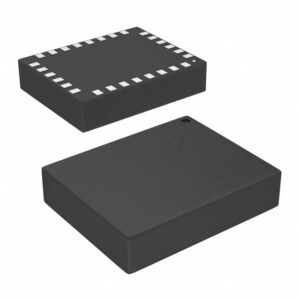
IAM-20380HT at a glance. The listing for IAM-20380HT gives type as Digital, axis as X (Pitch), Y (Roll), Z (Yaw), range °/s as ±250, 500, 1000, 2000. These values apply to this ordering code. Check the manufacturer’s description before carrying them over to another member of the family. When you enter a rating in the bill of materials, copy its unit and the conditions attached to it. That gives the next engineer enough information to compare another part on the same basis.
Differences within the range. For axis, IAM-20380HT is listed as X (Pitch), Y (Roll), Z (Yaw) and KX122-1037 as X, Y, Z. When comparing motion sensors, distinguish a property shown for an individual model from a requirement shared by the whole design. Short descriptions often omit the detail that decides whether a part fits. Check the drawing for differences that affect assembly. For differences in operation, find the corresponding row in the manufacturer’s characteristic table and read the test conditions.
Motion Detector Sensors: Applications and Design Considerations
Typical operating conditions. They support movement detection, condition monitoring and orientation tracking. For this use, specify the physical quantity of interest, expected range, response time and influence of the mounting arrangement. Write down the conditions at the installation site. If the bench setup reproduces only one of them, record what still needs testing in the assembled equipment. Include at least one representative operating case and the most demanding credible case in the comparison.
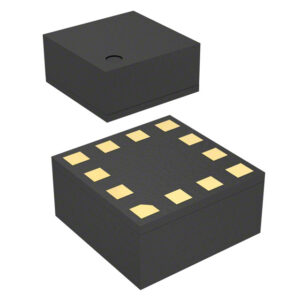
Integration example. The listing for KX122-1037 gives axis as X, Y, Z, acceleration range as ±2g, 4g, 8g, sensitivity (lsb/g) as 16384 (±2g) ~ 4096 (±8g). Which of those values does the existing design fix? Mark those first. The remaining values give you room to consider another part. The listing for BMA456 gives output type as I2C, SPI, voltage - supply as 1.62V ~ 3.6V, operating temperature as -40°C ~ 85°C. For an existing interface, place its drawing next to the product record. Resolve any discrepancy while the layout can still change and before ordering parts for evaluation.
Checks on the prototype. Test the complete measurement path, including mounting and signal conditioning. A repeatable reading at one point does not establish accuracy across the full range. Record how the part was installed and what you observed. Include the operating conditions so someone else can repeat the measurement. During the motion sensors check, define the type of motion and frequency range before choosing the sensing principle. If the reading is near the limit, repeat the original measurement. Then vary one condition at a time to see whether the component or the setup accounts for the difference.
Selection Criteria for Motion Sensors
Define the acceptance criteria. Define the type of motion and frequency range before choosing the sensing principle. Set a pass or fail limit for each critical requirement before comparing prices. For this category, useful starting columns from the catalog include type, axis, range °/s, sensitivity (lsb/(°/s)). Give each critical value a unit and an acceptable range. A blank field leaves an open question. Check the datasheet for that particular ordering code before entering a value in the comparison table.
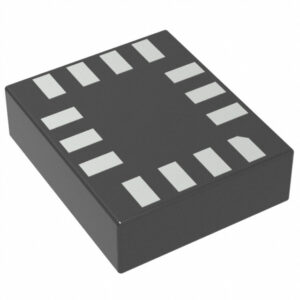
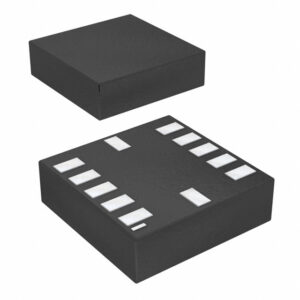
Compare exact ordering codes. The listing for BMA456 gives acceleration range as ±2g, 4g, 8g, 16g, bandwidth as 5.06Hz ~ 684Hz, output type as I2C, SPI. Check the complete manufacturer part number, including suffixes, against the ordering table for the device you intend to buy. For package / case, the respective entries for KX122-1037 and BMA456 are 12-VFLGA and 12-WFLGA. Check which of these values the assembly drawing or design specification requires. If the table gives only a typical value, look for a guaranteed limit at your operating conditions. The typical figure alone gives you little basis for rejecting a delivered part.
Prepare the purchase specification. For a quotation, identify the required motion sensors by manufacturer and complete part number. If alternatives are acceptable, state which differences require engineering approval. Tell purchasing how many pieces you need, when they must arrive and which packing formats the assembly line can accept. Before approving an alternative for the measurement assembly, compare it against the same acceptance criteria used for the original part and keep the comparison with the released bill of materials.
 ChipApex | Global Electronic Components Supplier