ChipApex | Global Electronic Components Supplier

SEARCH
Search Product
Search Post
— IC芯片 | 连接器 | 传感器 | 被动器件 —
Search productSearch post
— IC芯片 | 连接器 | 传感器 | 被动器件 —
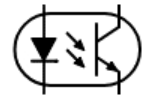
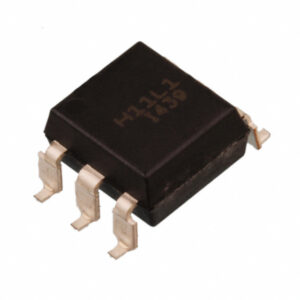
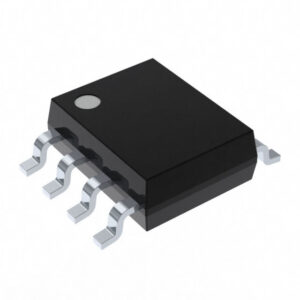
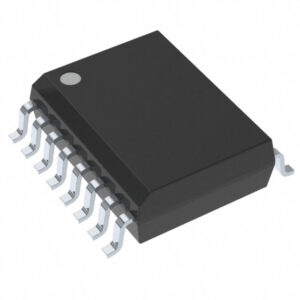
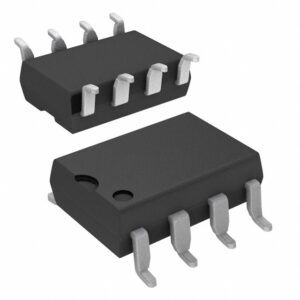
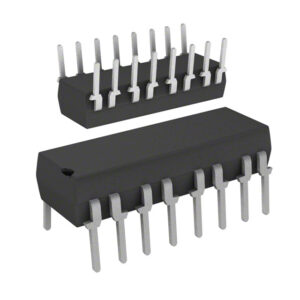
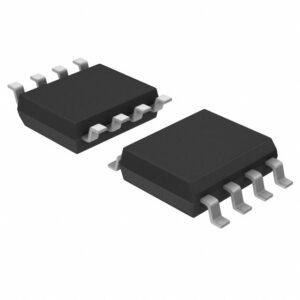
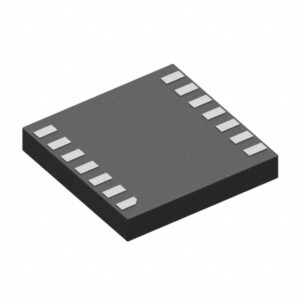
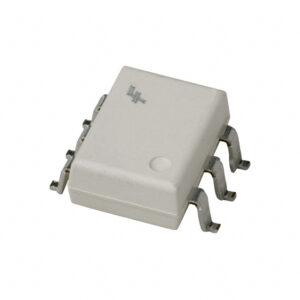
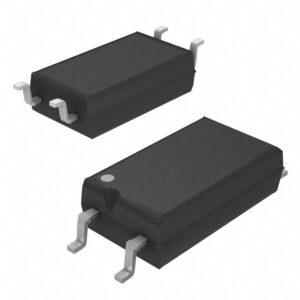
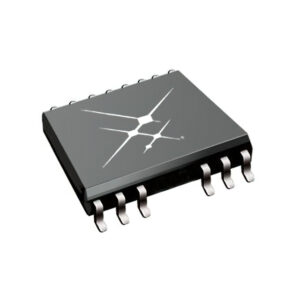
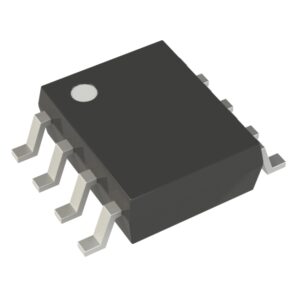
Isolators are components used to transmit signals across two sections of a circuit that must remain electrically separated for safety, noise immunity, or functional reasons. This electrical separation—called galvanic isolation—prevents current flow while still allowing data or control signals to pass through. Isolators are especially important in high-voltage or noisy environments, such as industrial automation, motor control systems, or medical electronics. Isolators are signal-level devices that facilitate safe communication between subsystems without direct electrical contact. There are two primary types of isolators: optical isolators (also known as optocouplers) and digital isolators. Optical isolators use light to transmit information across an isolation barrier. A typical optocoupler consists of an LED on the input side and a phototransistor, photodiode, SCR, or Triac on the output side. When current flows through the LED, it emits light that activates the output component, allowing the signal to be reproduced on the isolated side. Optocouplers are widely used in applications requiring moderate speed and high-voltage isolation—such as microcontroller interfaces, SMPS (switch mode power supply) feedback loops, or PLC input modules. They are favored for their simplicity and excellent electrical noise immunity. Digital isolators, on the other hand, do not rely on light. Instead, they typically use capacitive or magnetic coupling to transmit digital signals across the isolation barrier. These isolators offer several advantages over optocouplers, including higher data rates, lower power consumption, better temperature stability, and longer lifespan since they avoid LED aging. Digital isolators are particularly well-suited for high-speed communication interfaces like SPI, I²C, or UART, where timing and signal integrity are critical. However, they may be more sensitive to certain types of transient interference, depending on the design and application. Choosing between an optical and a digital isolator depends on several factors: signal type (analog or digital), speed, voltage isolation requirements, environmental conditions, and reliability expectations. For example, optocouplers might still be preferred in high-voltage analog feedback paths due to their robust noise immunity, while digital isolators may be better suited for fast, compact, low-power digital systems.
| Select products | Mfr | Description | Package | Supplier Device Package | Mounting Type | Series | Operating Temperature |
|---|---|---|---|---|---|---|---|
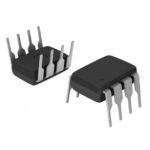 HCPL-5231#200 $164.87 | Broadcom Limited | OPTOISO 1.5KV 2CH PUSH PULL 8DIP | Bulk | 8-DIP | Through Hole | - | -55°C ~ 125°C |
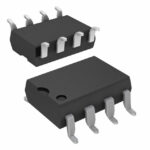 HCPL-5231#300 $194.22 | Broadcom Limited | OPTOISO 1.5KV PUSH PULL 8DIP GW | Bulk | 8-DIP Gull Wing | Surface Mount | - | -55°C ~ 125°C |
HCPL-523K $664.16 | Broadcom Limited | OPTOISO 1.5KV 2CH PUSH PULL 8DIP | Bulk | 8-DIP | Through Hole | - | -55°C ~ 125°C |
HCPL-523K#200 $664.16 | Broadcom Limited | OPTOISO 1.5KV 2CH PUSH PULL 8DIP | Bulk | 8-DIP | Through Hole | - | -55°C ~ 125°C |
 HCPL-523K-100 $664.16 | Broadcom Limited | OPTOISO 1.5KV 2CH PUSH PULL 8SMD | Bulk | 8-DIP Butt Joint | Surface Mount | - | -55°C ~ 125°C |
HCPL-523K-300 $664.16 | Broadcom Limited | OPTOISO 1.5KV PUSH PULL 8DIP GW | Bulk | 8-DIP Gull Wing | Surface Mount | - | -55°C ~ 125°C |
HCPL-5300 $104.56 | Broadcom Limited | OPTOISO 1.5KV OPN COLL 8-DIP | Tube | 8-DIP | Through Hole | - | -55°C ~ 125°C |
HCPL-5300#100 $84.62 | Broadcom Limited | OPTOISO 1.5KV OPEN COLL 8-SMD | Tube | 8-SMD Butt Joint | Surface Mount | - | -55°C ~ 125°C |
[Shenzhen/Shanghai/Beijing, January 2025] — As global digital transformation accelerates, the electronic components industry has reached a critical inflection point in 2025. Emerging fields such…
Read More
Over the past week, the global electronic components sector has witnessed dual transformations in policy and technology: Coupled with mounting pressure from a worsening…
Read More
Recently, a survey by the Electronic Components Industry Association (ECIA) revealed that the sales sentiment of global electronic components remained optimistic in the third…
Read More
Choose an AC to DC converter by input range, output demand, isolation, efficiency and thermal derating. Compare architectures and check installation needs.
Read More
In embedded design, the tug-of-war between cost and performance is constant. On one side, you have Microcontrollers (MCUs)—cheap, simple, and efficient. On the other,…
Read More
CHICAGO, USA – May 27, 2026 – Global leading interconnect manufacturer Molex officially issued a global distributor price adjustment notice on May 27, confirming…
Read More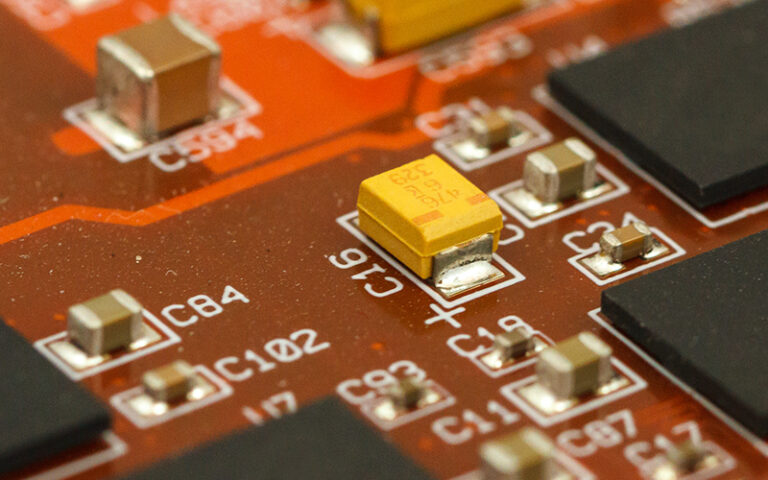
The global electronics industry is facing an escalating shortage of tantalum capacitors, a critical passive component, as surging demand from AI servers, automotive electronics,…
Read More
PLANO, Texas – March 20, 2026 – Diodes Incorporated (Nasdaq: DIOD), a leading global manufacturer and supplier of high-quality application-specific standard products in the…
Read More
Selecting the right microcontroller (MCU) isn’t just about specs—it’s about balancing performance, power, cost, and supply chain reliability. As an engineer, you’ve probably faced…
Read More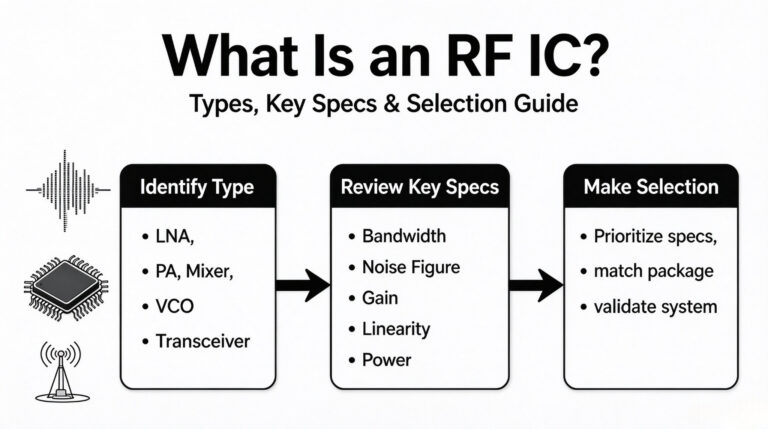
An RF IC, or radio-frequency integrated circuit, is a chip that processes wireless signals between the antenna and the baseband processor. Instead of building…
Read More
Geneva, Switzerland – August 20, 2026 – Global leading semiconductor manufacturer STMicroelectronics (ST) has officially issued a new global price adjustment notice to global…
Read More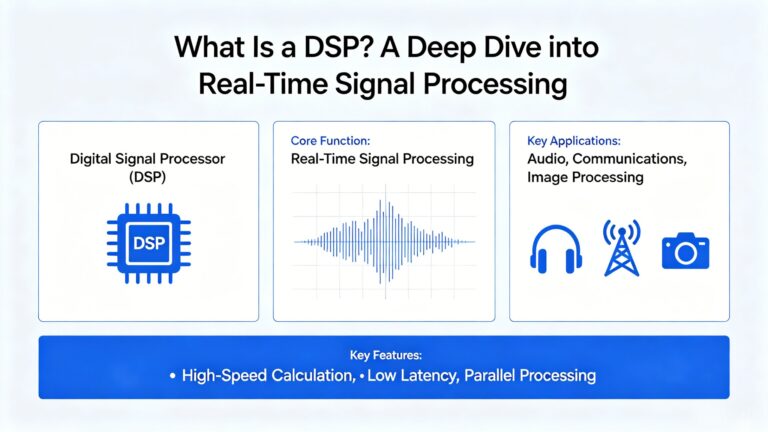
In the embedded world, general-purpose CPUs are great at running operating systems, and MCUs excel at logic control. But when you need to process…
Read More
The activity of extra discounts on wholesale prices is in full swing…
Please fill in your contact information and we will send you the latest wholesale price list.