ChipApex | Global Electronic Components Supplier

SEARCH
Search Product
Search Post
— IC芯片 | 连接器 | 传感器 | 被动器件 —
Search productSearch post
— IC芯片 | 连接器 | 传感器 | 被动器件 —
Consult the customer manager about the wholesale price.
consultation hotline:86-132-6715-2157
email:[email protected]
Contact the product manager for consultation. One-stop consultation is available.
Do you want a lower wholesale price? Please send us your inquiry and we will reply immediately.
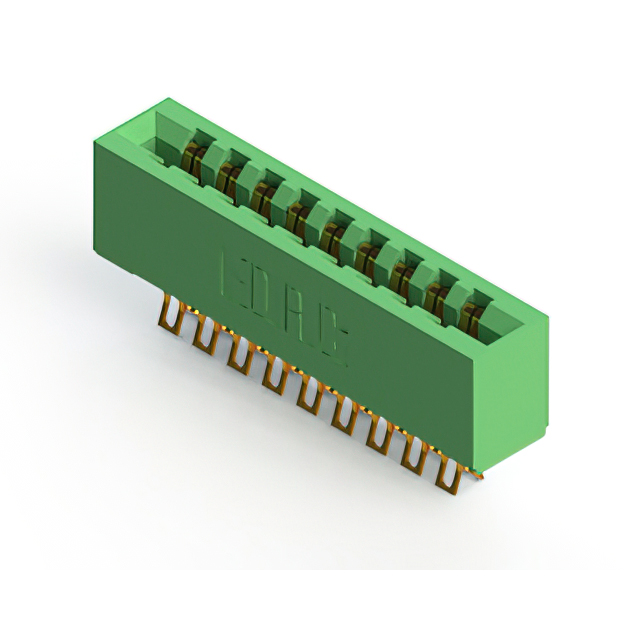
305-018-555-501 is listed in the Edgeboard Connectors range at ChipApex. The manufacturer field lists EDAC Inc.. Its product description is CONN EDGE DUAL FMALE 18POS 0.156. Review the specifications below when checking this part for your BOM.
The EDAC Inc. 305-018-555-501 is a dual-row card edge connector designed for vertical panel mounting applications. It features 18 positions with a 0.156" (3.96mm) pitch and accepts non-specified dual-edge circuit cards. The contacts are female half-beam spring type, constructed from copper alloy with gold plating. Insulation is provided by green thermoplastic polyester rated for -40°C to +105°C. The component supports solder termination and accommodates board thicknesses of 0.054" to 0.070".
Verify the specific ordering suffix against the manufacturer's official 305 Series Ordering Guide to ensure correct contact plating and termination style. Confirm that the target PCB thickness falls within the specified 0.054" to 0.070" range for proper mechanical engagement. Cross-reference the RoHS status and environmental compliance data directly with the latest datasheet documentation before finalizing procurement orders.
Select this model when a dual-edge card interface is required for vertical panel installation. Ensure the application environment remains within the -40°C to +105°C operating temperature range. Verify that the mating card meets the non-specified dual-edge requirement and that the 0.156" pitch aligns with the system layout constraints.
This component belongs to the EDAC 305 Series, which provides standard card edge connectors with 0.156" pitch options. The series offers various mounting styles and position counts to support diverse electronic assembly needs. The 305-018 variant specifically addresses requirements for 18-position dual-row connections in compact industrial enclosures.
Consult the EDAC 305 Series cross-reference guide for direct substitutes. Verify that alternative part numbers maintain identical 0.156" pitch, dual-row configuration, and vertical mounting orientation to ensure mechanical compatibility.
Explore related parts through Connectors, Interconnects, all product categories, ChipApex homepage.
 305-018-555-501
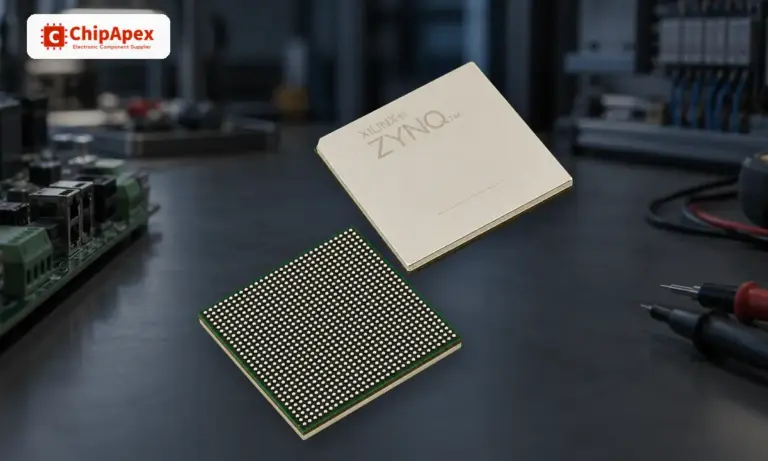
Learn what an integrated circuit is, how ICs work, the main types and the specs to check before choosing a part for your design…
Read More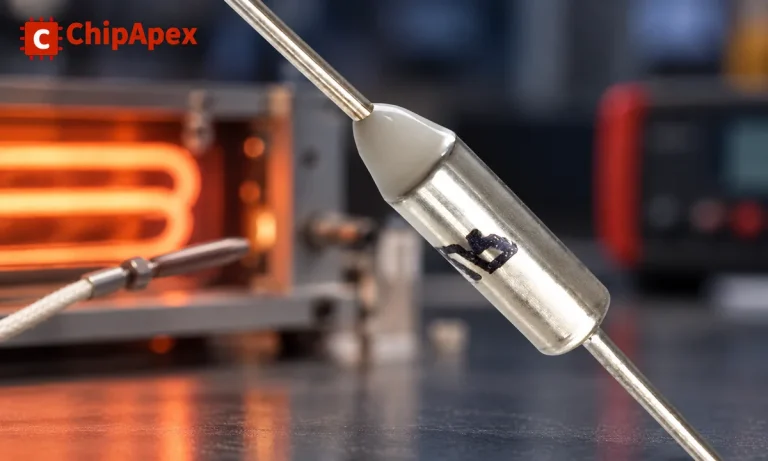
Understand thermal fuse operation, Tf, Th and Tm, electrical ratings and mounting. Check temperature limits and replacement requirements for your design.
Read More
305-018-555-501 is listed in the Edgeboard Connectors range at ChipApex. The manufacturer field lists EDAC Inc.. Its product description is CONN EDGE DUAL FMALE…
Read More
305-018-555-501 is listed in the Edgeboard Connectors range at ChipApex. The manufacturer field lists EDAC Inc.. Its product description is CONN EDGE DUAL FMALE…
Read More
305-018-555-501 is listed in the Edgeboard Connectors range at ChipApex. The manufacturer field lists EDAC Inc.. Its product description is CONN EDGE DUAL FMALE…
Read More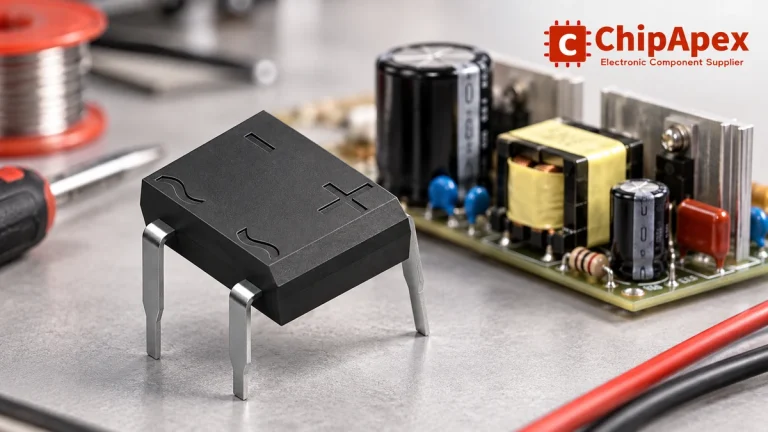
Select a bridge rectifier by reverse voltage, capacitor charging current, startup surge and cooling. Work through a stated DC voltage and ripple example.
Read More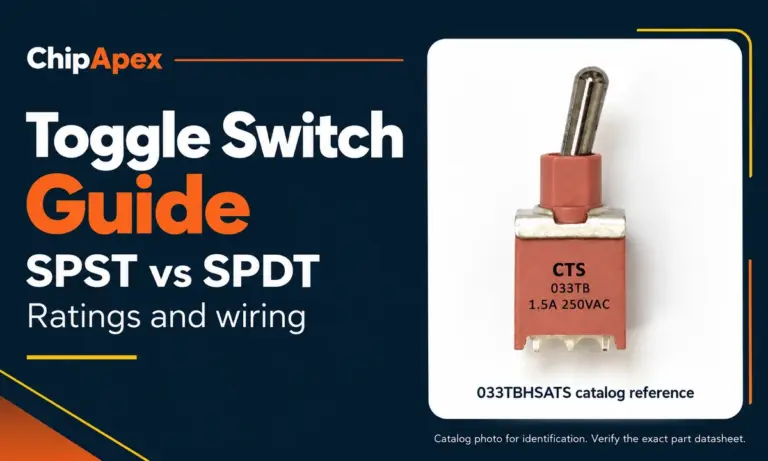
Compare SPST and SPDT toggle switches, understand AC/DC ratings, and follow wiring examples. Check contact action, mounting and parts in the ChipApex catalog.
Read More
305-018-555-501 is listed in the Edgeboard Connectors range at ChipApex. The manufacturer field lists EDAC Inc.. Its product description is CONN EDGE DUAL FMALE…
Read More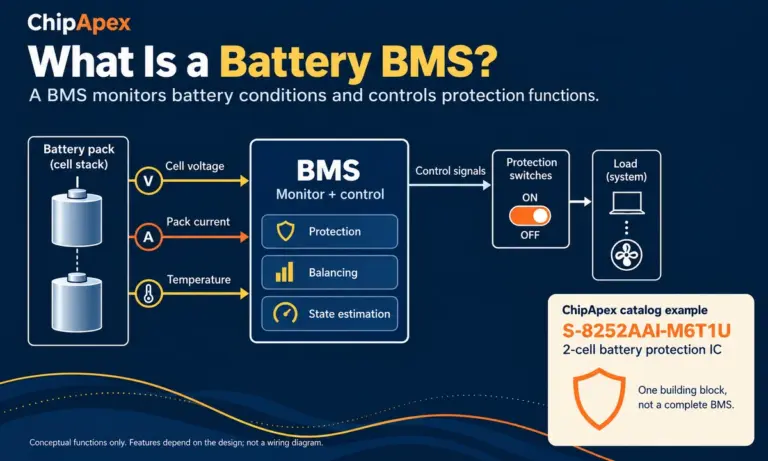
Learn what a battery BMS does, how protection differs from charging, and which pack specifications to check when sourcing BMS components through ChipApex.
Read More
305-018-555-501 is listed in the Edgeboard Connectors range at ChipApex. The manufacturer field lists EDAC Inc.. Its product description is CONN EDGE DUAL FMALE…
Read More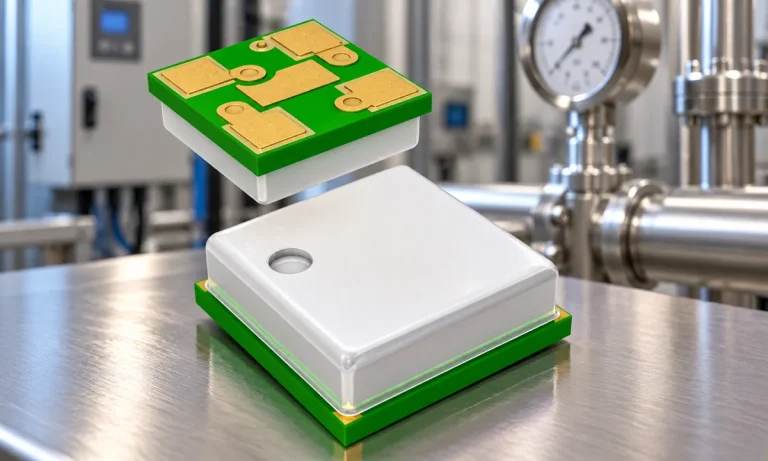
Learn how a pressure transducer converts pressure into voltage, current, or digital output, and compare pressure references and key selection specs.
Read More
See when an inductor behaves linearly, how DC bias and saturation reduce inductance, and which current and temperature curves to check.
Read More
The activity of extra discounts on wholesale prices is in full swing…
Please fill in your contact information and we will send you the latest wholesale price list.