ChipApex | Global Electronic Components Supplier

SEARCH
Search Product
Search Post
— IC芯片 | 连接器 | 传感器 | 被动器件 —
Search productSearch post
— IC芯片 | 连接器 | 传感器 | 被动器件 —
Consult the customer manager about the wholesale price.
consultation hotline:86-132-6715-2157
email:[email protected]
Contact the product manager for consultation. One-stop consultation is available.
Do you want a lower wholesale price? Please send us your inquiry and we will reply immediately.
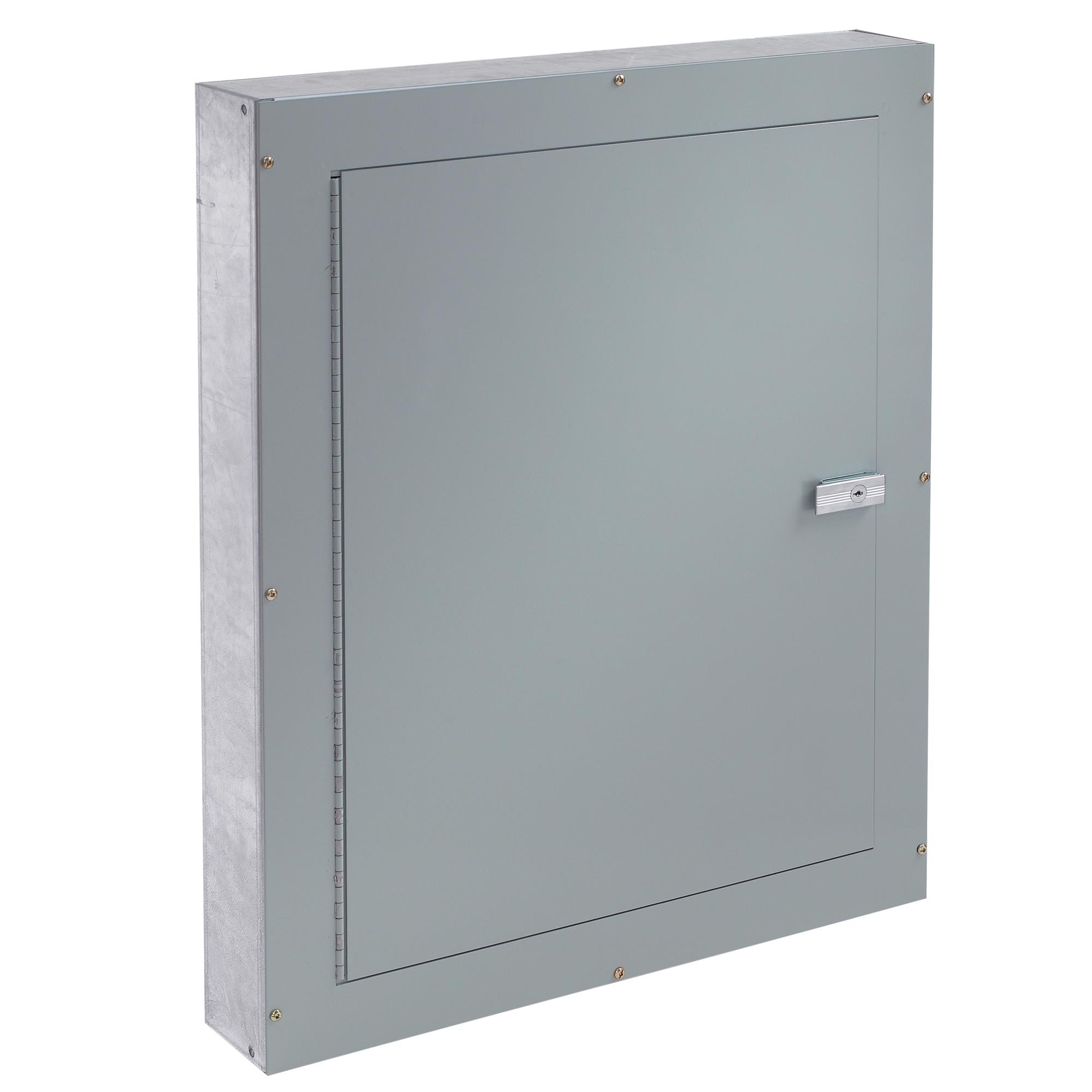
The ATC36244F is a flush-mount telephone cabinet manufactured by nVent HOFFMAN. Constructed from steel with a gray finish, it features dimensions of 36.00 inches in length, 24.00 inches in width, and 4.00 inches in depth (914.40mm x 609.60mm x 101.60mm). This enclosure is designed for telecommunications infrastructure applications requiring secure, wall-mounted housing for network equipment.
Verify the manufacturer designation as nVent HOFFMAN or Hoffman Enclosures, Inc., depending on the specific supply chain documentation. Confirm that the part number ATC36244F corresponds to the flush-mount telephone cabinet variant rather than standard NEMA enclosures. Ensure compatibility with existing wall cutouts given the specific 36x24 inch footprint.
Select this model when a low-profile, flush-mounted solution is required for telephone or data cabling management. The 4-inch depth limits internal component height, so verify that patch panels and connectors fit within the specified 101.60mm clearance. Compare against surface-mount alternatives if deeper internal volume is necessary for larger switches or power supplies.
This component belongs to the ATC series of telephone cabinets, distinct from the broader A-series NEMA enclosures found in general industrial catalogs. It serves a specialized role in structured cabling environments, differing from standard electrical junction boxes by its specific form factor optimized for telecom rack mounting and wall penetration.
No direct public substitute part numbers are confirmed in the provided source material. Verify compatibility with existing wall frames before considering alternative models.
 ATC36244F

Compare RC, crystal and MEMS oscillator circuits. Check ppm, jitter, load capacitance, startup margin and output compatibility before choosing a clock source.
Read More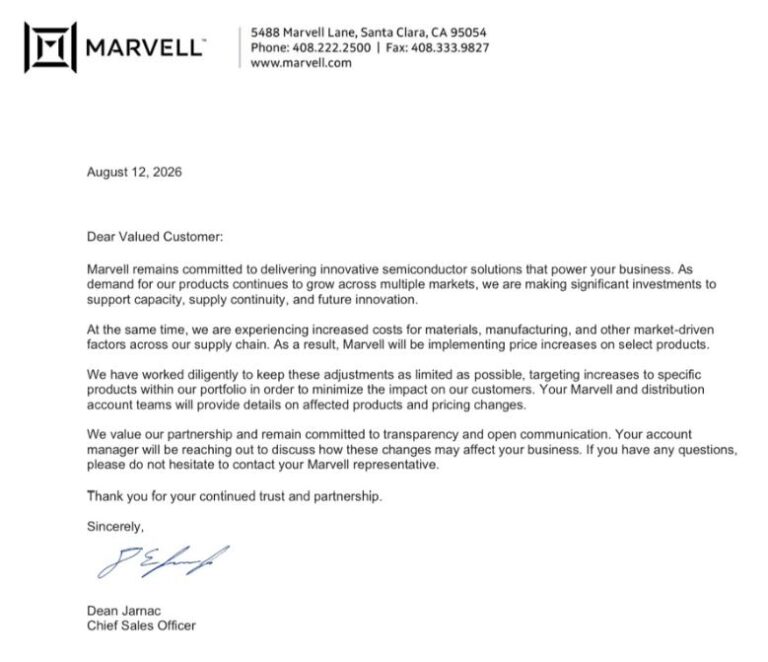
SANTA CLARA, Calif. — Leading semiconductor solution provider Marvell Technology (NASDAQ: MRVL) officially rolled out a selective price adjustment for its core electronic component…
Read More
See how a MEMS gyroscope measures angular rate, why its angle estimate drifts, and which range, noise, interface and temperature specs to compare.
Read More
If you’ve spent any time staring at a schematic, you’ve seen the triangle. Two inputs, one output, and a gain symbol that looks deceptively…
Read More
Understand how oscillators generate timing signals, how they differ from crystals, and which frequency, output and stability specs matter when choosing one.
Read More
Learn what an IMU measures, how accelerometers and gyroscopes work together, why orientation estimates drift, and what to compare.
Read More
Learn what an integrated circuit is, how ICs work, the main types and the specs to check before choosing a part for your design…
Read More
Over the past week, the global electronic components sector has witnessed dual transformations in policy and technology: Coupled with mounting pressure from a worsening…
Read More
The rapid advancement of artificial intelligence (AI) is transforming industries across the globe, and the world of electronic components is no exception. From smarter…
Read More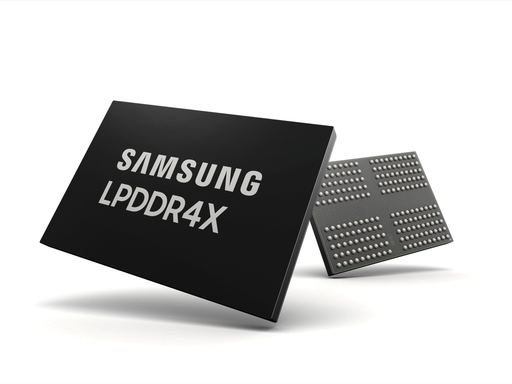
Samsung Electronics, the world’s largest memory chip manufacturer, has officially confirmed the end-of-life (EOL) for its LPDDR4 and LPDDR4X low-power DRAM products, marking a…
Read More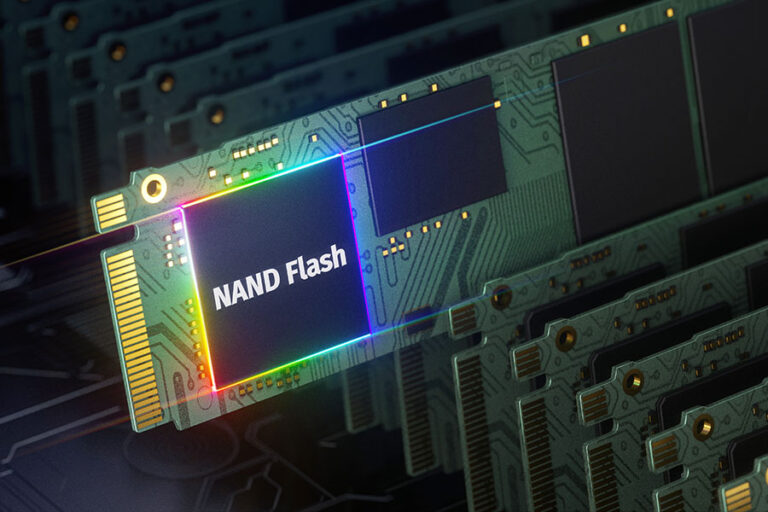
What Is NAND Flash? A Practical Guide for Engineers & Procurement Teams In today’s data-driven world—from smartphones and SSDs to industrial IoT devices—NAND flash…
Read More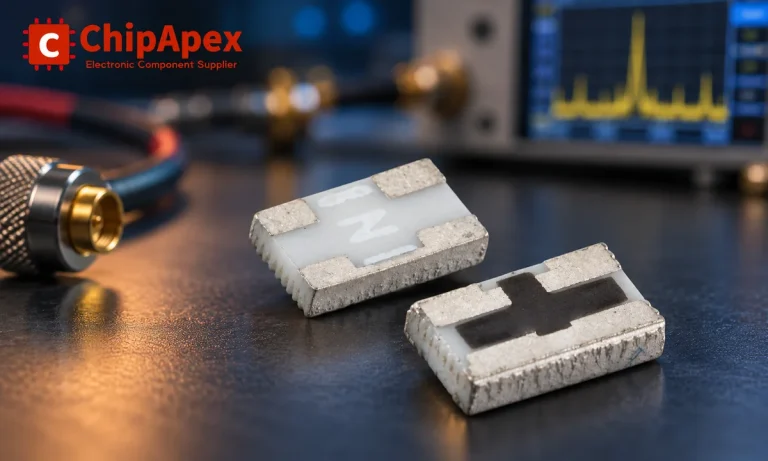
Understand RF attenuator dB values, fixed and programmable types, impedance, power limits and noise tradeoffs before choosing parts for an RF signal path.
Read More
The activity of extra discounts on wholesale prices is in full swing…
Please fill in your contact information and we will send you the latest wholesale price list.