ChipApex | Global Electronic Components Supplier

SEARCH
Search Product
Search Post
— IC芯片 | 连接器 | 传感器 | 被动器件 —
Search productSearch post
— IC芯片 | 连接器 | 传感器 | 被动器件 —
Consult the customer manager about the wholesale price.
consultation hotline:86-132-6715-2157
email:[email protected]
Contact the product manager for consultation. One-stop consultation is available.
Do you want a lower wholesale price? Please send us your inquiry and we will reply immediately.
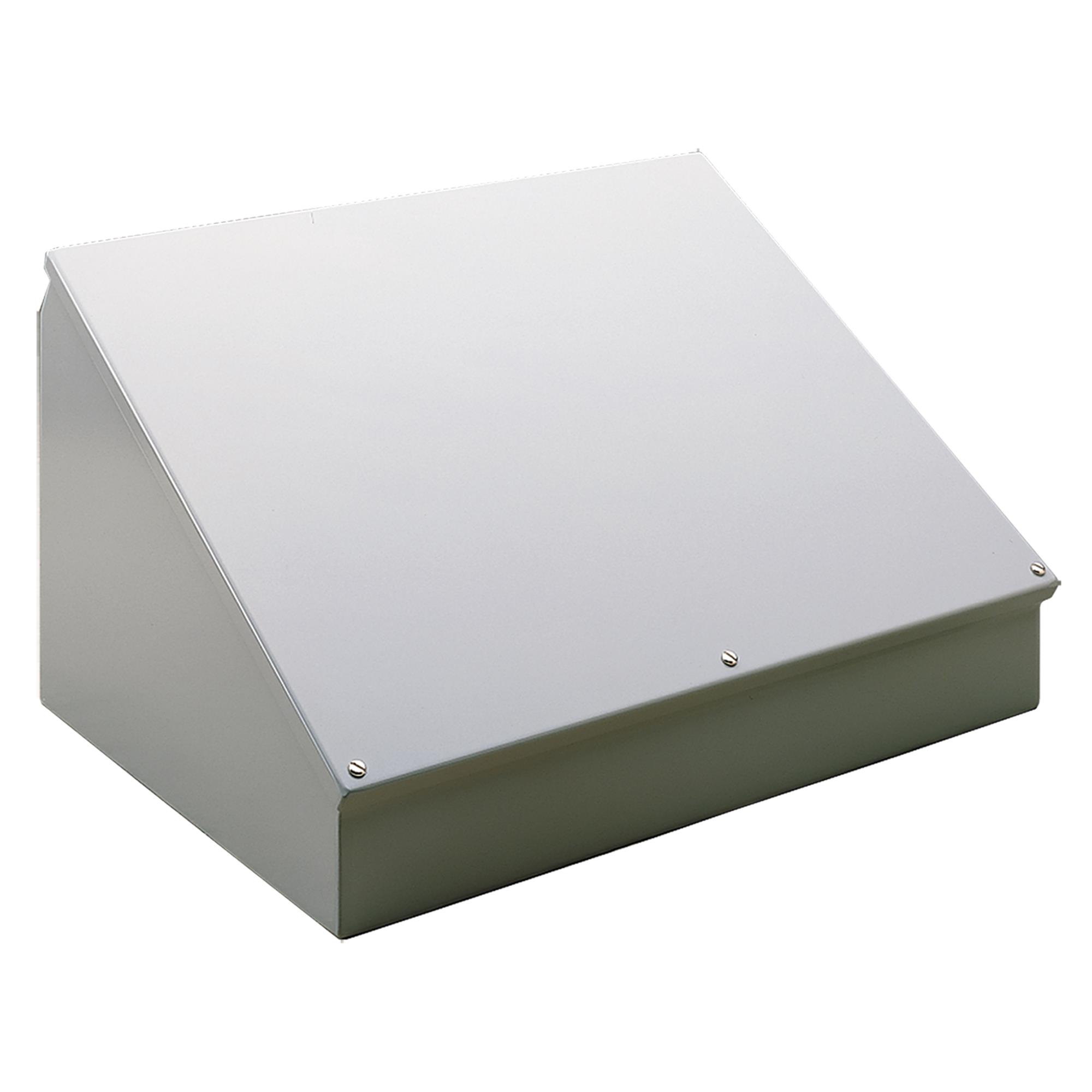
The C20C24SS is a stainless steel consolet enclosure manufactured by Hoffman Enclosures, Inc. It features a Type 12 rating and measures 20.00 inches in width, 24.00 inches in height, and 13.09 inches in depth. The unit is constructed from 304 stainless steel with a #4 smooth brushed finish on the cover and sides. It includes a sloped cover design that can be positioned on either side to provide 30- or 60-degree surface access. The seams are continuously welded and ground smooth, and the enclosure contains no pre-drilled holes or knockouts.
Verify the specific dimensional requirements against the 20x24x13.09 inch specifications before procurement. Confirm that the absence of pre-drilled holes or knockouts aligns with your installation needs, as modifications may require additional fabrication. Ensure the Type 12 rating meets the environmental protection standards required for the intended deployment location.
Select this model when a durable, corrosion-resistant enclosure is needed for indoor industrial applications. The sloped cover design offers flexibility in viewing angles and cable entry points. Consider the lack of pre-drilled openings if custom routing is planned. This unit is part of a series available in different heights, so verify compatibility with adjacent equipment if used in a rack system.
This component belongs to the nVent Hoffman C20 series of stainless steel consolets. These enclosures are designed for robust industrial use, offering Type 12 protection against dust, dripping non-corrosive liquids, and oil non-saturated coolants. The C20C24SS specifically utilizes 304 stainless steel, distinguishing it from carbon steel alternatives in terms of corrosion resistance and weight.
Check for other models in the C20 series with different heights (400, 500, or 700 mm) if volume constraints differ. Verify if alternative materials like carbon steel are acceptable if cost is a primary driver, noting the loss of stainless steel corrosion resistance.
 C20C24SS
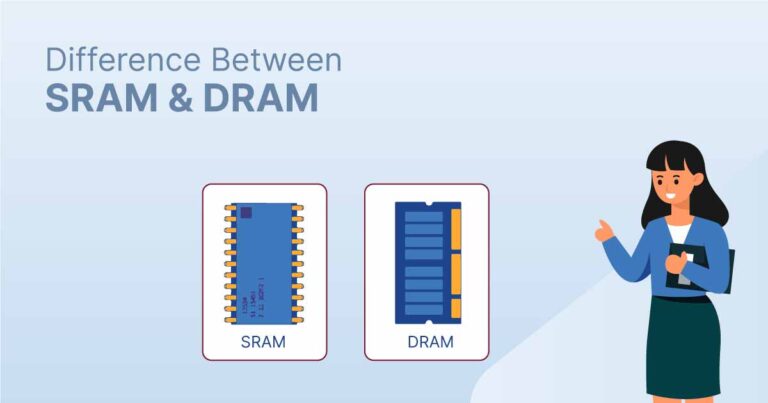
In an era dominated by AI accelerators with terabytes of HBM memory and consumer devices racing toward LPDDR5X bandwidth, it’s easy to wonder: why…
Read More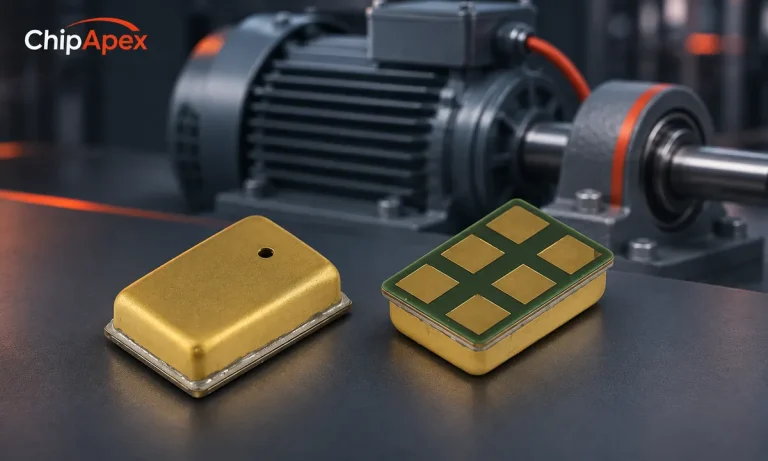
Choose a vibration sensor for machine monitoring. Compare sensing methods, bandwidth, noise and mounting, then define the signal-chain requirements.
Read More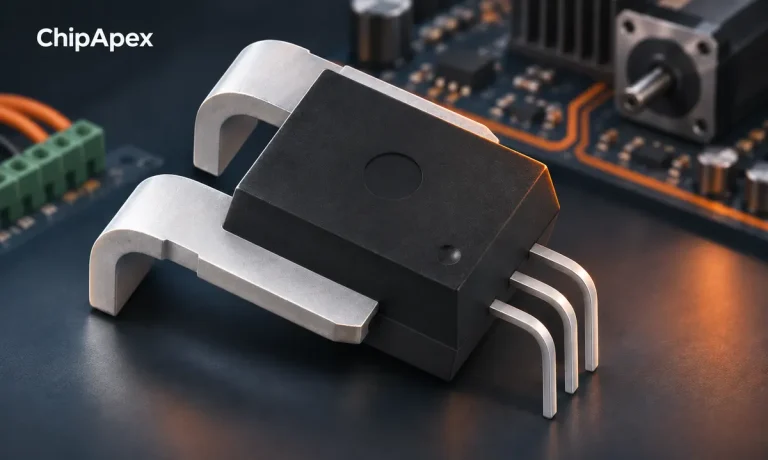
Compare Hall, shunt, current transformer and Rogowski sensing. Check AC/DC capability, accuracy, isolation, heat and response before selecting a sensor.
Read More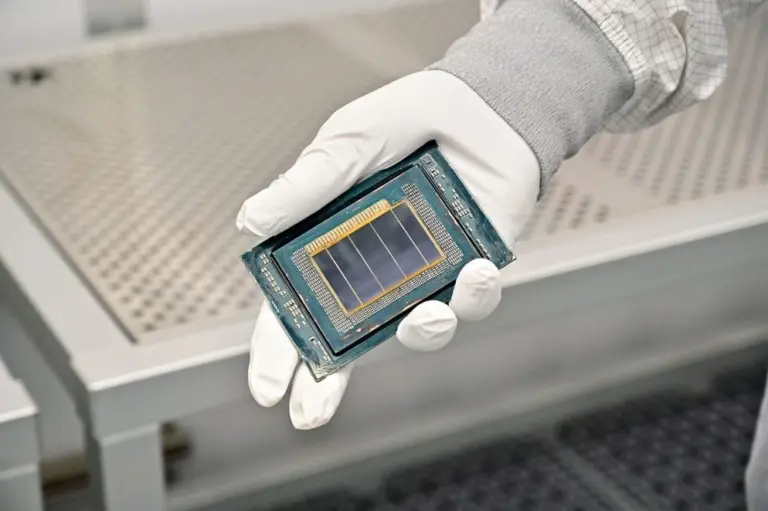
Recently, global semiconductor manufacturers have been constantly taking actions and presenting numerous new developments in aspects such as process technology and product research and…
Read More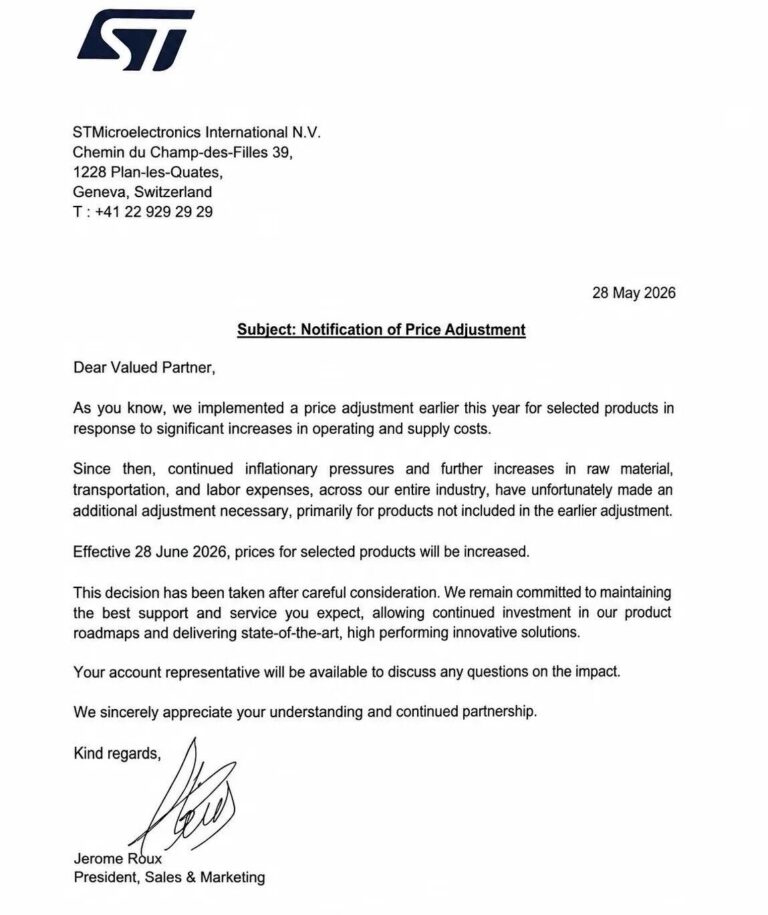
STMicroelectronics (ST), a global leader in semiconductor manufacturing, has officially notified customers of a new round of price increases for selected products, set to…
Read More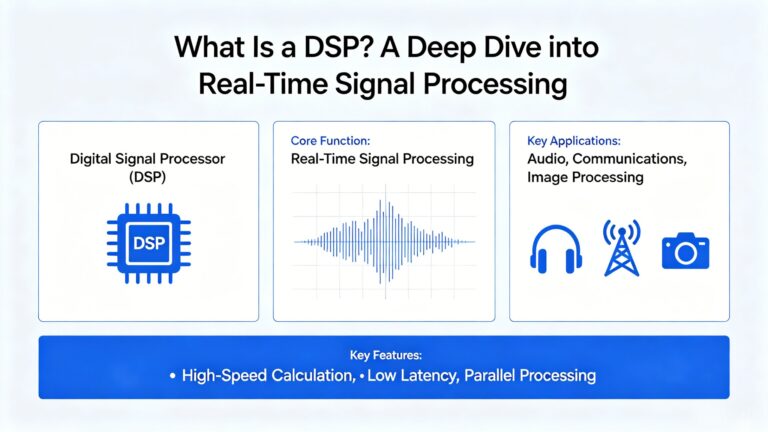
In the embedded world, general-purpose CPUs are great at running operating systems, and MCUs excel at logic control. But when you need to process…
Read More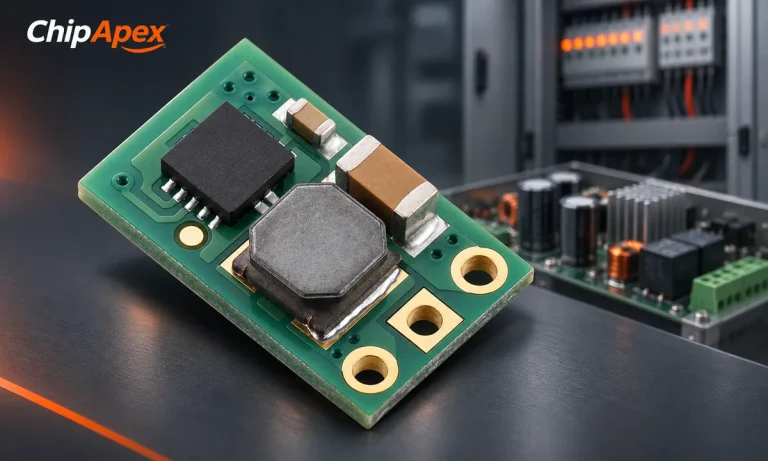
Select a DC-DC converter by input range, topology, isolation and temperature. Compare ripple, efficiency and load limits before choosing a component.
Read More
Learn what data acquisition means, from sensors and conditioning to sampling and storage. Review channel timing, wiring, calibration and data quality.
Read More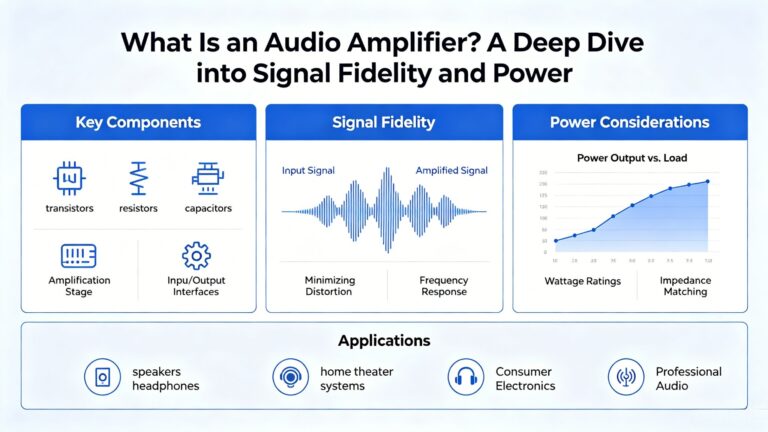
In the world of embedded electronics, getting a device to “think” is only half the battle. The other half is getting it to communicate…
Read More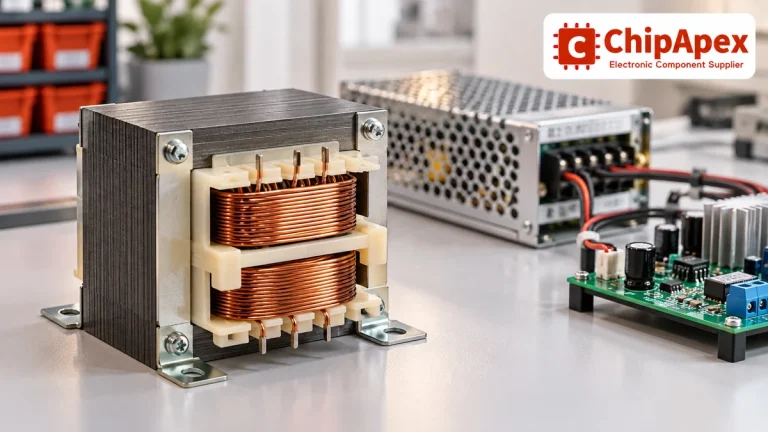
Select power transformers by input frequency, secondary VA, rectifier load, isolation, regulation and inrush. Build a clearer specification for your next RFQ.
Read More
Learn the relay definition, coil and contact operation, NO and NC forms, load ratings and suppression choices. Compare mechanical, reed and solid-state types.
Read More
In embedded design, the tug-of-war between cost and performance is constant. On one side, you have Microcontrollers (MCUs)—cheap, simple, and efficient. On the other,…
Read More
The activity of extra discounts on wholesale prices is in full swing…
Please fill in your contact information and we will send you the latest wholesale price list.