ChipApex | Global Electronic Components Supplier

SEARCH
Search Product
Search Post
— IC芯片 | 连接器 | 传感器 | 被动器件 —
Search productSearch post
— IC芯片 | 连接器 | 传感器 | 被动器件 —
Consult the customer manager about the wholesale price.
consultation hotline:86-132-6715-2157
email:[email protected]
Contact the product manager for consultation. One-stop consultation is available.
Do you want a lower wholesale price? Please send us your inquiry and we will reply immediately.
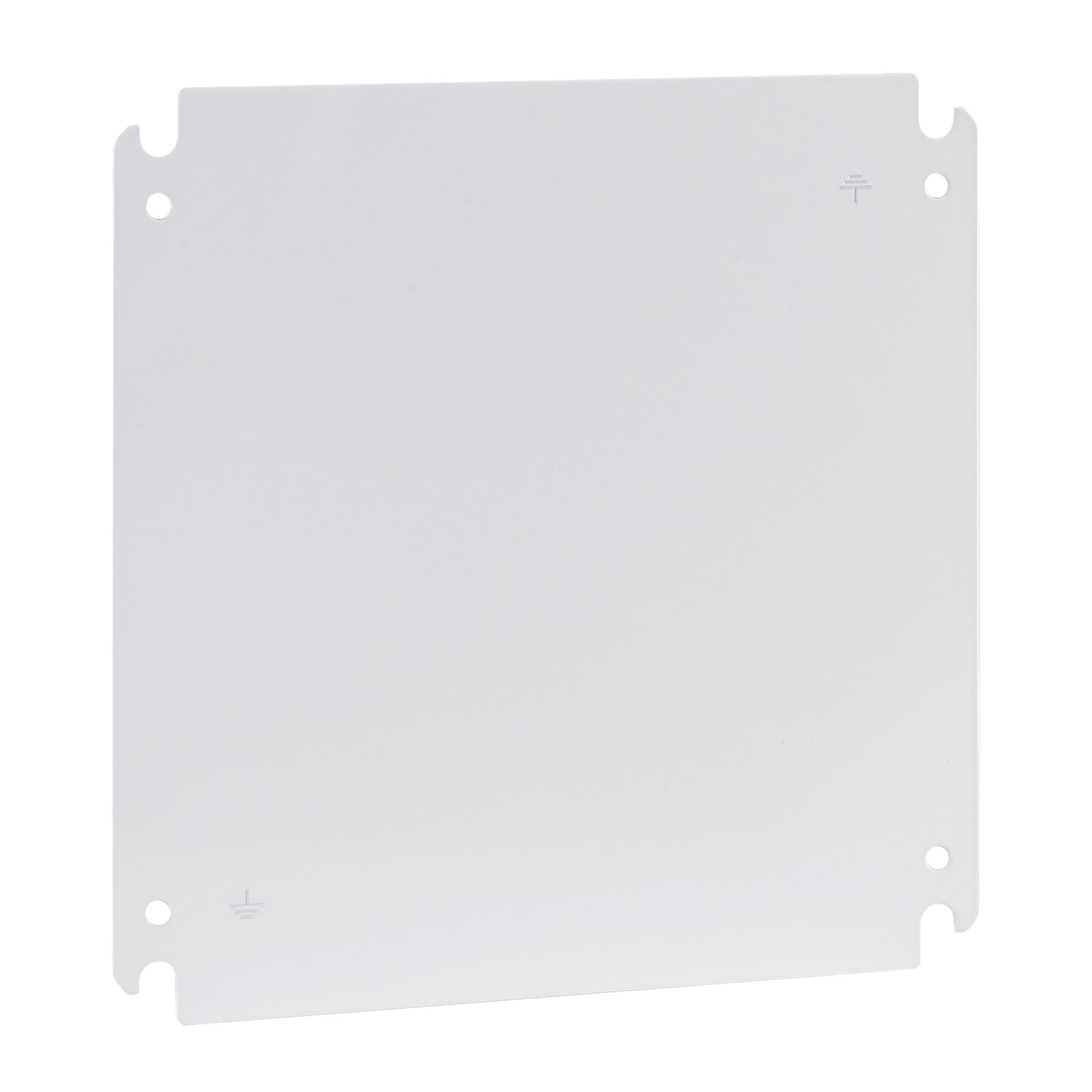
The CP4050 is an internal panel component manufactured by Hoffman Enclosures, Inc., designed for integration within the Concept HMI enclosure series. It serves as a mounting surface for Human-Machine Interface (HMI) devices and control components. The panel is constructed from steel material and features a white finish to provide a clean visual background for interface displays. Its physical dimensions are specified as 40.00 inches in length by 50.00 inches in width, ensuring compatibility with the designated enclosure footprint. This accessory facilitates organized installation of operational controls.
Verify that the target enclosure belongs to the Hoffman Concept HMI series before procurement, as this panel is dimensionally specific to that line. Confirm the required dimensions of 40.00 x 50.00 inches match the project specifications. Ensure the steel construction and white finish align with environmental and aesthetic requirements. Cross-reference the manufacturer part number CP4050 with official Hoffman documentation to confirm current availability and technical validity.
Select the CP4050 only when utilizing Hoffman Concept HMI enclosures requiring a 40x50 inch internal mounting plane. Consider the steel material properties for structural support of heavy HMI units. Evaluate the white finish against lighting conditions and readability needs. Compare against other internal accessories if additional mounting configurations are required beyond standard HMI placement.
This component belongs to the Hoffman Enclosures accessory portfolio, specifically tailored for the Concept HMI product line. It functions as a critical sub-assembly enabling the integration of user interfaces into industrial protection housings. The part complements the main enclosure structure by providing a standardized interface for electronic display and control hardware.
No public confirmed substitute part numbers are available for the CP4050. Due to its specific dimensional and functional design for the Concept HMI series, alternative panels may not ensure proper fit or compatibility.
 CP4050
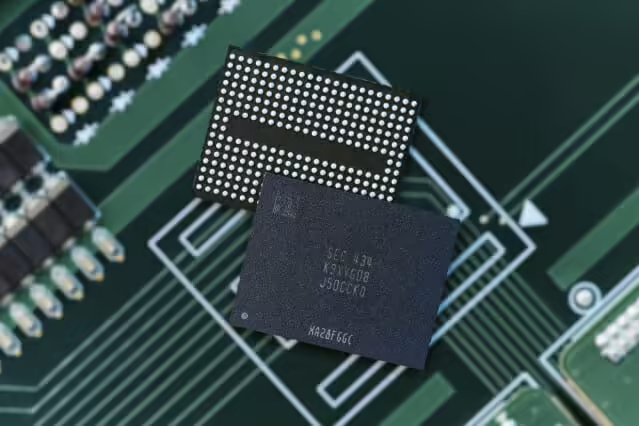
Recently, the global electronic component market has witnessed complex and changeable trends. In the memory chip sector, the wave of price increases continues to…
Read More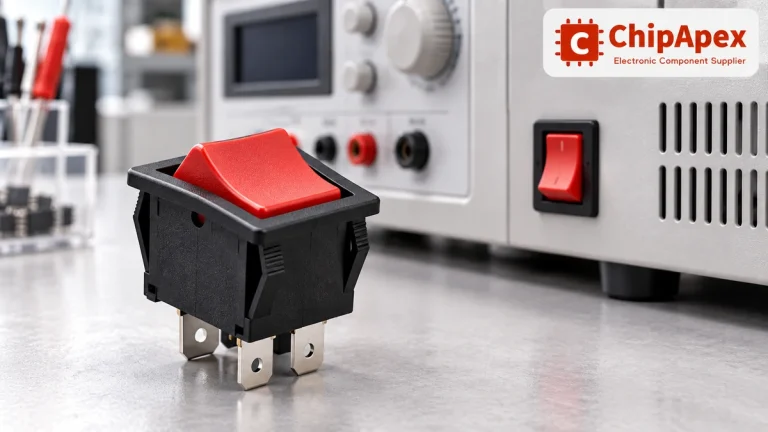
Choose a rocker switch by AC/DC ratings, contact arrangement, illumination, panel fit and sealing. Get practical checks for engineering and component sourcing.
Read More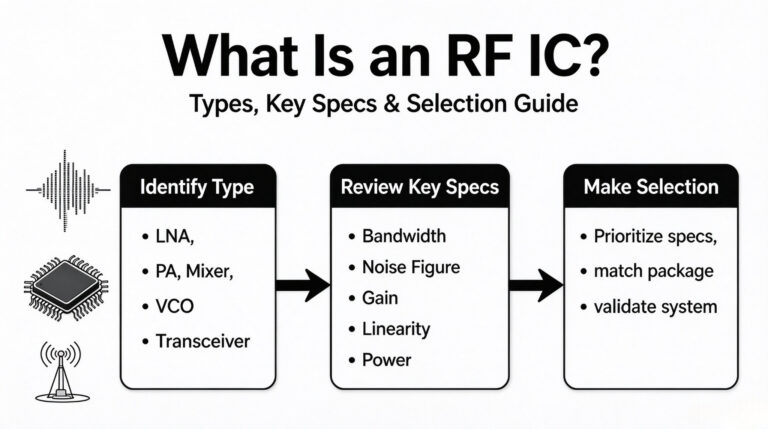
An RF IC, or radio-frequency integrated circuit, is a chip that processes wireless signals between the antenna and the baseband processor. Instead of building…
Read More
Recently, the global electronic component market has witnessed a series of new developments. The strategic layouts and market collaborations of major enterprises are constantly…
Read More
Learn how rectifiers convert AC to DC, compare half-wave and bridge circuits, and select voltage, current, recovery and thermal ratings for your design.
Read More
Understand voltage controlled oscillator tuning, phase noise and PLL operation. Check supply noise, output loading and requirements before selection.
Read More
Learn what data acquisition means, from sensors and conditioning to sampling and storage. Review channel timing, wiring, calibration and data quality.
Read More
Learn why PTC resistance rises with temperature, how it differs from NTC, and which ratings matter for sensing and protection.
Read More
Embedded Integrated Circuit Modules: The Backbone of Modern Technology Embedded Integrated Circuit Modules (EICMs) have become an indispensable part of modern technology. Serving as…
Read More
Recently, the global electronic components market has been constantly evolving, and different regions and enterprises have witnessed new moves in aspects such as technological…
Read More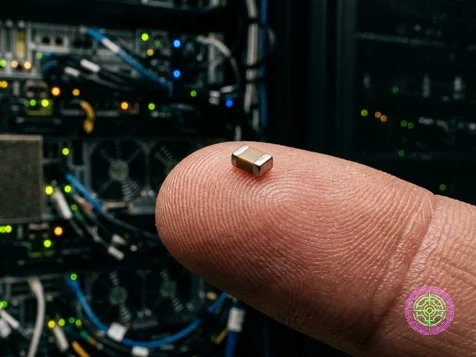
The multilayer ceramic capacitor (MLCC) market has fallen into a severe structural supply crunch in the third quarter of 2026, driven by explosive demand…
Read More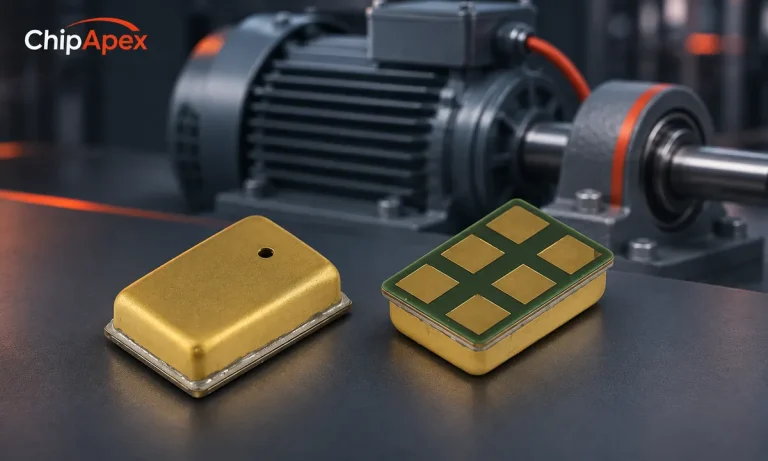
Choose a vibration sensor for machine monitoring. Compare sensing methods, bandwidth, noise and mounting, then define the signal-chain requirements.
Read More
The activity of extra discounts on wholesale prices is in full swing…
Please fill in your contact information and we will send you the latest wholesale price list.