ChipApex | Global Electronic Components Supplier

SEARCH
Search Product
Search Post
— IC芯片 | 连接器 | 传感器 | 被动器件 —
Search productSearch post
— IC芯片 | 连接器 | 传感器 | 被动器件 —
Consult the customer manager about the wholesale price.
consultation hotline:86-132-6715-2157
email:[email protected]
Contact the product manager for consultation. One-stop consultation is available.
Do you want a lower wholesale price? Please send us your inquiry and we will reply immediately.
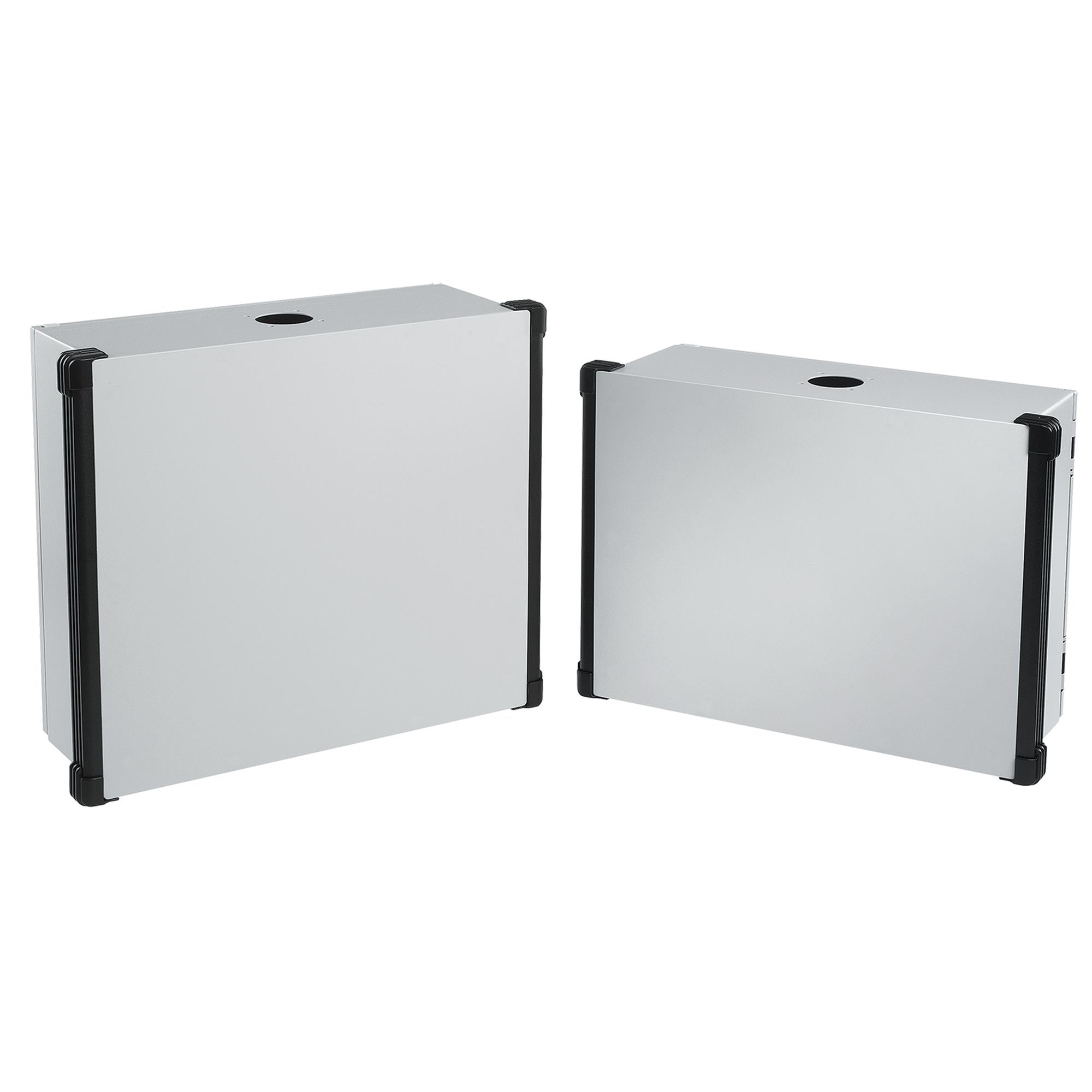
The Hoffman Enclosures CP525530 is a wall-mountable electrical enclosure constructed from polycarbonate. It features a translucent design that allows for visual inspection of internal components without opening the unit. The enclosure provides environmental protection against dust and water ingress, rated IP65 when properly sealed. It includes a hinged door with a quarter-turn fastener mechanism for secure access. The unit is designed for indoor or protected outdoor use in industrial environments.
Verify the specific IP rating requirements against the intended installation environment. Ensure mounting hardware is compatible with the pre-drilled holes in the enclosure base. Confirm that internal component dimensions fit within the specified internal volume. Check for any additional gasket requirements if operating in high-humidity conditions. Validate compliance with local electrical safety standards for the application.
Select this model when visual inspection of internal components is required without compromising enclosure integrity. Consider the polycarbonate material for its impact resistance and UV stability compared to metal alternatives. Evaluate the need for additional knockouts or cable glands based on wiring complexity. Compare internal dimensions against the largest installed component to ensure adequate clearance for heat dissipation and maintenance.
This part belongs to the Hoffman Enclosures line of industrial protective housings. It is designed as a standalone solution for protecting sensitive electronics from environmental hazards. The product series typically offers various sizes and materials to suit different industrial needs. It complements other Hoffman accessories such as DIN rails and terminal blocks.
No direct public substitute part numbers are confirmed for this specific model. Alternative enclosures must be evaluated based on matching internal dimensions, material properties, and IP ratings. Verify that any replacement meets the same mechanical and environmental performance standards.
 CP525530
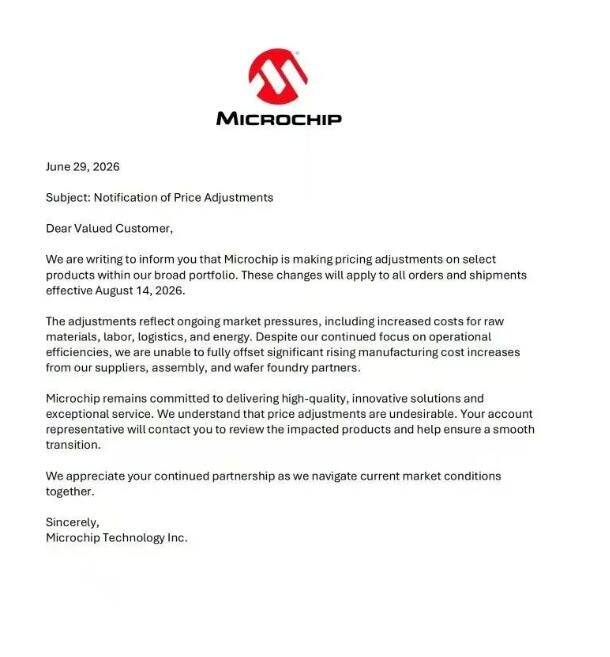
Tempe, Arizona‑based semiconductor giant Microchip Technology has formally rolled out selective product price increases across its MCU, power‑management IC, memory controller and analog component…
Read More
Learn the relay definition, coil and contact operation, NO and NC forms, load ratings and suppression choices. Compare mechanical, reed and solid-state types.
Read More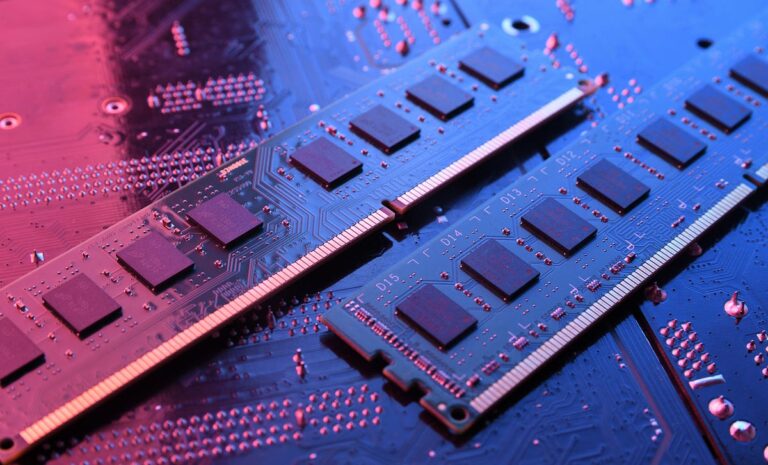
In the world of electronics, memory components play a critical role in system performance—and DRAM (Dynamic Random-Access Memory) is one of the most widely…
Read More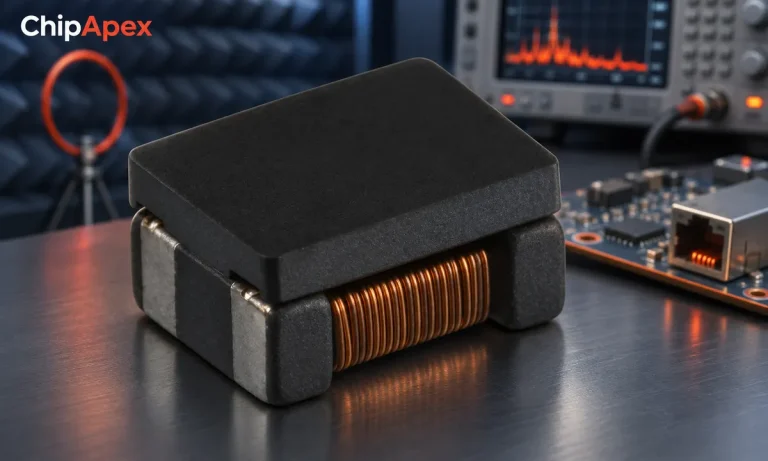
Select a common mode choke using noise frequency, current, insulation and signal integrity. Understand impedance curves, layout and filter limitations.
Read More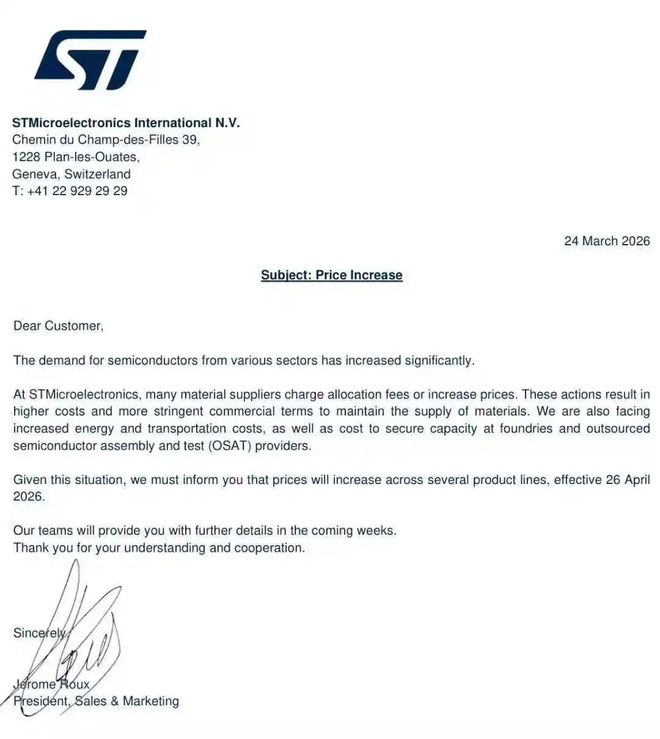
Geneva, Switzerland – March 25, 2026 – STMicroelectronics N.V. (NYSE: STM), a global semiconductor leader serving customers across the electronics applications spectrum, has announced…
Read More
If you’ve spent any time staring at a schematic, you’ve seen the triangle. Two inputs, one output, and a gain symbol that looks deceptively…
Read More
On September 22nd, it was reported that Samsung Electronics, the South Korean tech giant, had successfully passed NVIDIA’s certification test for its 12-layer HBM3E…
Read More
The multilayer ceramic capacitor (MLCC) market has fallen into a severe structural supply crunch in the third quarter of 2026, driven by explosive demand…
Read More
Recently, a survey by the Electronic Components Industry Association (ECIA) revealed that the sales sentiment of global electronic components remained optimistic in the third…
Read More
Compare thermistors, RTDs, thermocouples and temperature ICs. Learn how range, accuracy, response, interfaces and mounting affect component selection.
Read More
Over the past week, the global electronic components sector has witnessed dual transformations in policy and technology: Coupled with mounting pressure from a worsening…
Read More
Understand how oscillators generate timing signals, how they differ from crystals, and which frequency, output and stability specs matter when choosing one.
Read More
The activity of extra discounts on wholesale prices is in full swing…
Please fill in your contact information and we will send you the latest wholesale price list.