ChipApex | Global Electronic Components Supplier

SEARCH
Search Product
Search Post
— IC芯片 | 连接器 | 传感器 | 被动器件 —
Search productSearch post
— IC芯片 | 连接器 | 传感器 | 被动器件 —
Consult the customer manager about the wholesale price.
consultation hotline:86-132-6715-2157
email:[email protected]
Contact the product manager for consultation. One-stop consultation is available.
Do you want a lower wholesale price? Please send us your inquiry and we will reply immediately.
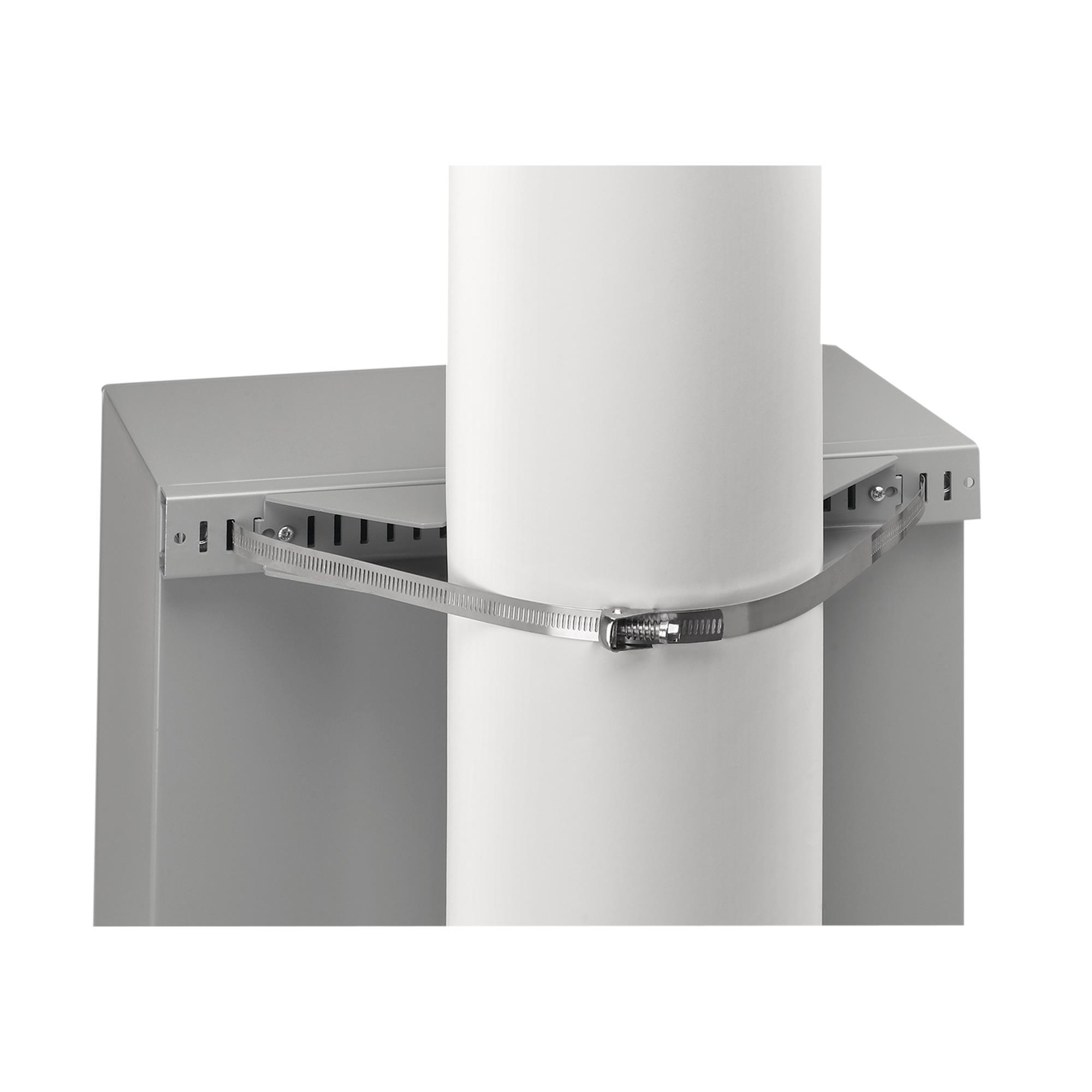
The CPMK24 is a pole-mounting kit manufactured by Hoffman Enclosures, Inc. It is designed to secure Concept, Networking, and wall-mount enclosures to poles of varying shapes and sizes. The kit features mild steel construction with a powder-coated gray finish compliant with ANSI 61 standards. It includes a plated steel channel bar for attachment. This accessory facilitates outdoor or elevated installation scenarios where standard wall mounting is not feasible.
Verify that the target enclosure dimensions align with the CPMK24 specifications before purchase. Confirm that the installation site has suitable pole infrastructure compatible with the kit's mounting mechanism. Ensure the required enclosure series (Concept, Networking, or wall-mount) is identified to guarantee mechanical compatibility. Check local environmental conditions against the powder-coated finish ratings.
Select this kit when vertical pole mounting is required for Hoffman Concept, Networking, or wall-mount enclosures. It serves as a direct solution for elevating equipment above ground level. Ensure the chosen enclosure model is listed as compatible within the official documentation. Consider structural load requirements of the supporting pole during system design.
This component belongs to the Hoffman Enclosures accessory line, specifically categorized under mounting hardware. It complements the main enclosure units rather than functioning as an independent protective housing. The product supports industrial infrastructure projects requiring robust, standardized mounting solutions for electrical control and distribution panels.
Public confirmed substitute part numbers are not available in the provided documentation. Verify compatibility with existing pole structures before attempting substitution. Consult manufacturer catalogs for alternative mounting kits if specific dimensional constraints differ.
 CPMK24
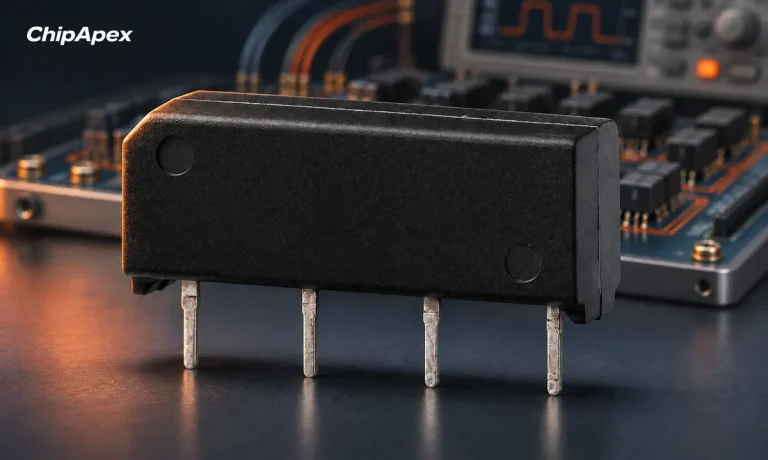
Choose a reed relay for signal switching. Understand hot and cold switching, leakage, contact resistance, isolation and measurement settling requirements.
Read More
In the embedded world, general-purpose CPUs are great at running operating systems, and MCUs excel at logic control. But when you need to process…
Read More
In an era dominated by AI accelerators with terabytes of HBM memory and consumer devices racing toward LPDDR5X bandwidth, it’s easy to wonder: why…
Read More
Choose a DIP switch by contact type, coded positions, footprint and signal ratings. Check logic polarity, assembly conditions and PCB configuration behavior.
Read More
In the vast landscape of memory technology, EEPROM (Electrically Erasable Programmable Read-Only Memory) often plays the unsung hero. While NAND Flash grabs headlines for…
Read More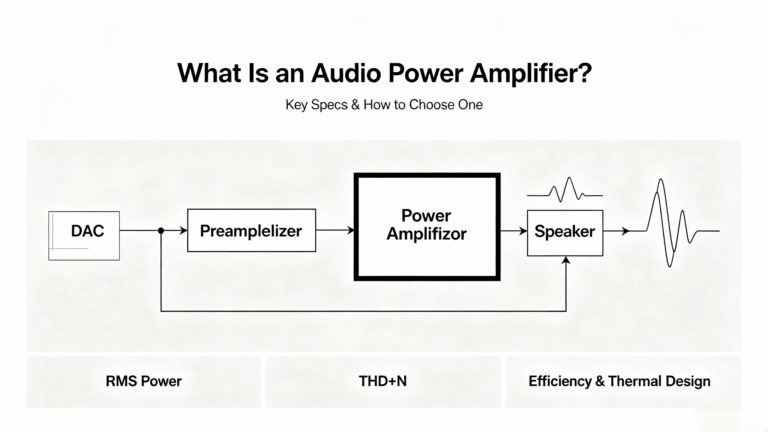
Every audio power amplifier design starts with the same fundamental challenge: converting a low-voltage line-level signal into the high-current drive required by a reactive…
Read More
Select a bridge rectifier by reverse voltage, capacitor charging current, startup surge and cooling. Work through a stated DC voltage and ripple example.
Read More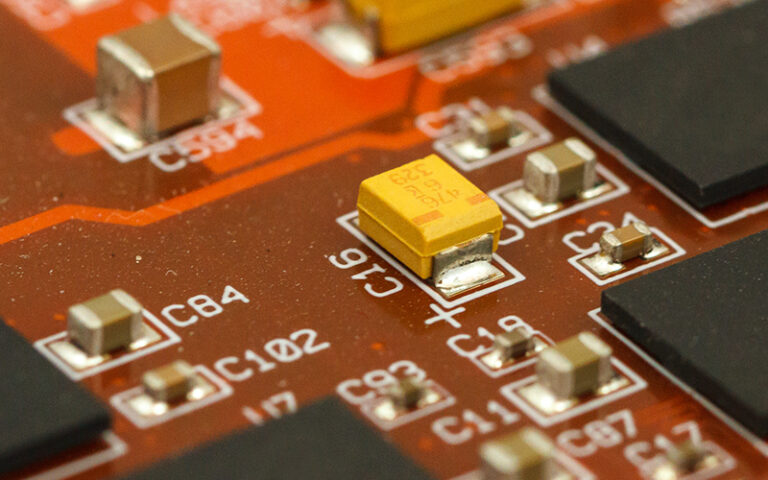
The global electronics industry is facing an escalating shortage of tantalum capacitors, a critical passive component, as surging demand from AI servers, automotive electronics,…
Read More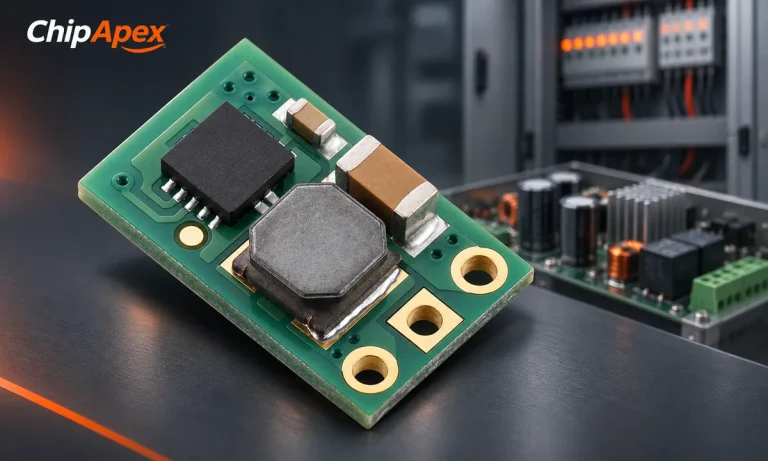
Select a DC-DC converter by input range, topology, isolation and temperature. Compare ripple, efficiency and load limits before choosing a component.
Read More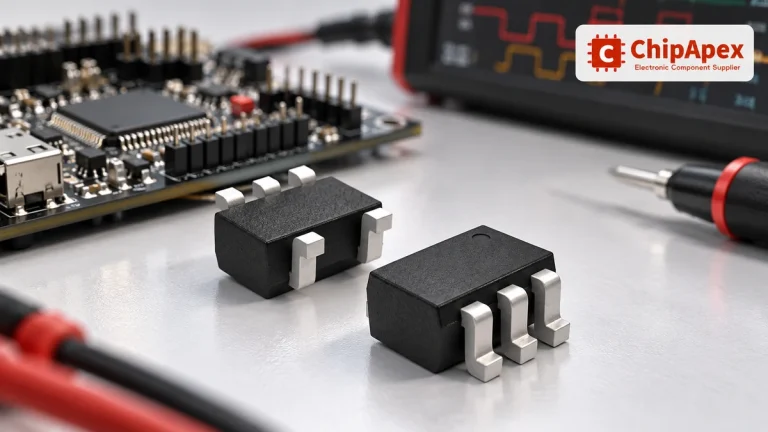
Choose logic inverter ICs by thresholds, supply, output drive and delay. Compare standard and Schmitt-trigger inputs, power sequencing and replacement checks.
Read More
WILMINGTON, Mass. – July 3, 2026 – Analog Devices, Inc. (ADI), the global leading supplier of high-performance analog, mixed-signal and signal processing semiconductors, has…
Read More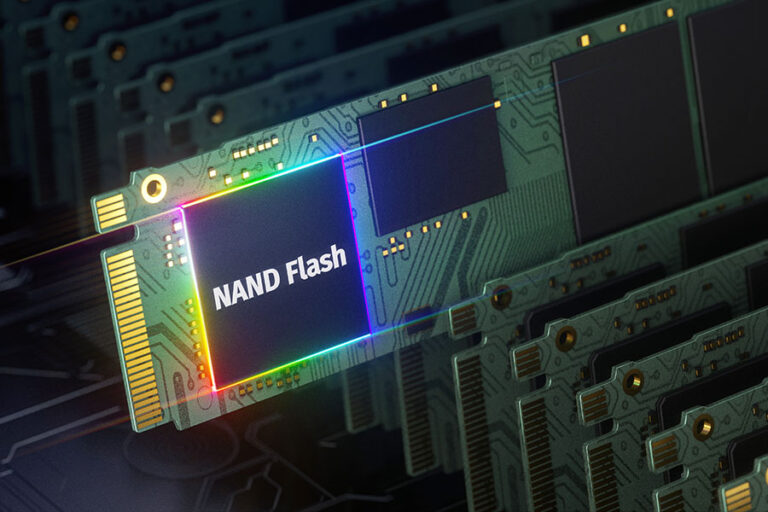
What Is NAND Flash? A Practical Guide for Engineers & Procurement Teams In today’s data-driven world—from smartphones and SSDs to industrial IoT devices—NAND flash…
Read More
The activity of extra discounts on wholesale prices is in full swing…
Please fill in your contact information and we will send you the latest wholesale price list.