ChipApex | Global Electronic Components Supplier

SEARCH
Search Product
Search Post
— IC芯片 | 连接器 | 传感器 | 被动器件 —
Search productSearch post
— IC芯片 | 连接器 | 传感器 | 被动器件 —
Consult the customer manager about the wholesale price.
consultation hotline:86-132-6715-2157
email:[email protected]
Contact the product manager for consultation. One-stop consultation is available.
Do you want a lower wholesale price? Please send us your inquiry and we will reply immediately.
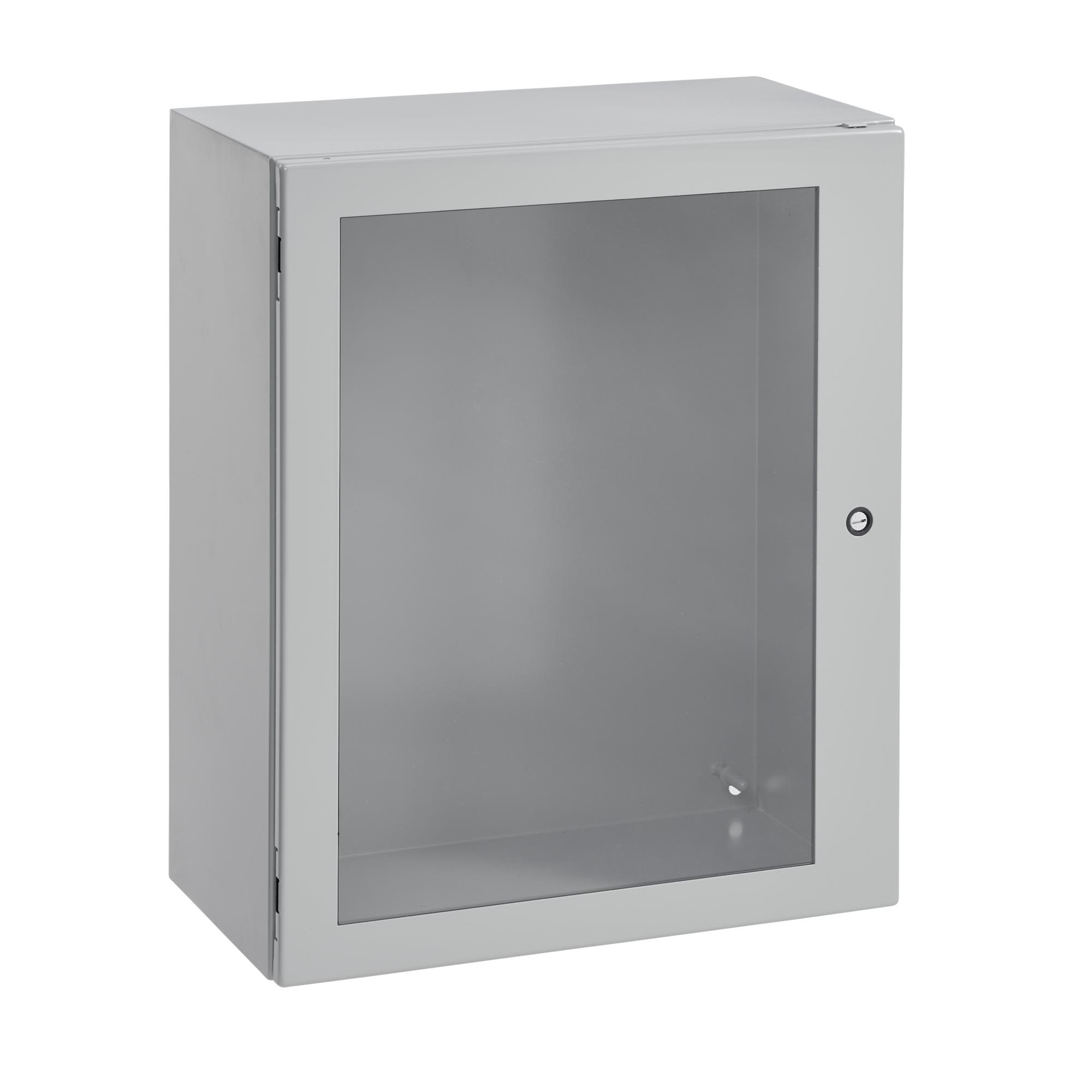
The Hoffman Enclosures CSD30248WLG is a wall-mount electrical enclosure designed for industrial environments. It features a steel construction with a light gray finish and includes a hinged door equipped with a viewing window. The unit measures 30.00 inches in length, 24.00 inches in width, and 8.00 inches in depth. It provides protection ratings of NEMA 1, 2, 4, 12, and 13, along with IP66 compliance and UL 508A recognition.
Verify that the specific order matches the CSD30248WLG part number exactly, as suffixes indicate variations in door style or material. Confirm dimensional requirements against the 30x24x8 inch specification before installation planning. Ensure compatibility with existing mounting hardware and internal layout needs. Check for any regional certification requirements such as UL or CE marking if applicable to the final assembly location.
Select this model when a combination of NEMA 12 dust-tight protection and visual access via a window is required. The 8-inch depth accommodates standard industrial components while maintaining a compact footprint. Consider the steel construction for general industrial use where corrosion resistance is not the primary concern compared to stainless steel alternatives.
This unit belongs to the Eclipse series of wall-mount enclosures manufactured by Hoffman Enclosures, Inc., now part of Hammond Manufacturing. The series offers standardized dimensions and protection ratings for common industrial applications. The CSD prefix typically denotes a steel enclosure with a hinged door configuration.
Direct replacements may include models with identical external dimensions but different door styles, such as fixed covers or swing-out doors. Verify that substitute parts maintain the same NEMA 4, 12, and 13 ratings and IP66 classification to ensure equivalent environmental protection levels.
 CSD30248WLG
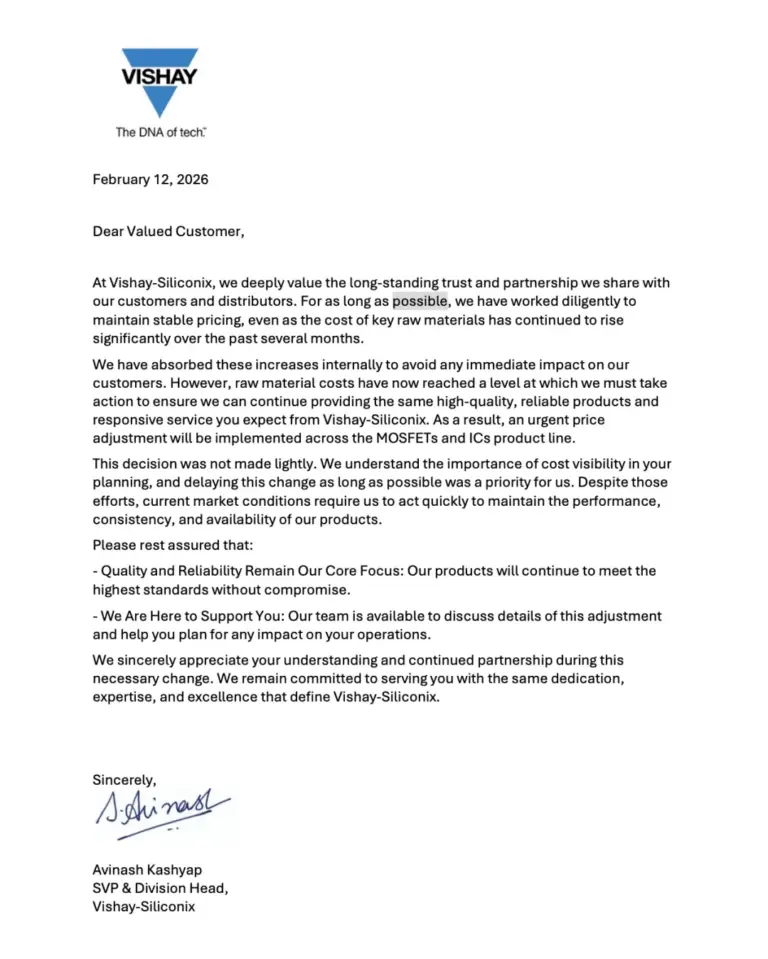
Vishay Intertechnology, Inc., a global leader in discrete semiconductors and passive electronic components, has officially announced a price adjustment for its Metal-Oxide-Semiconductor Field-Effect Transistors…
Read More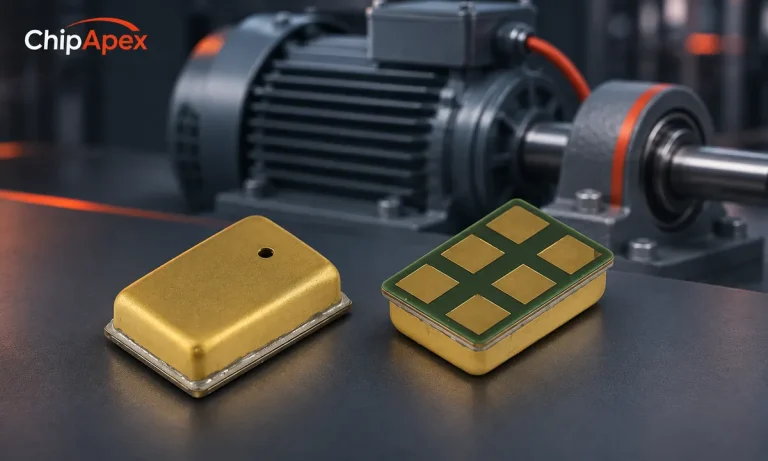
Choose a vibration sensor for machine monitoring. Compare sensing methods, bandwidth, noise and mounting, then define the signal-chain requirements.
Read More
Compare RC, crystal and MEMS oscillator circuits. Check ppm, jitter, load capacitance, startup margin and output compatibility before choosing a clock source.
Read More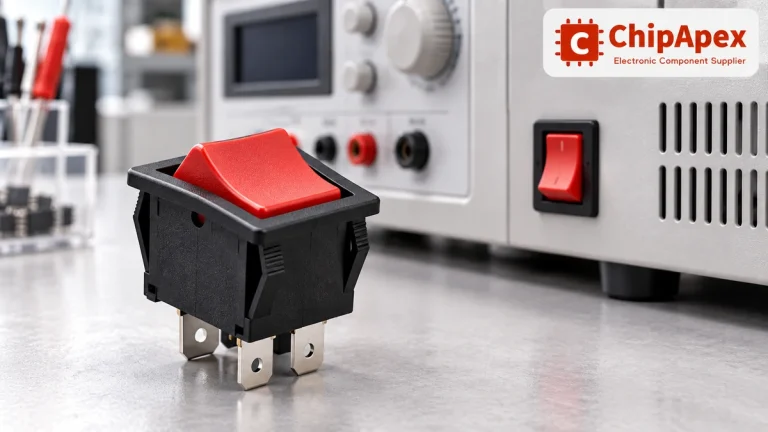
Choose a rocker switch by AC/DC ratings, contact arrangement, illumination, panel fit and sealing. Get practical checks for engineering and component sourcing.
Read More
Choose a DIP switch by contact type, coded positions, footprint and signal ratings. Check logic polarity, assembly conditions and PCB configuration behavior.
Read More
Selecting the right microcontroller (MCU) isn’t just about specs—it’s about balancing performance, power, cost, and supply chain reliability. As an engineer, you’ve probably faced…
Read More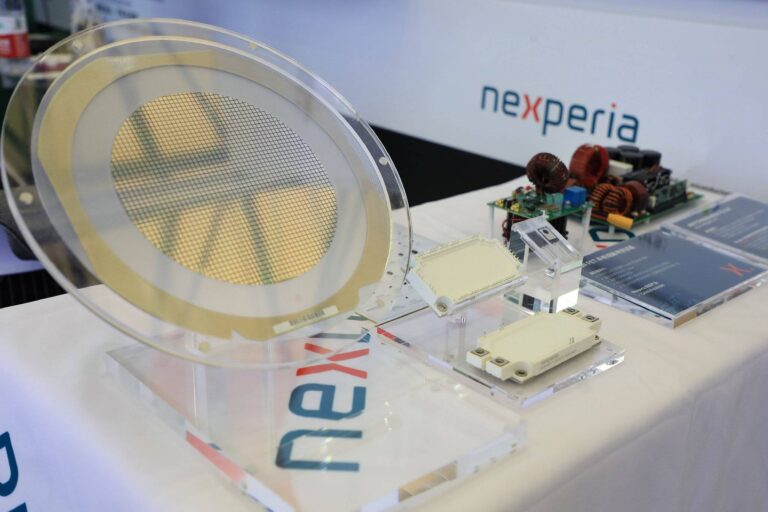
Dutch authorities announced on November 7 the lifting of control measures on Nexperia (formerly NXP Semiconductors’ Standard Products division), marking the end of a…
Read More
TOKYO, April 15, 2026 – Taiyo Yuden Co., Ltd. (TAIYO YUDEN), a leading global manufacturer of passive electronic components, has officially notified its worldwide…
Read More
Learn how a diode conducts, how to identify anode and cathode, and when to choose rectifier, TVS, Zener or photodiode types for a circuit.
Read More
Hsinchu, Taiwan – April 18, 2026 – United Microelectronics Corporation (UMC, NYSE: UMC), a leading global semiconductor foundry specializing in mature process technologies, has…
Read More
Understand how oscillators generate timing signals, how they differ from crystals, and which frequency, output and stability specs matter when choosing one.
Read More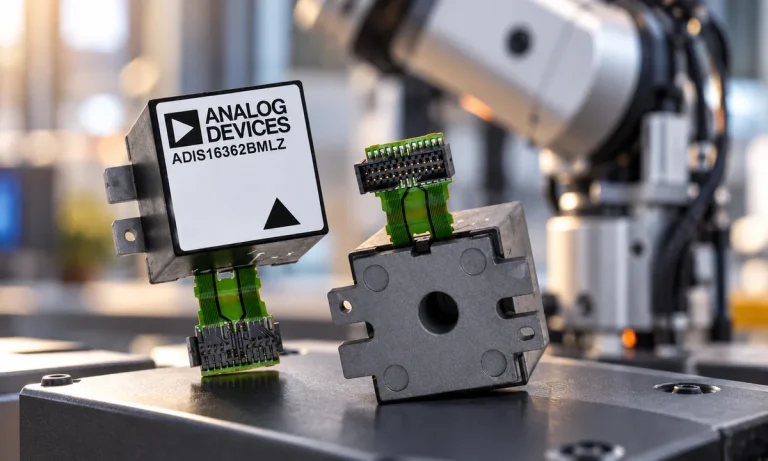
Learn what an IMU measures, how accelerometers and gyroscopes work together, why orientation estimates drift, and what to compare.
Read More
The activity of extra discounts on wholesale prices is in full swing…
Please fill in your contact information and we will send you the latest wholesale price list.