ChipApex | Global Electronic Components Supplier

SEARCH
Search Product
Search Post
— IC芯片 | 连接器 | 传感器 | 被动器件 —
Search productSearch post
— IC芯片 | 连接器 | 传感器 | 被动器件 —
Consult the customer manager about the wholesale price.
consultation hotline:86-132-6715-2157
email:[email protected]
Contact the product manager for consultation. One-stop consultation is available.
Do you want a lower wholesale price? Please send us your inquiry and we will reply immediately.
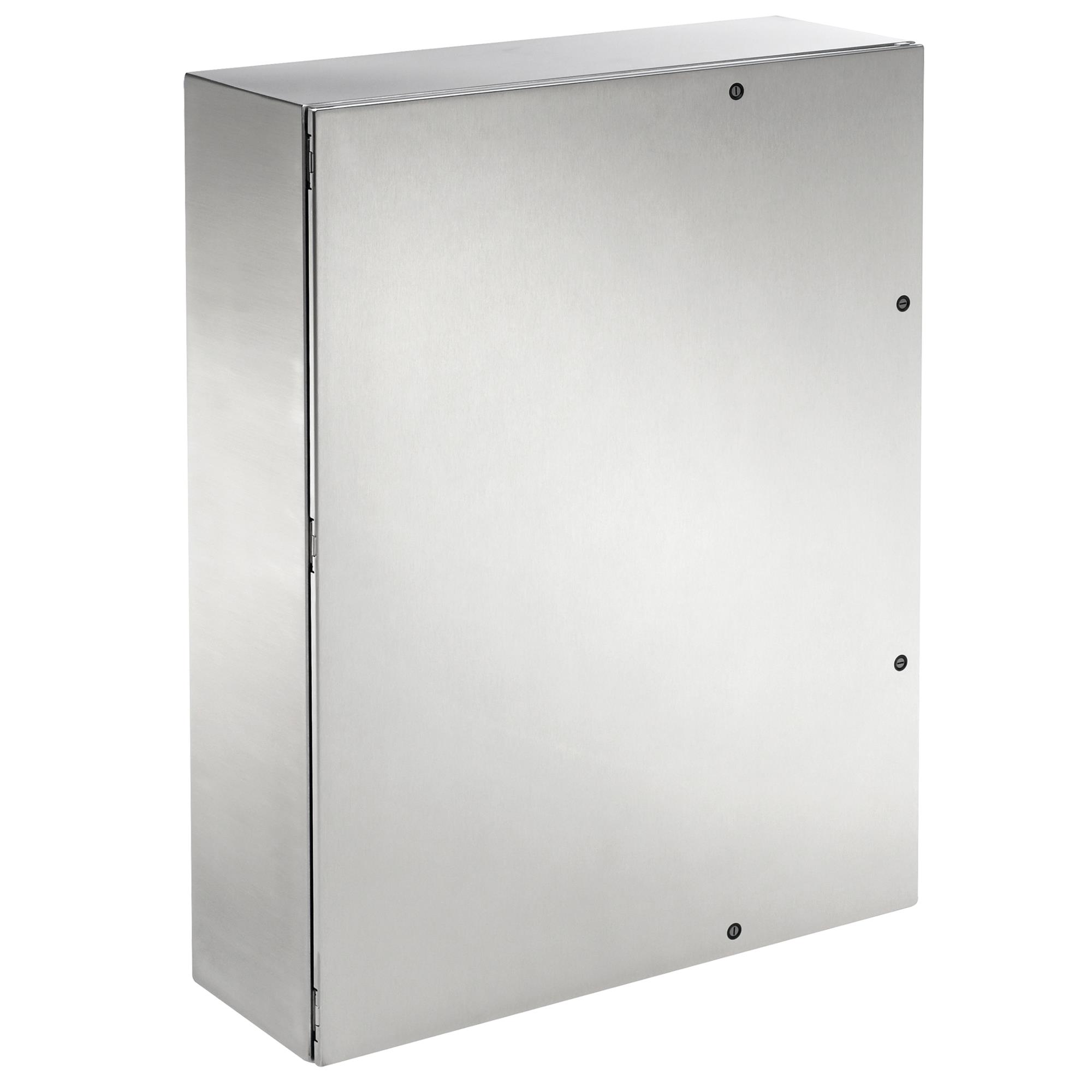
The Hoffman Enclosures CSD723016SSR is a wall-mount enclosure constructed from 304 stainless steel with a smooth brushed finish. It measures 72 inches in height, 30 inches in width, and 16 inches in depth. The unit features a solid door design secured by quarter-turn latches. It provides protection ratings of NEMA 3R, 4, 4X, 12, 13, and IP66. Seams are continuously welded and ground smooth to ensure integrity.
Verify the specific NEMA rating requirements against the component's certified specifications before procurement. Confirm that the 304 stainless steel material meets the environmental corrosion resistance needs of the installation site. Ensure the 72x30x16 inch dimensions fit the designated mounting space. Check for any additional accessory requirements such as internal mounting plates or cable glands not included in the base unit.
Select this model when both mechanical durability and environmental sealing are critical. The 304 stainless steel composition offers superior resistance compared to standard carbon steel options. The 16-inch depth accommodates larger components within the enclosure. The quarter-turn latch mechanism facilitates rapid access while maintaining the sealed integrity required for NEMA 4X and IP66 compliance in harsh operating conditions.
This component belongs to the nVent Hoffman CONCEPT series of wall-mount enclosures. The series is designed for robust industrial applications where standard aluminum or painted steel units may fail due to corrosion or physical impact. The CSD designation indicates a stainless steel construction variant within the broader Concept product line, emphasizing long-term reliability in aggressive environments.
Direct substitutes must match the 304 stainless steel material and identical external dimensions of 72x30x16 inches. Verify that alternative models maintain the same NEMA 4X and IP66 certification levels. Ensure the replacement unit includes equivalent quarter-turn latch mechanisms and seamless welding construction to preserve the original performance characteristics.
 CSD723016SSR

Learn why PTC resistance rises with temperature, how it differs from NTC, and which ratings matter for sensing and protection.
Read More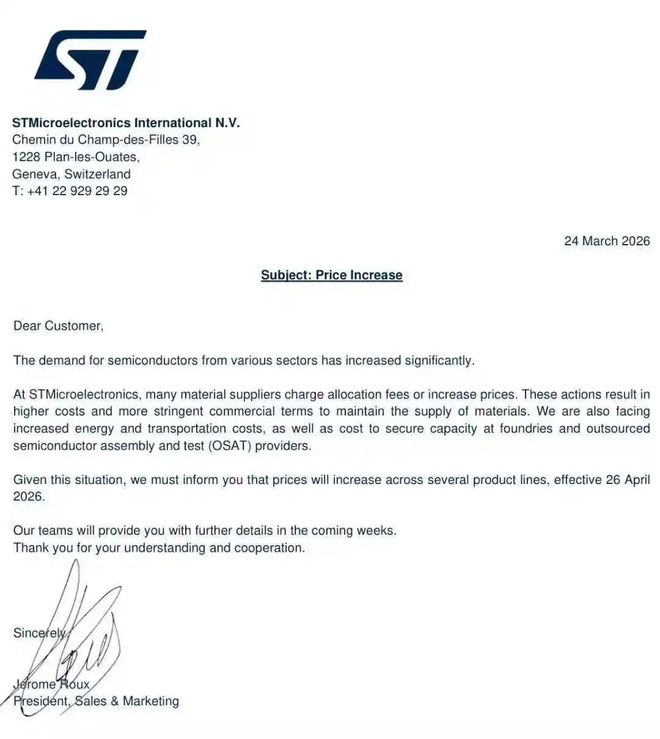
Geneva, Switzerland – March 25, 2026 – STMicroelectronics N.V. (NYSE: STM), a global semiconductor leader serving customers across the electronics applications spectrum, has announced…
Read More
Manchester, New Hampshire, USA – March 22, 2026 – Allegro MicroSystems, Inc. (Nasdaq: ALGM), a global leader in high-performance power and sensing semiconductor solutions…
Read More
Recently, a survey by the Electronic Components Industry Association (ECIA) revealed that the sales sentiment of global electronic components remained optimistic in the third…
Read MoreA digital-to-analog converter (DAC) turns a digital number into an analog voltage or current. It lets a controller set a physical output, such as…
Read More
Choose an ADC converter by resolution, sample rate, noise and input design. Review practical tradeoffs and prepare component requirements for ChipApex.
Read More
See how a MEMS gyroscope measures angular rate, why its angle estimate drifts, and which range, noise, interface and temperature specs to compare.
Read More
The rapid advancement of artificial intelligence (AI) is transforming industries across the globe, and the world of electronic components is no exception. From smarter…
Read More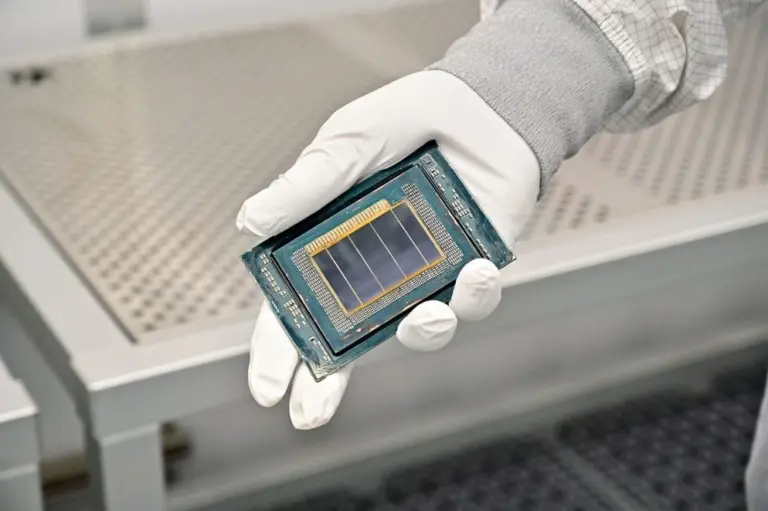
Recently, global semiconductor manufacturers have been constantly taking actions and presenting numerous new developments in aspects such as process technology and product research and…
Read More
Learn the relay definition, coil and contact operation, NO and NC forms, load ratings and suppression choices. Compare mechanical, reed and solid-state types.
Read More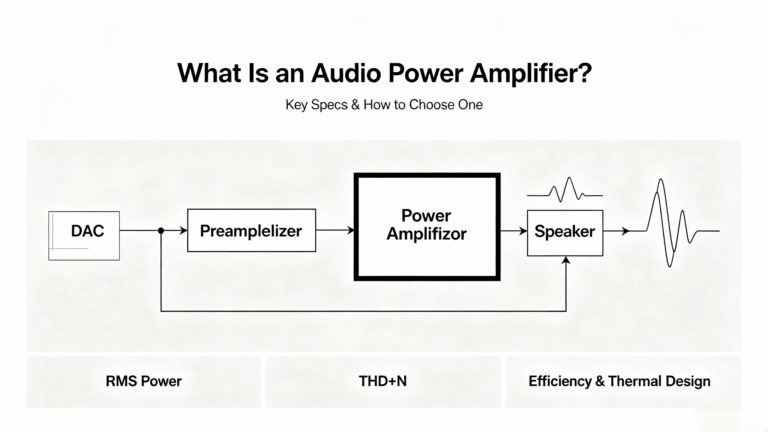
Every audio power amplifier design starts with the same fundamental challenge: converting a low-voltage line-level signal into the high-current drive required by a reactive…
Read More
May 4, 2026 — The global power semiconductor market is grappling with a worsening supply crunch, as lead times for key components have extended…
Read More
The activity of extra discounts on wholesale prices is in full swing…
Please fill in your contact information and we will send you the latest wholesale price list.