ChipApex | Global Electronic Components Supplier

SEARCH
Search Product
Search Post
— IC芯片 | 连接器 | 传感器 | 被动器件 —
Search productSearch post
— IC芯片 | 连接器 | 传感器 | 被动器件 —
Consult the customer manager about the wholesale price.
consultation hotline:86-132-6715-2157
email:[email protected]
Contact the product manager for consultation. One-stop consultation is available.
Do you want a lower wholesale price? Please send us your inquiry and we will reply immediately.
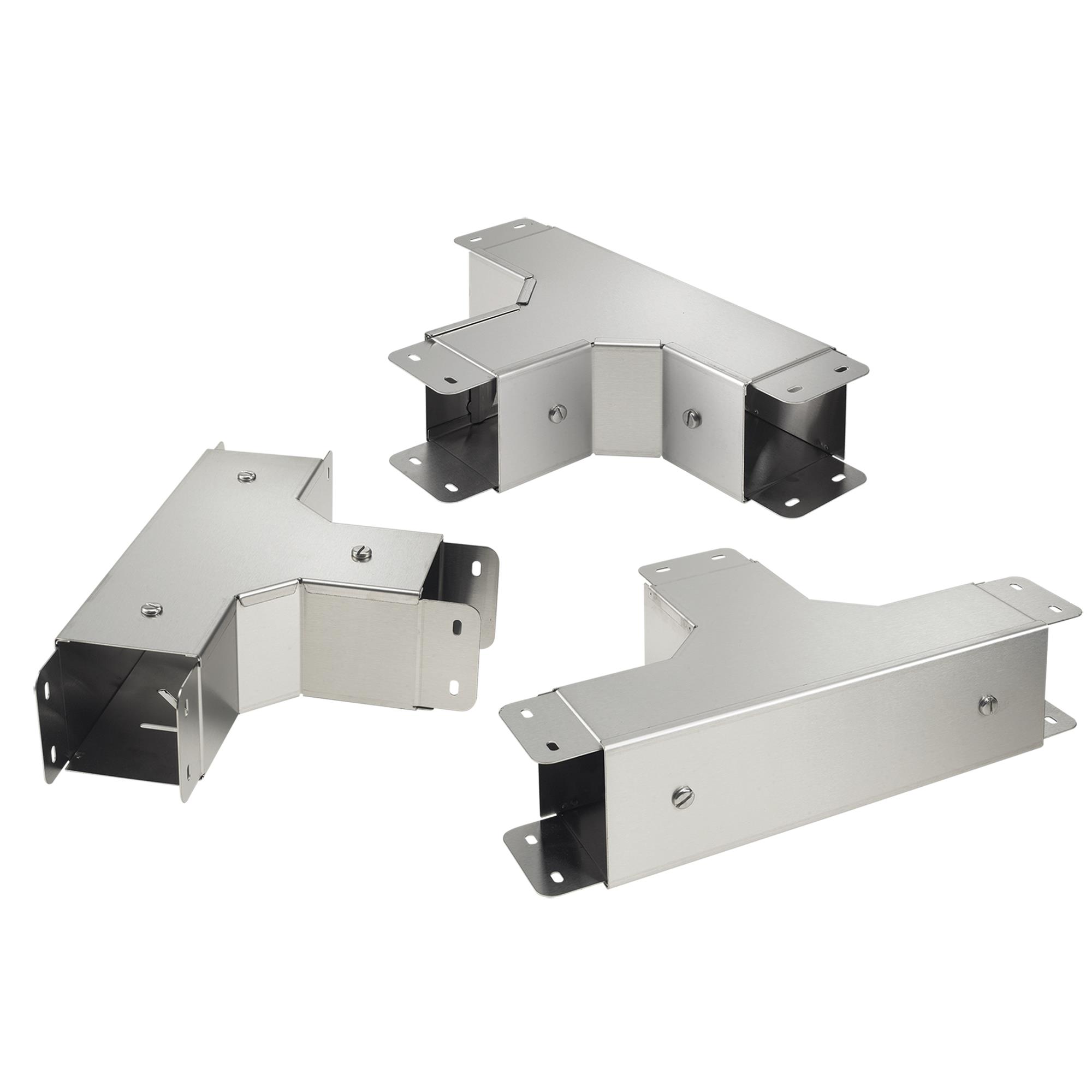
The CT33TFCSS is a 90-degree tee fitting for the CleanTray cable tray system, manufactured by Hoffman Enclosures, Inc. Constructed from Type 304 stainless steel, it features an integrated front cover designed for indoor use in frequent washdown environments. The component provides a right-angle connection point within wireway installations. Overall dimensions include a height of 9 inches and a width corresponding to the 3-inch tray series. It supports two 90-degree turns, facilitating complex routing configurations while maintaining structural integrity and corrosion resistance suitable for demanding industrial settings.
Verify the specific application environment matches the product's design for frequent washdown conditions. Confirm that the required tray width aligns with the 3-inch series specifications. Ensure the installation location is strictly indoor, as the product designation indicates indoor suitability. Cross-reference the part number with official manufacturer documentation to confirm current availability status and any potential supply chain variations.
Select this component when a 90-degree tee configuration is required within a stainless steel cable tray network. It is appropriate for projects prioritizing hygiene and corrosion resistance due to the Type 304 material and front cover design. Consider this option for layouts necessitating multiple right-angle turns in washdown zones. Ensure compatibility with adjacent straight runs and other fittings within the same CleanTray series.
This item belongs to the nVent Hoffman CleanTray series, which specializes in cable management solutions for hygienic and corrosive environments. The CT33TFCSS serves as a critical junction piece within this modular system. It complements other fittings like elbows and straight sections to create robust wiring pathways. The series is widely recognized in industries requiring strict cleanliness standards and durable metal infrastructure.
Public confirmed substitute part numbers are not available in the provided documentation. Verify compatibility with existing tray widths before considering alternative manufacturers. Consult official engineering catalogs for cross-referenced equivalents if the original part is discontinued.
 CT33TFCSS
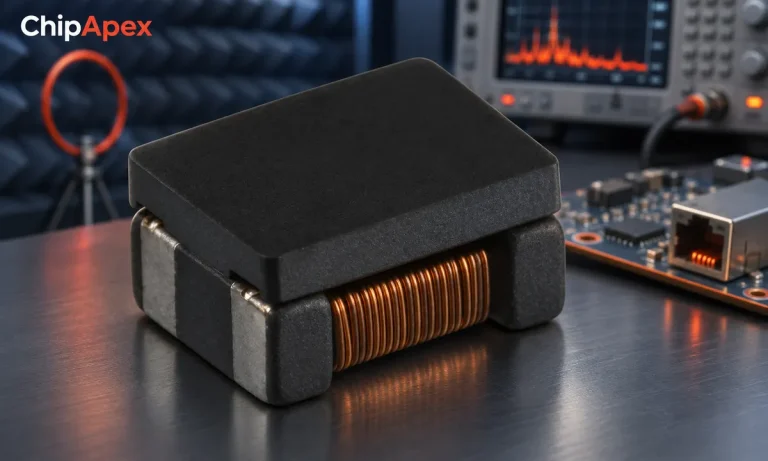
Select a common mode choke using noise frequency, current, insulation and signal integrity. Understand impedance curves, layout and filter limitations.
Read More
Understand tactile switches, PCB and keyboard differences, four-pin wiring, debounce, force, travel and replacement checks for reliable control inputs.
Read More
Choose an AC to DC converter by input range, output demand, isolation, efficiency and thermal derating. Compare architectures and check installation needs.
Read More
Wilmington, Mass. & Milpitas, Calif. – May 19, 2026 – Analog Devices, Inc. (NASDAQ: ADI), a global leader in high-performance analog and mixed-signal semiconductors,…
Read MoreA digital-to-analog converter (DAC) turns a digital number into an analog voltage or current. It lets a controller set a physical output, such as…
Read More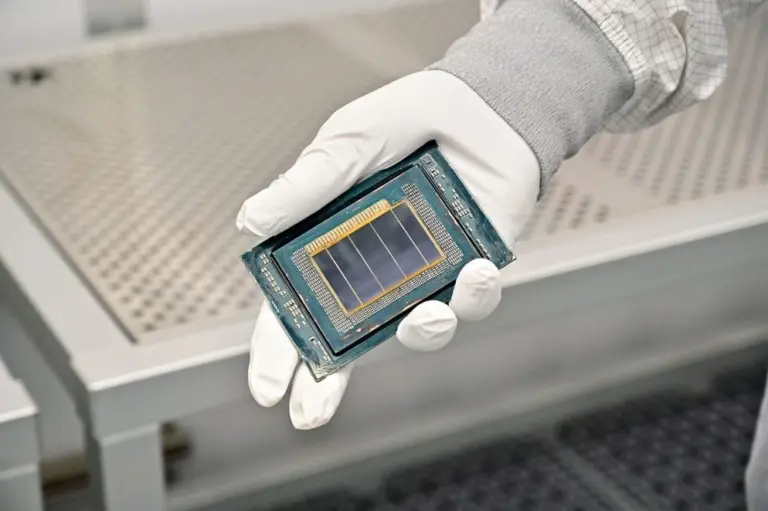
Recently, global semiconductor manufacturers have been constantly taking actions and presenting numerous new developments in aspects such as process technology and product research and…
Read More
May 4, 2026 — The global power semiconductor market is grappling with a worsening supply crunch, as lead times for key components have extended…
Read More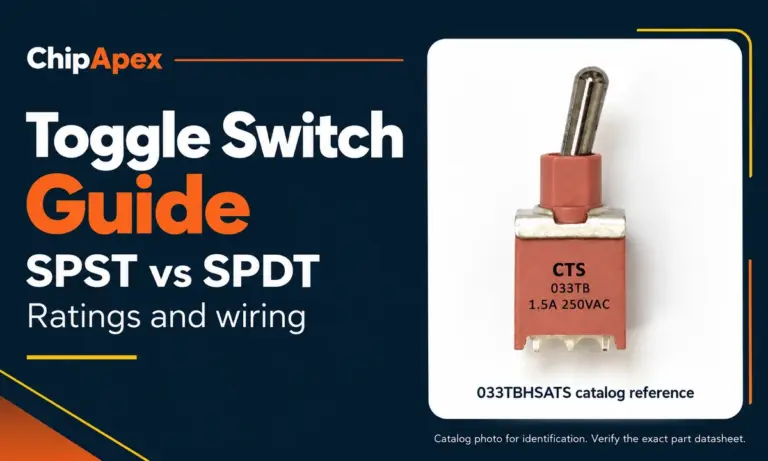
Compare SPST and SPDT toggle switches, understand AC/DC ratings, and follow wiring examples. Check contact action, mounting and parts in the ChipApex catalog.
Read More
Understand load cell sensor output, bridge wiring and calibration. Learn how mV/V sensitivity, mechanics and ADC noise affect measurement accuracy.
Read More
If you’ve spent any time staring at a schematic, you’ve seen the triangle. Two inputs, one output, and a gain symbol that looks deceptively…
Read More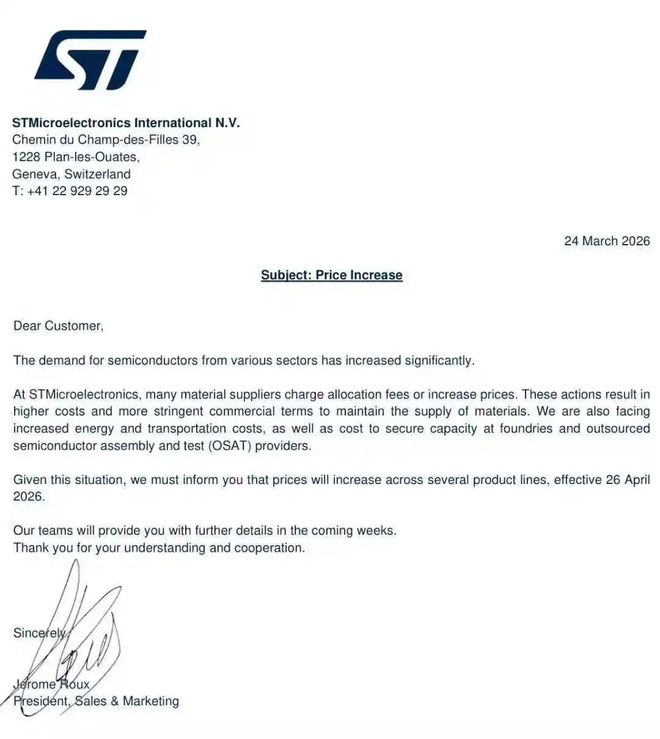
Geneva, Switzerland – March 25, 2026 – STMicroelectronics N.V. (NYSE: STM), a global semiconductor leader serving customers across the electronics applications spectrum, has announced…
Read More
Choose LED drivers by current, string voltage, dimming and thermal limits. Understand constant-current operation and the checks needed for your load.
Read More
The activity of extra discounts on wholesale prices is in full swing…
Please fill in your contact information and we will send you the latest wholesale price list.