ChipApex | Global Electronic Components Supplier

SEARCH
Search Product
Search Post
— IC芯片 | 连接器 | 传感器 | 被动器件 —
Search productSearch post
— IC芯片 | 连接器 | 传感器 | 被动器件 —
Consult the customer manager about the wholesale price.
consultation hotline:86-132-6715-2157
email:[email protected]
Contact the product manager for consultation. One-stop consultation is available.
Do you want a lower wholesale price? Please send us your inquiry and we will reply immediately.
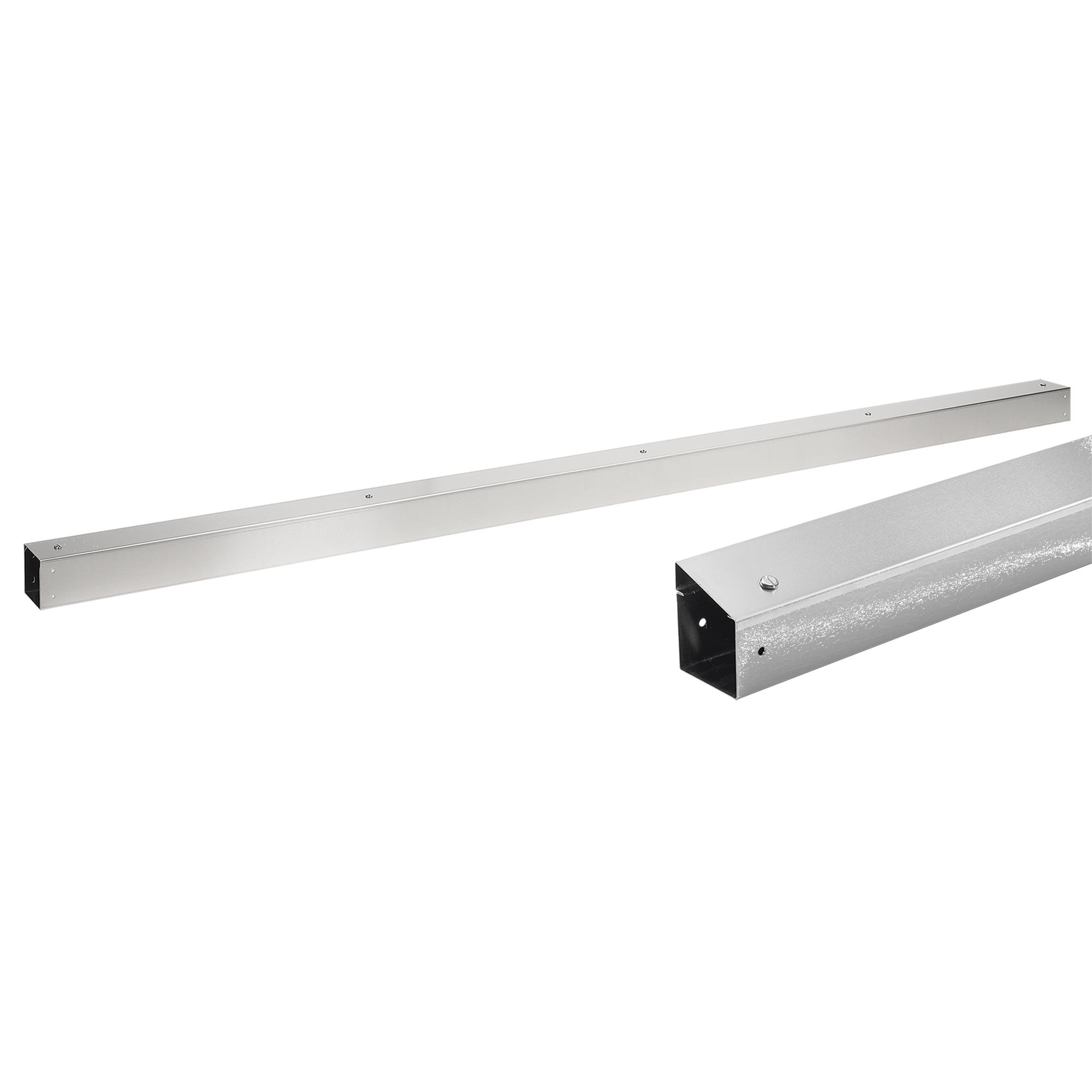
The Hoffman Enclosures CTS33P120SS is a straight section component for the Clean Tray cable management system. Constructed from Type 304 stainless steel, it features a perforated design with a sloped top cover. The unit measures 3.00 inches in width and depth, with a length of 120.00 inches. It is rated as Type 1 for indoor use, providing basic protection against falling objects and limited ingress of solid foreign bodies.
Verify the specific application environment to ensure Type 1 rating sufficiency. Confirm that the 3-inch width matches existing tray infrastructure. Check for compatibility with required mounting hardware. Ensure the 120-inch length aligns with spatial constraints. Validate that stainless steel construction meets project material specifications.
Select this model when a rigid, corrosion-resistant pathway is required for indoor wiring. The perforated design supports applications needing airflow or visual inspection of cables. The sloped cover distinguishes it from flat-top variants. Consider the 3x3 footprint for standard small-diameter cable bundles. Evaluate if the 10-foot length reduces joint count compared to shorter segments.
This component belongs to the nVent Hoffman Clean Tray series, designed for organized cable management within enclosures. It serves as a linear segment connecting other tray accessories. The product line emphasizes modularity and ease of installation for industrial and commercial electrical setups.
Direct substitutes include other 3x3 inch straight sections from the same manufacturer. Verify material grade equivalence if replacing with non-Hoffman parts. Ensure interface dimensions match existing tray rails. Sloped versus flat top designs are not interchangeable without modifying cover compatibility.
 CTS33P120SS

Compare RC, crystal and MEMS oscillator circuits. Check ppm, jitter, load capacitance, startup margin and output compatibility before choosing a clock source.
Read More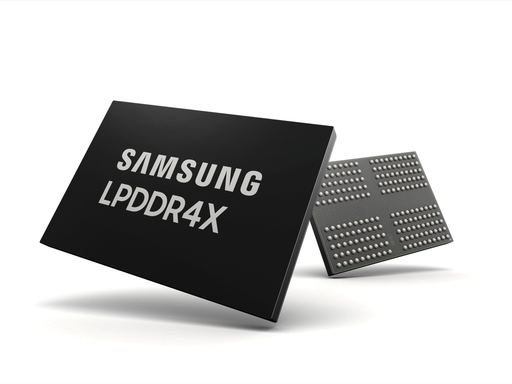
Samsung Electronics, the world’s largest memory chip manufacturer, has officially confirmed the end-of-life (EOL) for its LPDDR4 and LPDDR4X low-power DRAM products, marking a…
Read More
Choose logic inverter ICs by thresholds, supply, output drive and delay. Compare standard and Schmitt-trigger inputs, power sequencing and replacement checks.
Read More
Recently, the global electronic component market has witnessed a series of new developments. The strategic layouts and market collaborations of major enterprises are constantly…
Read More
Over the past week, the global electronic components sector has witnessed dual transformations in policy and technology: Coupled with mounting pressure from a worsening…
Read More
See how a MEMS gyroscope measures angular rate, why its angle estimate drifts, and which range, noise, interface and temperature specs to compare.
Read More
Learn what data acquisition means, from sensors and conditioning to sampling and storage. Review channel timing, wiring, calibration and data quality.
Read More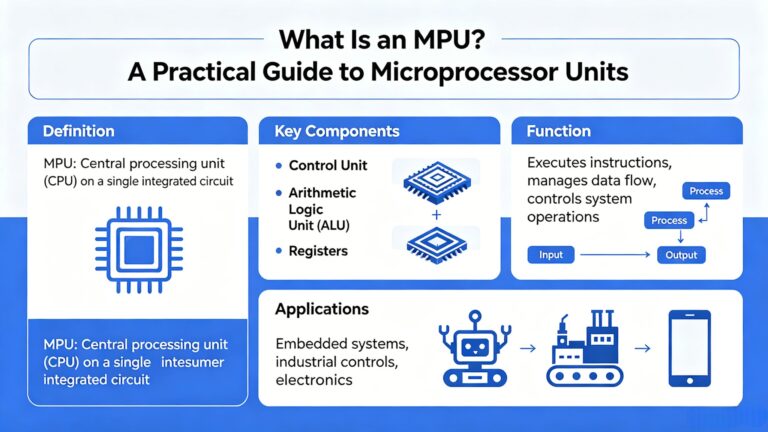
In embedded design, the tug-of-war between cost and performance is constant. On one side, you have Microcontrollers (MCUs)—cheap, simple, and efficient. On the other,…
Read More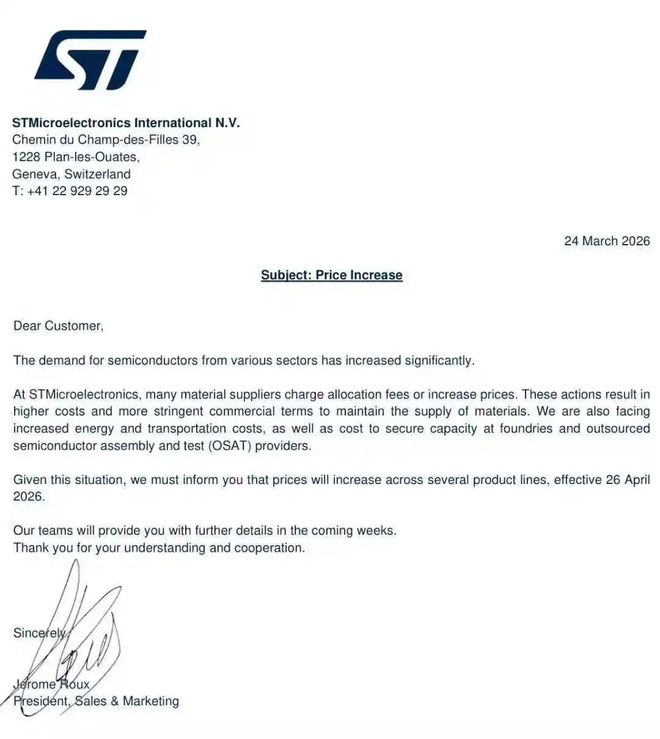
Geneva, Switzerland – March 25, 2026 – STMicroelectronics N.V. (NYSE: STM), a global semiconductor leader serving customers across the electronics applications spectrum, has announced…
Read More
Select power transformers by input frequency, secondary VA, rectifier load, isolation, regulation and inrush. Build a clearer specification for your next RFQ.
Read More
Understand how oscillators generate timing signals, how they differ from crystals, and which frequency, output and stability specs matter when choosing one.
Read More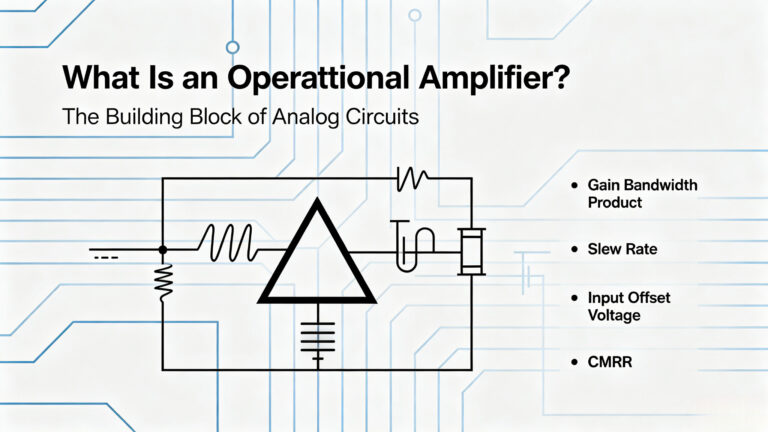
If you’ve spent any time staring at a schematic, you’ve seen the triangle. Two inputs, one output, and a gain symbol that looks deceptively…
Read More
The activity of extra discounts on wholesale prices is in full swing…
Please fill in your contact information and we will send you the latest wholesale price list.