 ChipApex | Global Electronic Components Supplier

SEARCH
Search Product
Search Post
— IC芯片 | 连接器 | 传感器 | 被动器件 —
Search productSearch post
— IC芯片 | 连接器 | 传感器 | 被动器件 —
Consult the customer manager about the wholesale price.
consultation hotline:86-132-6715-2157
email:[email protected]
Contact the product manager for consultation. One-stop consultation is available.
Do you want a lower wholesale price? Please send us your inquiry and we will reply immediately.
LM2661MX/NOPB is listed in the Voltage Regulators - DC DC Switching Regulators range at ChipApex. The manufacturer field lists Texas Instruments. Its product description is IC REG CHRG PUMP INV 100MA 8SOIC. Review the specifications below when checking this part for your BOM.
The LM2661MX/NOPB is a synchronous step-down DC-DC converter manufactured by Texas Instruments. It operates with an input voltage range of 2.7 V to 5.5 V and provides a fixed output voltage of 3.3 V. The device delivers a maximum output current of 100 mA. It supports switching frequencies of 5 kHz and 40 kHz, allowing for optimization between efficiency and component size. The unit functions within an ambient temperature range of -40 °C to +85 °C and is housed in a SOT-23-5 package.
Verify the specific suffix against the manufacturer's official documentation to confirm pinout compatibility and electrical specifications. Ensure the ordering information matches the required switching frequency setting and package variant. Cross-reference the datasheet revision date to validate technical parameters before integration into design projects.
Select this component when a compact, low-current synchronous buck regulator is required for 3.3 V applications. The choice depends on the need for integrated synchronous rectification to maximize efficiency at light loads. Consider the available switching frequency options to balance electromagnetic interference requirements against passive component size constraints.
This part belongs to the LM2661 family of synchronous step-down converters from Texas Instruments. It is designed as a cost-effective solution for space-constrained applications. The device integrates the high-side and low-side switches, reducing the external component count compared to non-synchronous alternatives.
Consult the manufacturer's replacement guide for verified equivalents. Verify that any substitute maintains the same 3.3 V output, 100 mA current rating, and SOT-23-5 footprint.
Explore related parts through Power Management (PMIC), Integrated Circuits (ICs), all product categories, ChipApex homepage.
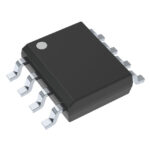 LM2661MX/NOPB

LM2661MX/NOPB is listed in the Voltage Regulators - DC DC Switching Regulators range at ChipApex. The manufacturer field lists Texas Instruments. Its product description…
Read More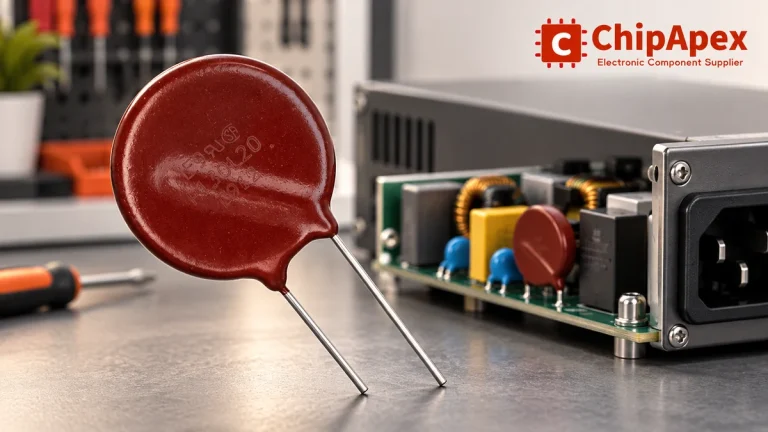
Select MOV varistors by continuous voltage, clamping behavior, surge waveform and repetition. Check thermal disconnection, fuse coordination and replacements.
Read More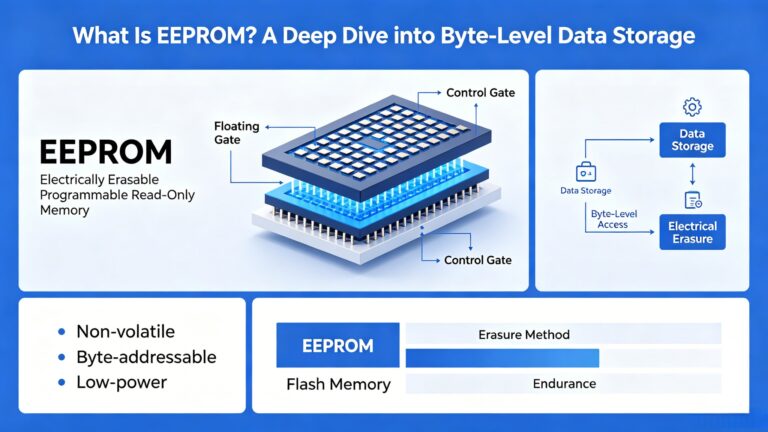
LM2661MX/NOPB is listed in the Voltage Regulators - DC DC Switching Regulators range at ChipApex. The manufacturer field lists Texas Instruments. Its product description…
Read More
Select a bridge rectifier by reverse voltage, capacitor charging current, startup surge and cooling. Work through a stated DC voltage and ripple example.
Read More
LM2661MX/NOPB is listed in the Voltage Regulators - DC DC Switching Regulators range at ChipApex. The manufacturer field lists Texas Instruments. Its product description…
Read More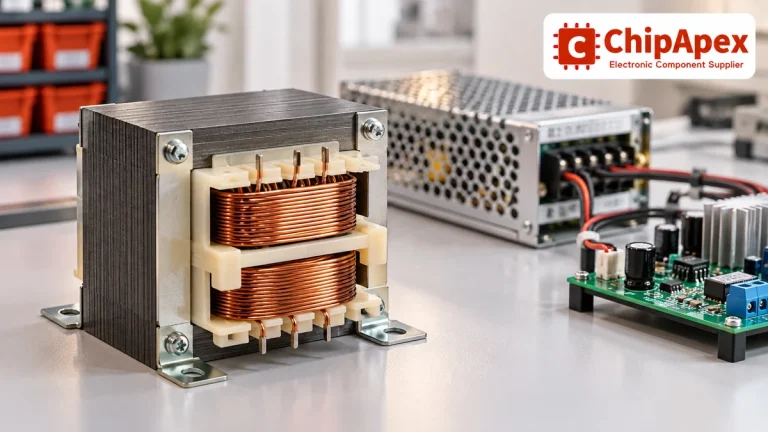
Select power transformers by input frequency, secondary VA, rectifier load, isolation, regulation and inrush. Build a clearer specification for your next RFQ.
Read More
LM2661MX/NOPB is listed in the Voltage Regulators - DC DC Switching Regulators range at ChipApex. The manufacturer field lists Texas Instruments. Its product description…
Read More
LM2661MX/NOPB is listed in the Voltage Regulators - DC DC Switching Regulators range at ChipApex. The manufacturer field lists Texas Instruments. Its product description…
Read More
LM2661MX/NOPB is listed in the Voltage Regulators - DC DC Switching Regulators range at ChipApex. The manufacturer field lists Texas Instruments. Its product description…
Read More
LM2661MX/NOPB is listed in the Voltage Regulators - DC DC Switching Regulators range at ChipApex. The manufacturer field lists Texas Instruments. Its product description…
Read More
LM2661MX/NOPB is listed in the Voltage Regulators - DC DC Switching Regulators range at ChipApex. The manufacturer field lists Texas Instruments. Its product description…
Read More
Learn why PTC resistance rises with temperature, how it differs from NTC, and which ratings matter for sensing and protection.
Read More
The activity of extra discounts on wholesale prices is in full swing…
Please fill in your contact information and we will send you the latest wholesale price list.





