ChipApex | Global Electronic Components Supplier

SEARCH
Search Product
Search Post
— IC芯片 | 连接器 | 传感器 | 被动器件 —
Search productSearch post
— IC芯片 | 连接器 | 传感器 | 被动器件 —
Consult the customer manager about the wholesale price.
consultation hotline:86-132-6715-2157
email:[email protected]
Contact the product manager for consultation. One-stop consultation is available.
Do you want a lower wholesale price? Please send us your inquiry and we will reply immediately.
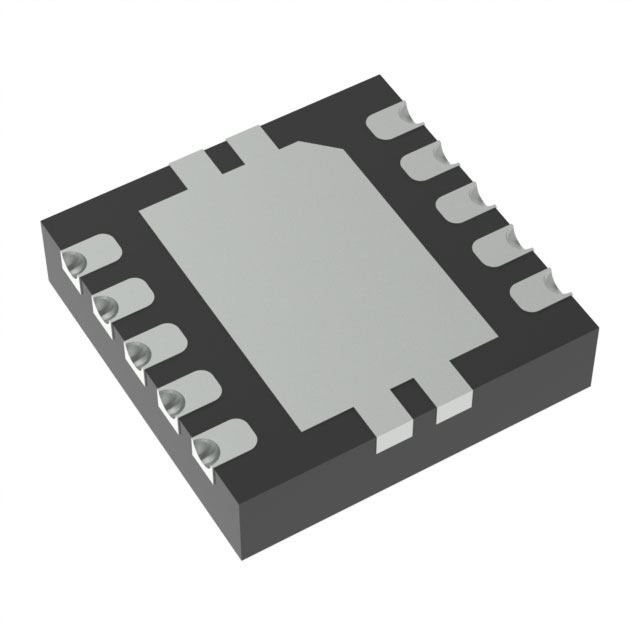
LM53600AQDSXTQ1 is listed in the Voltage Regulators - DC DC Switching Regulators range at ChipApex. The manufacturer field lists Texas Instruments. Its product description is IC REG BUCK ADJ 650MA 10WSON. Review the specifications below when checking this part for your BOM.
The LM53600AQDSXTQ1 is an automotive-grade synchronous step-down converter from Texas Instruments. It supports a wide input voltage range of 3.55 V to 36 V and delivers up to 650 mA of output current. The device features an adjustable output voltage ranging from 3.3 V to 6 V with a single output configuration. Operating at a maximum switching frequency of 2.4 MHz, it utilizes a 10-pin WSON package measuring 3.05 mm by 3.05 mm with a height of 0.75 mm. It ensures reliable performance across a junction temperature range of -40 °C to +150 °C and meets AEC-Q100 qualification standards for automotive applications.
Verify the specific suffix 'TQ1' confirms AEC-Q100 automotive qualification status. Ensure the WSON-10 package dimensions align with PCB footprint constraints. Confirm that the adjustable output range meets the target load requirements before finalizing procurement specifications.
Select this component when a compact solution is required for automotive DC-DC conversion. The 2.4 MHz switching frequency allows for smaller external passive components compared to lower-frequency alternatives. Verify that the 650 mA output current capacity satisfies the peak load demands of the application circuit.
This part belongs to the LM5360x-Q1 family of synchronous buck converters designed specifically for automotive environments. It shares architectural similarities with other members like the LM53601-Q1 but differs in output current ratings. The family emphasizes small form factors and high thermal performance for space-constrained vehicle electronics.
The minimum operating input voltage is 3.55 V.
Yes, the datasheet indicates the presence of a shutdown function for controlling operation.
Explore related parts through Power Management (PMIC), Integrated Circuits (ICs), all product categories, ChipApex homepage.
 LM53600AQDSXTQ1

LM53600AQDSXTQ1 is listed in the Voltage Regulators - DC DC Switching Regulators range at ChipApex. The manufacturer field lists Texas Instruments. Its product description…
Read More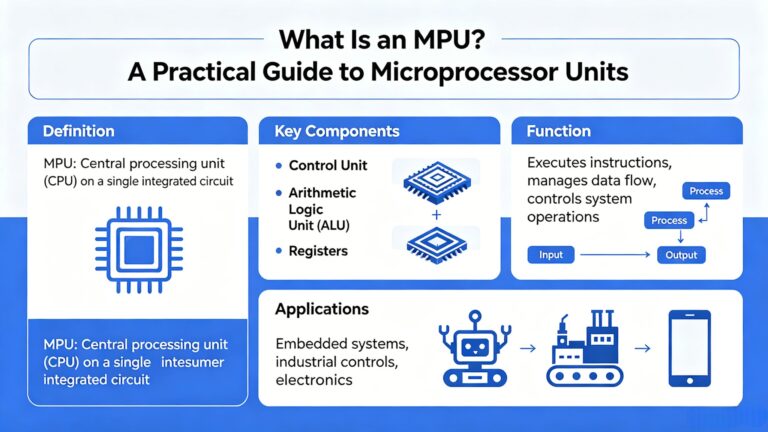
LM53600AQDSXTQ1 is listed in the Voltage Regulators - DC DC Switching Regulators range at ChipApex. The manufacturer field lists Texas Instruments. Its product description…
Read More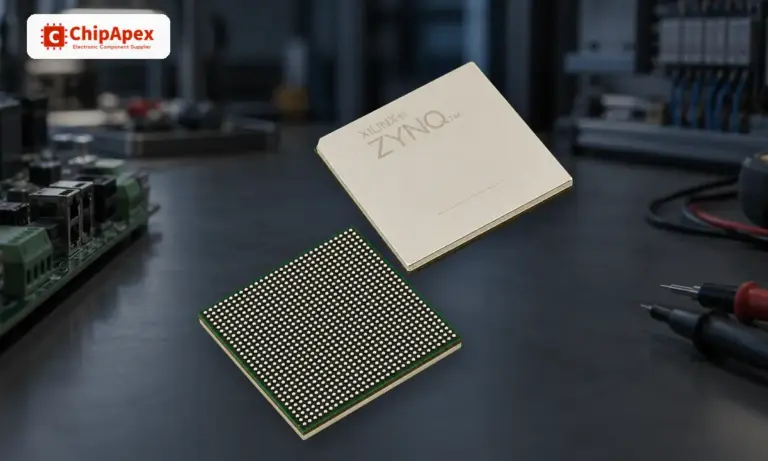
Learn what an integrated circuit is, how ICs work, the main types and the specs to check before choosing a part for your design…
Read More
Compare thermistors, RTDs, thermocouples and temperature ICs. Learn how range, accuracy, response, interfaces and mounting affect component selection.
Read More
LM53600AQDSXTQ1 is listed in the Voltage Regulators - DC DC Switching Regulators range at ChipApex. The manufacturer field lists Texas Instruments. Its product description…
Read MoreLM53600AQDSXTQ1 is listed in the Voltage Regulators - DC DC Switching Regulators range at ChipApex. The manufacturer field lists Texas Instruments. Its product description…
Read More
LM53600AQDSXTQ1 is listed in the Voltage Regulators - DC DC Switching Regulators range at ChipApex. The manufacturer field lists Texas Instruments. Its product description…
Read More
LM53600AQDSXTQ1 is listed in the Voltage Regulators - DC DC Switching Regulators range at ChipApex. The manufacturer field lists Texas Instruments. Its product description…
Read More
LM53600AQDSXTQ1 is listed in the Voltage Regulators - DC DC Switching Regulators range at ChipApex. The manufacturer field lists Texas Instruments. Its product description…
Read More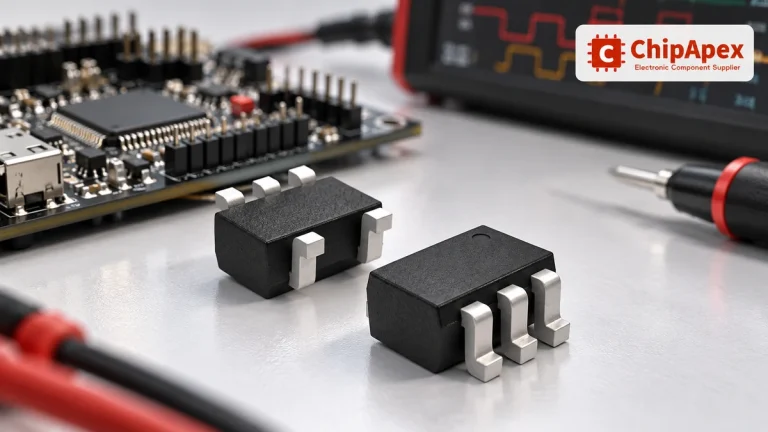
Choose logic inverter ICs by thresholds, supply, output drive and delay. Compare standard and Schmitt-trigger inputs, power sequencing and replacement checks.
Read More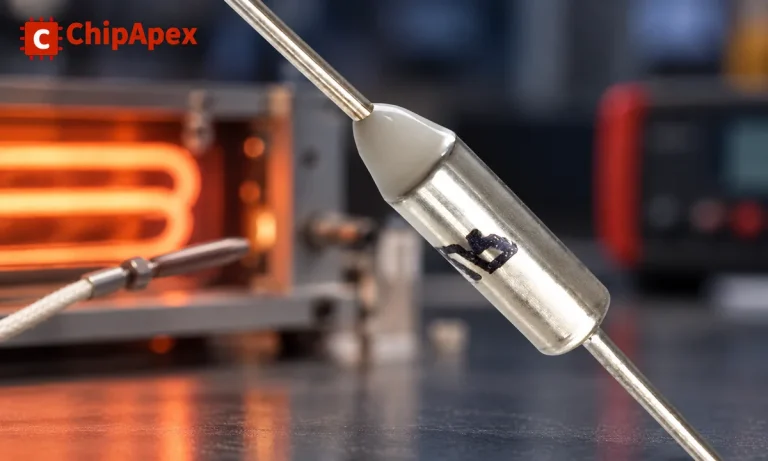
Understand thermal fuse operation, Tf, Th and Tm, electrical ratings and mounting. Check temperature limits and replacement requirements for your design.
Read More
Compare RC, crystal and MEMS oscillator circuits. Check ppm, jitter, load capacitance, startup margin and output compatibility before choosing a clock source.
Read More
The activity of extra discounts on wholesale prices is in full swing…
Please fill in your contact information and we will send you the latest wholesale price list.