 ChipApex | Global Electronic Components Supplier

SEARCH
Search Product
Search Post
— IC芯片 | 连接器 | 传感器 | 被动器件 —
Search productSearch post
— IC芯片 | 连接器 | 传感器 | 被动器件 —
Consult the customer manager about the wholesale price.
consultation hotline:86-132-6715-2157
email:[email protected]
Contact the product manager for consultation. One-stop consultation is available.
Do you want a lower wholesale price? Please send us your inquiry and we will reply immediately.
SN74GTLPH306PW is listed in the Translators, Level Shifters range at ChipApex. The manufacturer field lists Texas Instruments. Its product description is IC TRANSLATOR BIDIR 24TSSOP. Review the specifications below when checking this part for your BOM.
The SN74GTLPH306PW is an 8-bit LVTTL-to-GTLP bus transceiver manufactured by Texas Instruments. It operates within a supply voltage range of 3.15 V to 3.45 V and supports data rates up to 266 MHz. The device features over-voltage tolerant inputs, partial power-down capability via Ioff, and power-up three-state functionality. It is housed in a 24-TSSOP package with a maximum propagation delay of 1.5 ns at 3.3 V. The component is designed for high-speed backplane applications, ensuring signal integrity through GTLP output standards.
Verify the specific suffix 'PW' confirms the TSSOP-24 package variant. Confirm RoHS compliance status as required by project specifications. Ensure the operating temperature range meets environmental constraints. Cross-reference the manufacturer part number against official TI documentation to avoid counterfeit components. Validate that the bidirectional nature aligns with system design requirements.
Select this component when interfacing LVTTL sources with GTLP destinations in high-speed environments. The 8-bit width suits wide data buses. Consider the 24-TSSOP package for space-constrained PCB layouts. Verify that the 3.3 V nominal supply voltage matches the system power rails. Evaluate the need for partial power-down features if low standby current is critical.
This device belongs to the SN74GTLPH series, which integrates GTLP characteristics with additional features like Ioff. It complements other level shifters in the GTLP family, such as the SN74GTLP1394. The H-series designation typically indicates enhanced features compared to standard GTLP devices, focusing on system-level benefits like power management and input tolerance.
The SN74GTLPH306PWR is a reel-manufactured equivalent offering identical electrical performance. Verify pin compatibility and package dimensions before substitution. Ensure the replacement maintains the same bidirectional channel configuration and voltage level support.
Explore related parts through Logic, Integrated Circuits (ICs), all product categories, ChipApex homepage.
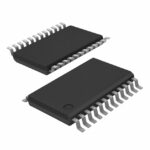 SN74GTLPH306PW
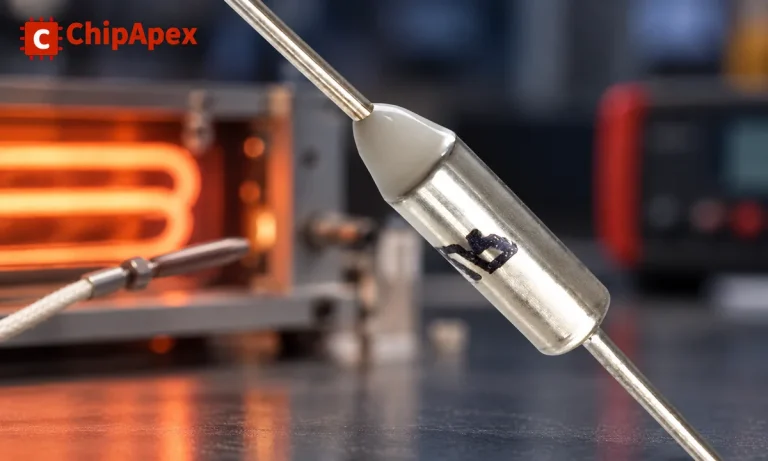
Understand thermal fuse operation, Tf, Th and Tm, electrical ratings and mounting. Check temperature limits and replacement requirements for your design.
Read More
SN74GTLPH306PW is listed in the Translators, Level Shifters range at ChipApex. The manufacturer field lists Texas Instruments. Its product description is IC TRANSLATOR BIDIR…
Read More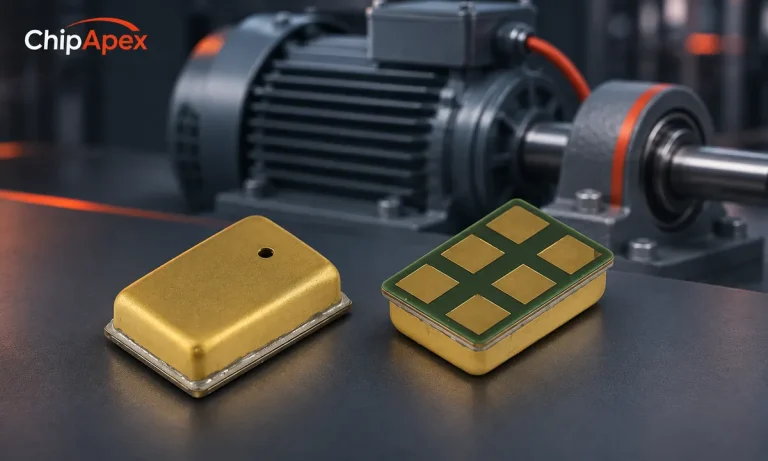
Choose a vibration sensor for machine monitoring. Compare sensing methods, bandwidth, noise and mounting, then define the signal-chain requirements.
Read More
SN74GTLPH306PW is listed in the Translators, Level Shifters range at ChipApex. The manufacturer field lists Texas Instruments. Its product description is IC TRANSLATOR BIDIR…
Read More
Choose a DIP switch by contact type, coded positions, footprint and signal ratings. Check logic polarity, assembly conditions and PCB configuration behavior.
Read More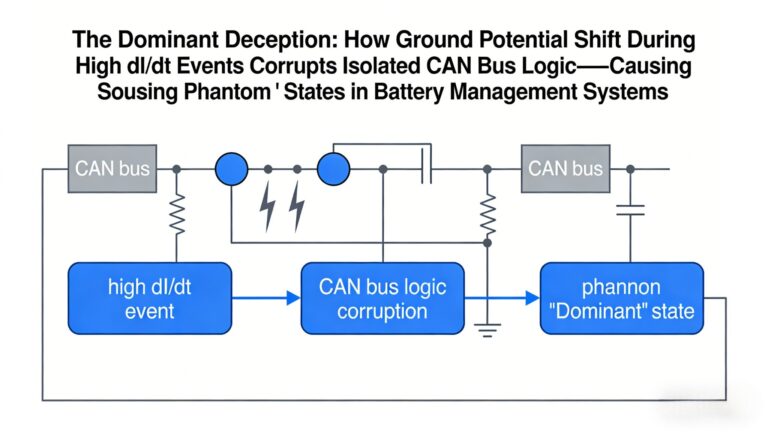
SN74GTLPH306PW is listed in the Translators, Level Shifters range at ChipApex. The manufacturer field lists Texas Instruments. Its product description is IC TRANSLATOR BIDIR…
Read More
Learn why PTC resistance rises with temperature, how it differs from NTC, and which ratings matter for sensing and protection.
Read More
Understand how oscillators generate timing signals, how they differ from crystals, and which frequency, output and stability specs matter when choosing one.
Read More
Choose LED drivers by current, string voltage, dimming and thermal limits. Understand constant-current operation and the checks needed for your load.
Read More
Understand automotive relay terminals, coil suppression and load ratings. Check inrush, socket compatibility and temperature before selecting a replacement.
Read More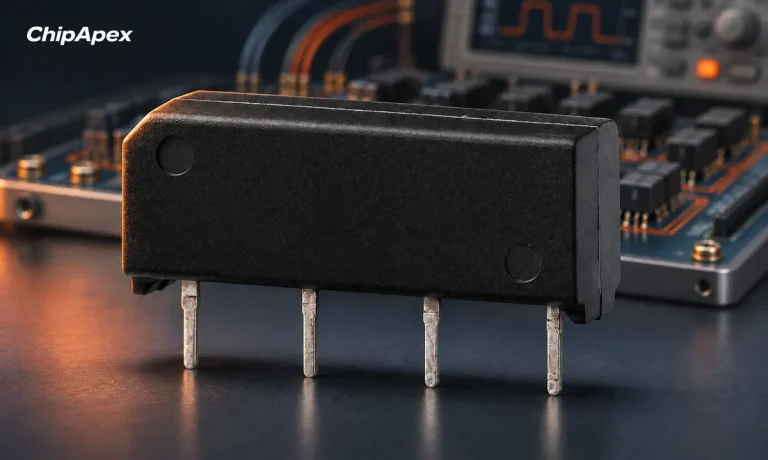
Choose a reed relay for signal switching. Understand hot and cold switching, leakage, contact resistance, isolation and measurement settling requirements.
Read More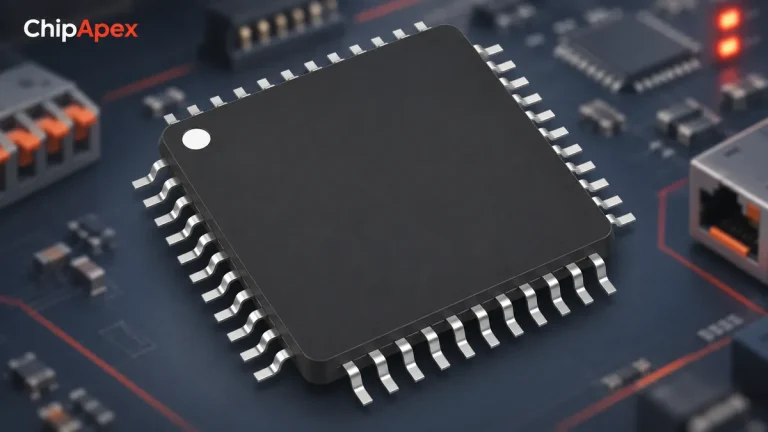
Learn how CPLDs implement hardware logic, compare them with FPGAs and MCUs, and check timing, I/O voltage, startup behavior and programming requirements.
Read More
The activity of extra discounts on wholesale prices is in full swing…
Please fill in your contact information and we will send you the latest wholesale price list.





