 ChipApex | Global Electronic Components Supplier

SEARCH
Search Product
Search Post
— IC芯片 | 连接器 | 传感器 | 被动器件 —
Search productSearch post
— IC芯片 | 连接器 | 传感器 | 被动器件 —
Consult the customer manager about the wholesale price.
consultation hotline:86-132-6715-2157
email:[email protected]
Contact the product manager for consultation. One-stop consultation is available.
Do you want a lower wholesale price? Please send us your inquiry and we will reply immediately.
SN74LS125ANS is listed in the Buffers, Drivers, Receivers, Transceivers range at ChipApex. The manufacturer field lists Texas Instruments. Its product description is PROTOTYPE. Review the specifications below when checking this part for your BOM.
The SN74LS125ANS is a quadruple bus buffer with three-state outputs manufactured by Texas Instruments. It belongs to the LS logic series and operates within a supply voltage range of 4.75 V to 5.25 V. The device features four non-inverting channels, each with independent control inputs. Outputs provide low impedance when enabled and high-impedance states when disabled. It is housed in a 14-pin plastic dual in-line package (PDIP) and supports an operating temperature range from 0°C to 70°C.
Verify the specific ordering suffix 'ANS' corresponds to the SOP package variant listed in the Package Option Addendum. Confirm RoHS compliance status and lead finish details against current manufacturer documentation. Ensure the procurement source provides valid traceability for this component type.
Select this component for designs requiring quadruple buffering with independent channel control. Verify compatibility with standard TTL logic levels and ensure the application environment remains within the specified commercial temperature limits. Consider the physical package dimensions during PCB layout planning.
This part is part of the SN54/74LS125A family of quadruple bus buffers. It shares functional similarities with other variants in the series but differs in packaging and environmental specifications. The SN74LS125ANS specifically denotes the surface-mount small outline package version of the LS technology buffer.
SN74LS125ANSR is identified as a recommended replacement by the manufacturer. Verify pinout compatibility and electrical specifications before substitution.
Explore related parts through Logic, Integrated Circuits (ICs), all product categories, ChipApex homepage.
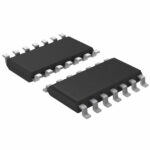 SN74LS125ANS
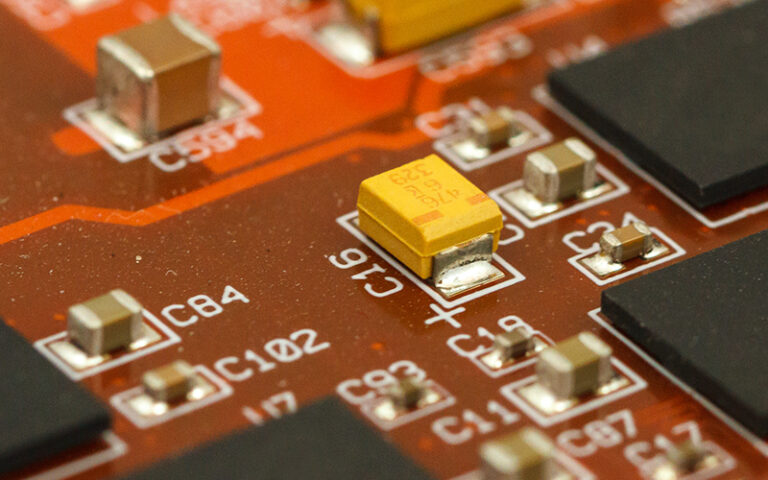
SN74LS125ANS is listed in the Buffers, Drivers, Receivers, Transceivers range at ChipApex. The manufacturer field lists Texas Instruments. Its product description is PROTOTYPE. Review…
Read More
Select a bridge rectifier by reverse voltage, capacitor charging current, startup surge and cooling. Work through a stated DC voltage and ripple example.
Read More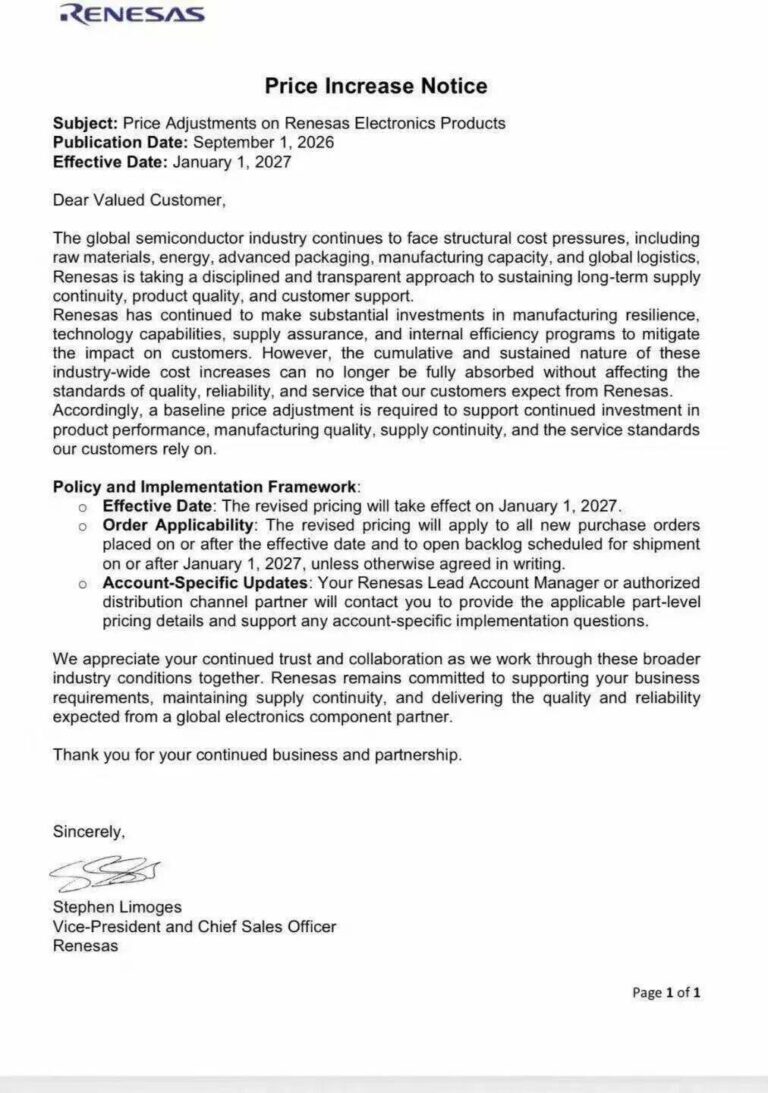
SN74LS125ANS is listed in the Buffers, Drivers, Receivers, Transceivers range at ChipApex. The manufacturer field lists Texas Instruments. Its product description is PROTOTYPE. Review…
Read More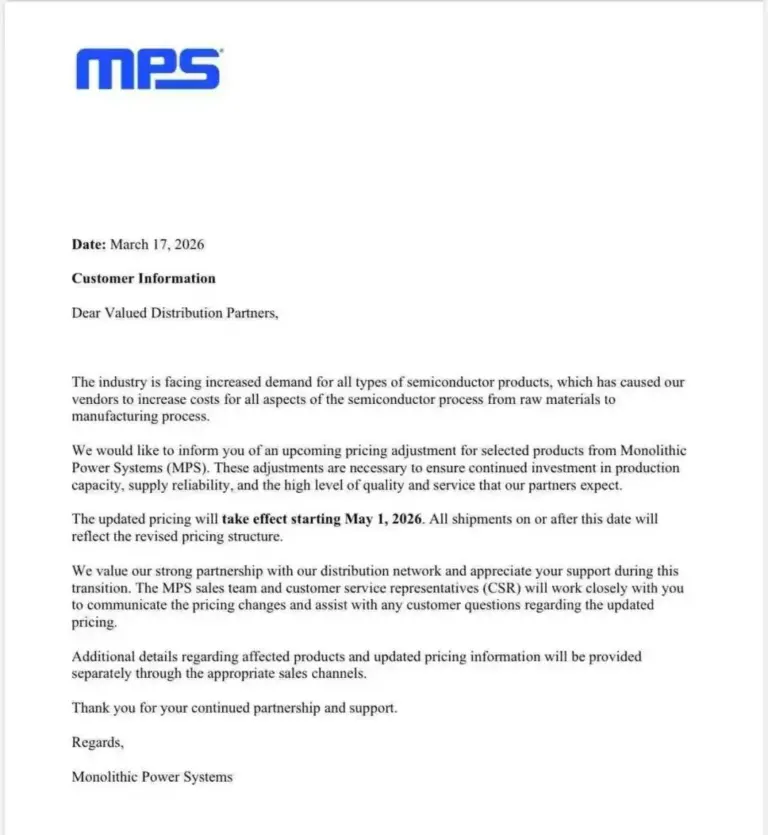
SN74LS125ANS is listed in the Buffers, Drivers, Receivers, Transceivers range at ChipApex. The manufacturer field lists Texas Instruments. Its product description is PROTOTYPE. Review…
Read More
Understand how a comparator switches at a voltage threshold, why hysteresis prevents chatter, and which output and input specs matter.
Read More
SN74LS125ANS is listed in the Buffers, Drivers, Receivers, Transceivers range at ChipApex. The manufacturer field lists Texas Instruments. Its product description is PROTOTYPE. Review…
Read More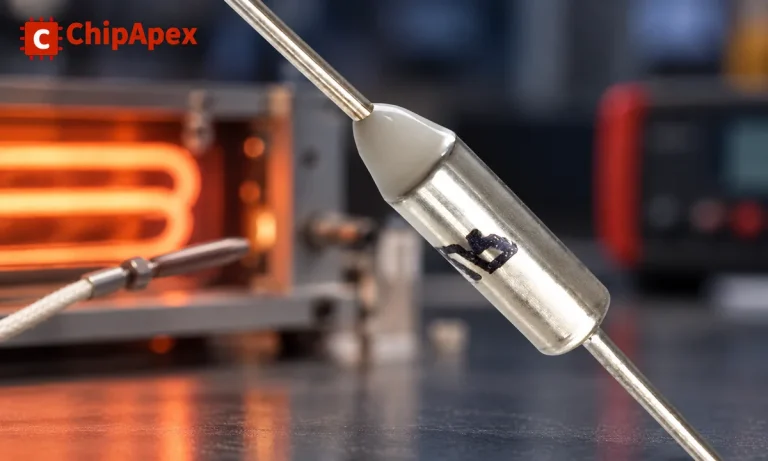
Understand thermal fuse operation, Tf, Th and Tm, electrical ratings and mounting. Check temperature limits and replacement requirements for your design.
Read More
SN74LS125ANS is listed in the Buffers, Drivers, Receivers, Transceivers range at ChipApex. The manufacturer field lists Texas Instruments. Its product description is PROTOTYPE. Review…
Read More
SN74LS125ANS is listed in the Buffers, Drivers, Receivers, Transceivers range at ChipApex. The manufacturer field lists Texas Instruments. Its product description is PROTOTYPE. Review…
Read More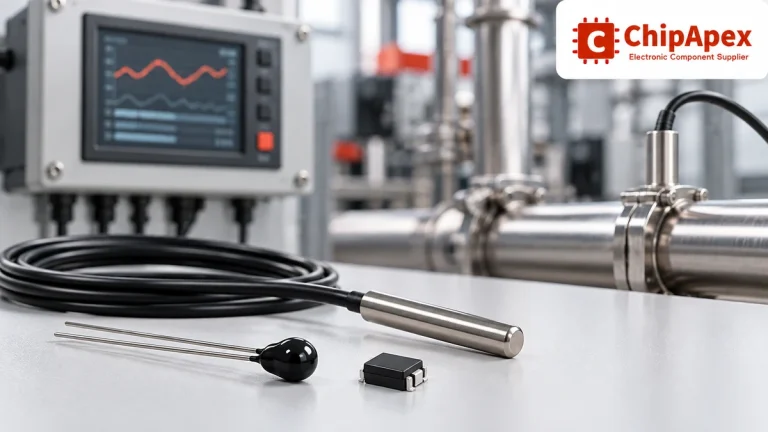
Compare thermistors, RTDs, thermocouples and temperature ICs. Learn how range, accuracy, response, interfaces and mounting affect component selection.
Read More
SN74LS125ANS is listed in the Buffers, Drivers, Receivers, Transceivers range at ChipApex. The manufacturer field lists Texas Instruments. Its product description is PROTOTYPE. Review…
Read More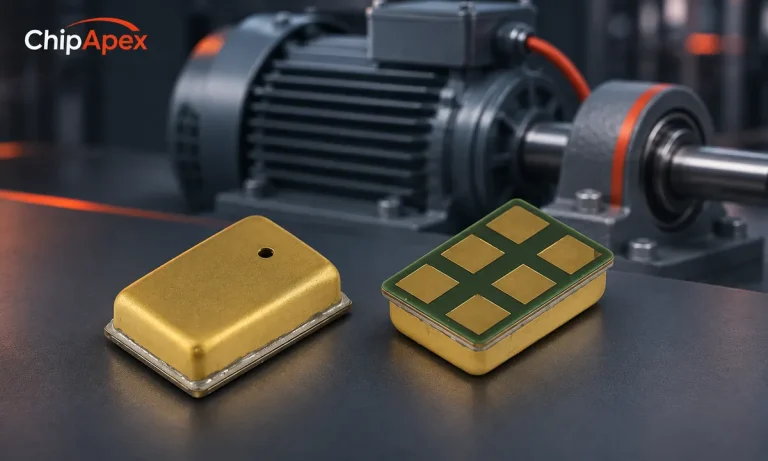
Choose a vibration sensor for machine monitoring. Compare sensing methods, bandwidth, noise and mounting, then define the signal-chain requirements.
Read More
The activity of extra discounts on wholesale prices is in full swing…
Please fill in your contact information and we will send you the latest wholesale price list.





