 ChipApex | Global Electronic Components Supplier

SEARCH
Search Product
Search Post
— IC芯片 | 连接器 | 传感器 | 被动器件 —
Search productSearch post
— IC芯片 | 连接器 | 传感器 | 被动器件 —
Consult the customer manager about the wholesale price.
consultation hotline:86-132-6715-2157
email:[email protected]
Contact the product manager for consultation. One-stop consultation is available.
Do you want a lower wholesale price? Please send us your inquiry and we will reply immediately.
TPS70625DRVT is listed in the Voltage Regulators - Linear, Low Drop Out (LDO) Regulators range at ChipApex. The manufacturer field lists Texas Instruments. Its product description is IC REG LINEAR 2.5V 150MA 6-WSON. Review the specifications below when checking this part for your BOM.
The TPS70625DRVT is a fixed-output low-dropout linear voltage regulator from the Texas Instruments TPS706 series. It provides a fixed 2.5 V output with a maximum load current of 150 mA. The device operates within an input voltage range of 2.7 V to 6.5 V and features a typical quiescent current of 1 uA. It offers high power supply rejection ratio (PSRR) of 80 dB and maintains line regulation of 3 mV and load regulation of 20 mV. The dropout voltage is typically 245 mV, with a maximum of 1.54 V. It is housed in a WSON-6 package and supports an operating temperature range from -40°C to +125°C.
Verify the specific suffix DRVT indicates the tape-and-reel packaging variant when ordering. Confirm the fixed 2.5 V output voltage matches the system requirements. Ensure the WSON-6 footprint aligns with the PCB layout. Check for RoHS compliance status if required by project specifications.
Select this component for designs requiring minimal standby current and stable regulation under varying load conditions. The wide input voltage range accommodates single-cell lithium-ion or alkaline battery sources. Consider the thermal performance in the WSON-6 package for high ambient temperatures.
This part belongs to the TPS706 family of ultra-low-IQ LDO regulators designed for space-constrained and energy-efficient applications. It shares core electrical characteristics with other variants in the series, differing primarily in output voltage and package type.
Direct substitutes include TPS70625DBVR and TPS70625DBVT, which share identical electrical specifications but differ in package style (SOT-23-5 vs. WSON-6). Verify pin compatibility and thermal dissipation capabilities before substitution.
Explore related parts through Power Management (PMIC), Integrated Circuits (ICs), all product categories, ChipApex homepage.
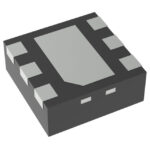 TPS70625DRVT
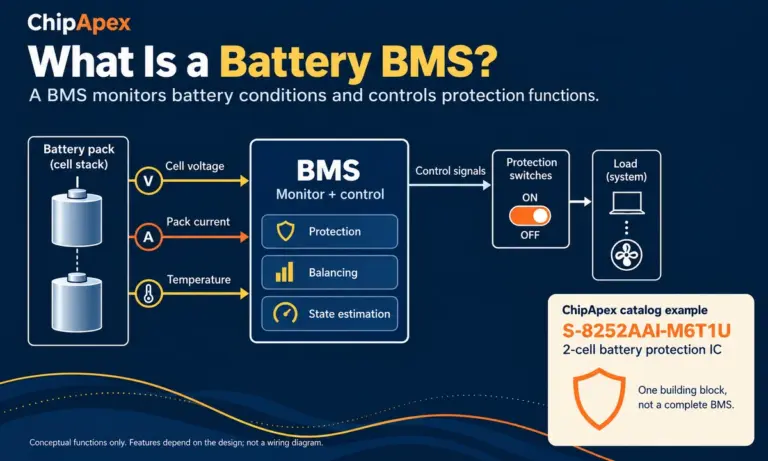
Learn what a battery BMS does, how protection differs from charging, and which pack specifications to check when sourcing BMS components through ChipApex.
Read More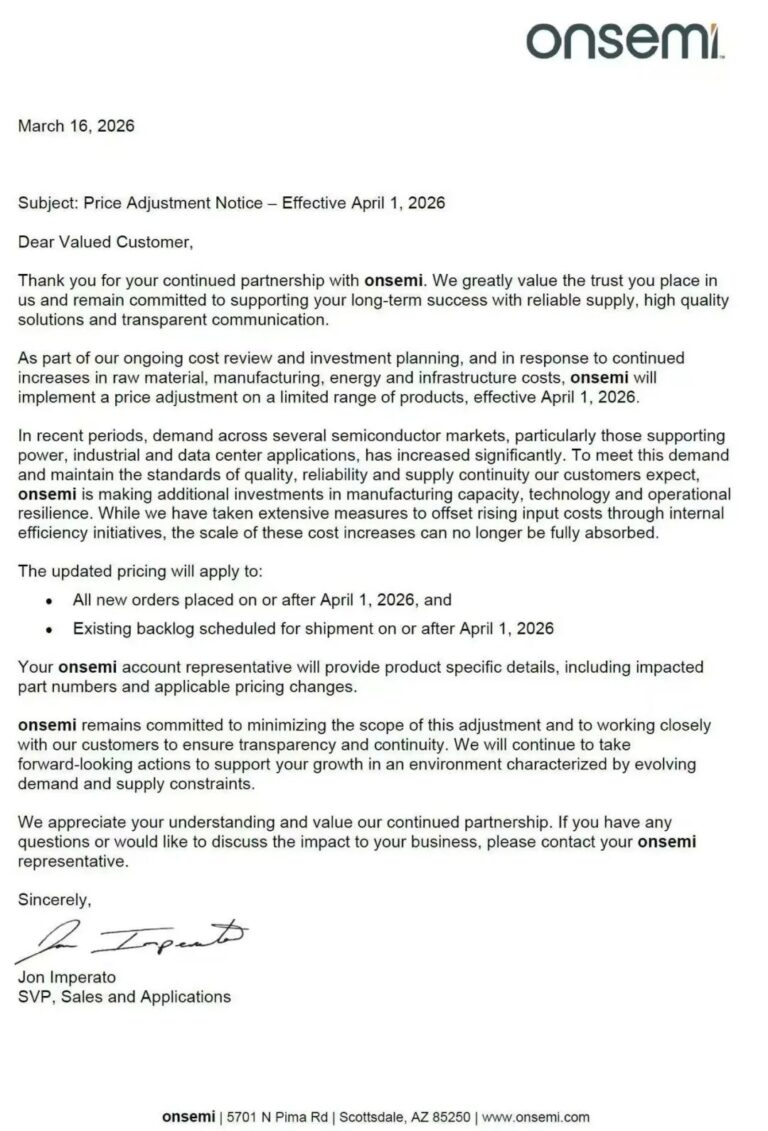
TPS70625DRVT is listed in the Voltage Regulators - Linear, Low Drop Out (LDO) Regulators range at ChipApex. The manufacturer field lists Texas Instruments. Its…
Read More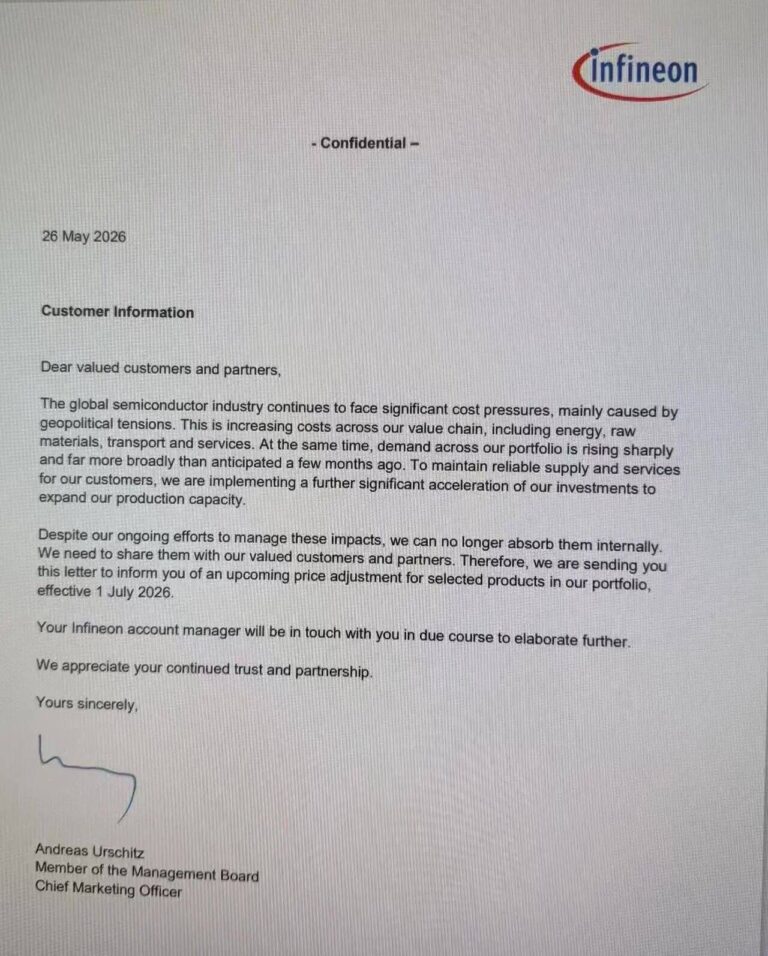
TPS70625DRVT is listed in the Voltage Regulators - Linear, Low Drop Out (LDO) Regulators range at ChipApex. The manufacturer field lists Texas Instruments. Its…
Read More
TPS70625DRVT is listed in the Voltage Regulators - Linear, Low Drop Out (LDO) Regulators range at ChipApex. The manufacturer field lists Texas Instruments. Its…
Read More
Compare Pt100 and Pt1000 RTDs, two-, three- and four-wire connections, excitation and self-heating. Build an error budget from element to reported temperature.
Read More
TPS70625DRVT is listed in the Voltage Regulators - Linear, Low Drop Out (LDO) Regulators range at ChipApex. The manufacturer field lists Texas Instruments. Its…
Read More
TPS70625DRVT is listed in the Voltage Regulators - Linear, Low Drop Out (LDO) Regulators range at ChipApex. The manufacturer field lists Texas Instruments. Its…
Read More
TPS70625DRVT is listed in the Voltage Regulators - Linear, Low Drop Out (LDO) Regulators range at ChipApex. The manufacturer field lists Texas Instruments. Its…
Read More
TPS70625DRVT is listed in the Voltage Regulators - Linear, Low Drop Out (LDO) Regulators range at ChipApex. The manufacturer field lists Texas Instruments. Its…
Read More
TPS70625DRVT is listed in the Voltage Regulators - Linear, Low Drop Out (LDO) Regulators range at ChipApex. The manufacturer field lists Texas Instruments. Its…
Read MoreTPS70625DRVT is listed in the Voltage Regulators - Linear, Low Drop Out (LDO) Regulators range at ChipApex. The manufacturer field lists Texas Instruments. Its…
Read More
Compare RC, crystal and MEMS oscillator circuits. Check ppm, jitter, load capacitance, startup margin and output compatibility before choosing a clock source.
Read More
The activity of extra discounts on wholesale prices is in full swing…
Please fill in your contact information and we will send you the latest wholesale price list.




