ChipApex | Global Electronic Components Supplier

SEARCH
Search Product
Search Post
— IC芯片 | 连接器 | 传感器 | 被动器件 —
Search productSearch post
— IC芯片 | 连接器 | 传感器 | 被动器件 —
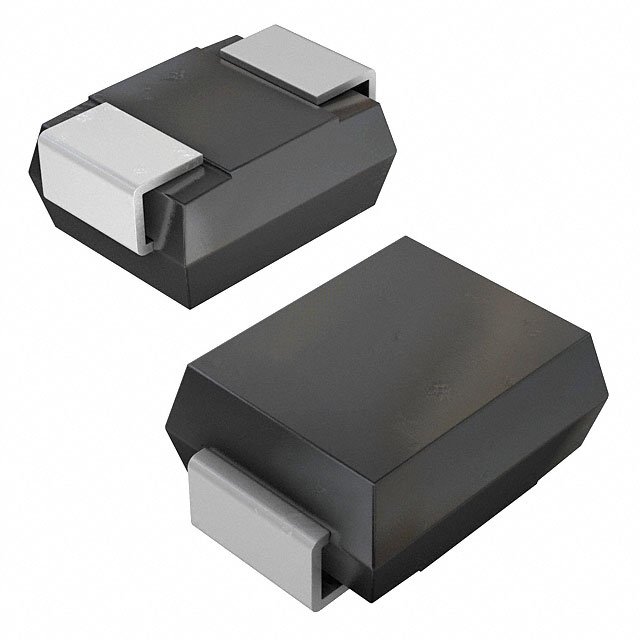
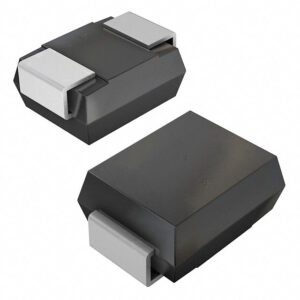
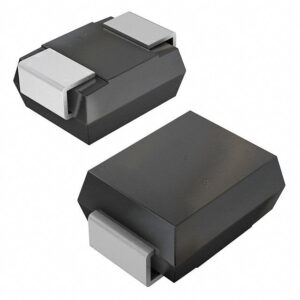
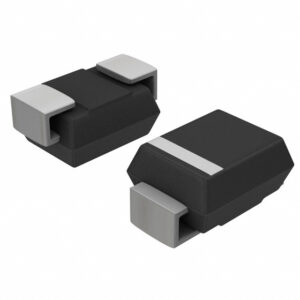
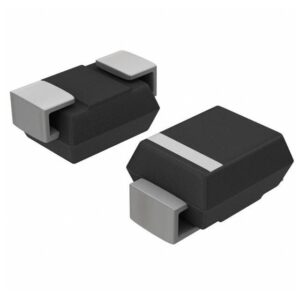
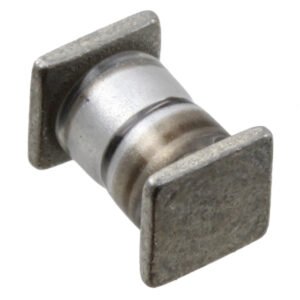
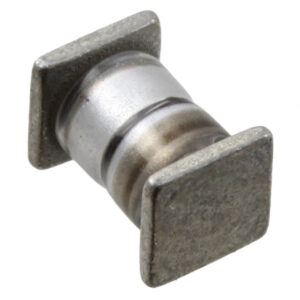
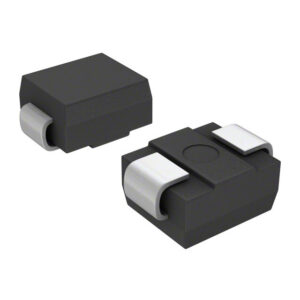
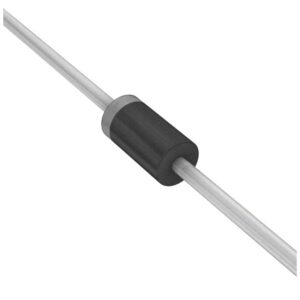
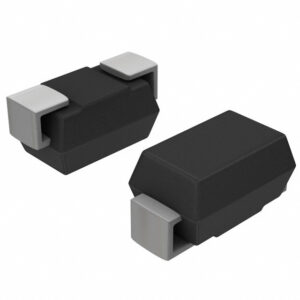
TVS Diodes are a semiconductor device designed to limit or stop surges in a specific voltage level. The items in this family are designed using diodes (a component that conducts in just one direction). TVS is an acronym for Transient Voltage Suppression (Suppressor). The types are steering (rail to rail) or Zener with the characteristics of unidirectional channels, bidirectional channels, voltage – reverse standoff, voltage – breakdown, voltage – clamping, current – peak pulse, power – peak pulse, and power line protection.
| Select products | Mfr | Description | Package | Supplier Device Package | Mounting Type | Series | Operating Temperature |
|---|---|---|---|---|---|---|---|
| Taiwan Semiconductor Corporation | TVS DIODE 85.5VWM 137V DO214AB | Tape & Reel (TR) | DO-214AB (SMC) | Surface Mount | 1.5SMC | -55°C ~ 150°C (TJ) | |
| Taiwan Semiconductor Corporation | TVS DIODE 85.5VWM 137V DO214AB | Tape & Reel (TR) | DO-214AB (SMC) | Surface Mount | 1.5SMC | -55°C ~ 150°C (TJ) | |
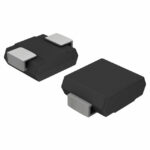 1.5SMC100CH $0.20 | Taiwan Semiconductor Corporation | TVS DIODE 81VWM 144VC DO214AB | Tape & Reel (TR) | DO-214AB (SMC) | Surface Mount | 1.5SMC | -55°C ~ 150°C (TJ) |
1.5SMC100H $0.20 | Taiwan Semiconductor Corporation | TVS DIODE 81VWM 144VC DO214AB | Tape & Reel (TR) | DO-214AB (SMC) | Surface Mount | 1.5SMC | -55°C ~ 150°C (TJ) |
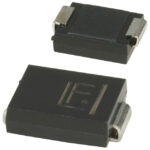 1.5SMC10A $0.85 | Littelfuse Inc. | TVS DIODE 8.55VWM 14.5V DO214AB | Tape & Reel (TR),Cut Tape (CT) | DO-214AB (SMCJ) | Surface Mount | 1.5SMC | -55°C ~ 150°C (TJ) |
1.5SMC10A $0.81 | Taiwan Semiconductor Corporation | TVS DIODE 8.55VWM 14.5V DO214AB | Tape & Reel (TR),Cut Tape (CT) | DO-214AB (SMC) | Surface Mount | 1.5SMC | -55°C ~ 150°C (TJ) |
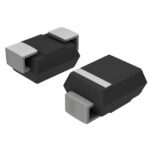 1.5SMC10A $0.49 | Bourns Inc. | TVS DIODE 8.55VWM 14.5V DO214AB | Tape & Reel (TR),Cut Tape (CT) | DO-214AB (SMC) | Surface Mount | - | -55°C ~ 150°C (TJ) |
| Taiwan Semiconductor Corporation | TVS DIODE 8.55VWM 14.5V DO214AB | Tape & Reel (TR) | DO-214AB (SMC) | Surface Mount | 1.5SMC | -55°C ~ 150°C (TJ) |
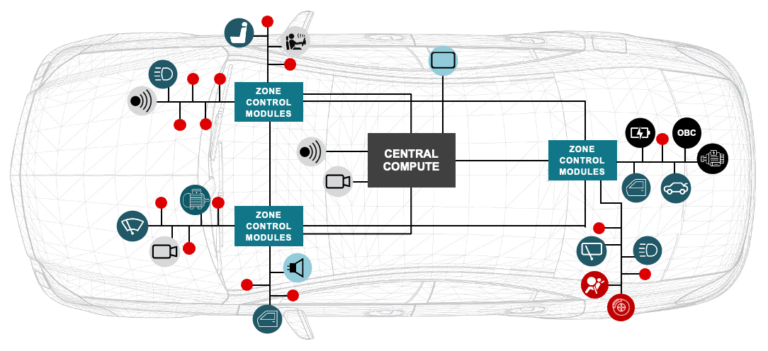
Las Vegas, January 6, 2026 — At the Consumer Electronics Show (CES) 2026, Texas Instruments (TI) (NASDAQ: TXN) announced a suite of next-generation semiconductor…
Read More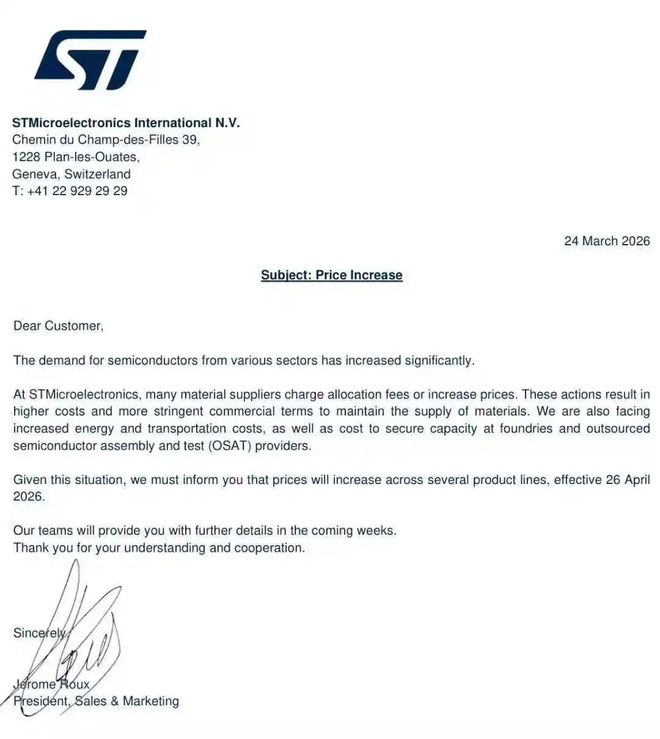
Geneva, Switzerland – March 25, 2026 – STMicroelectronics N.V. (NYSE: STM), a global semiconductor leader serving customers across the electronics applications spectrum, has announced…
Read More
The Dutch government’s intervention in the control of Nexperia (Anshi Semiconductor) is triggering a chain reaction of turmoil in the global power semiconductor market.…
Read More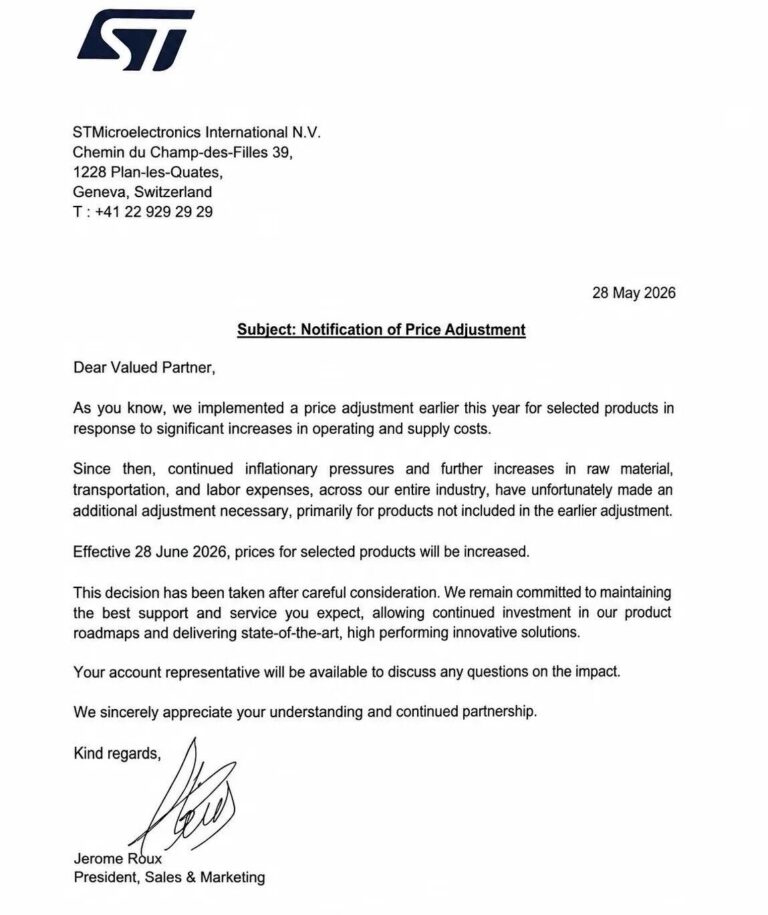
STMicroelectronics (ST), a global leader in semiconductor manufacturing, has officially notified customers of a new round of price increases for selected products, set to…
Read More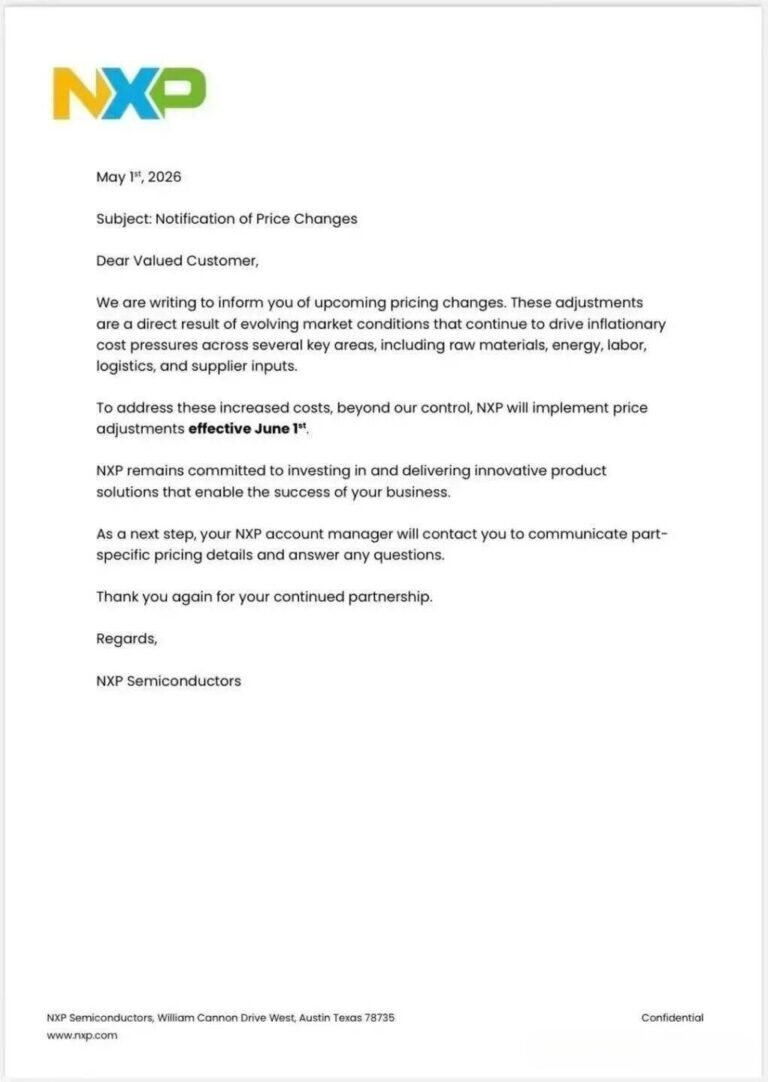
May 8, 2026 – Eindhoven, Netherlands NXP Semiconductors (NXPI), a global leader in automotive and industrial semiconductor solutions, has officially notified its worldwide channel…
Read More
Wilmington, Mass. & Milpitas, Calif. – May 19, 2026 – Analog Devices, Inc. (NASDAQ: ADI), a global leader in high-performance analog and mixed-signal semiconductors,…
Read More
As the backbone of modern technology, electronic components are undergoing revolutionary changes, driven by advancements in materials science, miniaturization, and smart manufacturing. From ultra-efficient…
Read More
Learn what an IMU measures, how accelerometers and gyroscopes work together, why orientation estimates drift, and what to compare.
Read More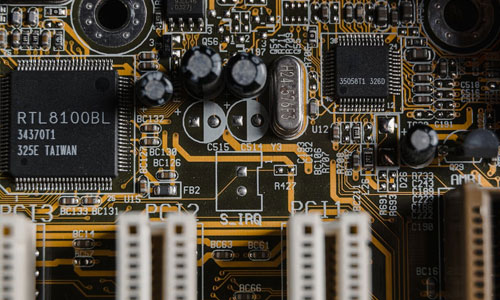
The rapid advancement of artificial intelligence (AI) is transforming industries across the globe, and the world of electronic components is no exception. From smarter…
Read More
Compare Pt100 and Pt1000 RTDs, two-, three- and four-wire connections, excitation and self-heating. Build an error budget from element to reported temperature.
Read More
The global memory market is entering an unprecedented supply-constrained phase as soaring demand from artificial intelligence (AI) infrastructure collides with strategic capacity reallocations by…
Read More
See when an inductor behaves linearly, how DC bias and saturation reduce inductance, and which current and temperature curves to check.
Read More
The activity of extra discounts on wholesale prices is in full swing…
Please fill in your contact information and we will send you the latest wholesale price list.