ChipApex | Global Electronic Components Supplier

SEARCH
Search Product
Search Post
— IC芯片 | 连接器 | 传感器 | 被动器件 —
Search productSearch post
— IC芯片 | 连接器 | 传感器 | 被动器件 —
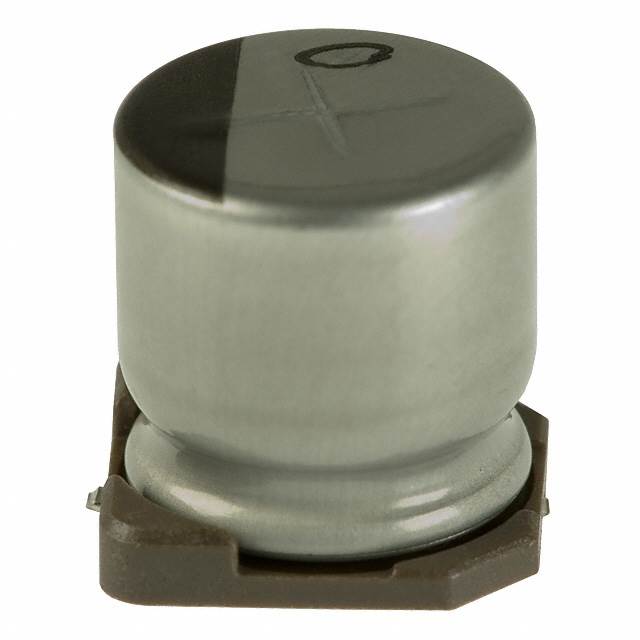
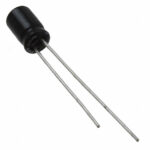
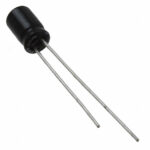
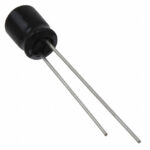
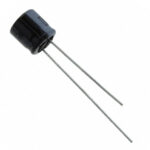
An electrolytic capacitor is a type of polarized capacitor that uses a wet electrolytic solution and an oxide film to store electrical charge. An example is the aluminum electrolytic capacitor which contains two closely spaced spooled strips of aluminum foil for the positive anode and negative cathode. These are separated by a thin spacer material soaked in the wet electrolyte. The thin insulating layer of aluminum oxide formed on the anode between the foil plates acts as the dielectric, creating a high-capacitance device in a compact package. These polarized capacitors are well-suited for applications where space and weight are at a premium, such as in electronic devices, power supplies, and filtering circuits.
| Select products | Mfr | Description | Package | Supplier Device Package | Mounting Type | Series | Operating Temperature |
|---|---|---|---|---|---|---|---|
| Rubycon | CAP ALUM 10UF 20% 25V RADIAL TH | Tape & Box (TB) | Through Hole | MS7 | -40°C ~ 85°C | ||
| Rubycon | CAP ALUM 10UF 20% 25V RADIAL TH | Tape & Box (TB) | Through Hole | MS7 | -40°C ~ 85°C | ||
| Rubycon | CAP ALUM 10UF 20% 25V RADIAL TH | Tape & Box (TB) | Through Hole | MS7 | -40°C ~ 85°C | ||
| Rubycon | CAP ALUM 22UF 20% 25V RADIAL TH | Bulk | Through Hole | MS7 | -40°C ~ 85°C | ||
| Rubycon | CAP ALUM 22UF 20% 25V RADIAL TH | Tape & Box (TB) | Through Hole | MS7 | -40°C ~ 85°C | ||
| Rubycon | CAP ALUM 33UF 20% 25V RADIAL TH | Bulk | Through Hole | MS7 | -40°C ~ 85°C | ||
| Rubycon | CAP ALUM 4.7UF 20% 25V RADIAL TH | Bulk | Through Hole | MS7 | -40°C ~ 85°C | ||
| Rubycon | CAP ALUM 4.7UF 20% 25V RADIAL TH | Tape & Box (TB) | Through Hole | MS7 | -40°C ~ 85°C |
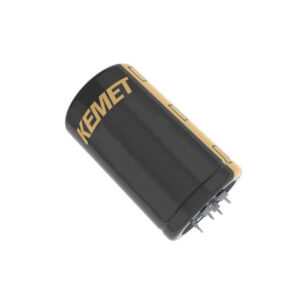 ALF40C391EE400View Product
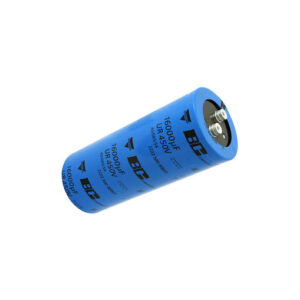 MAL250136103E3View Product
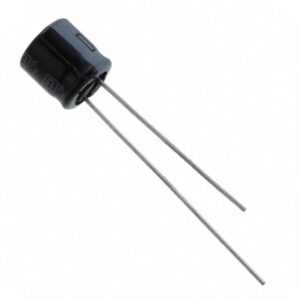 6.3MS7220M6.3X7View Product
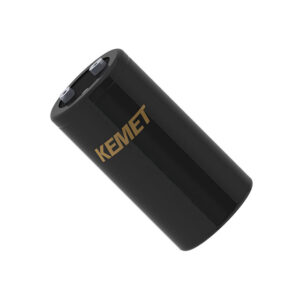 ALS80A752NS500View Product
 E36D451CDN352ZEM9UView Product
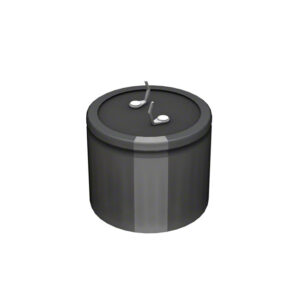 LPW123M1AP25V-WView ProductB41043A5567MView Product
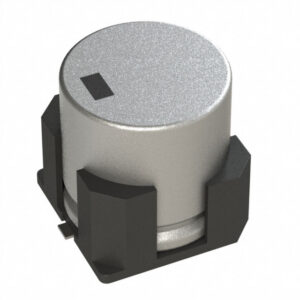 EEE-TP1E182VView Product
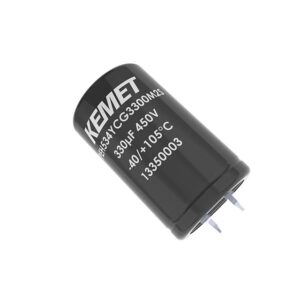 PEH534YDB3150M4View Product
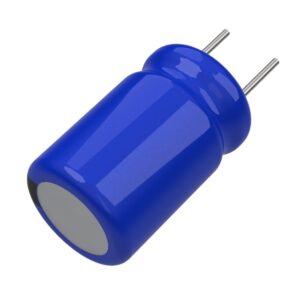 MAL214261221E3View Product
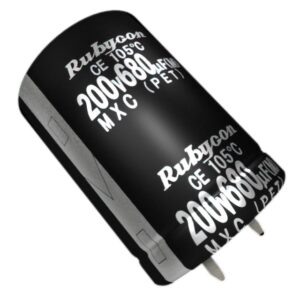 385MXC220MEFC22X50View Product
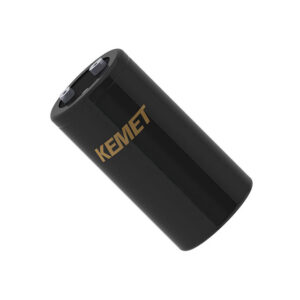 ALS71P512NP550View Product

See when an inductor behaves linearly, how DC bias and saturation reduce inductance, and which current and temperature curves to check.
Read More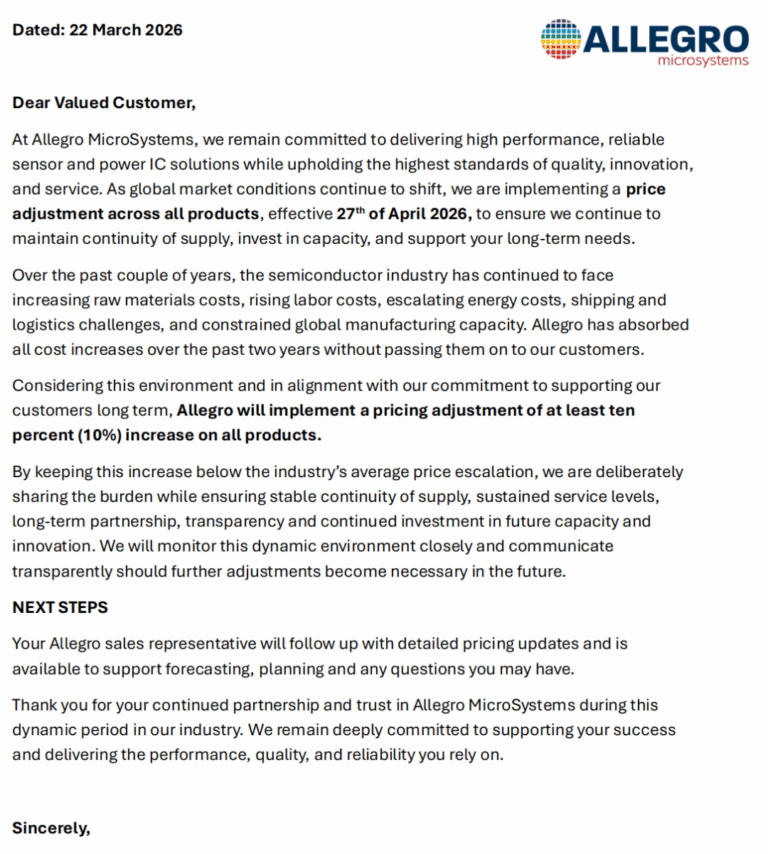
Manchester, New Hampshire, USA – March 22, 2026 – Allegro MicroSystems, Inc. (Nasdaq: ALGM), a global leader in high-performance power and sensing semiconductor solutions…
Read More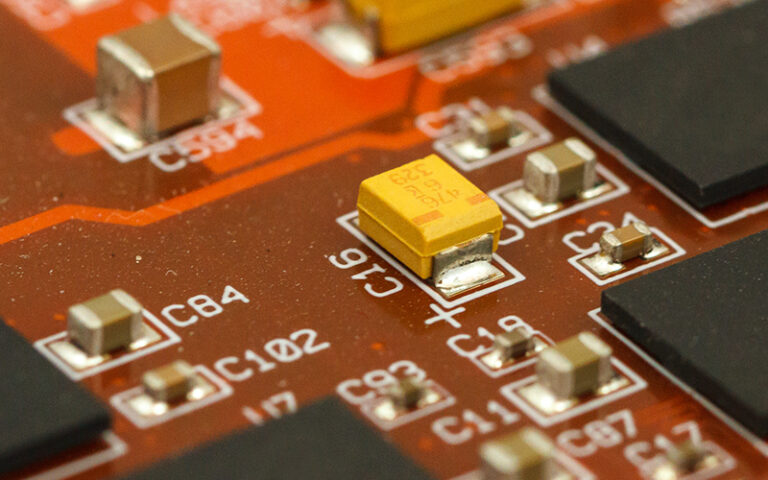
The global electronics industry is facing an escalating shortage of tantalum capacitors, a critical passive component, as surging demand from AI servers, automotive electronics,…
Read More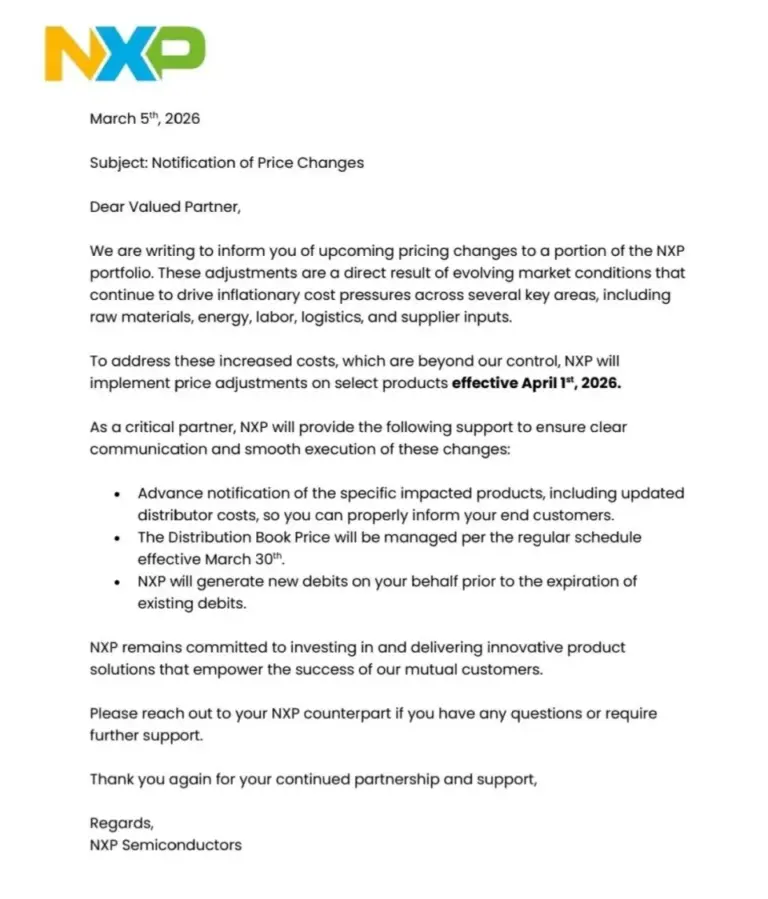
NXP Semiconductors (NASDAQ: NXPI), a global leader in automotive, industrial, and IoT semiconductors, has officially notified customers of an upcoming price adjustment for select…
Read More
On September 22nd, it was reported that Samsung Electronics, the South Korean tech giant, had successfully passed NVIDIA’s certification test for its 12-layer HBM3E…
Read More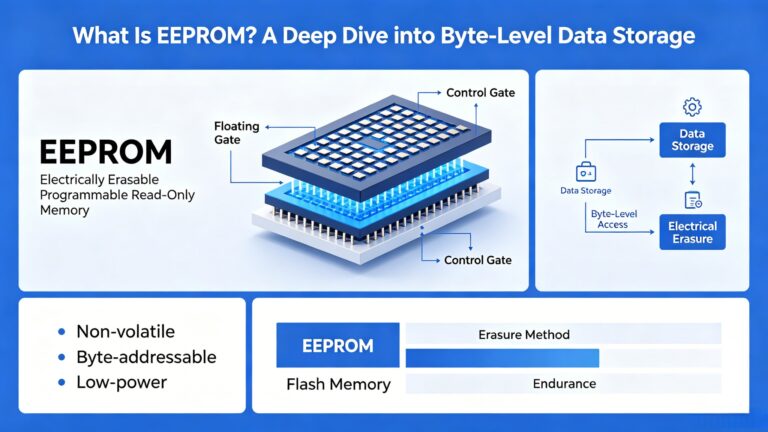
In the vast landscape of memory technology, EEPROM (Electrically Erasable Programmable Read-Only Memory) often plays the unsung hero. While NAND Flash grabs headlines for…
Read More
Select a bridge rectifier by reverse voltage, capacitor charging current, startup surge and cooling. Work through a stated DC voltage and ripple example.
Read More
Hsinchu, Taiwan – April 18, 2026 – United Microelectronics Corporation (UMC, NYSE: UMC), a leading global semiconductor foundry specializing in mature process technologies, has…
Read More
See how a MEMS gyroscope measures angular rate, why its angle estimate drifts, and which range, noise, interface and temperature specs to compare.
Read More
Selecting the right microcontroller (MCU) isn’t just about specs—it’s about balancing performance, power, cost, and supply chain reliability. As an engineer, you’ve probably faced…
Read More
The rapid advancement of artificial intelligence (AI) is transforming industries across the globe, and the world of electronic components is no exception. From smarter…
Read More
Understand tactile switches, PCB and keyboard differences, four-pin wiring, debounce, force, travel and replacement checks for reliable control inputs.
Read More
The activity of extra discounts on wholesale prices is in full swing…
Please fill in your contact information and we will send you the latest wholesale price list.