 ChipApex | Global Electronic Components Supplier

SEARCH
Search Product
Search Post
Search productSearch post
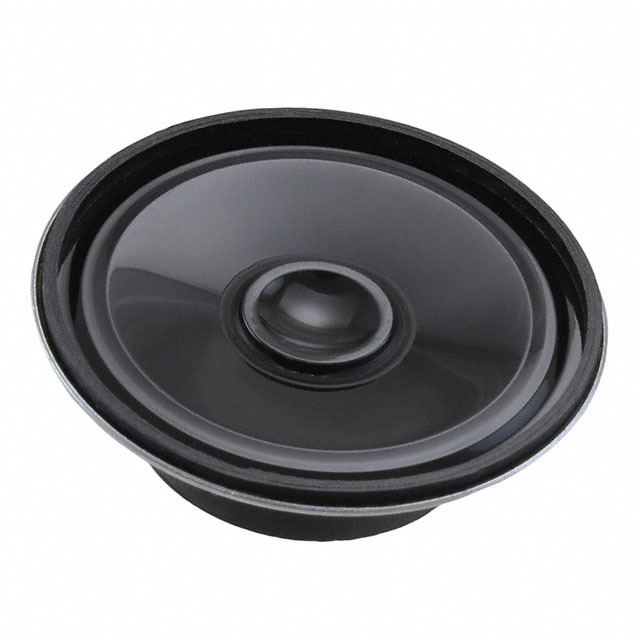
Speaker products are audio frequency electromagnetic transducers used primarily to turn energy in the format of an electrical signal into mechanical compression waves travelling through an atmospheric air environment for reproduction of speech, music, or similar material. Products designed for general purpose reproduction of partial regions of the human audible frequency range (subwoofers, woofers, tweeters, etc.) are included, as well as full range products and special purpose transducers tailored for headset or in-ear applications.
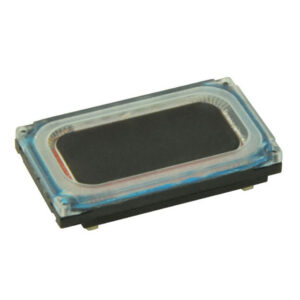 CMS-16093-078L100AView Product
 K 50 WPT - 8 OHMView Product
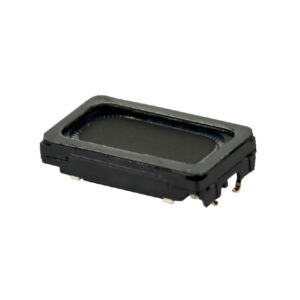 CMS-160918-30-SPView Product
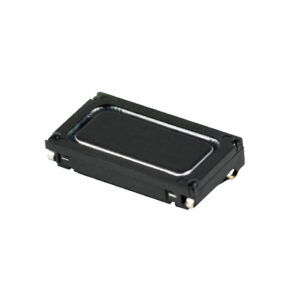 CMS-160916-30-SPView Product
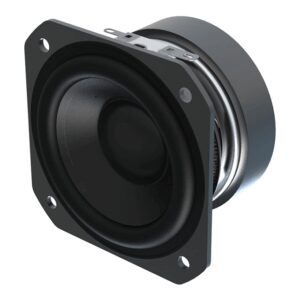 SUFR6325View Product
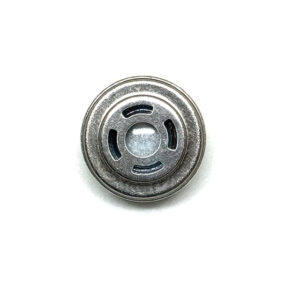 OWR-0920T-16CView Product
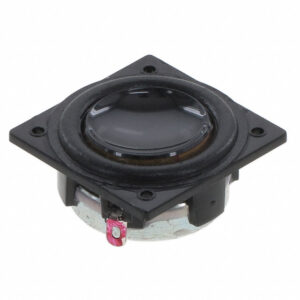 BF 32 S - 8 OHMView Product
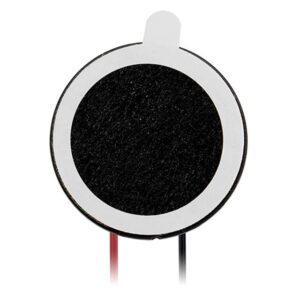 SPKM.17.8.AView Product
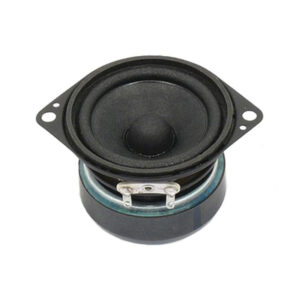 FRS 5 X - 8 OHMView Product
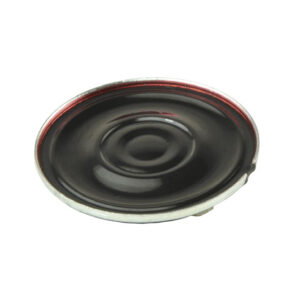 CMS-26418NView Product
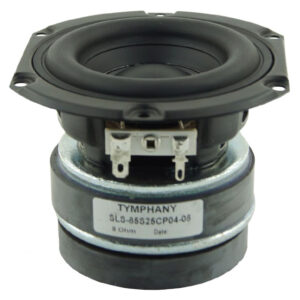 SLS-85S25CP04-08View Product
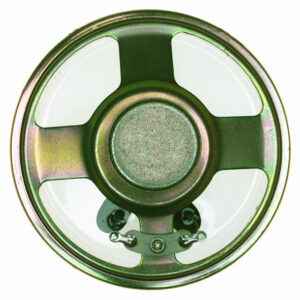 GA0501MView Product
Over the past week, the global electronic components sector has witnessed dual transformations in policy and technology: Coupled with mounting pressure from a worsening…
Read More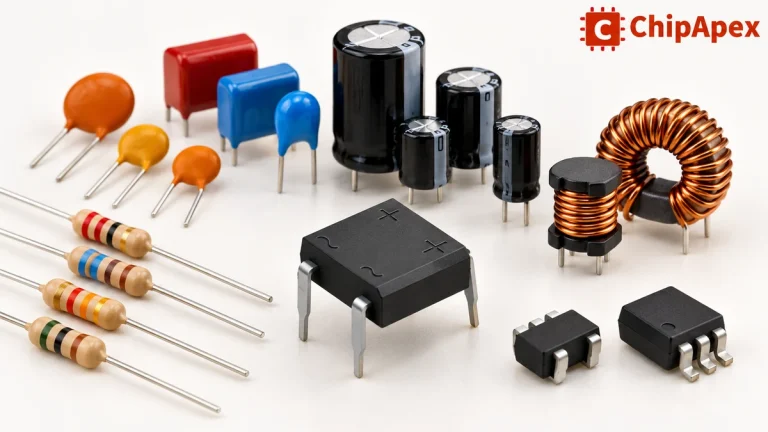
Explore electronic component types, functions, packages and datasheets. Learn selection, replacement and BOM checks before ordering parts for your PCB.
Read More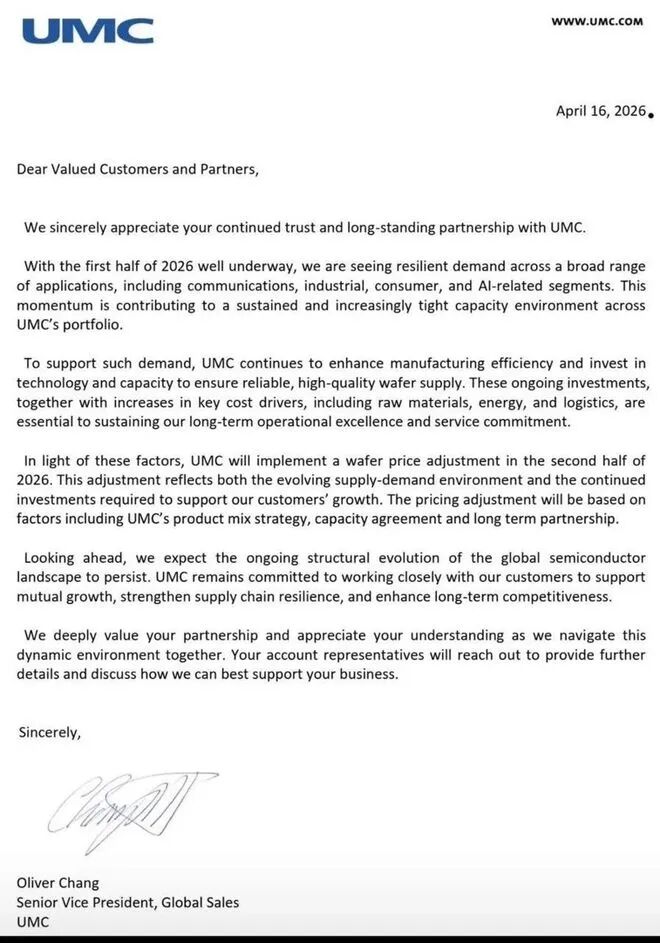
Hsinchu, Taiwan – April 18, 2026 – United Microelectronics Corporation (UMC, NYSE: UMC), a leading global semiconductor foundry specializing in mature process technologies, has…
Read More
The multilayer ceramic capacitor (MLCC) market has fallen into a severe structural supply crunch in the third quarter of 2026, driven by explosive demand…
Read More
Recently, the global electronic component market has witnessed a series of new developments. The strategic layouts and market collaborations of major enterprises are constantly…
Read More
Learn how optical sensing works, compare detection methods, and select sensors by target surface, ambient light, response time and electrical interface.
Read More
Recently, the global electronic component market has witnessed complex and changeable trends. In the memory chip sector, the wave of price increases continues to…
Read More
Compare variable capacitor types and varactor tuning. Understand capacitance-voltage curves, Q, bias and LC resonance before choosing a component.
Read More
Understand UART protocol framing, baud rate and electrical interfaces. Learn 8N1 timing, TX/RX wiring, buffering and practical troubleshooting steps.
Read More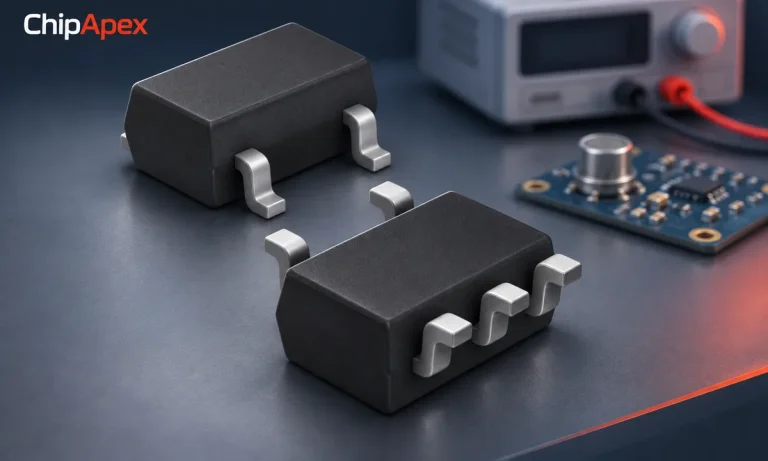
Understand how an LDO regulates voltage. Check dropout, noise, PSRR, output capacitors and heat before selecting a low-dropout regulator for your circuit.
Read More
Compare linear and switching voltage regulators with a worked power-loss example and practical checks for dropout, load transients, ripple, heat and EMI.
Read More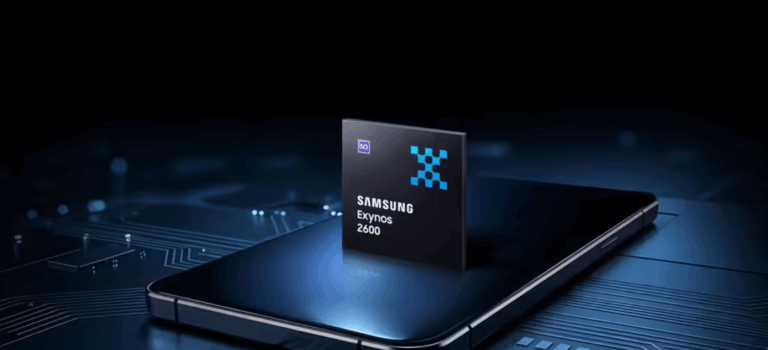
Tokyo / Munich / Tessenderlo, December 24, 2025 As the global semiconductor industry enters the first year of the 2nm process era, international electronic…
Read More
The activity of extra discounts on wholesale prices is in full swing…
Please fill in your contact information and we will send you the latest wholesale price list.

