 ChipApex | Global Electronic Components Supplier

SEARCH
Search Product
Search Post
Search productSearch post
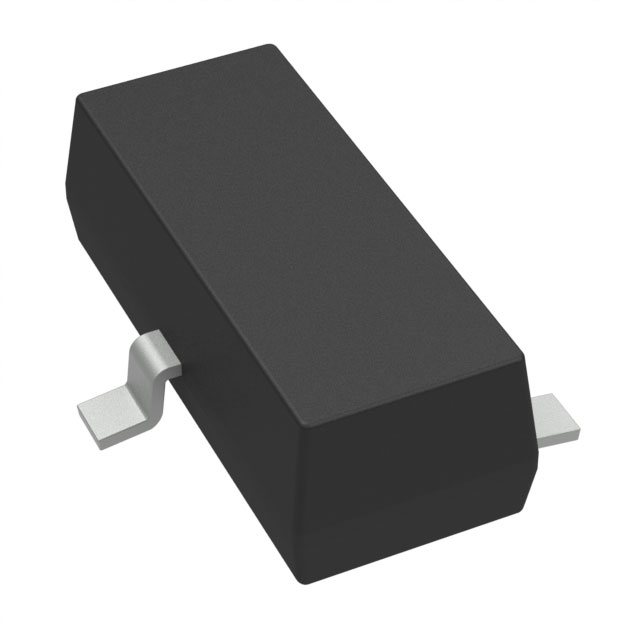
A PMIC Supervisors is designed to monitor and/or control voltage rails within a circuit with the ability to interface with a microcontroller to maintain certain power limits. The types of Supervisors are Battery Back-up Circuit, Monitor, Multi-Voltage Supervisor, Power Supply Monitor, Regulator/Supervisor, Reset Timer, Sequencer, Simple Reset/Power-On Reset, Smart On/Off Controller, System Manager, Voltage Detector, and Watchdog Circuit.
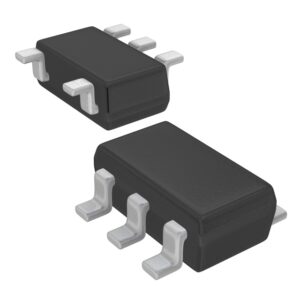 XC6123F730MR-GView ProductXC6118N44AMR-GView Product
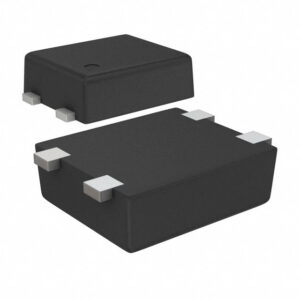 S-80153ANPF-JDETFUView Product
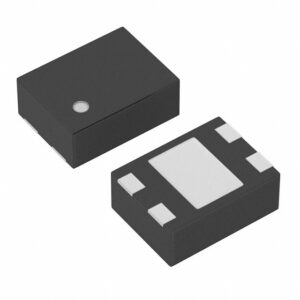 XC6118C15DGR-GView Product
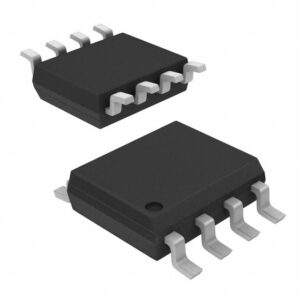 X4163S8I-2.7AView Product
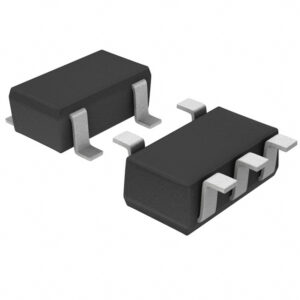 BD45E241G-MTRView Product
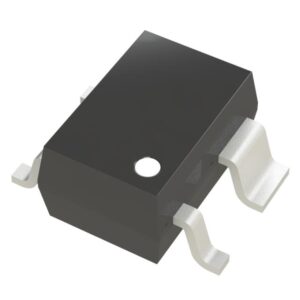 ADM6384YKS17D3Z-R7View Product
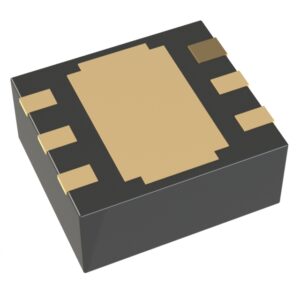 XC6122C620ER-GView Product
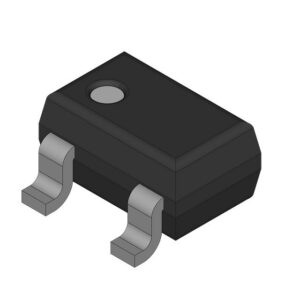 MAX6377XR31View Product
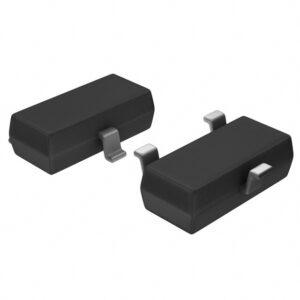 DS1816R-10/T&RView Product
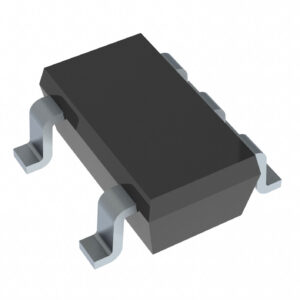 R3112N391A-TR-FEView Product
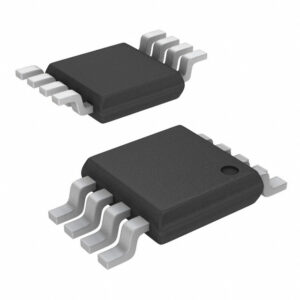 X4005M8IZ-4.5AView Product
Choose LED drivers by current, string voltage, dimming and thermal limits. Understand constant-current operation and the checks needed for your load.
Read More
Understand tactile switches, PCB and keyboard differences, four-pin wiring, debounce, force, travel and replacement checks for reliable control inputs.
Read More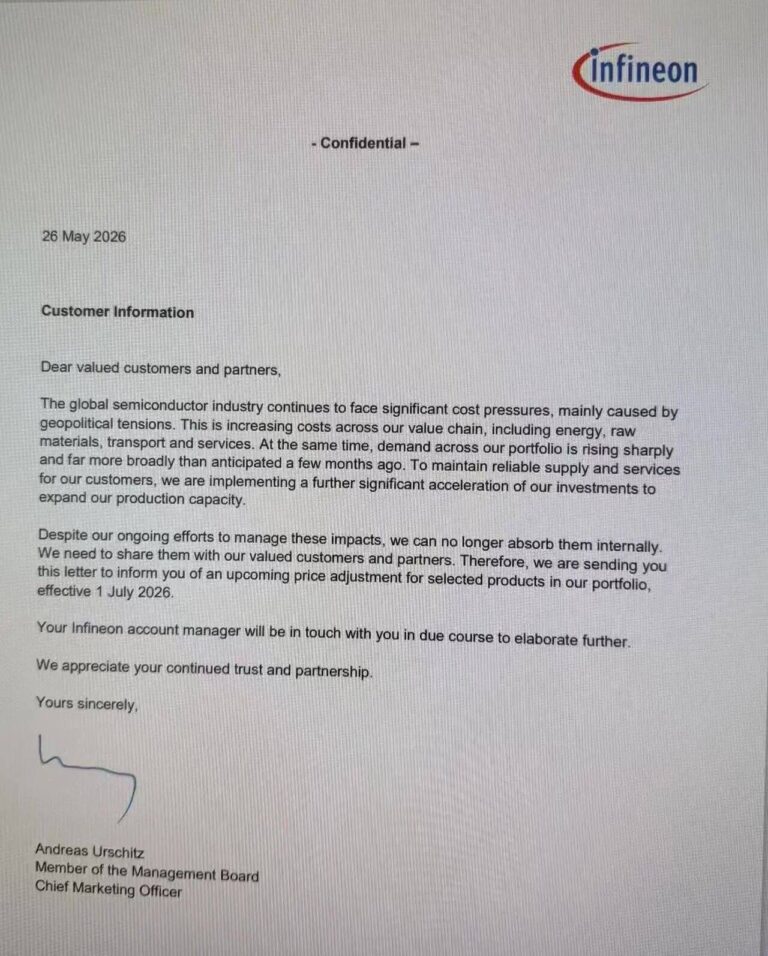
Munich, Germany – May 26, 2026 – Power semiconductor and automotive chip giant Infineon Technologies AG has formally notified customers worldwide of a second…
Read More
[Shenzhen/Shanghai/Beijing, January 2025] — As global digital transformation accelerates, the electronic components industry has reached a critical inflection point in 2025. Emerging fields such…
Read More
ChipApex – May 8, 2026 Texas Instruments (TI), the global leader in analog and embedded semiconductors, has officially notified customers of an upcoming company-wide…
Read More
Choose an ADC converter by resolution, sample rate, noise and input design. Review practical tradeoffs and prepare component requirements for ChipApex.
Read More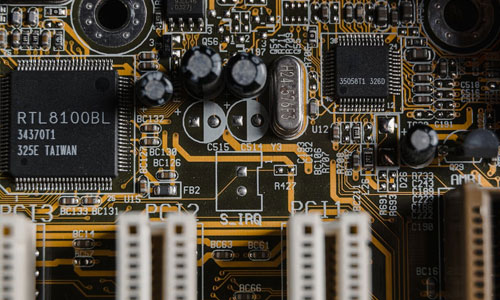
The rapid advancement of artificial intelligence (AI) is transforming industries across the globe, and the world of electronic components is no exception. From smarter…
Read More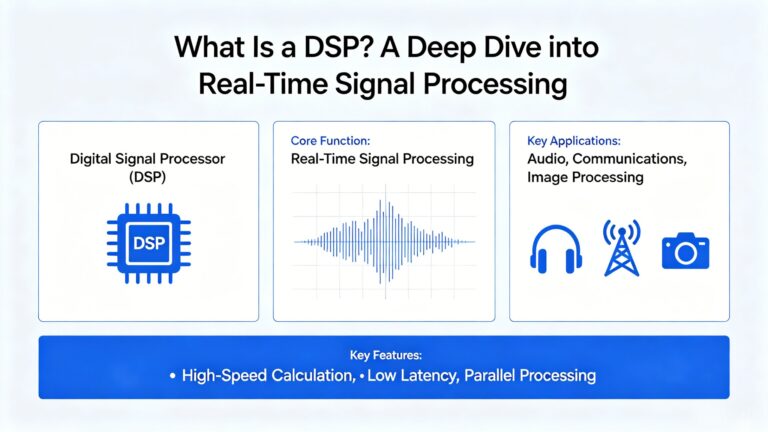
In the embedded world, general-purpose CPUs are great at running operating systems, and MCUs excel at logic control. But when you need to process…
Read More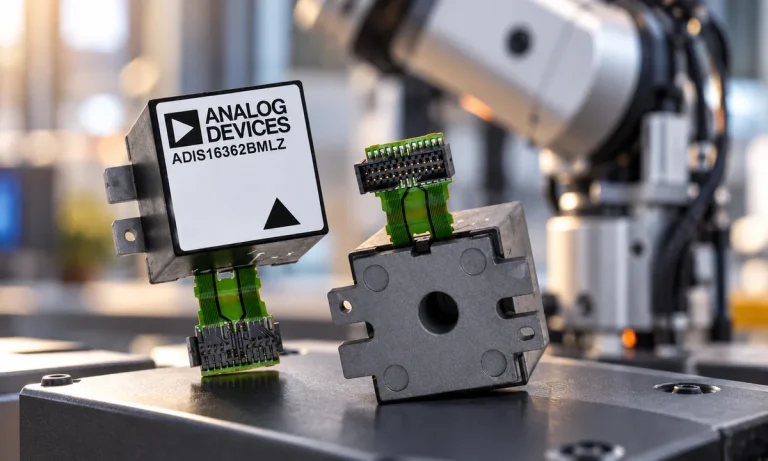
Learn what an IMU measures, how accelerometers and gyroscopes work together, why orientation estimates drift, and what to compare.
Read More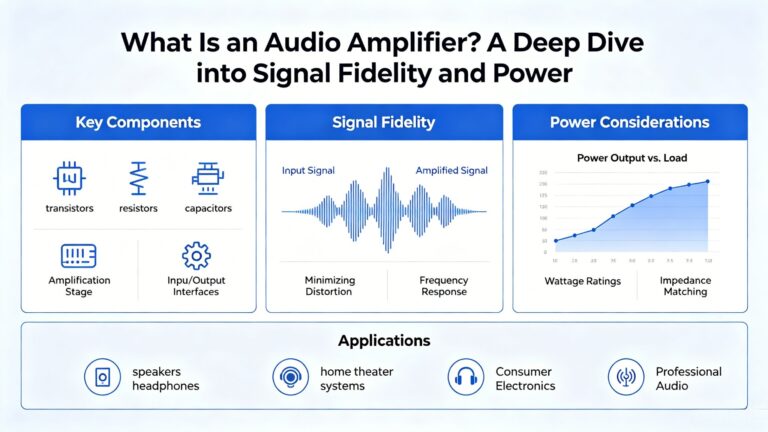
In the world of embedded electronics, getting a device to "think" is only half the battle. The other half is getting it to communicate…
Read More
Vishay Intertechnology, Inc., a global leader in discrete semiconductors and passive electronic components, has officially announced a price adjustment for its Metal-Oxide-Semiconductor Field-Effect Transistors…
Read More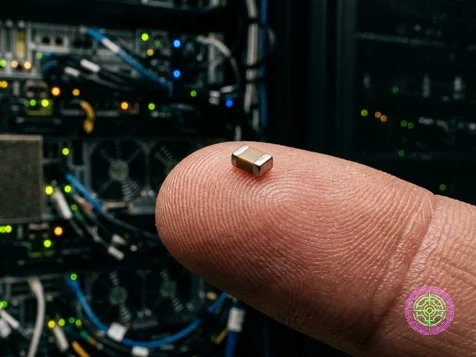
The multilayer ceramic capacitor (MLCC) market has fallen into a severe structural supply crunch in the third quarter of 2026, driven by explosive demand…
Read More
The activity of extra discounts on wholesale prices is in full swing…
Please fill in your contact information and we will send you the latest wholesale price list.

