 ChipApex | Global Electronic Components Supplier

SEARCH
Search Product
Search Post
Search productSearch post
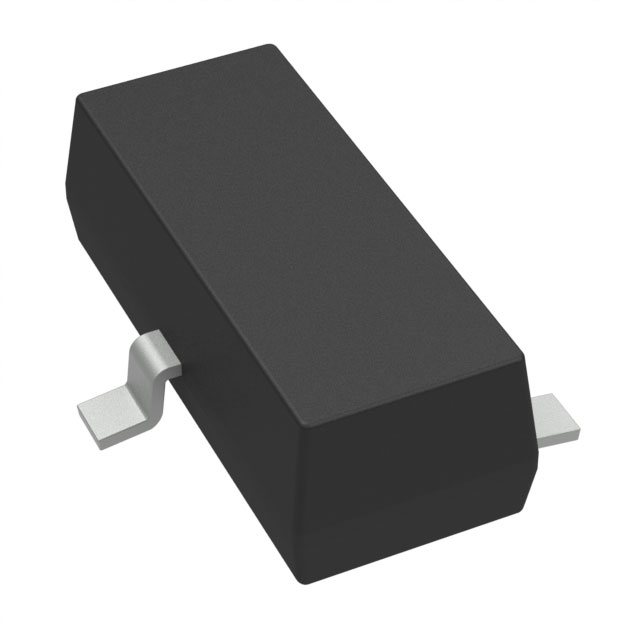
A PMIC Supervisors is designed to monitor and/or control voltage rails within a circuit with the ability to interface with a microcontroller to maintain certain power limits. The types of Supervisors are Battery Back-up Circuit, Monitor, Multi-Voltage Supervisor, Power Supply Monitor, Regulator/Supervisor, Reset Timer, Sequencer, Simple Reset/Power-On Reset, Smart On/Off Controller, System Manager, Voltage Detector, and Watchdog Circuit.
| Select products | Mfr | Description | Package | Supplier Device Package | Mounting Type | Series | Operating Temperature |
|---|---|---|---|---|---|---|---|
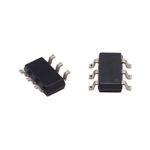 AEIC-3700-S01TR $1.79 | Broadcom Limited | VOLTAGE MONITOR 3 TO 5.5V 125C 1 | Bulk | SOT-23-6 | Surface Mount | - | -40°C ~ 125°C (TA) |
AEIC-3700-S30TR $2.20 | Broadcom Limited | VOLTAGE MONITOR 3 TO 5.5V 125C 3 | Tape & Reel (TR),Cut Tape (CT) | SOT-23-6 | Surface Mount | - | -40°C ~ 125°C (TA) |
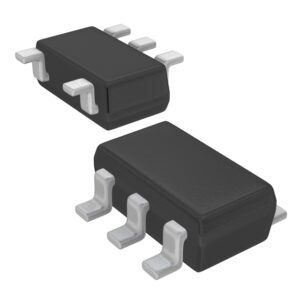 XC6127N26BMR-GView ProductXC6127C38EMR-GView Product
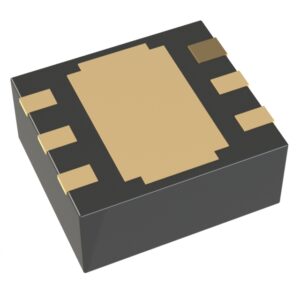 XC6121E427ER-GView Product
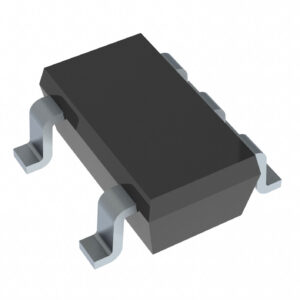 R3119N053A-TR-FEView Product
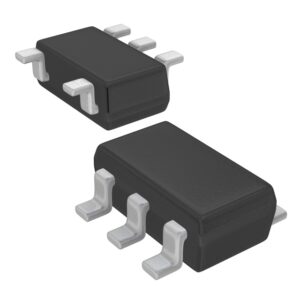 XC6123E518MR-GView Product
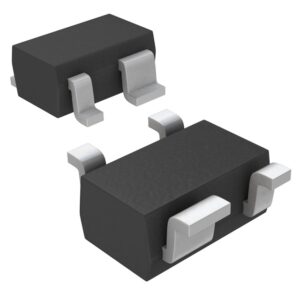 MAX6388XS18D7-TView Product
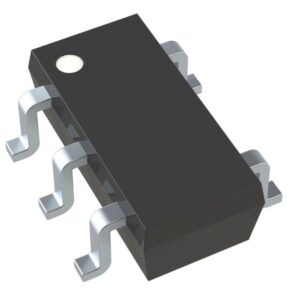 MIC2774H-17YM5-TRView ProductMAX6386XS29D5-TView Product
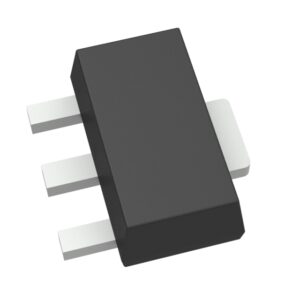 AZ7031RTR-G1View Product
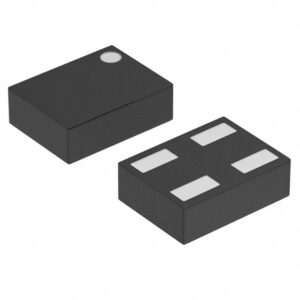 XC6127C16K7R-GView Product
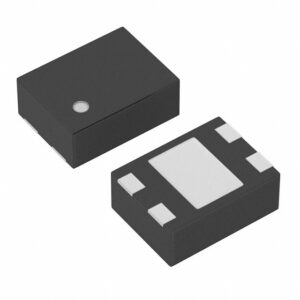 XC6118C46DGR-GView Product
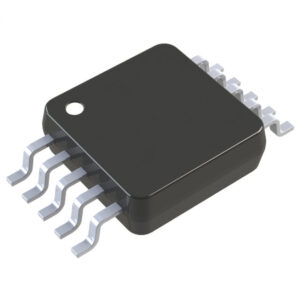 S-19405A47A-K8T2U4View Product
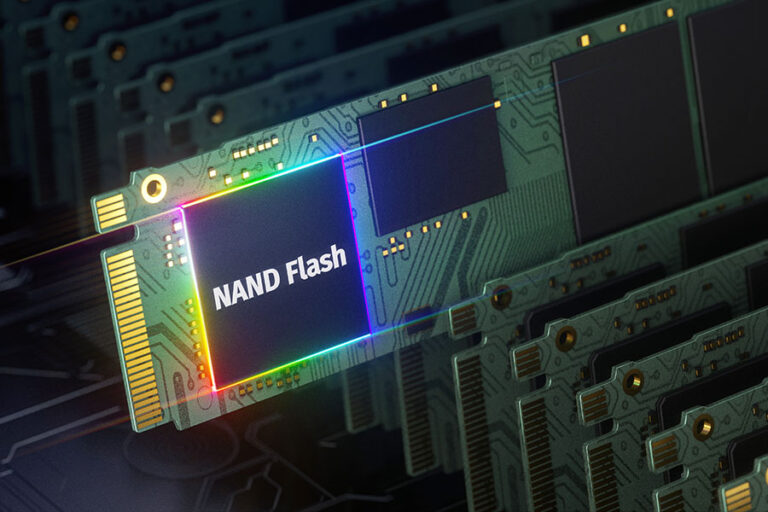
What Is NAND Flash? A Practical Guide for Engineers & Procurement Teams In today’s data-driven world—from smartphones and SSDs to industrial IoT devices—NAND flash…
Read More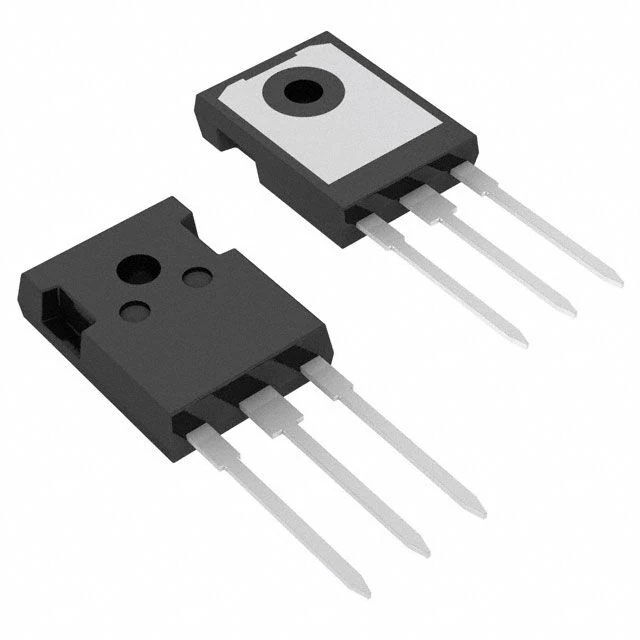
Learn how an IGBT works, compare MOSFET and IGBT losses, and check switching energy, gate drive, thermal limits and protection using a worked example.
Read More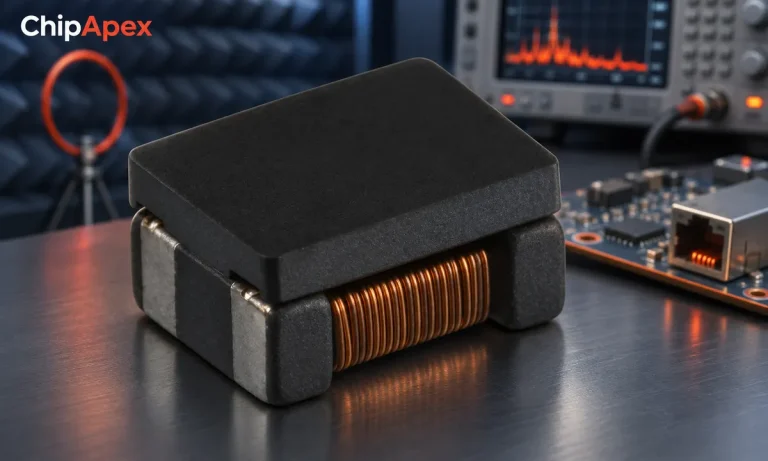
Select a common mode choke using noise frequency, current, insulation and signal integrity. Understand impedance curves, layout and filter limitations.
Read More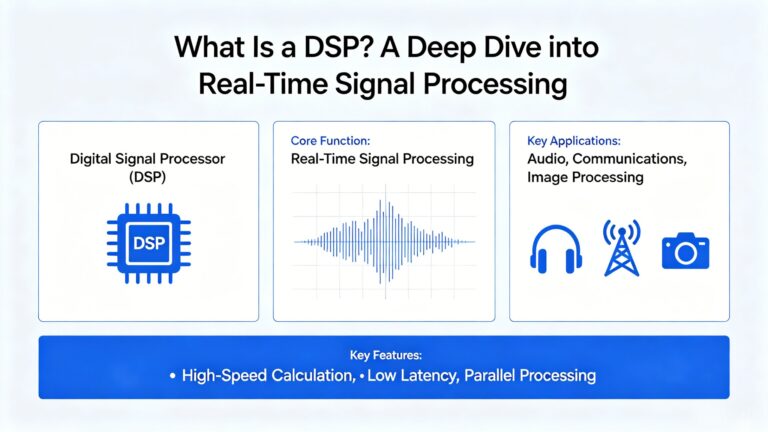
In the embedded world, general-purpose CPUs are great at running operating systems, and MCUs excel at logic control. But when you need to process…
Read More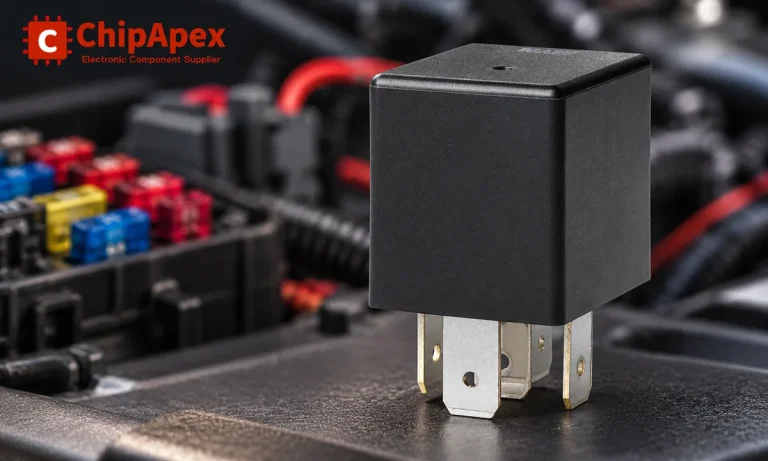
Learn the relay definition, coil and contact operation, NO and NC forms, load ratings and suppression choices. Compare mechanical, reed and solid-state types.
Read More
Wilmington, Mass. & Milpitas, Calif. – May 19, 2026 – Analog Devices, Inc. (NASDAQ: ADI), a global leader in high-performance analog and mixed-signal semiconductors,…
Read More
Choose LED drivers by current, string voltage, dimming and thermal limits. Understand constant-current operation and the checks needed for your load.
Read More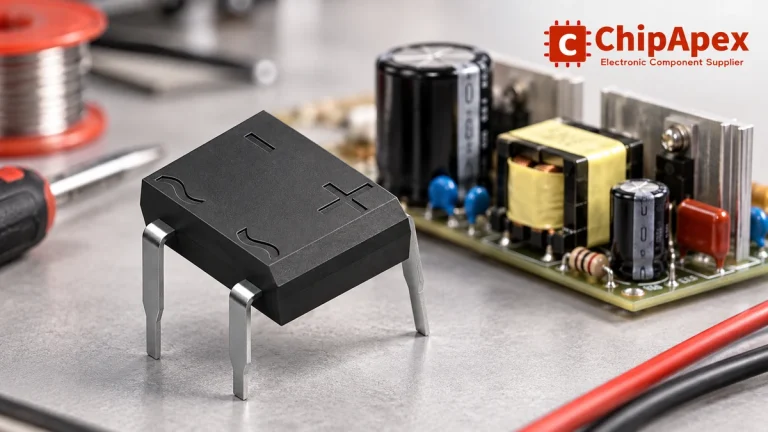
Select a bridge rectifier by reverse voltage, capacitor charging current, startup surge and cooling. Work through a stated DC voltage and ripple example.
Read More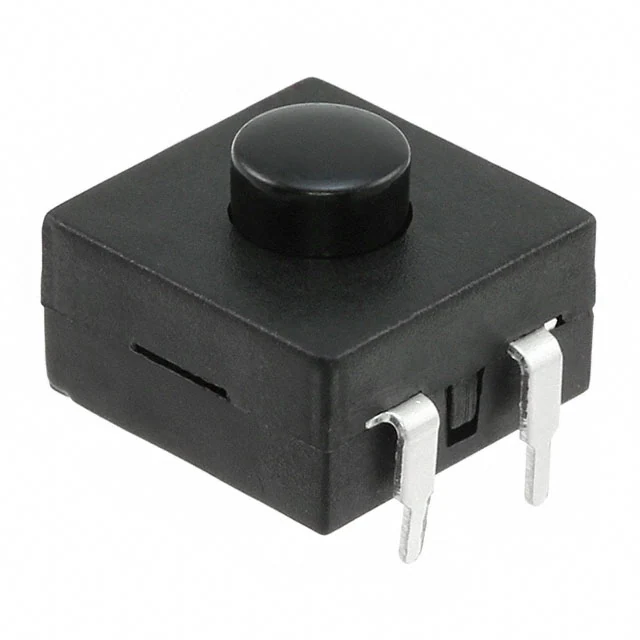
Compare momentary and latching push button switches. Check NO/NC contacts, micro-load current, illumination terminals, panel fit and replacement requirements.
Read More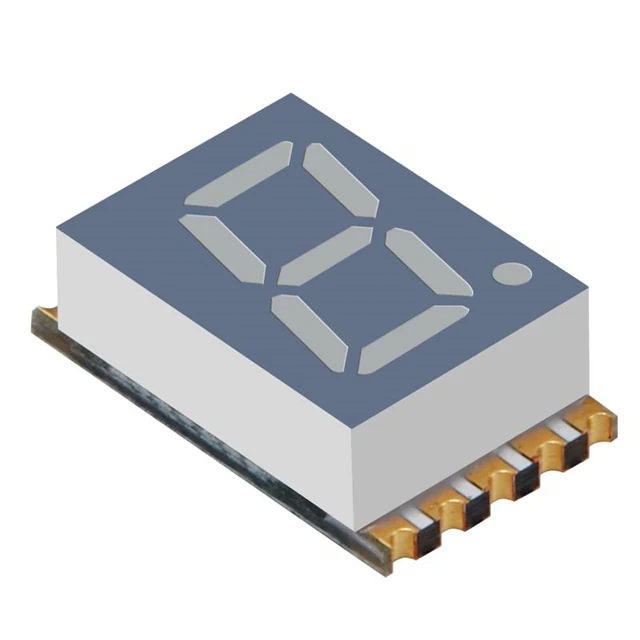
Identify common-anode and common-cathode seven-segment displays, calculate segment resistors and check driver current and four-digit multiplex timing.
Read More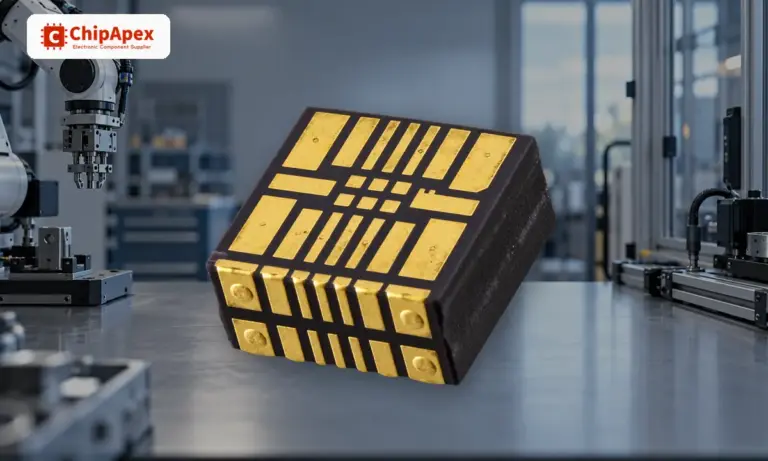
See how a MEMS gyroscope measures angular rate, why its angle estimate drifts, and which range, noise, interface and temperature specs to compare.
Read MoreA digital-to-analog converter (DAC) turns a digital number into an analog voltage or current. It lets a controller set a physical output, such as…
Read More
The activity of extra discounts on wholesale prices is in full swing…
Please fill in your contact information and we will send you the latest wholesale price list.

