 ChipApex | Global Electronic Components Supplier

SEARCH
Search Product
Search Post
Search productSearch post
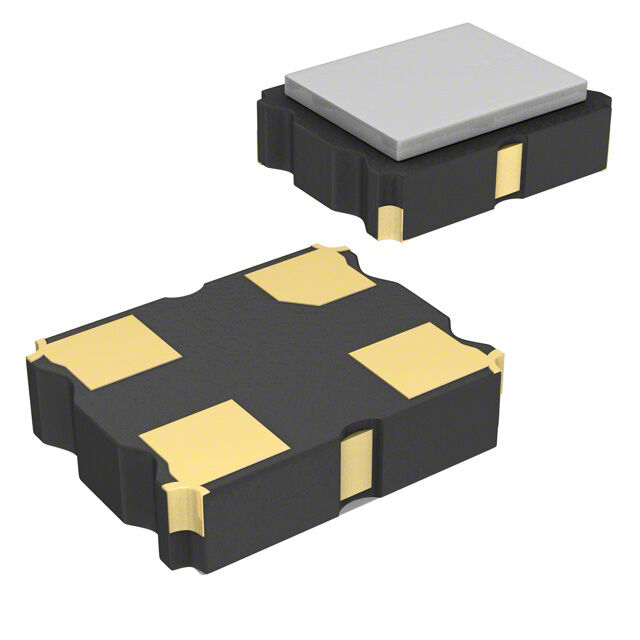
Oscillator products are used as frequency/time reference sources, distinguished from crystal products often used for similar purposes by their integration of additional functions for maintenance and stabilization of the resulting output. In minimal form, they consist of a crystal or other resonant element plus functions needed to allow a user to obtain a frequency reference without extensive attention to the operation of the resonant element. More advanced devices integrate temperature compensation or control functions in order to obtain a more stable reference or one capable of selective adjustment.
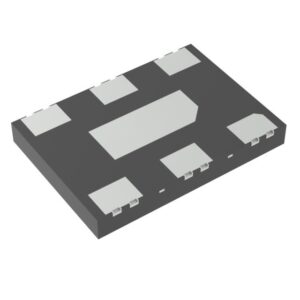 SIT3372AI-1E2-25NY10.000000View Product
 18QHTF53-66.734-PDView Product
 SG-8018CA 12.8832M-TJHSA0View Product
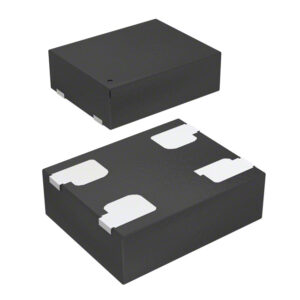 SIT1602ACE11-33E-19.200000View ProductSG-8101CA 162.4500M-TCHSA0View Product
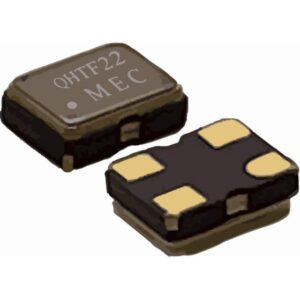 18QHTF22-45.600-PDView Product
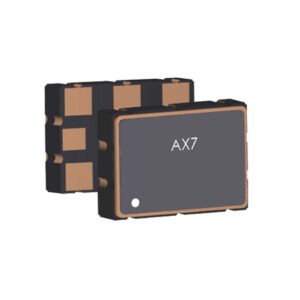 AX7PAF3-880.0000CView Product
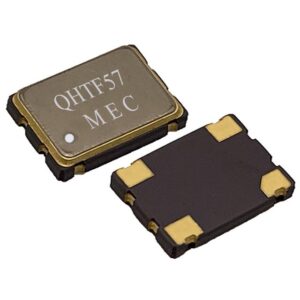 18QHTF57-104.000-PDView Product
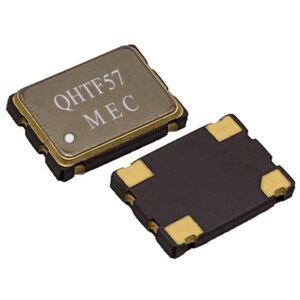 3QHTF57-150.633-PDView Product
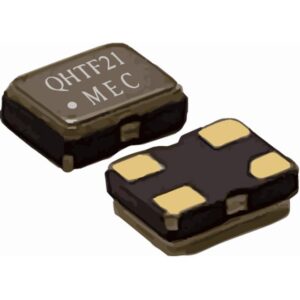 3QHTF21-20.000-PDView Product
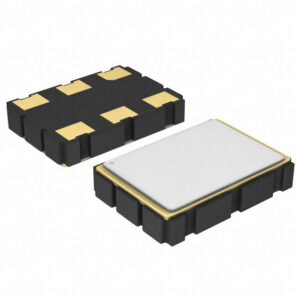 SG3225EEN 25.000625M-CDGA3View Product
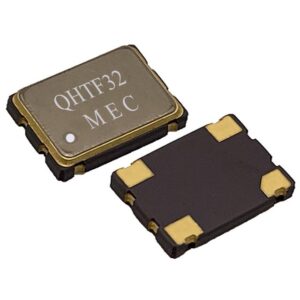 18QHTF32-69.8693-PDView Product
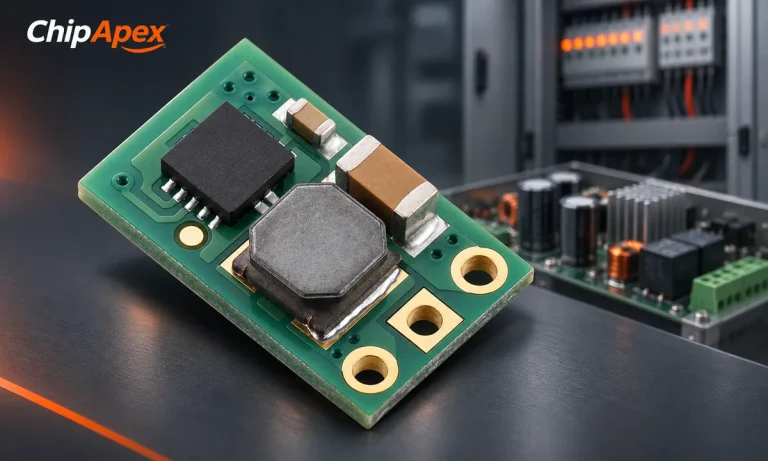
Select a DC-DC converter by input range, topology, isolation and temperature. Compare ripple, efficiency and load limits before choosing a component.
Read More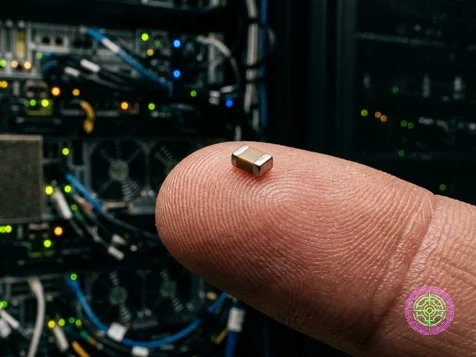
The multilayer ceramic capacitor (MLCC) market has fallen into a severe structural supply crunch in the third quarter of 2026, driven by explosive demand…
Read More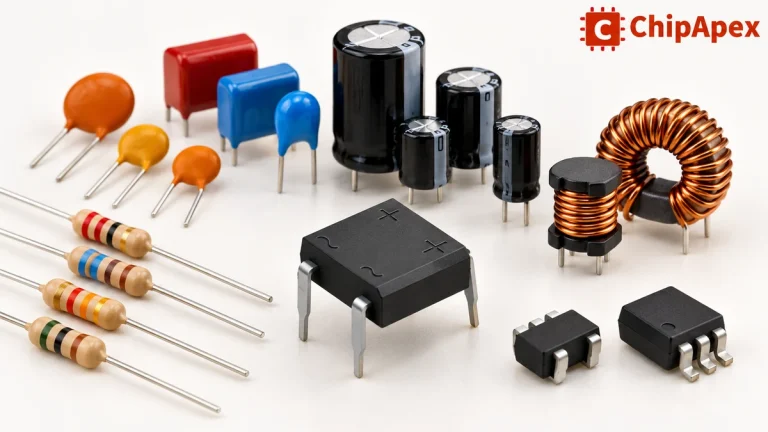
Explore electronic component types, functions, packages and datasheets. Learn selection, replacement and BOM checks before ordering parts for your PCB.
Read More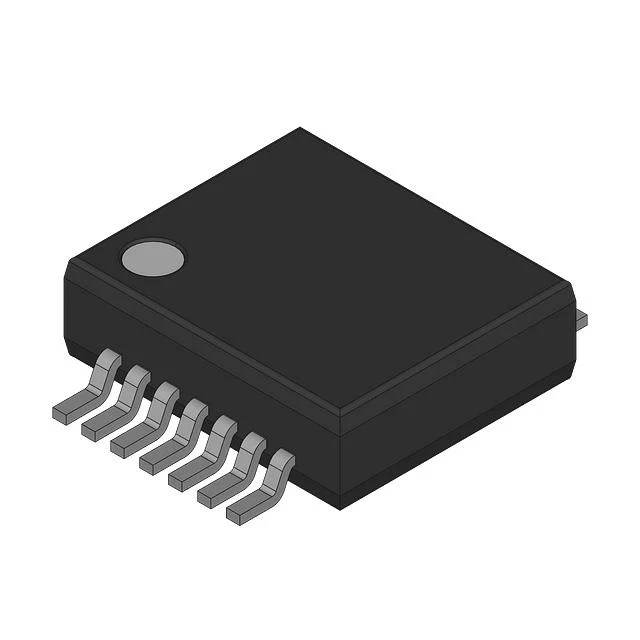
Learn how logic gates work, read AND, NAND and XOR truth tables, and choose a gate IC by input thresholds, output levels, propagation delay…
Read More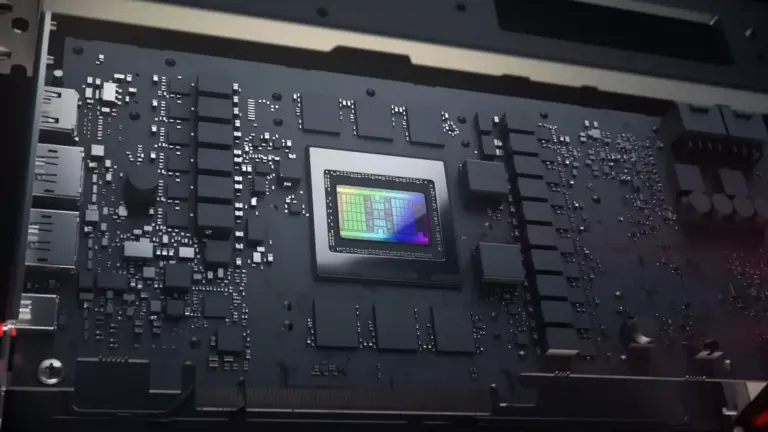
Latest updates from leading semiconductor manufacturers: Wolfspeed launches new SiC modules, AMD reveals MI430X with HBM4, TSMC eyes third Japan fab, and Samsung samples…
Read More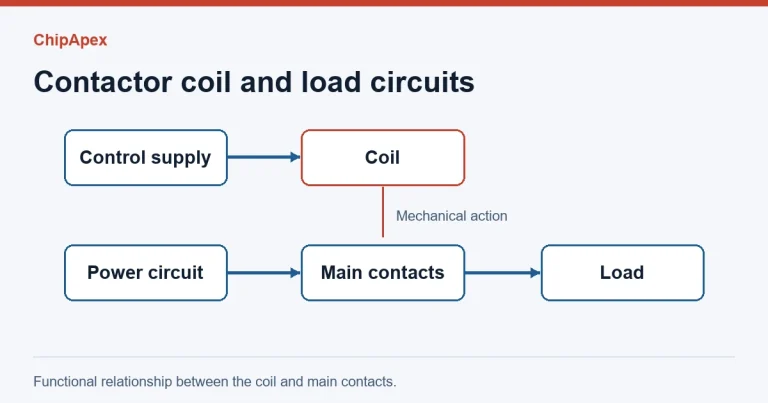
Learn what a contactor does, how it differs from a relay or starter, and how to check coil voltage, motor duty and protection before…
Read More
Learn what data acquisition means, from sensors and conditioning to sampling and storage. Review channel timing, wiring, calibration and data quality.
Read More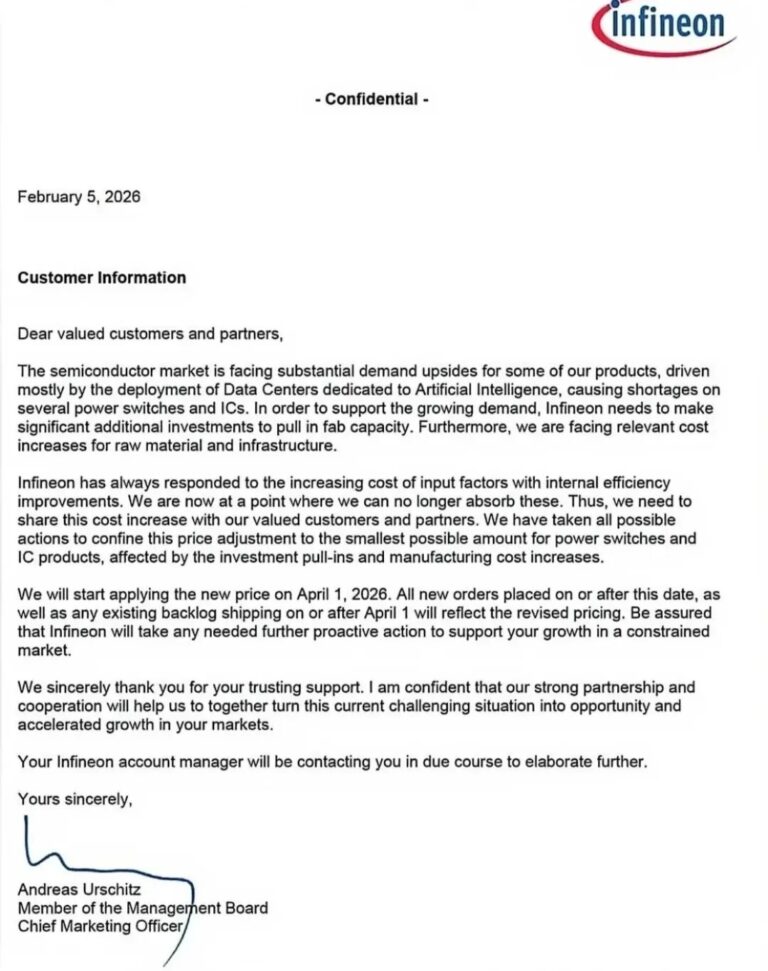
Munich, Germany – February 8, 2026 — Infineon Technologies, the German semiconductor giant, officially issued a price increase notice on February 5, announcing that…
Read More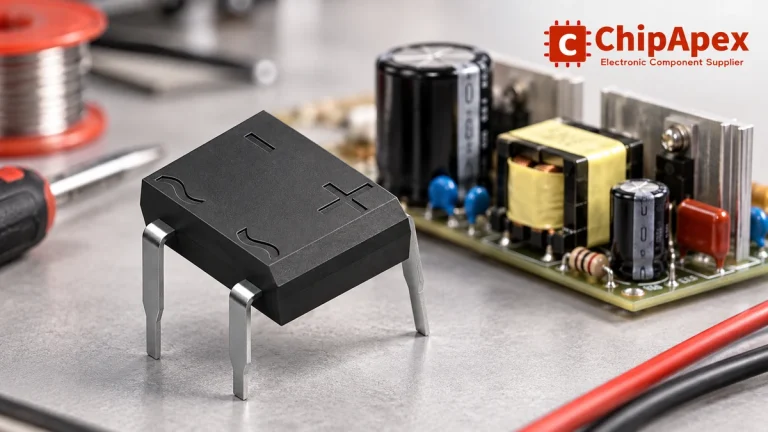
Select a bridge rectifier by reverse voltage, capacitor charging current, startup surge and cooling. Work through a stated DC voltage and ripple example.
Read More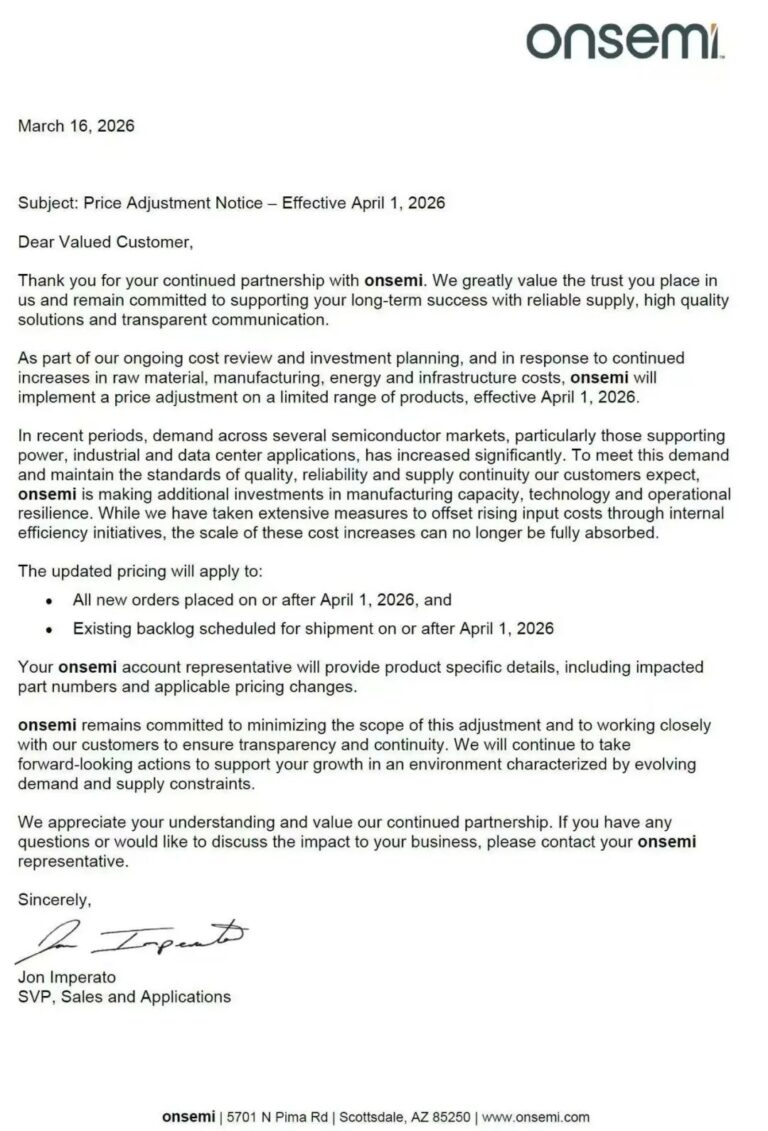
ON Semiconductor (onsemi), a global leader in intelligent power and sensing technologies, has announced plans to implement price adjustments for select product lines, effective…
Read More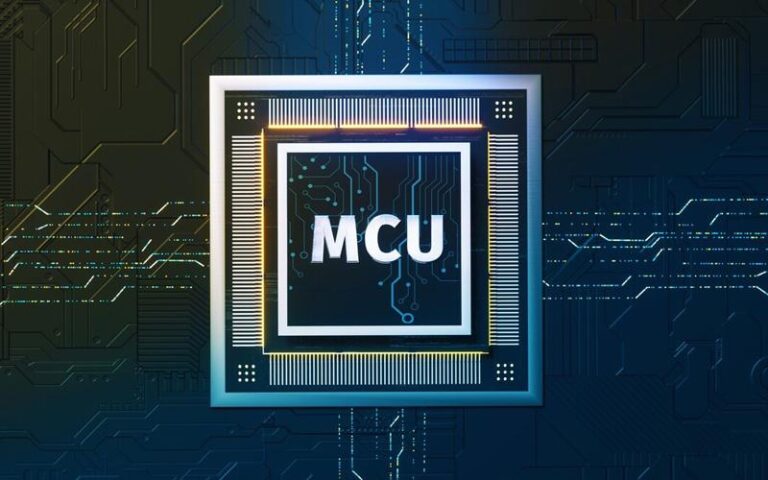
Selecting the right microcontroller (MCU) isn’t just about specs—it’s about balancing performance, power, cost, and supply chain reliability. As an engineer, you’ve probably faced…
Read More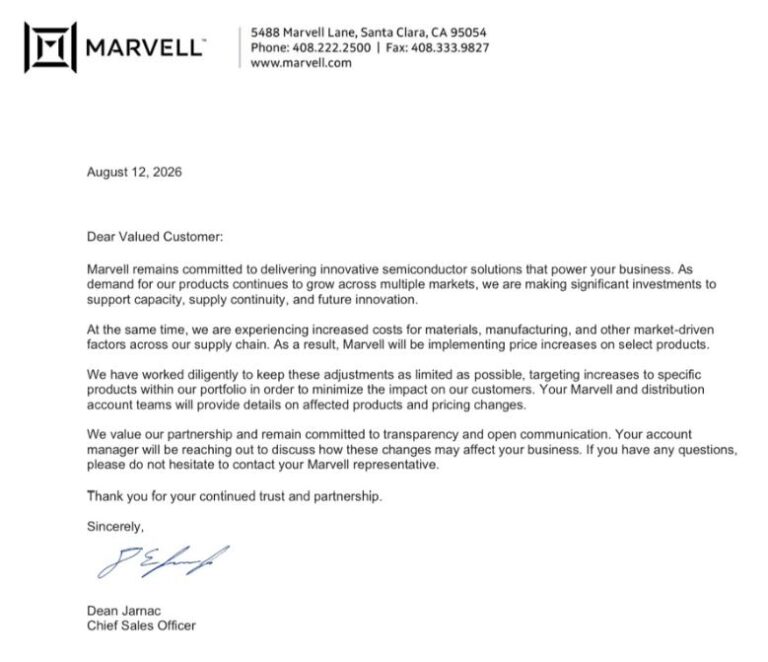
SANTA CLARA, Calif. — Leading semiconductor solution provider Marvell Technology (NASDAQ: MRVL) officially rolled out a selective price adjustment for its core electronic component…
Read More
The activity of extra discounts on wholesale prices is in full swing…
Please fill in your contact information and we will send you the latest wholesale price list.

