ChipApex | Global Electronic Components Supplier

SEARCH
Search Product
Search Post
— IC芯片 | 连接器 | 传感器 | 被动器件 —
Search productSearch post
— IC芯片 | 连接器 | 传感器 | 被动器件 —
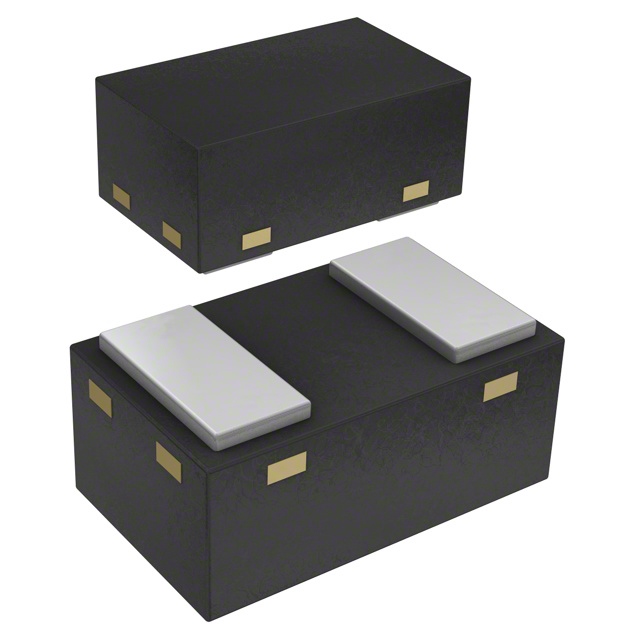
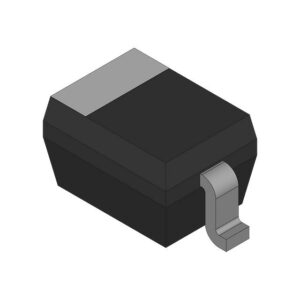
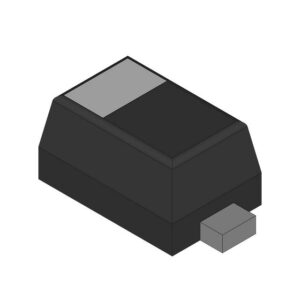
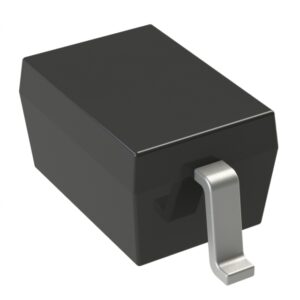
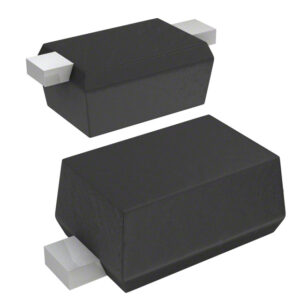
A varactor diode—also known as a varicap or tuning diode—is a type of semiconductor diode designed to operate in reverse bias, where it behaves like a variable capacitor rather than a typical rectifier. Its core function is to exploit the voltage-dependent capacitance of a reverse-biased PN junction, where the width of the depletion region changes with applied voltage, altering the capacitance. This feature makes varactors indispensable in electronic tuning applications, such as frequency modulation (FM), phase-locked loops (PLLs), voltage-controlled oscillators (VCOs), and RF filters. Varactors do not conduct in reverse bias and are used purely for their capacitive behavior. Additionally, MOS varactors—metal-oxide-semiconductor based—offer improved linearity and integration in CMOS technologies, making them suitable for modern RF IC designs. When selecting a varactor, several key parameters must be considered to ensure optimal performance in the target application. Capacitance range and tuning ratio (the ratio of maximum to minimum capacitance) are critical, as they determine how much frequency variation can be achieved. Quality factor (Q) affects signal purity and is especially important in high-frequency RF circuits. Engineers must also consider series resistance, reverse breakdown voltage, and package type, particularly in space-constrained or temperature-sensitive environments. Although varactors are compact and energy-efficient, their non-linear capacitance-voltage curve can introduce distortion, and they typically have a limited tuning range compared to mechanical alternatives. Nonetheless, for most automatic tuning, frequency modulation, and bandwidth control applications, varactors provide a solid-state solution that’s fast, reliable, and easier to integrate into modern analog and RF systems.

Find out when a bare shock switch needs a pull resistor, when an MCU internal pull-up is enough, and why sensor modules and piezo…
Read More
Choose tactile switches by operating force, travel, actuator height, footprint and lifetime. Check debounce, sealing and the assembled button mechanism.
Read More
Recently, global semiconductor manufacturers have been constantly making moves in aspects such as technological cooperation, product manufacturing processes, and market layout, demonstrating the rapid…
Read More
Compare thermistors, RTDs, thermocouples and temperature ICs. Learn how range, accuracy, response, interfaces and mounting affect component selection.
Read More
On October 1, 2025 local time, OpenAI, an artificial intelligence research company, announced the establishment of a cooperative relationship with Samsung Electronics and SK…
Read More
Recently, a survey by the Electronic Components Industry Association (ECIA) revealed that the sales sentiment of global electronic components remained optimistic in the third…
Read More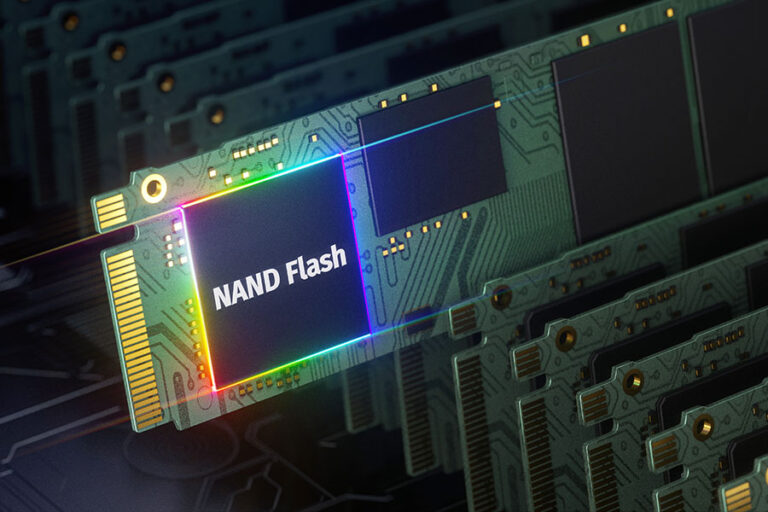
What Is NAND Flash? A Practical Guide for Engineers & Procurement Teams In today’s data-driven world—from smartphones and SSDs to industrial IoT devices—NAND flash…
Read More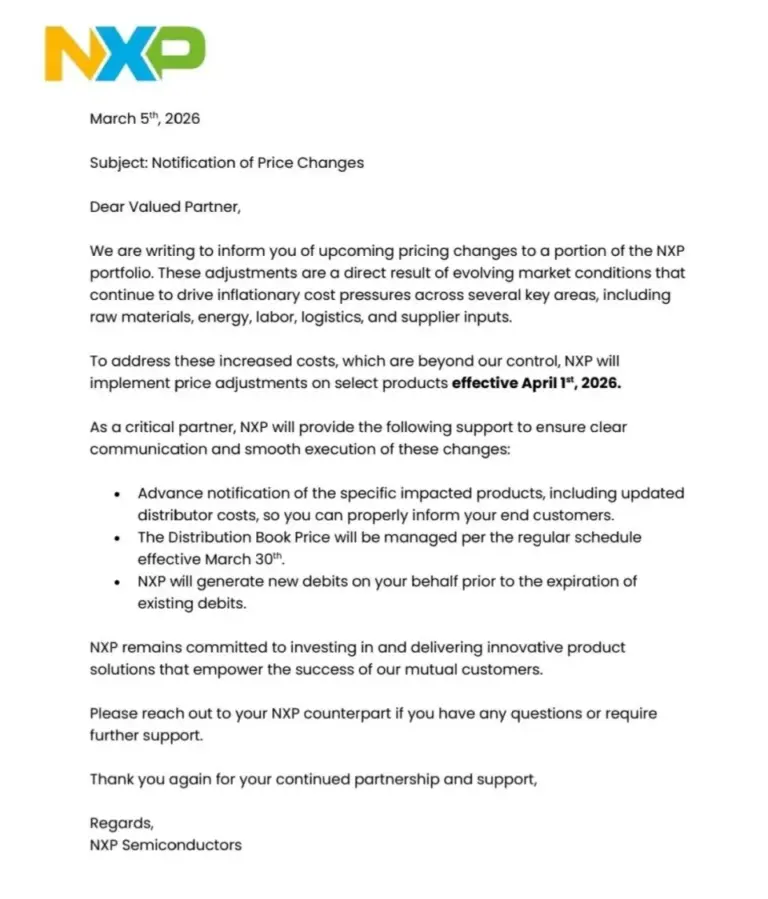
NXP Semiconductors (NASDAQ: NXPI), a global leader in automotive, industrial, and IoT semiconductors, has officially notified customers of an upcoming price adjustment for select…
Read More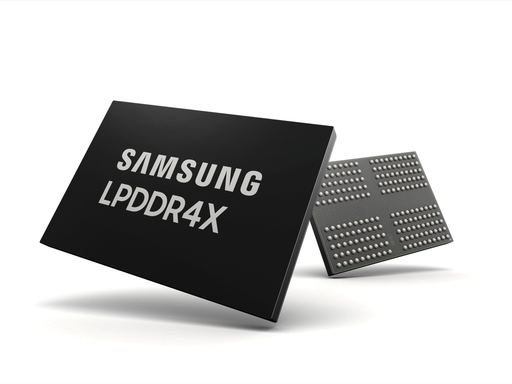
Samsung Electronics, the world’s largest memory chip manufacturer, has officially confirmed the end-of-life (EOL) for its LPDDR4 and LPDDR4X low-power DRAM products, marking a…
Read More
If you’ve spent any time staring at a schematic, you’ve seen the triangle. Two inputs, one output, and a gain symbol that looks deceptively…
Read More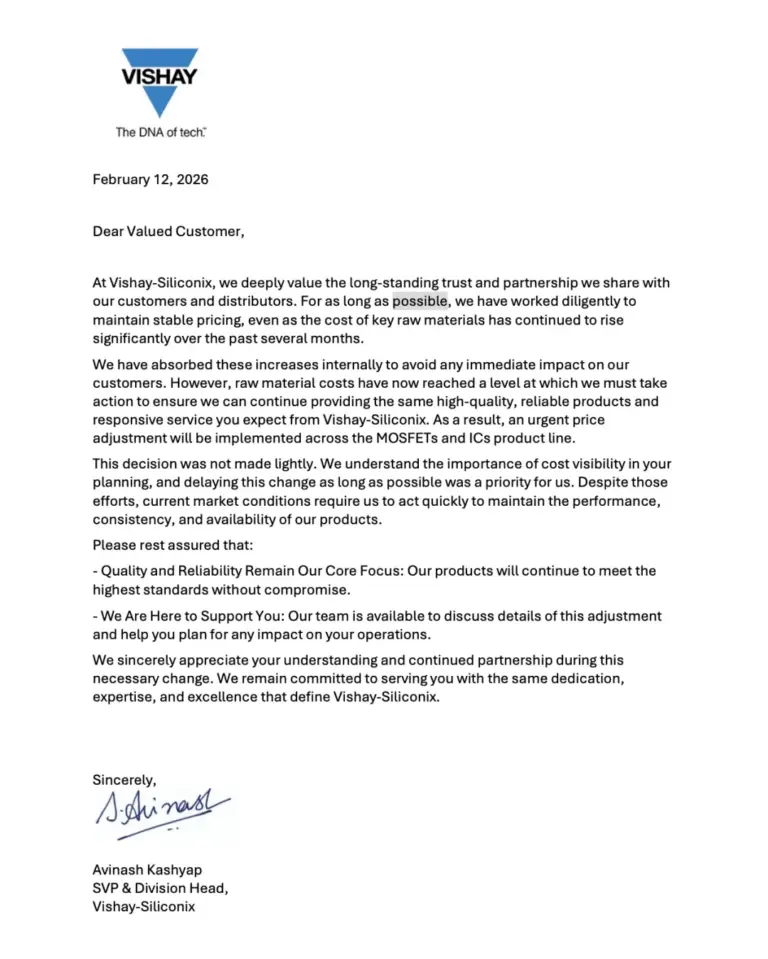
Vishay Intertechnology, Inc., a global leader in discrete semiconductors and passive electronic components, has officially announced a price adjustment for its Metal-Oxide-Semiconductor Field-Effect Transistors…
Read More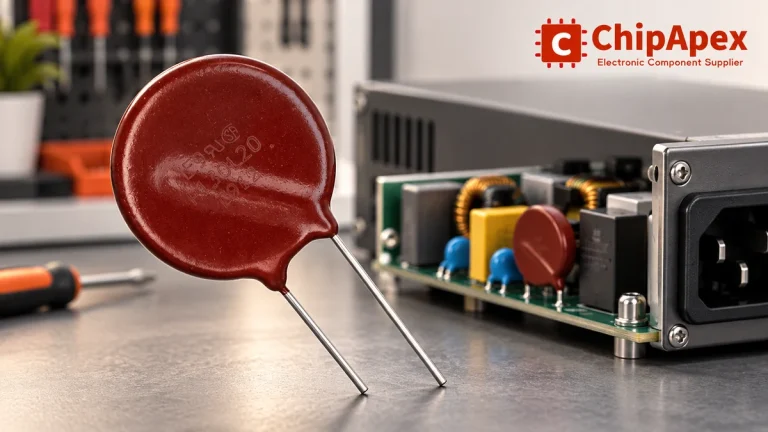
Select MOV varistors by continuous voltage, clamping behavior, surge waveform and repetition. Check thermal disconnection, fuse coordination and replacements.
Read More
The activity of extra discounts on wholesale prices is in full swing…
Please fill in your contact information and we will send you the latest wholesale price list.