ChipApex | Global Electronic Components Supplier

SEARCH
Search Product
Search Post
— IC芯片 | 连接器 | 传感器 | 被动器件 —
Search productSearch post
— IC芯片 | 连接器 | 传感器 | 被动器件 —
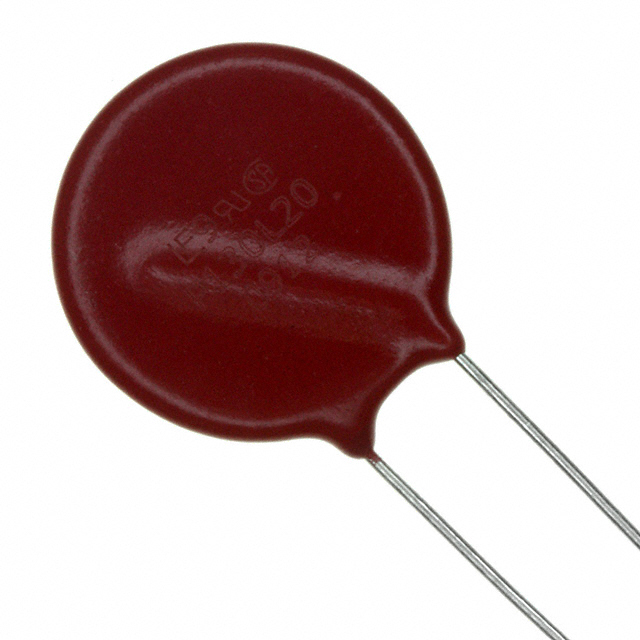
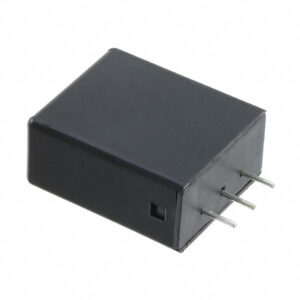
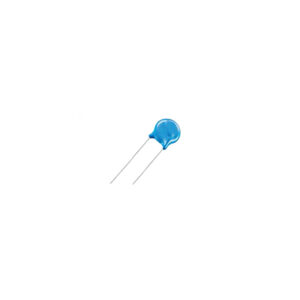
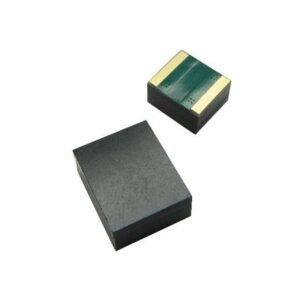
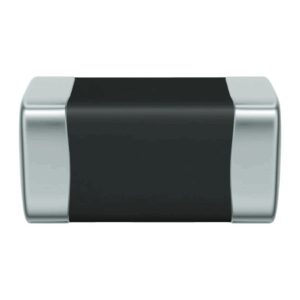
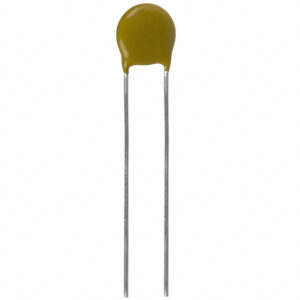
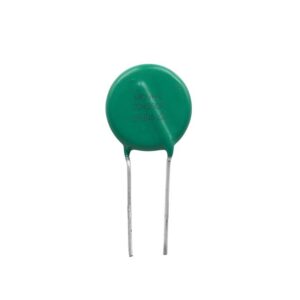
A varistor, also known as a Metal Oxide Varistor (MOV), is an electronic component with a variable resistance that changes with applied voltage. This nonlinear semiconductor device functions as a protective element in electronic circuits by responding to voltage transients and surges that exceed normal operating levels. When exposed to typical circuit voltages, varistors maintain high resistance, allowing them to remain essentially invisible in the circuit. However, when voltage spikes occur, the varistor\'s resistance dramatically decreases, creating a low-resistance path that diverts excess energy away from sensitive components. MOVs are widely used in surge protectors, power supplies, and industrial equipment where protection from overvoltage conditions is critical, with zinc oxide (ZnO) being the most common material used in their construction. When a varistor fails, it typically does so in one of two ways: it may fail as an open circuit after absorbing multiple surges over time that gradually degrade its structure, or more catastrophically, it may fail as a short circuit, potentially causing overheating, smoke, or even fire if not properly fused. While varistors are indeed surge protectors, they represent just one component within comprehensive surge protection systems. Other characteristics that define varistors include: 1) fast response times typically measured in nanoseconds, 2) voltage ratings that must be selected to match the circuit\'s normal operating conditions, 3) energy absorption capabilities measured in joules that determine how much transient energy they can safely dissipate, and 4) leakage current specifications that indicate how much current passes through the device during normal operation.
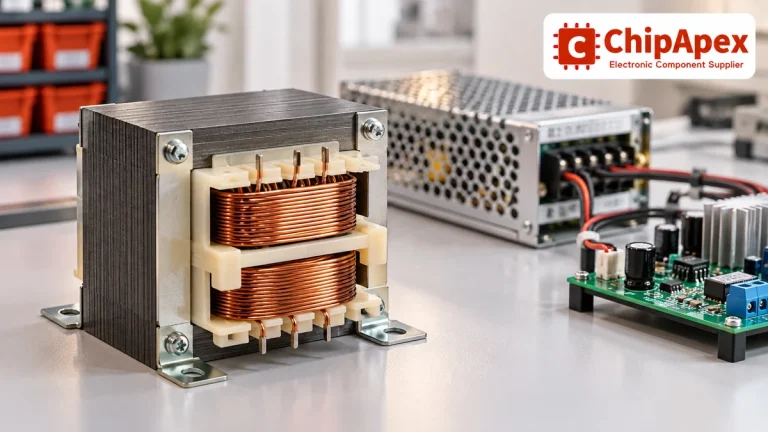
Select power transformers by input frequency, secondary VA, rectifier load, isolation, regulation and inrush. Build a clearer specification for your next RFQ.
Read More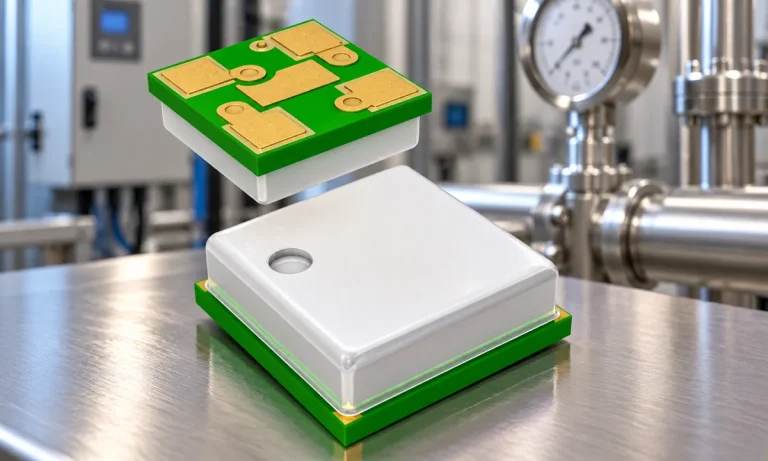
Learn how a pressure transducer converts pressure into voltage, current, or digital output, and compare pressure references and key selection specs.
Read More
See how a MEMS gyroscope measures angular rate, why its angle estimate drifts, and which range, noise, interface and temperature specs to compare.
Read More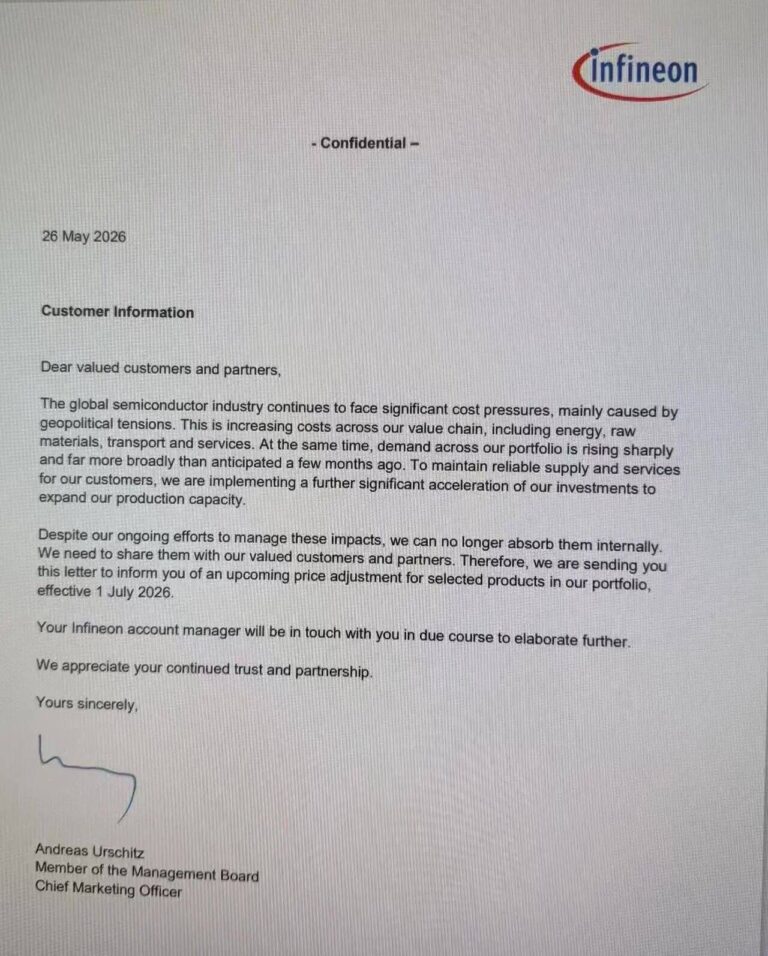
Munich, Germany – May 26, 2026 – Power semiconductor and automotive chip giant Infineon Technologies AG has formally notified customers worldwide of a second…
Read More
[Shenzhen/Shanghai/Beijing, January 2025] — As global digital transformation accelerates, the electronic components industry has reached a critical inflection point in 2025. Emerging fields such…
Read More
Selecting the right microcontroller (MCU) isn’t just about specs—it’s about balancing performance, power, cost, and supply chain reliability. As an engineer, you’ve probably faced…
Read More
Find out when a bare shock switch needs a pull resistor, when an MCU internal pull-up is enough, and why sensor modules and piezo…
Read More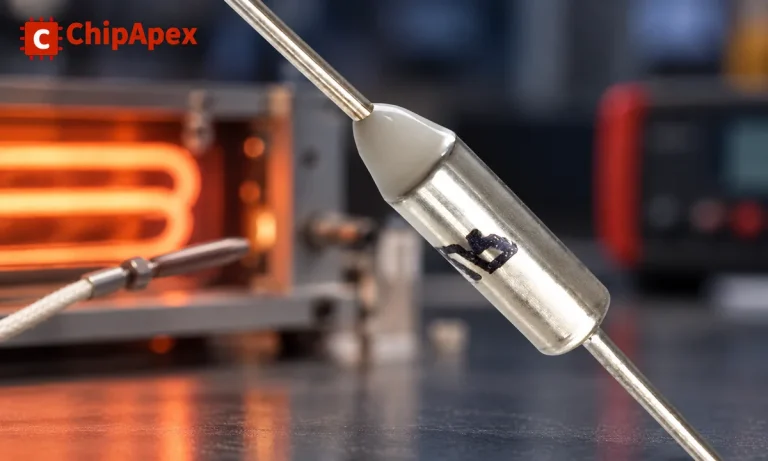
Understand thermal fuse operation, Tf, Th and Tm, electrical ratings and mounting. Check temperature limits and replacement requirements for your design.
Read More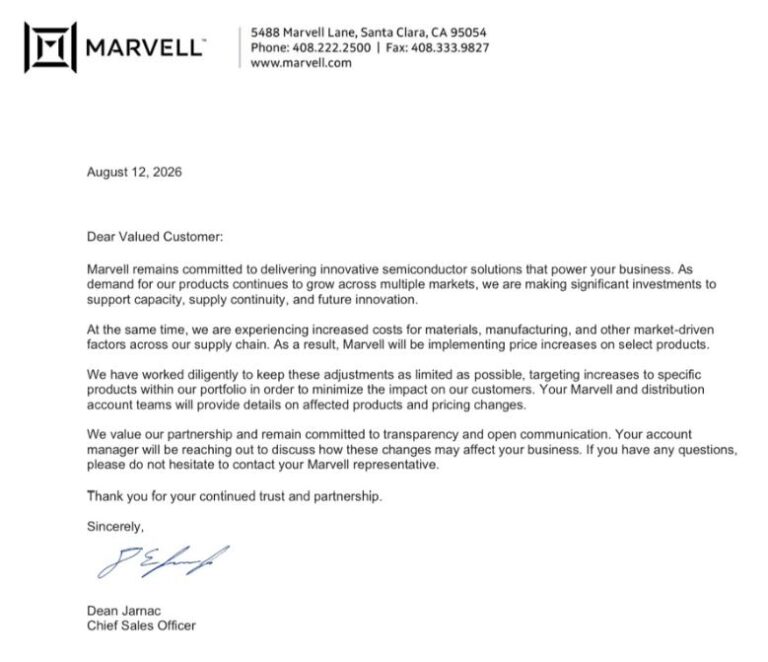
SANTA CLARA, Calif. — Leading semiconductor solution provider Marvell Technology (NASDAQ: MRVL) officially rolled out a selective price adjustment for its core electronic component…
Read More
Compare thermistors, RTDs, thermocouples and temperature ICs. Learn how range, accuracy, response, interfaces and mounting affect component selection.
Read More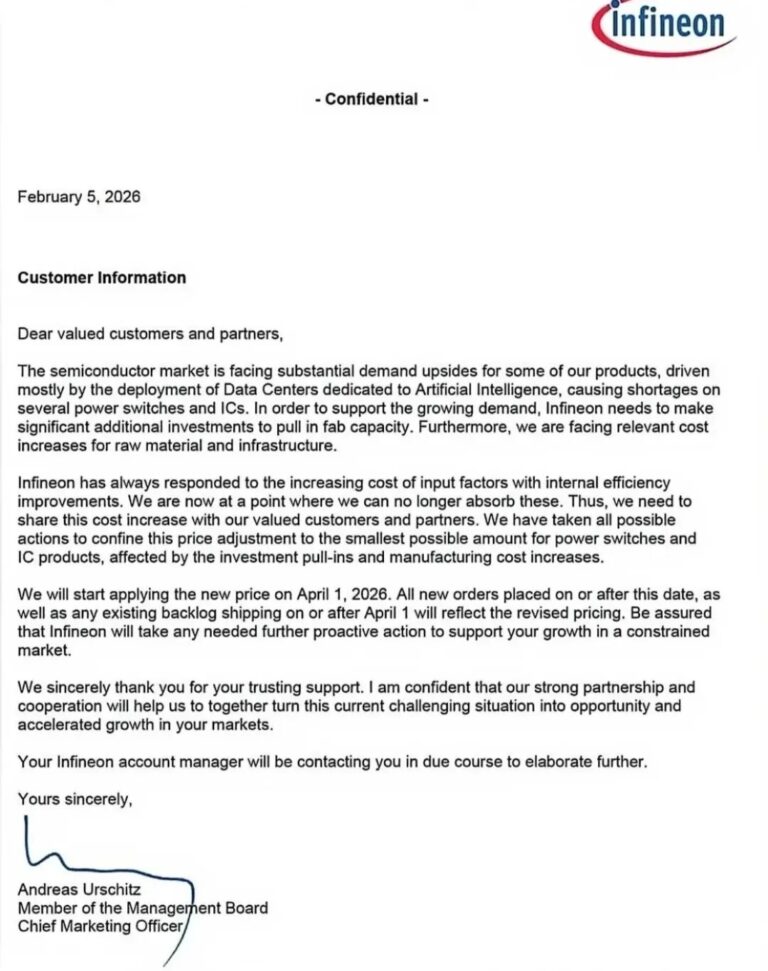
Munich, Germany – February 8, 2026 — Infineon Technologies, the German semiconductor giant, officially issued a price increase notice on February 5, announcing that…
Read More
Choose an AC to DC converter by input range, output demand, isolation, efficiency and thermal derating. Compare architectures and check installation needs.
Read More
The activity of extra discounts on wholesale prices is in full swing…
Please fill in your contact information and we will send you the latest wholesale price list.