ChipApex | Global Electronic Components Supplier

SEARCH
Search Product
Search Post
— IC芯片 | 连接器 | 传感器 | 被动器件 —
Search productSearch post
— IC芯片 | 连接器 | 传感器 | 被动器件 —
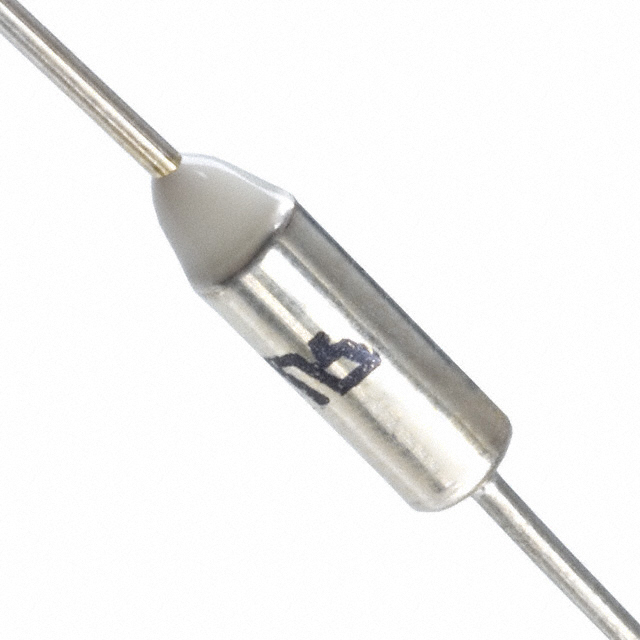
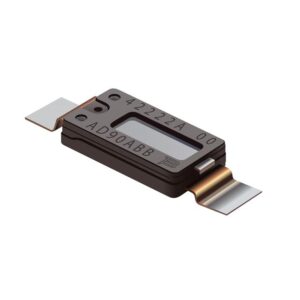
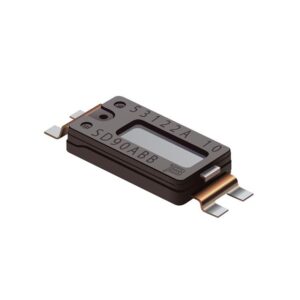
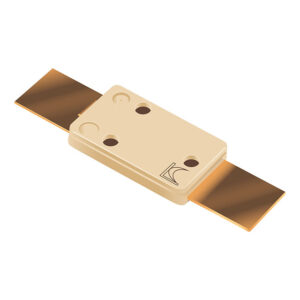
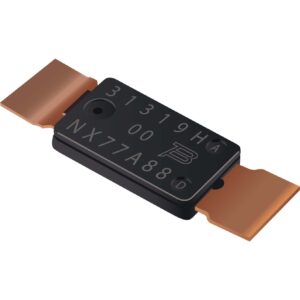
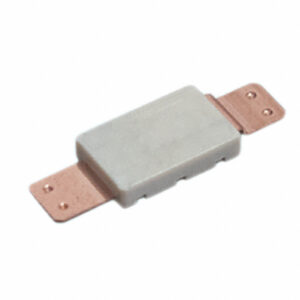
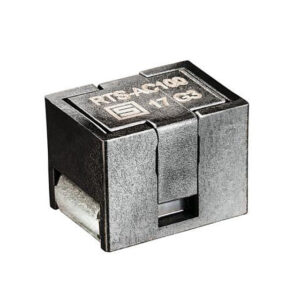
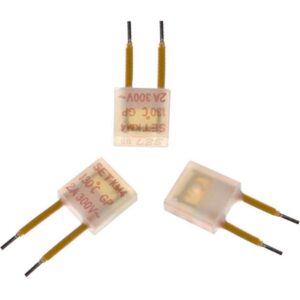
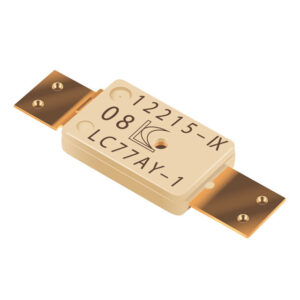
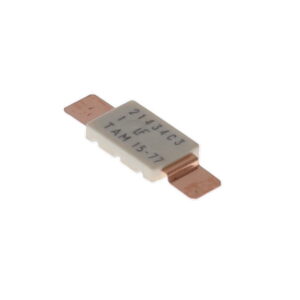
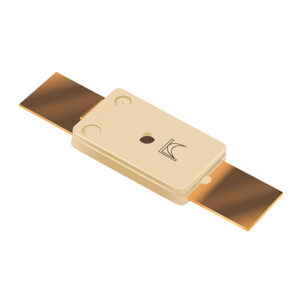
Thermal Cutoffs (Thermal Fuses) are devices designed to keep components safe in situations when an excessive temperature occurs. When the rated functioning temperature of the thermal cutoff is exceeded, the device will fail open in the electrical circuit, breaking the flow of current.

Tokyo / Munich / Tessenderlo, December 24, 2025As the global semiconductor industry enters the first year of the 2nm process era, international electronic component…
Read More
Latest updates from leading semiconductor manufacturers: Wolfspeed launches new SiC modules, AMD reveals MI430X with HBM4, TSMC eyes third Japan fab, and Samsung samples…
Read More
As 2025 draws to a close, the global semiconductor industry stands at a crossroads. Intertwined with escalating geopolitical tensions, supply chain disruptions, and groundbreaking…
Read More
In the world of electronics, memory components play a critical role in system performance—and DRAM (Dynamic Random-Access Memory) is one of the most widely…
Read More
Choose a DIP switch by contact type, coded positions, footprint and signal ratings. Check logic polarity, assembly conditions and PCB configuration behavior.
Read More
[Shenzhen/Shanghai/Beijing, January 2025] — As global digital transformation accelerates, the electronic components industry has reached a critical inflection point in 2025. Emerging fields such…
Read More
Recently, the global electronic component market has witnessed complex and changeable trends. In the memory chip sector, the wave of price increases continues to…
Read More
Learn what an integrated circuit is, how ICs work, the main types and the specs to check before choosing a part for your design…
Read More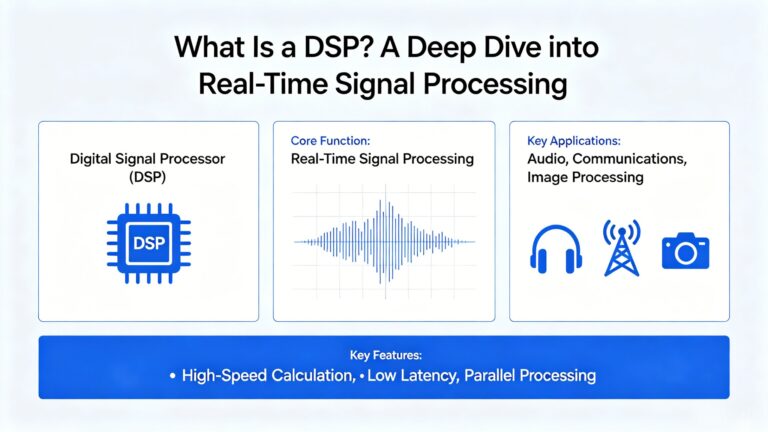
In the embedded world, general-purpose CPUs are great at running operating systems, and MCUs excel at logic control. But when you need to process…
Read More
Learn what an IMU measures, how accelerometers and gyroscopes work together, why orientation estimates drift, and what to compare.
Read More
Choose an AC to DC converter by input range, output demand, isolation, efficiency and thermal derating. Compare architectures and check installation needs.
Read More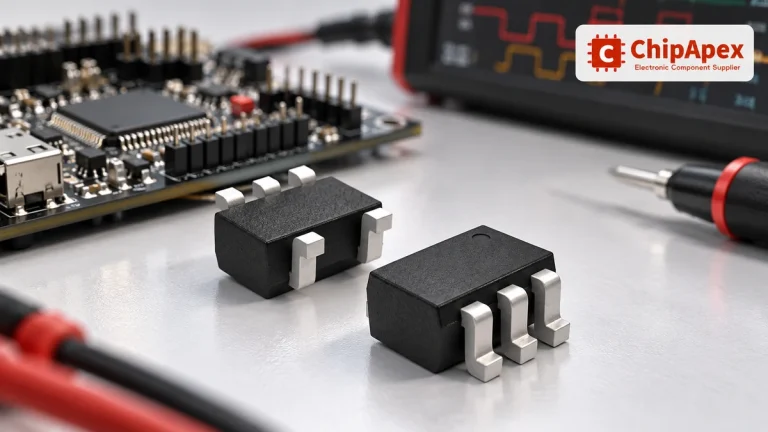
Choose logic inverter ICs by thresholds, supply, output drive and delay. Compare standard and Schmitt-trigger inputs, power sequencing and replacement checks.
Read More
The activity of extra discounts on wholesale prices is in full swing…
Please fill in your contact information and we will send you the latest wholesale price list.