 ChipApex | Global Electronic Components Supplier

SEARCH
Search Product
Search Post
Search productSearch post
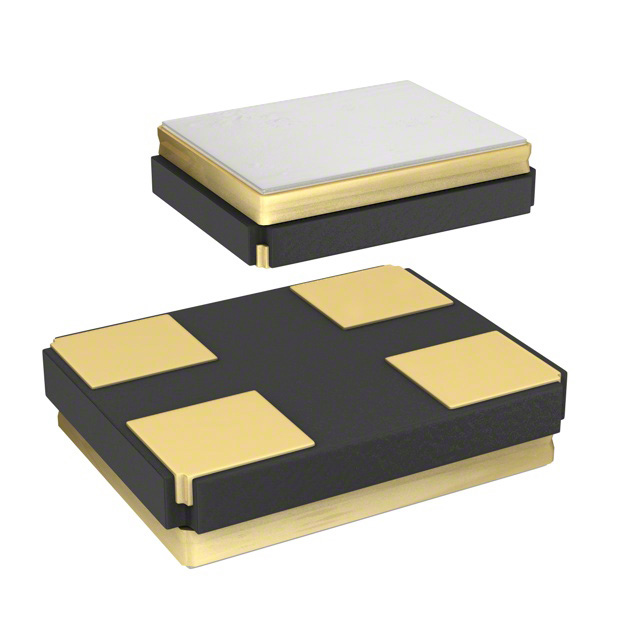
Crystal products are passive components most commonly used as time or frequency references in electronic systems. Consisting of a piezoelectric crystal that mechanically vibrates at a known frequency, their use requires provision of an external oscillator circuit with carefully designed capacitance, drive voltage, and series resistance characteristics, to generate a signal at the indicated crystal frequency that operates successfully over the operating temperature range, without damaging the crystal element. Active devices which integrate this additional necessary circuitry are considered oscillators and are catalogued separately.
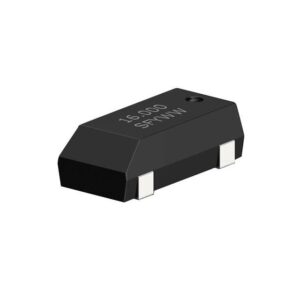 SXT83418FD48-20.000MView Product
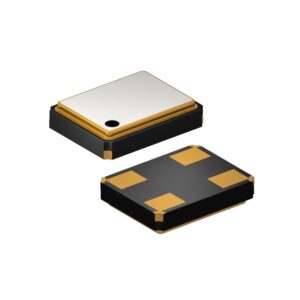 SXT21413CC07-50.000MView Product
 ECS-.327-6-12RR-TRView Product
 E3SB24E004000EView Product
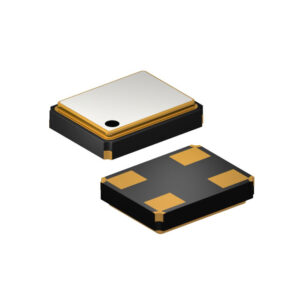 SXT32412ED38-27.000MView ProductSXT32412BA16-18.432MView Product
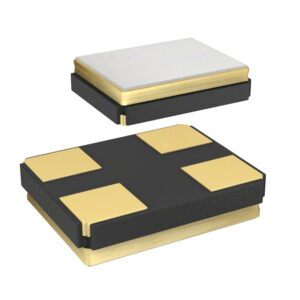 402F160XXCJRView ProductSXT21420EC16-50.000MView Product
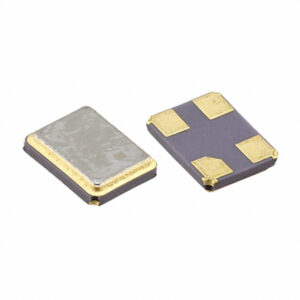 7M25000032View ProductSXT22420CB07-14.7456MView Product
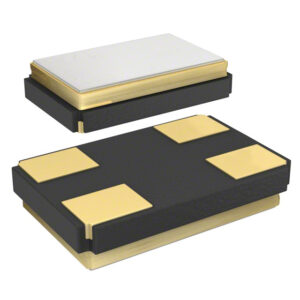 435F480X5GDTView ProductSXT21412CC38-38.400MView Product
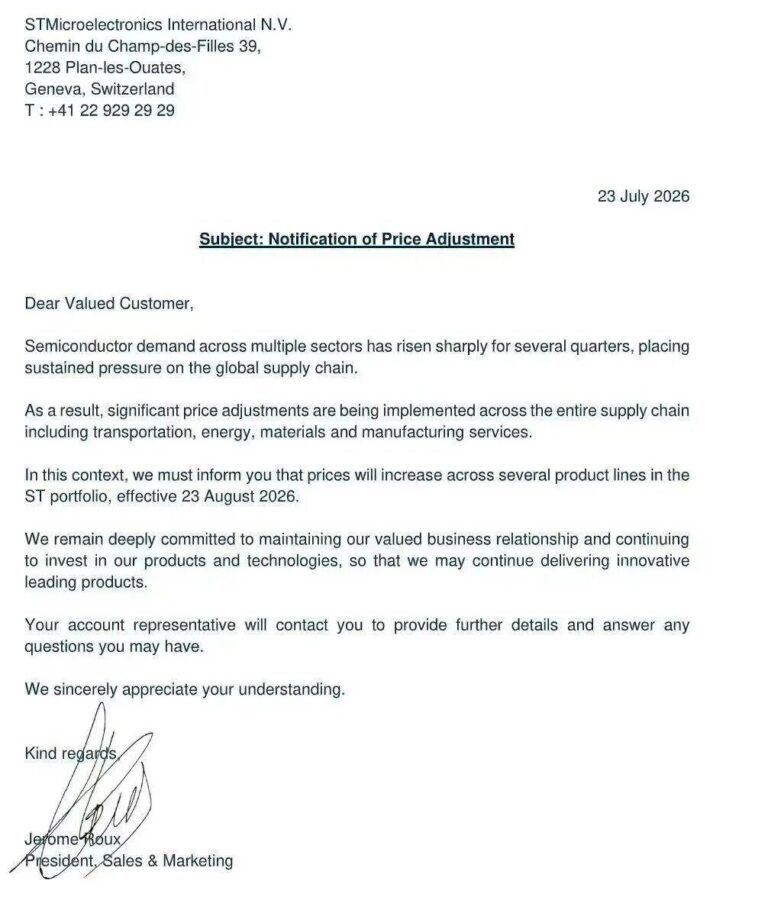
Geneva, Switzerland – August 20, 2026 – Global leading semiconductor manufacturer STMicroelectronics (ST) has officially issued a new global price adjustment notice to global…
Read More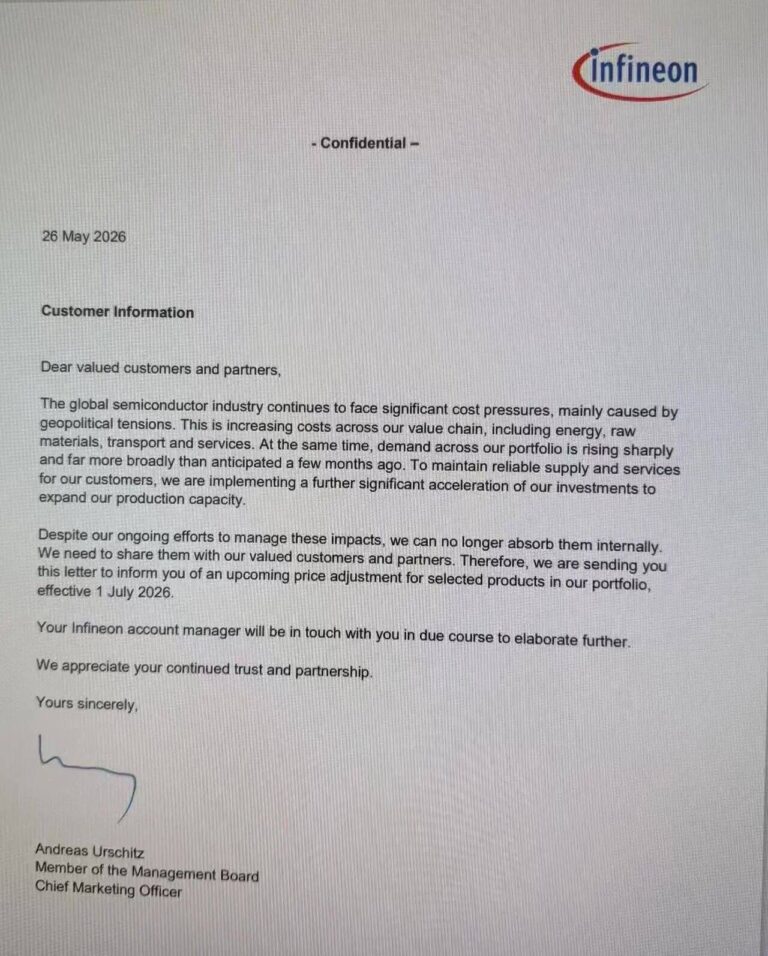
Munich, Germany – May 26, 2026 – Power semiconductor and automotive chip giant Infineon Technologies AG has formally notified customers worldwide of a second…
Read More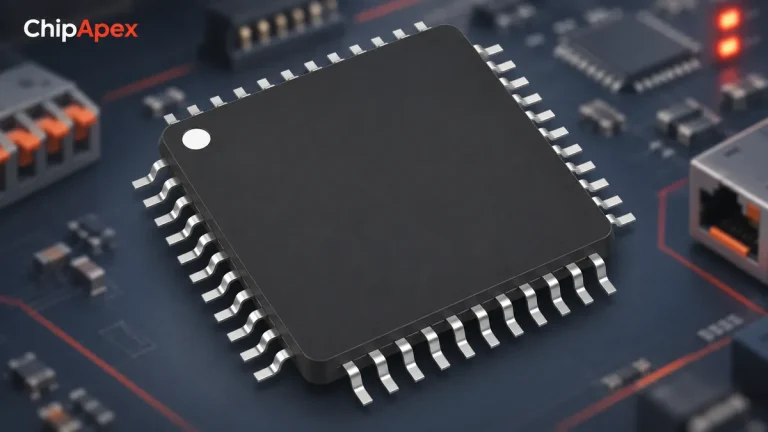
Learn how CPLDs implement hardware logic, compare them with FPGAs and MCUs, and check timing, I/O voltage, startup behavior and programming requirements.
Read More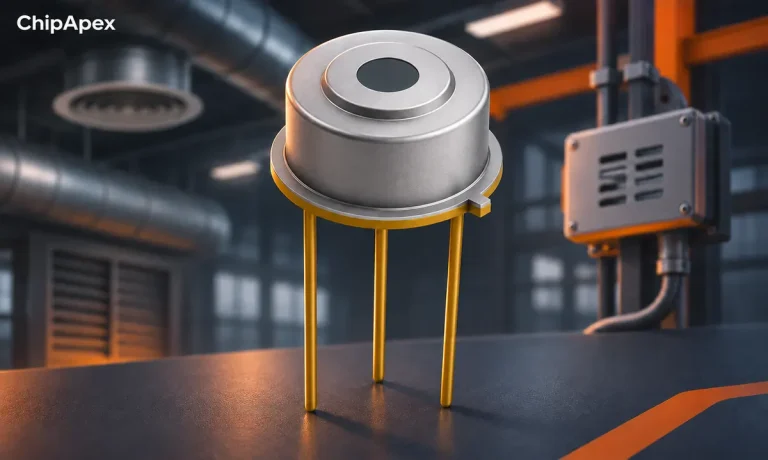
Compare gas sensor technologies, cross-sensitivity and calibration needs. Define the gas, range and environment before choosing a sensing component.
Read More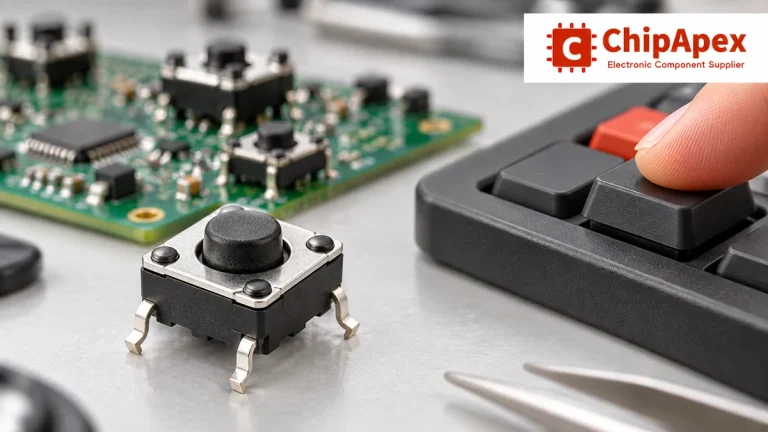
Understand tactile switches, PCB and keyboard differences, four-pin wiring, debounce, force, travel and replacement checks for reliable control inputs.
Read More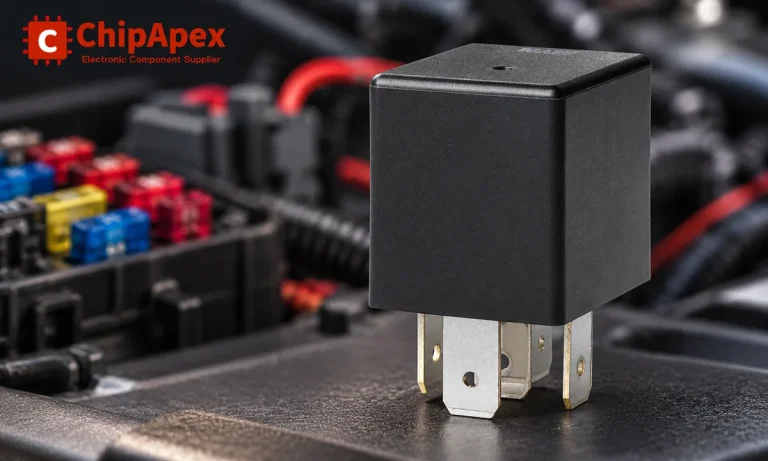
Learn the relay definition, coil and contact operation, NO and NC forms, load ratings and suppression choices. Compare mechanical, reed and solid-state types.
Read More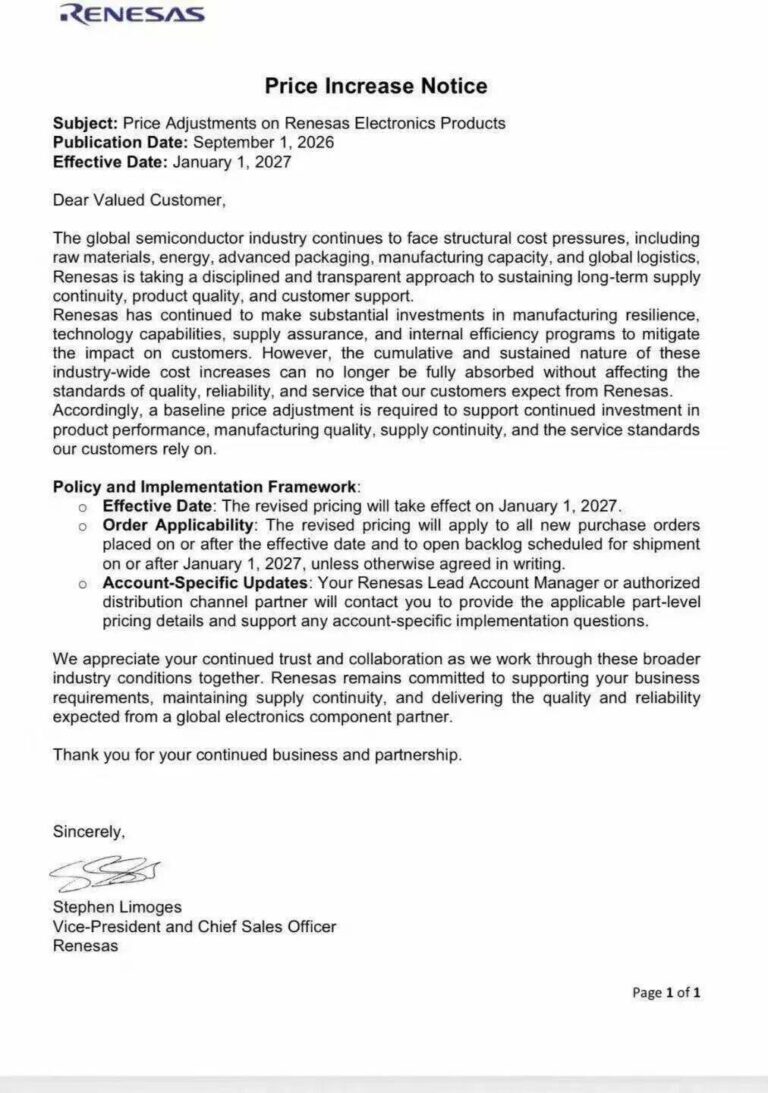
TOKYO — Global leading semiconductor and power electronic components manufacturer Renesas Electronics officially issued a new price adjustment notice in early September 2026, confirming…
Read More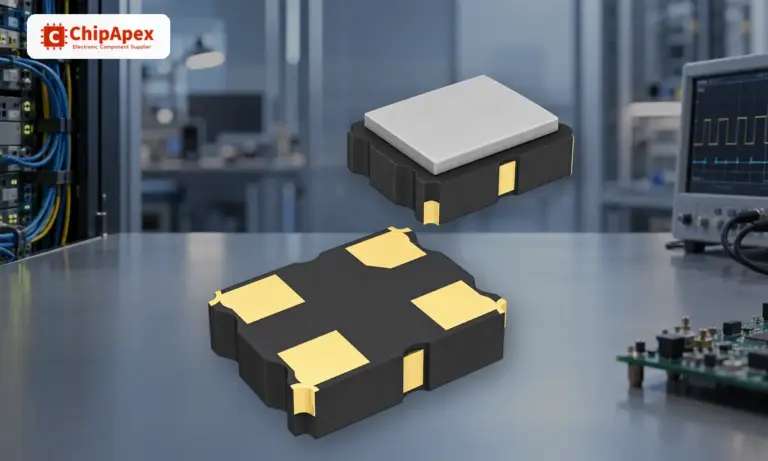
Understand how oscillators generate timing signals, how they differ from crystals, and which frequency, output and stability specs matter when choosing one.
Read More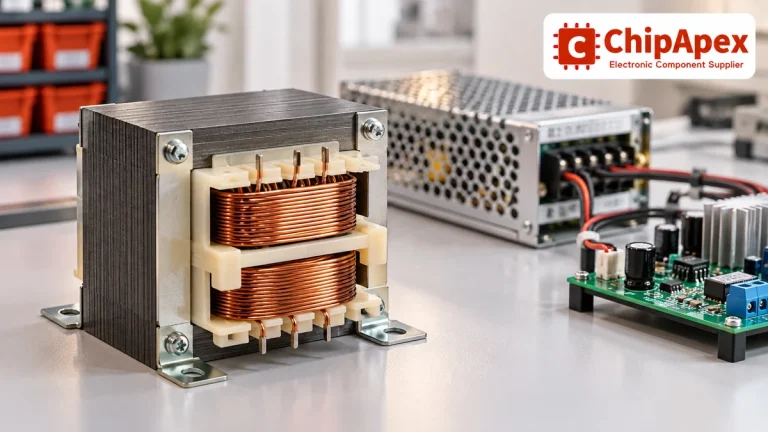
Select power transformers by input frequency, secondary VA, rectifier load, isolation, regulation and inrush. Build a clearer specification for your next RFQ.
Read More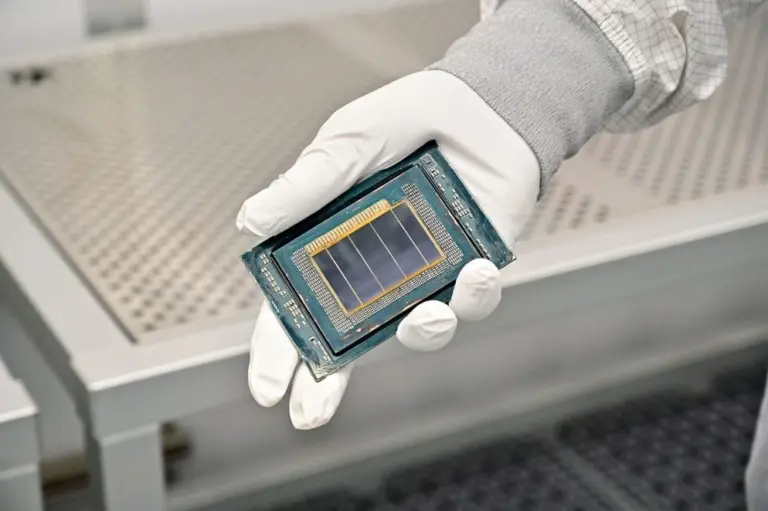
Recently, global semiconductor manufacturers have been constantly taking actions and presenting numerous new developments in aspects such as process technology and product research and…
Read More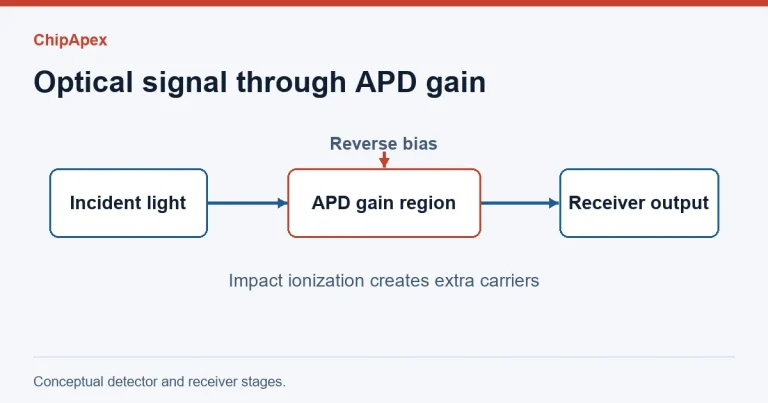
See how avalanche photodiodes multiply photocurrent and compare APD and PIN detectors by gain, noise, bias, bandwidth and operating temperature.
Read More
Calculate high-side and low-side local oscillator frequencies, locate the receiver image and check how much LO drive reaches the RF mixer input port.
Read More
The activity of extra discounts on wholesale prices is in full swing…
Please fill in your contact information and we will send you the latest wholesale price list.

