ChipApex | Global Electronic Components Supplier

SEARCH
Search Product
Search Post
— IC芯片 | 连接器 | 传感器 | 被动器件 —
Search productSearch post
— IC芯片 | 连接器 | 传感器 | 被动器件 —
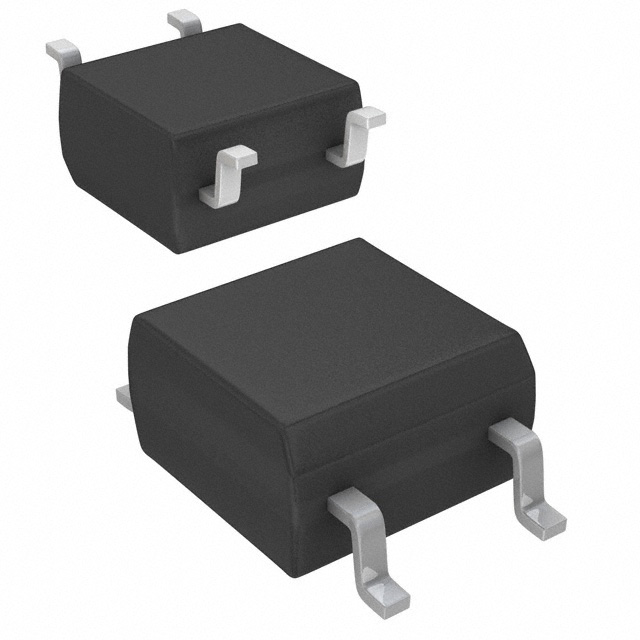
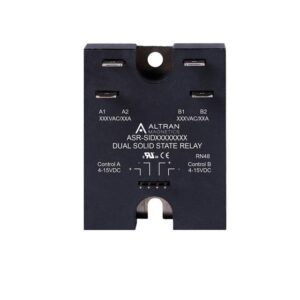
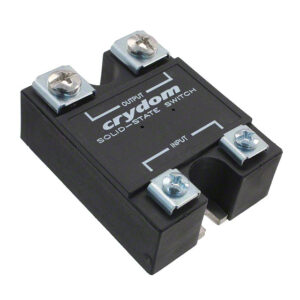
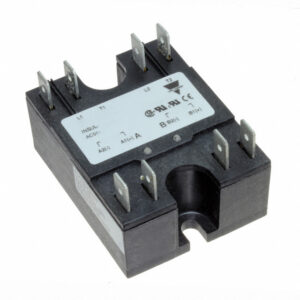
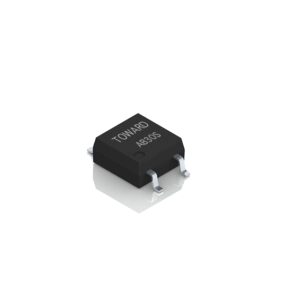
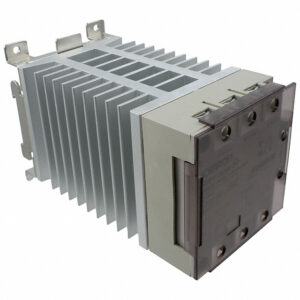
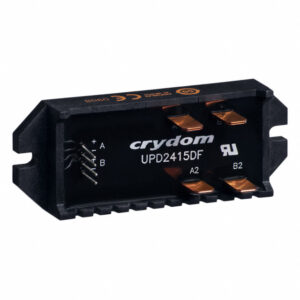
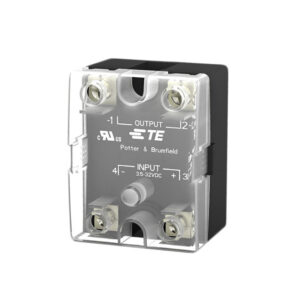
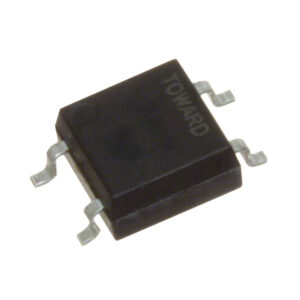
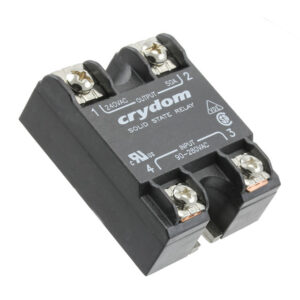
A solid state relay (SSR) is an electronic switching device that switches on or off when an external voltage is applied across its control terminals. Unlike traditional electromagnetic relays, SSRs have no moving parts and rely on semiconductor components like thyristors, triacs, diodes, and transistors to perform switching operations. Key features and benefits of solid state relays include: Durability and Longevity: Without mechanical parts, SSRs have a longer operational life and are less prone to wear and tear. Fast Switching: SSRs can switch on and off rapidly, making them suitable for applications requiring high-speed operation. Silent Operation: The absence of mechanical movement results in noiseless switching. Vibration Resistance: Their solid-state nature makes SSRs resistant to shock and vibration, enhancing reliability in harsh environments. Reduced Electromagnetic Interference (EMI): SSRs generate less EMI compared to electromagnetic relays. Solid state relays are commonly used in applications where fast switching, silent operation, and high reliability are required, such as in industrial automation, HVAC systems, lighting controls, and home appliances. They are available in various configurations to handle different voltage and current levels, providing flexibility in design and usage.
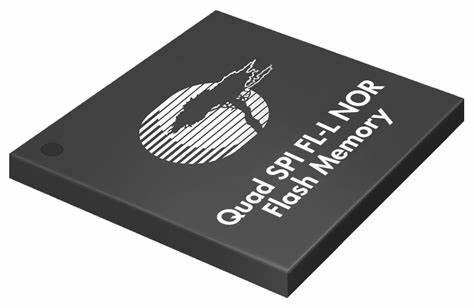
What Is NOR Flash? Why It Still Powers Critical Embedded Systems When your car’s engine control unit boots in milliseconds…When a medical device executes…
Read More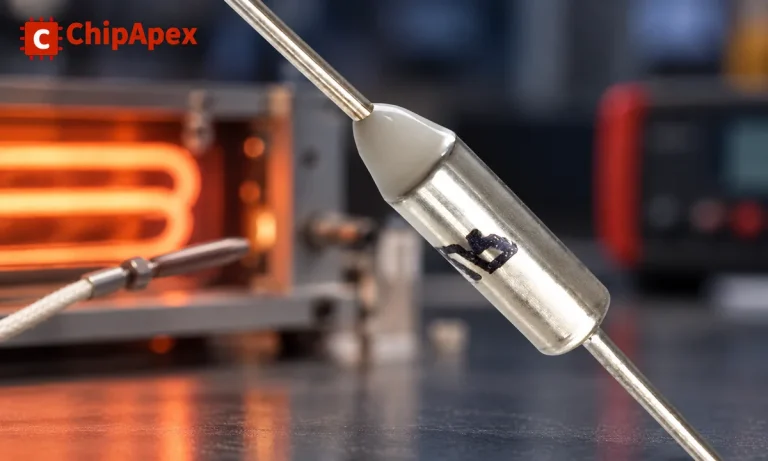
Understand thermal fuse operation, Tf, Th and Tm, electrical ratings and mounting. Check temperature limits and replacement requirements for your design.
Read More
Recently, the global electronic component market has witnessed a series of new developments. The strategic layouts and market collaborations of major enterprises are constantly…
Read More
Choose a DIP switch by contact type, coded positions, footprint and signal ratings. Check logic polarity, assembly conditions and PCB configuration behavior.
Read More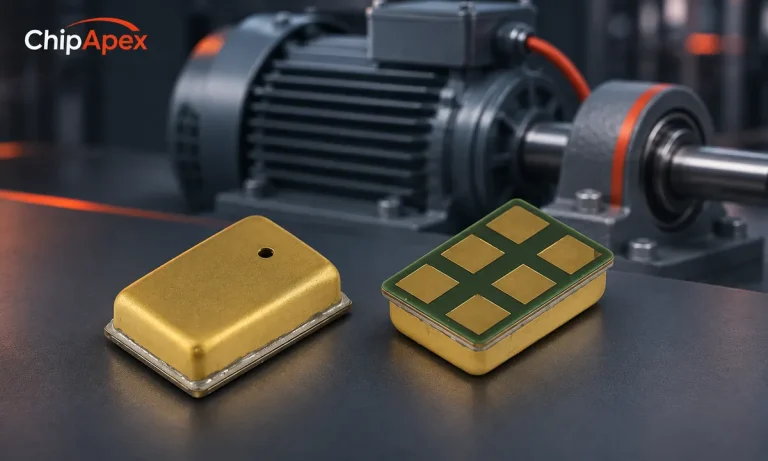
Choose a vibration sensor for machine monitoring. Compare sensing methods, bandwidth, noise and mounting, then define the signal-chain requirements.
Read More
Tokyo / Munich / Tessenderlo, December 24, 2025As the global semiconductor industry enters the first year of the 2nm process era, international electronic component…
Read More
Understand UART protocol framing, baud rate and electrical interfaces. Learn 8N1 timing, TX/RX wiring, buffering and practical troubleshooting steps.
Read More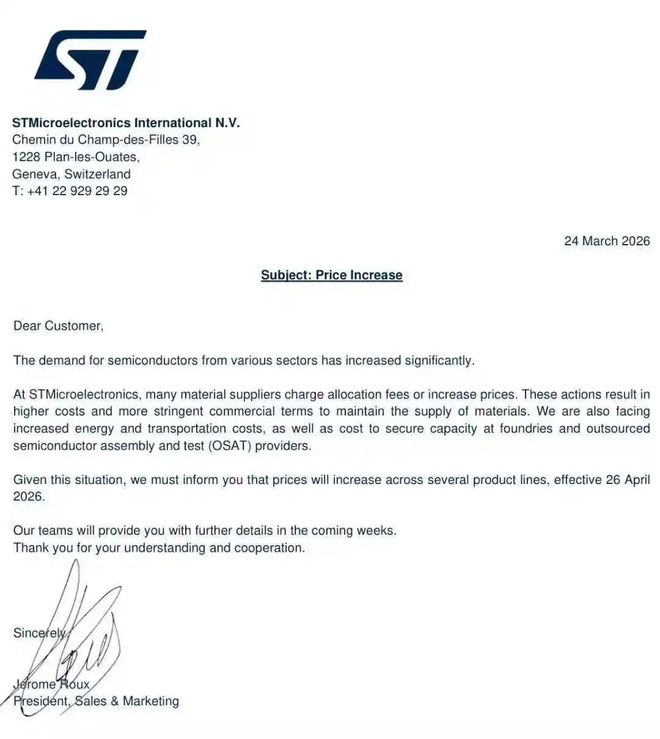
Geneva, Switzerland – March 25, 2026 – STMicroelectronics N.V. (NYSE: STM), a global semiconductor leader serving customers across the electronics applications spectrum, has announced…
Read More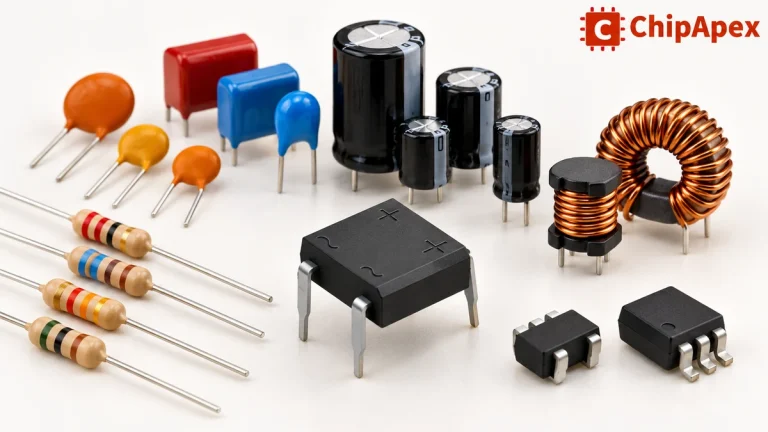
Explore electronic component types, functions, packages and datasheets. Learn selection, replacement and BOM checks before ordering parts for your PCB.
Read More
Find out when a bare shock switch needs a pull resistor, when an MCU internal pull-up is enough, and why sensor modules and piezo…
Read More
Las Vegas, January 6, 2026 — At the Consumer Electronics Show (CES) 2026, Texas Instruments (TI) (NASDAQ: TXN) announced a suite of next-generation semiconductor…
Read More
Manchester, New Hampshire, USA – March 22, 2026 – Allegro MicroSystems, Inc. (Nasdaq: ALGM), a global leader in high-performance power and sensing semiconductor solutions…
Read More
The activity of extra discounts on wholesale prices is in full swing…
Please fill in your contact information and we will send you the latest wholesale price list.