 ChipApex | Global Electronic Components Supplier

SEARCH
Search Product
Search Post
— IC芯片 | 连接器 | 传感器 | 被动器件 —
Search productSearch post
— IC芯片 | 连接器 | 传感器 | 被动器件 —

A capacitor (also known as a condensator) is a component in electronic circuits, that stores and releases electrical energy. It is made of conductive plates separated by an insulating material called the dielectric. When a voltage is applied across the plates, an electric field forms, causing positive charge to accumulate on one plate and negative charge on the other. This stored energy can be released when needed, making capacitors vital in various applications, including filtering, energy storage, signal processing, and power conditioning. There are several types of capacitors, each with unique characteristics and applications. Ceramic capacitors, made from ceramic materials as the dielectric, are widely used in high-frequency applications such as RF circuits, decoupling, and bypass applications due to their small size, low cost, high stability, and wide range of values. Multilayer ceramic capacitors (MLCCs) are a type of ceramic capacitor that consists of multiple layers of ceramic dielectric material and metal electrodes stacked together to form a compact, high-capacitance component. They are known for their small size, high capacitance per volume, excellent stability, and reliability. MLCCs are widely used in various electronic devices for applications such as decoupling, filtering, and signal smoothing, especially in high-frequency circuits. Electrolytic capacitors, which use a wet electrolytic solution as the dielectric, are common in power supply circuits, filtering, and coupling applications where large capacitance values are required. These capacitors are polarized, meaning they must be connected with the correct polarity. Film capacitors use plastic films like polyester, polypropylene, or polystyrene as the dielectric. They are employed in audio and high-frequency applications because of their stable performance, low loss, and suitability for high-frequency use. They are also non-polarized, making them versatile. Supercapacitors, or ultracapacitors, offer very high capacitance values by utilizing electrochemical double layers to generate pseudocapacitance. These capacitors are used in energy storage, power backup, and load leveling in hybrid vehicles due to their high energy density, long cycle life, and rapid charge/discharge cycles, effectively bridging the gap between batteries and traditional capacitors. Mica capacitors use mica as the dielectric material and are known for their excellent stability, low loss, and high precision. They are suitable for high-frequency and high-stability applications like radio transmitters and receivers. Tantalum capacitors, made from tantalum metal as the anode with an oxide layer as the dielectric, are used in space-constrained applications like mobile phones, laptops, and other portable electronics. They offer high capacitance per volume, stable performance, and reliability, although they are polarized. Capacitors are versatile components with a range of types suited to different applications. Understanding their characteristics and appropriate uses is essential for designing effective electronic circuits.
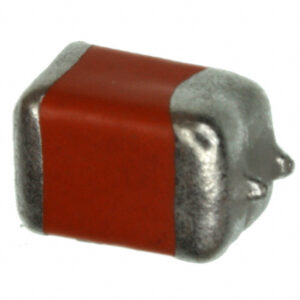 13008-040MESBView Product
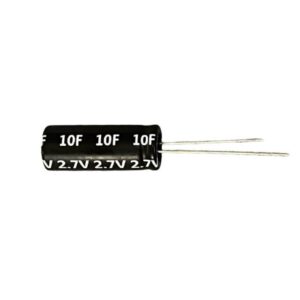 ADCR-T02R7SA605MBView Product
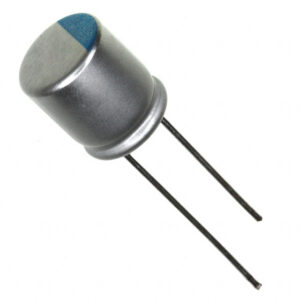 187AVG050MGBJView Product
 9049R0KView Product
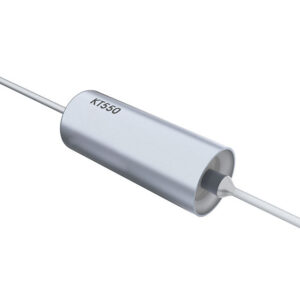 T550B127K015AT4250View Product
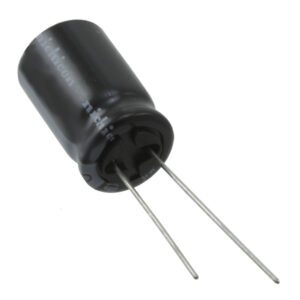 UVZ1E222MHHView Product
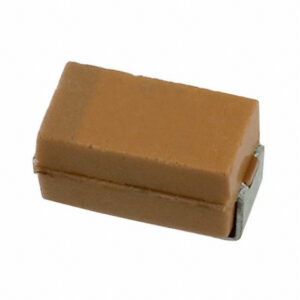 NOSA106M008R2200VView Product
 SMDTF02470TA00KQ00View Product
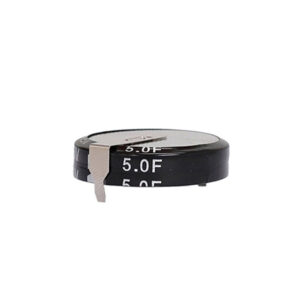 SCE5R5H505View Product
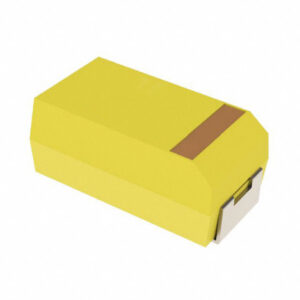 T491C686M010ZTView Product
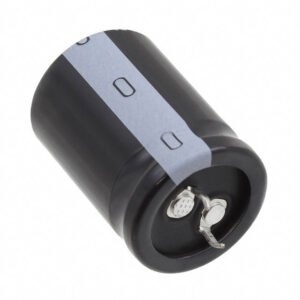 LGU2P471MELAView Product
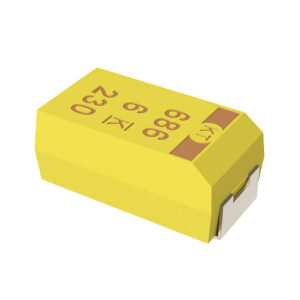 T540D477M2R5CH87057280View Product
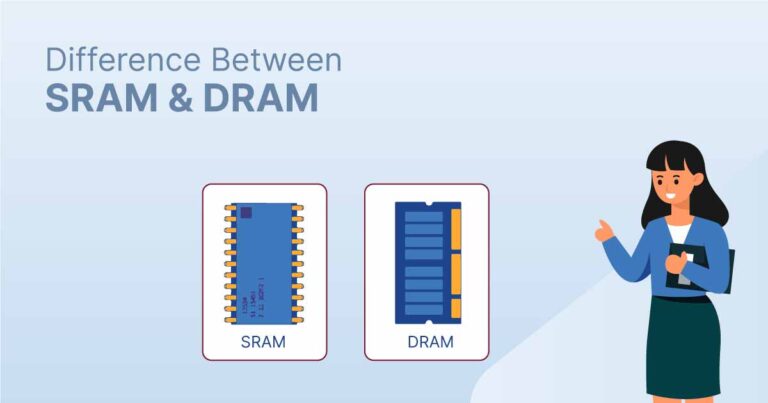
In an era dominated by AI accelerators with terabytes of HBM memory and consumer devices racing toward LPDDR5X bandwidth, it’s easy to wonder: why…
Read More
Choose an ADC converter by resolution, sample rate, noise and input design. Review practical tradeoffs and prepare component requirements for ChipApex.
Read More
In embedded design, the tug-of-war between cost and performance is constant. On one side, you have Microcontrollers (MCUs)—cheap, simple, and efficient. On the other,…
Read More
Choose LED drivers by current, string voltage, dimming and thermal limits. Understand constant-current operation and the checks needed for your load.
Read More
Understand how oscillators generate timing signals, how they differ from crystals, and which frequency, output and stability specs matter when choosing one.
Read More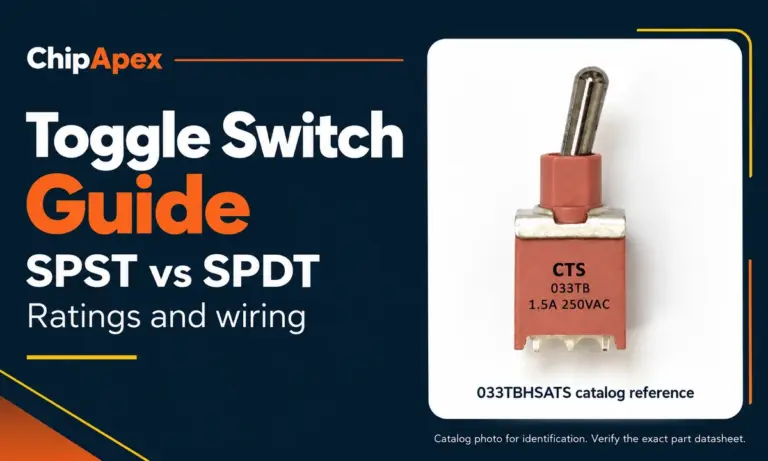
Compare SPST and SPDT toggle switches, understand AC/DC ratings, and follow wiring examples. Check contact action, mounting and parts in the ChipApex catalog.
Read More
Date: May 13, 2026 The global memory industry is facing an unprecedented supply crunch in legacy MLC NAND Flash. Leading manufacturers including Samsung Electronics…
Read More
Over the past week, the global electronic components sector has witnessed dual transformations in policy and technology: Coupled with mounting pressure from a worsening…
Read More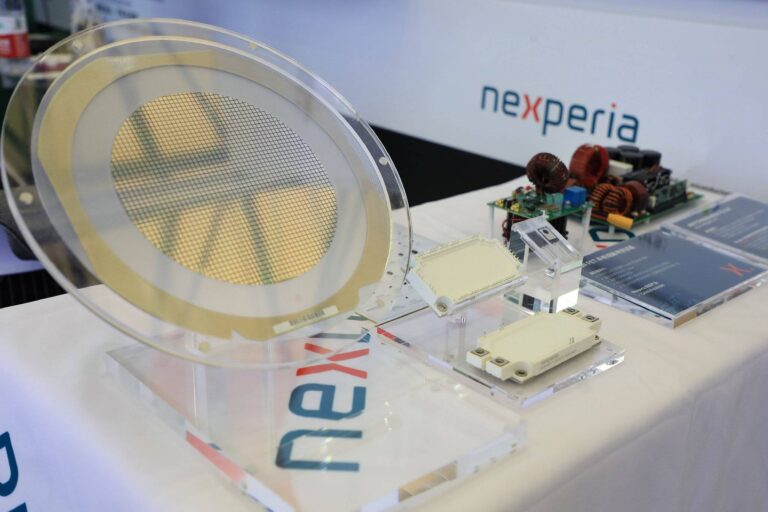
Dutch authorities announced on November 7 the lifting of control measures on Nexperia (formerly NXP Semiconductors’ Standard Products division), marking the end of a…
Read More
Every audio power amplifier design starts with the same fundamental challenge: converting a low-voltage line-level signal into the high-current drive required by a reactive…
Read More
Geneva, Switzerland – August 20, 2026 – Global leading semiconductor manufacturer STMicroelectronics (ST) has officially issued a new global price adjustment notice to global…
Read More
Vishay Intertechnology, Inc., a global leader in discrete semiconductors and passive electronic components, has officially announced a price adjustment for its Metal-Oxide-Semiconductor Field-Effect Transistors…
Read More
The activity of extra discounts on wholesale prices is in full swing…
Please fill in your contact information and we will send you the latest wholesale price list.

