 ChipApex | Global Electronic Components Supplier

SEARCH
Search Product
Search Post
— IC芯片 | 连接器 | 传感器 | 被动器件 —
Search productSearch post
— IC芯片 | 连接器 | 传感器 | 被动器件 —
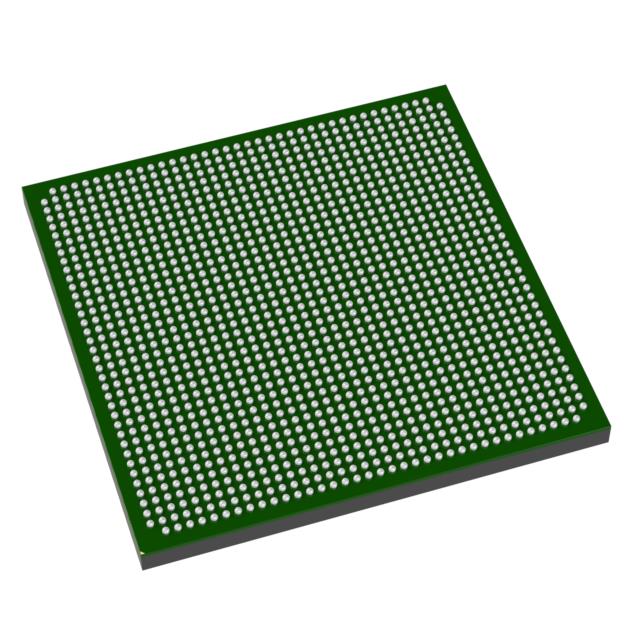
A Field Programmable Gate Array (FPGA) is a programmable integrated circuit that allows users to implement customized hardware logic configurations after manufacturing. FPGAs are user-configurable and are widely used for performing logical operations and information processing, often in applications demanding real-time performance and extremely high speeds. With a very high level of integrated functionality, FPGAs can replace general-purpose microprocessors in systems where known operations—such as receiving and processing data from high-speed data converters—need to be executed rapidly and deterministically. Unlike fixed-function chips, FPGAs are reprogrammable, meaning they can be configured multiple times using hardware description languages like Verilog. At the heart of an FPGA are configurable logic blocks (CLBs), programmable interconnects, logic gates, and flip-flops, which are organized into a flexible architecture called a gate array. These components support complex logic creation, digital signal processing, and extensive parallel processing. Typically, FPGAs require an external memory device—often flash memory or read-only storage—to hold the configuration data and reload it upon each startup. This makes them particularly well-suited for telecommunications, data center infrastructure, and advanced embedded systems where both performance and low power consumption are critical. FPGAs serve as a software-defined hardware platform, allowing designers to build custom processor logic or accelerate functions beyond what a typical microcontroller can handle. The flexibility to reconfigure them makes FPGAs a key technology for prototyping, evolving product designs, and deploying real-time hardware solutions.
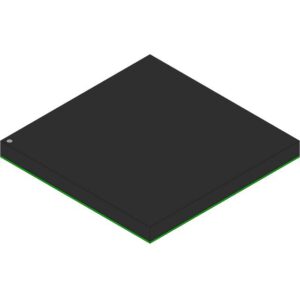 EP2S180F1020C3NView Product
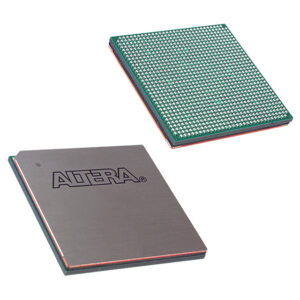 EP1SGX25DF1020C5View Product
 M2GL150TS-1FCS536IView Product
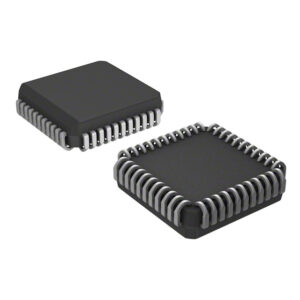 A40MX04-1PLG44IView Product
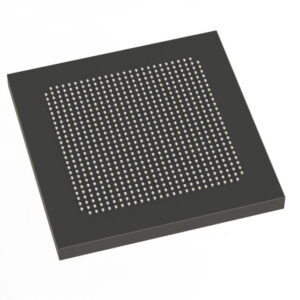 EP4SGX230DF29I4NView Product
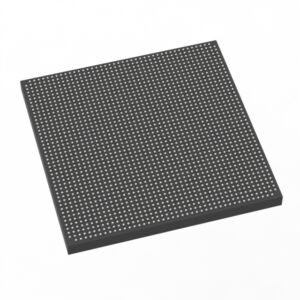 EP4SGX530NF45I4GView Product
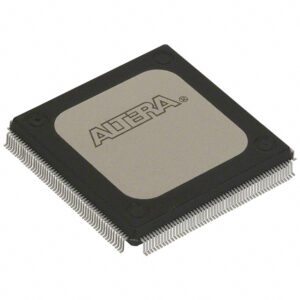 EPF10K30RC208-4View Product
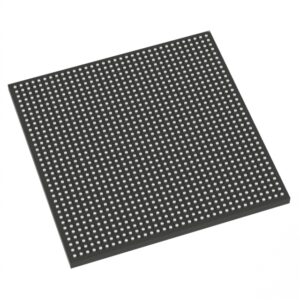 XC7K420T-1FFG1156CView Product
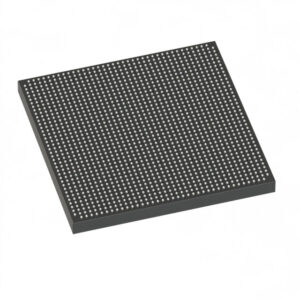 5SGXEABK3H40C3NView Product
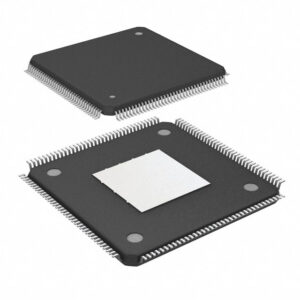 EP3C5E144C7NView Product
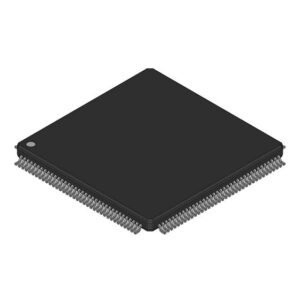 EPF6010ATC144-1View Product
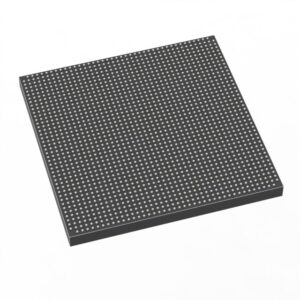 1SG210HN2F43E2VGASView Product
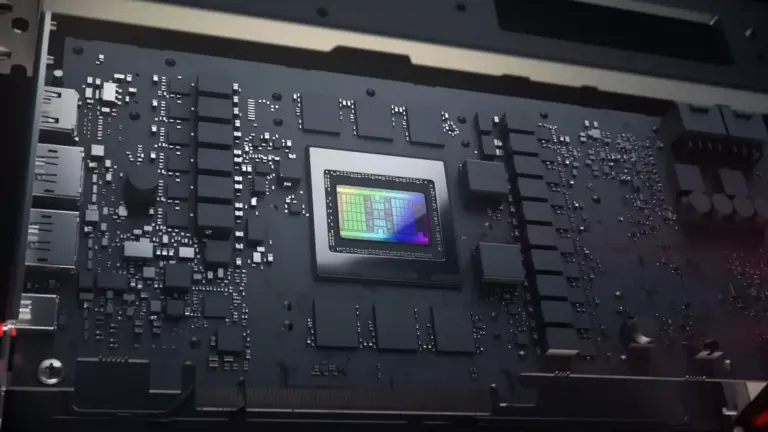
Latest updates from leading semiconductor manufacturers: Wolfspeed launches new SiC modules, AMD reveals MI430X with HBM4, TSMC eyes third Japan fab, and Samsung samples…
Read More
Learn what a battery BMS does, how protection differs from charging, and which pack specifications to check when sourcing BMS components through ChipApex.
Read More
Recently, the global electronic component market has witnessed complex and changeable trends. In the memory chip sector, the wave of price increases continues to…
Read More
As the backbone of modern technology, electronic components are undergoing revolutionary changes, driven by advancements in materials science, miniaturization, and smart manufacturing. From ultra-efficient…
Read More
[Shenzhen/Shanghai/Beijing, January 2025] — As global digital transformation accelerates, the electronic components industry has reached a critical inflection point in 2025. Emerging fields such…
Read More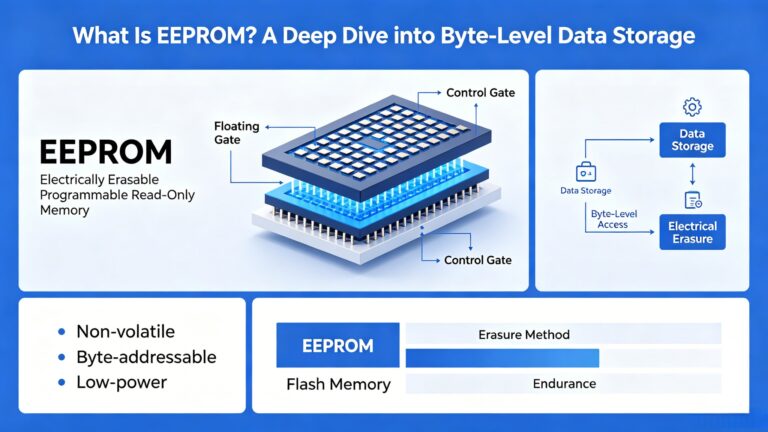
In the vast landscape of memory technology, EEPROM (Electrically Erasable Programmable Read-Only Memory) often plays the unsung hero. While NAND Flash grabs headlines for…
Read More
Learn how a diode conducts, how to identify anode and cathode, and when to choose rectifier, TVS, Zener or photodiode types for a circuit.
Read More
September 16, 2026 – Global — Leading semiconductor manufacturer ON Semiconductor (onsemi, NASDAQ: ON) has officially issued a formal price adjustment letter to global…
Read More
Find out when a bare shock switch needs a pull resistor, when an MCU internal pull-up is enough, and why sensor modules and piezo…
Read More
Every audio power amplifier design starts with the same fundamental challenge: converting a low-voltage line-level signal into the high-current drive required by a reactive…
Read More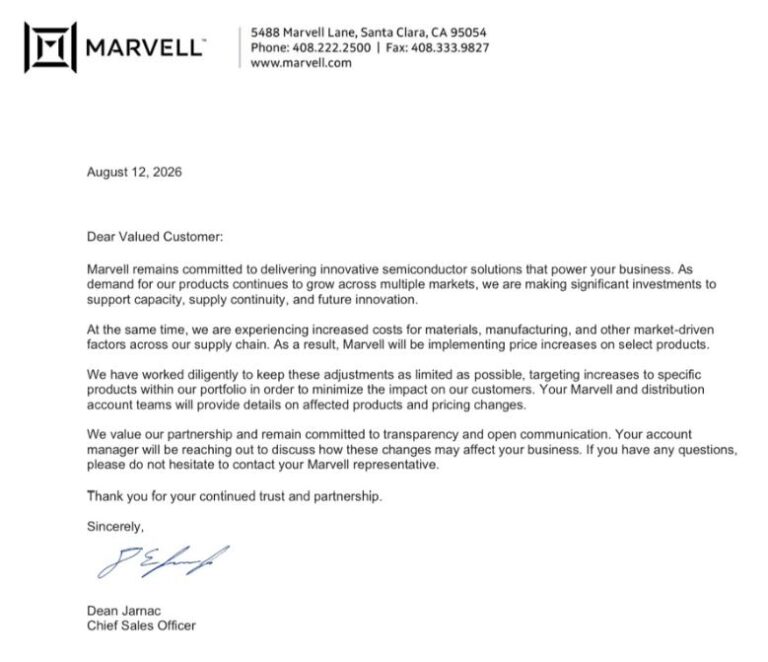
SANTA CLARA, Calif. — Leading semiconductor solution provider Marvell Technology (NASDAQ: MRVL) officially rolled out a selective price adjustment for its core electronic component…
Read More
Compare thermistors, RTDs, thermocouples and temperature ICs. Learn how range, accuracy, response, interfaces and mounting affect component selection.
Read More
The activity of extra discounts on wholesale prices is in full swing…
Please fill in your contact information and we will send you the latest wholesale price list.

