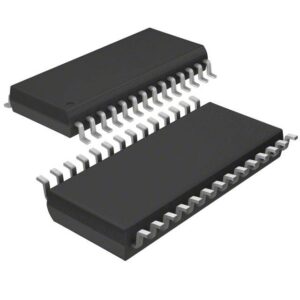
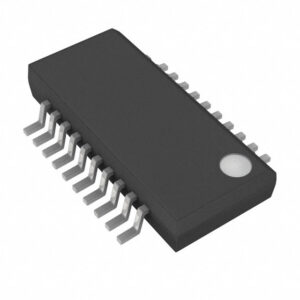
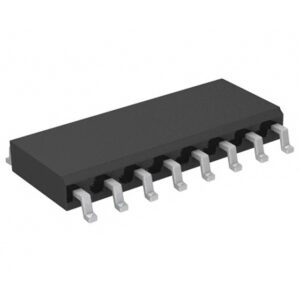
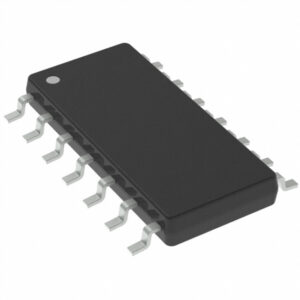
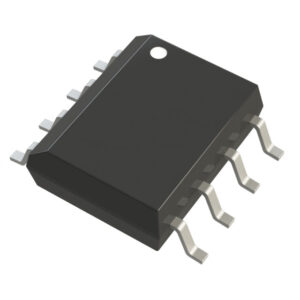
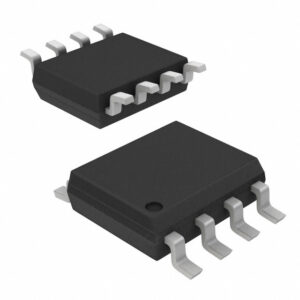
Products in this family are used to implement control and regulation functions necessary or useful for the operation of non-LED lighting agents such as fluorescent, electroluminescent, and HID lamps. The specific function set incorporated into a given device varies with the intended use, and available products may or may not incorporate resources for direct manipulation of the power supplied to the driven load.
ScreenDefaultRankingPrice By Date
Lighting and Ballast Controllers: Features and Specifications
Function in the design. A lighting ballast controller manages switching and lamp operating conditions. Start with the role the component plays in the board design. Match lamp type, startup behavior and power-stage topology. A related catalog entry helps explain the distinction. An LED driver IC regulates LED current and may provide dimming or multiple channels. Compare the role of each in the assembly before choosing between the two categories; a similar name does not necessarily describe the same job.
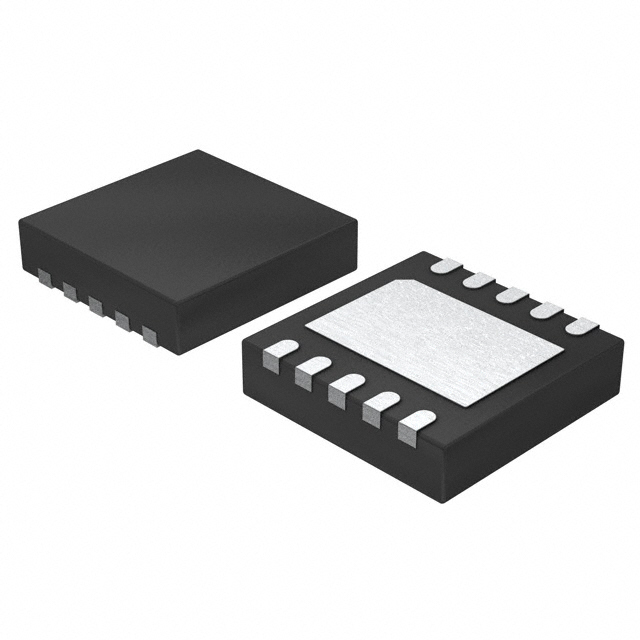
HV833MG-G at a glance. The listing for HV833MG-G gives type as EL Lamp Driver, frequency as 55kHz ~ 75kHz, voltage - supply as 1.8V ~ 6.5V. Read these entries together with the manufacturer’s description. They belong to this ordering code; another device in the same family can have a different implementation. Open the product record before copying a value into a bill of materials, and retain the units and any qualifiers alongside the number so that a later comparison uses the same definition.
Differences within the range. For type, HV833MG-G is listed as EL Lamp Driver and UC3872M as Ballast Controller. When comparing lighting, ballast controllers, distinguish a property shown for an individual model from a requirement shared by the whole design. Two rows can appear similar when only their short descriptions are visible. Look at the full entry, then use the manufacturer’s drawing or characteristic table to resolve any difference that would affect assembly, operation or the acceptance test.
Lighting and Ballast Controllers in Circuit Design
Typical operating conditions. It serves compatible lamp supplies and ballast stages. For this use, specify supply sequencing, signal interfaces, timing requirements and the state of the circuit during startup. Write down the condition that matters to the finished equipment before narrowing the list of parts. A prototype that works at a single bench setting can still miss the requirement when installed. Include at least one representative operating case and the most demanding credible case in the comparison.
Integration example. The listing for UC3872M gives frequency as 57kHz ~ 78kHz, voltage - supply as 4.5V ~ 24V, current - supply as 6 mA. In an application review, mark which of these properties the surrounding design fixes and which can still change. A second catalog example gives another point of comparison. The listing for HV823LG-G gives dimming as No, operating temperature as -25°C ~ 85°C, mounting type as Surface Mount. When the design has to fit an established interface, use the documentation for that interface alongside the product record, and resolve discrepancies before committing the layout or ordering evaluation quantities.
Checks on the prototype. Follow the signal through the surrounding circuitry. A compatible package and supply voltage do not establish that two devices have the same pin functions. Record the setup, the operating conditions and the observed result so another engineer can repeat the check. For lighting, ballast controllers, pay particular attention to the requirement behind this selection guidance: match lamp type, startup behavior and power-stage topology. If the result is marginal, change one condition at a time and compare it with the original measurement before attributing the difference to the component.
How to Select Lighting and Ballast Controllers
Define the acceptance criteria. Match lamp type, startup behavior and power-stage topology. Put the nonnegotiable requirements in a short comparison table before looking at price. For this category, useful starting columns from the catalog include type, frequency, voltage - supply, current - supply. Give each critical value a unit and an acceptable range. Where a catalog entry leaves a field blank, flag it for confirmation in the datasheet rather than assigning a value from another member of the family.
Compare exact ordering codes. The listing for HV823LG-G gives voltage - supply as 2V ~ 9.5V, current - supply as 500 µA, dimming as No. Check the complete manufacturer part number, including suffixes, against the ordering table for the device you intend to buy. For supplier device package, the respective entries for UC3872M and HV823LG-G are 16-SSOP and 8-SOIC. Check which of these values the assembly drawing or design specification requires. A typical value measured under one set of conditions is a poor acceptance limit unless the manufacturer also specifies the relevant guarantee under your operating conditions.
Prepare the purchase specification. For a quotation, identify the required lighting, ballast controllers by manufacturer and complete part number. If alternatives are acceptable, state which differences require engineering approval. Include quantity, delivery requirements and any packaging constraint imposed by the assembly process. Before approving an alternative for the board design, compare it against the same acceptance criteria used for the original part and keep the comparison with the released bill of materials.
 ChipApex | Global Electronic Components Supplier