 ChipApex | Global Electronic Components Supplier

SEARCH
Search Product
Search Post
Search productSearch post
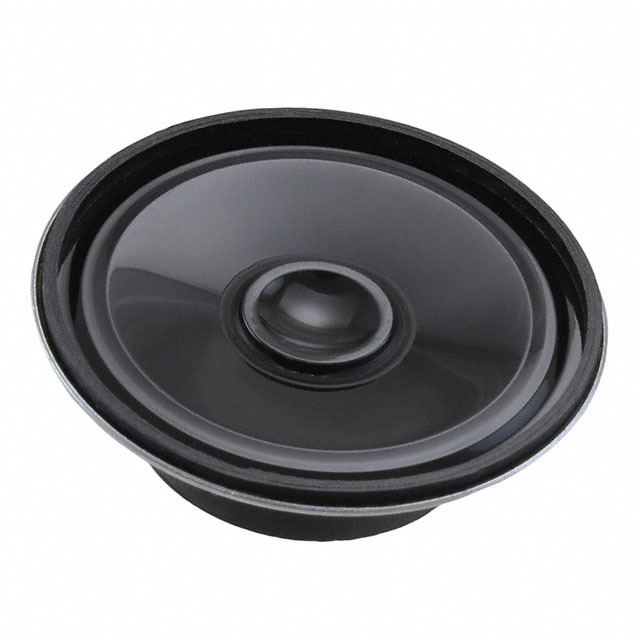
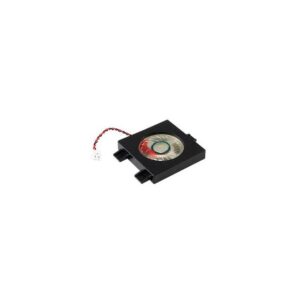
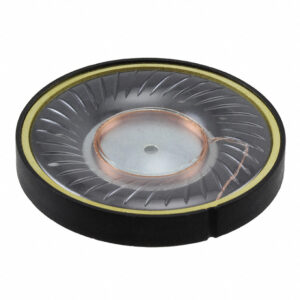
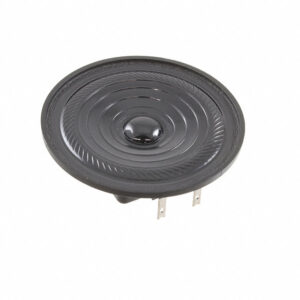
Speaker products are audio frequency electromagnetic transducers used primarily to turn energy in the format of an electrical signal into mechanical compression waves travelling through an atmospheric air environment for reproduction of speech, music, or similar material. Products designed for general purpose reproduction of partial regions of the human audible frequency range (subwoofers, woofers, tweeters, etc.) are included, as well as full range products and special purpose transducers tailored for headset or in-ear applications.
 SLS-P830945View Product
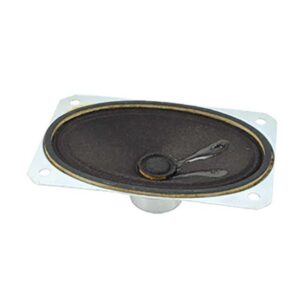 GA0929View Product
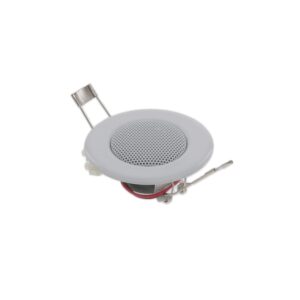 DL 5 - 8 OHMView Product
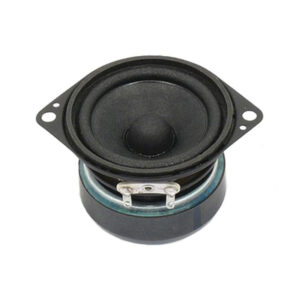 FRS 5 X - 8 OHMView Product
 K 14.25 - 8 OHMView Product
 CES-50508-24PM-67View Product
 HPD-50N25PR00-32View Product
 K 64 WP - 8 OHMView Product
 CMS-3150-26SPView Product
 CMS-16098A-SPView Product
 WBFK-30095-000View Product
 W 250 - 8 OHMView Product
Vishay Intertechnology, Inc., a global leader in discrete semiconductors and passive electronic components, has officially announced a price adjustment for its Metal-Oxide-Semiconductor Field-Effect Transistors…
Read More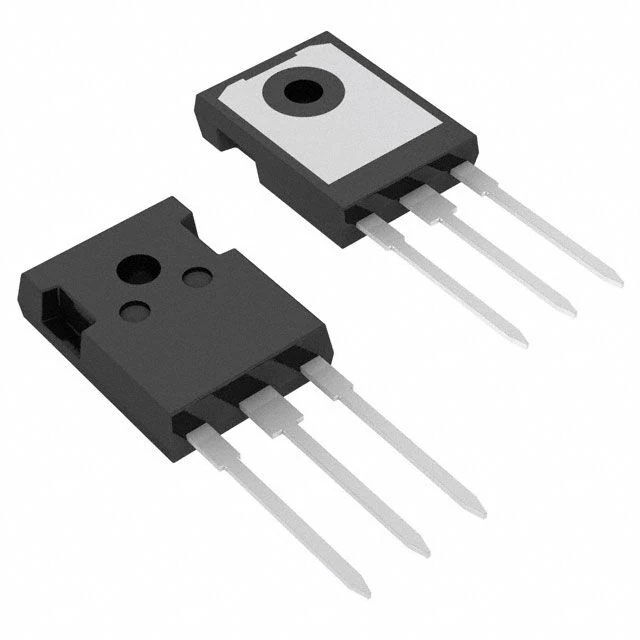
Learn how an IGBT works, compare MOSFET and IGBT losses, and check switching energy, gate drive, thermal limits and protection using a worked example.
Read More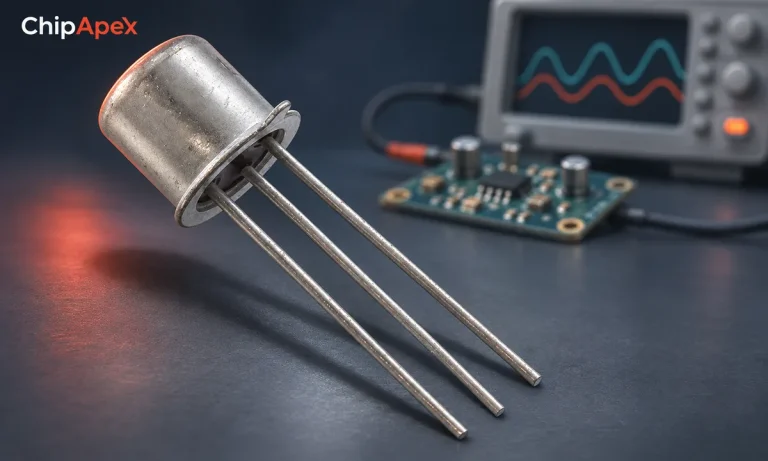
Learn what a transistor does in a circuit. Compare switching and amplification, BJT and MOSFET drive, operating limits and practical component selection.
Read More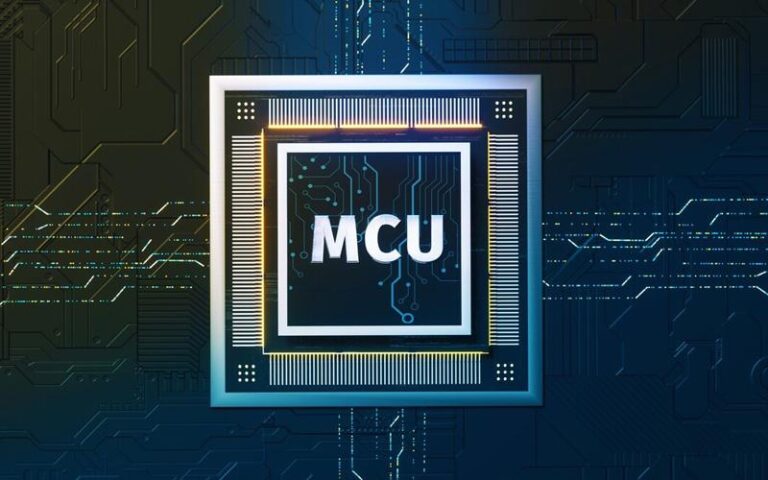
Selecting the right microcontroller (MCU) isn’t just about specs—it’s about balancing performance, power, cost, and supply chain reliability. As an engineer, you’ve probably faced…
Read More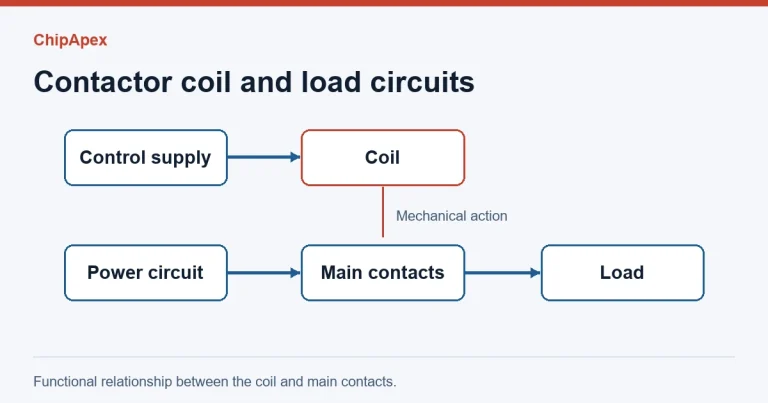
Learn what a contactor does, how it differs from a relay or starter, and how to check coil voltage, motor duty and protection before…
Read More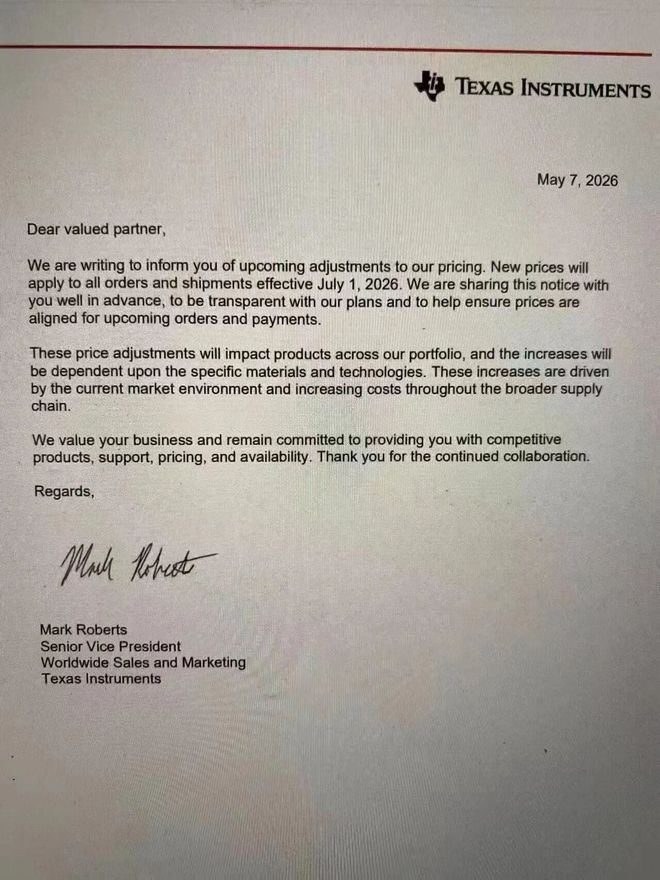
ChipApex – May 8, 2026 Texas Instruments (TI), the global leader in analog and embedded semiconductors, has officially notified customers of an upcoming company-wide…
Read More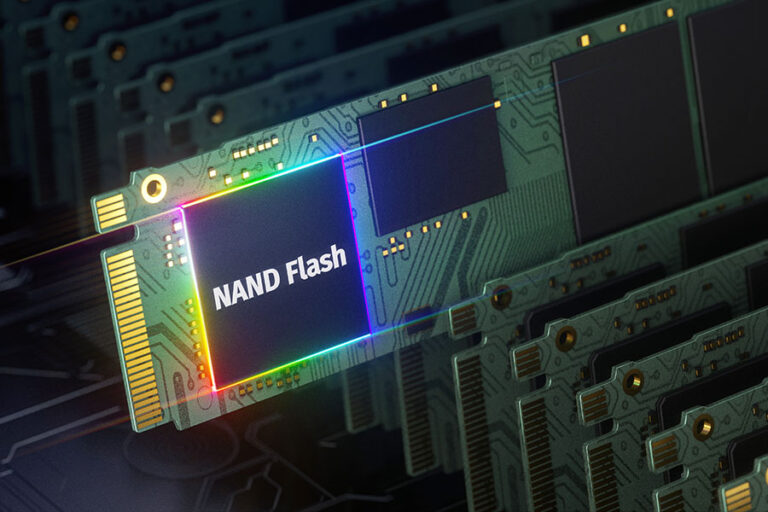
What Is NAND Flash? A Practical Guide for Engineers & Procurement Teams In today’s data-driven world—from smartphones and SSDs to industrial IoT devices—NAND flash…
Read More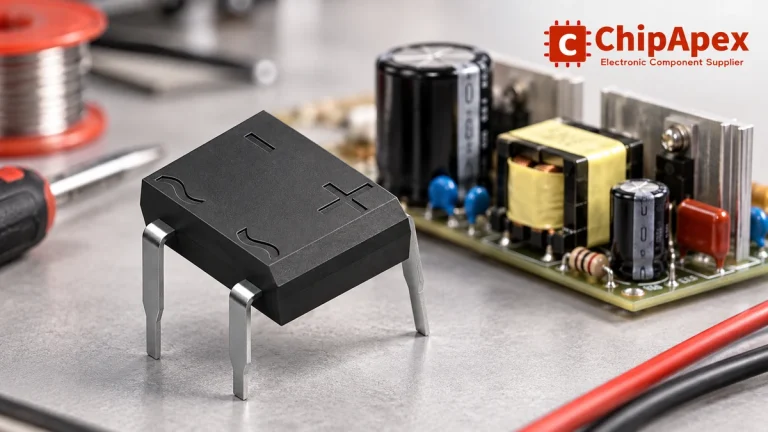
Select a bridge rectifier by reverse voltage, capacitor charging current, startup surge and cooling. Work through a stated DC voltage and ripple example.
Read More
On September 22nd, it was reported that Samsung Electronics, the South Korean tech giant, had successfully passed NVIDIA's certification test for its 12-layer HBM3E…
Read More
CHICAGO, USA – May 27, 2026 – Global leading interconnect manufacturer Molex officially issued a global distributor price adjustment notice on May 27, confirming…
Read More
Understand how an LDO regulates voltage. Check dropout, noise, PSRR, output capacitors and heat before selecting a low-dropout regulator for your circuit.
Read More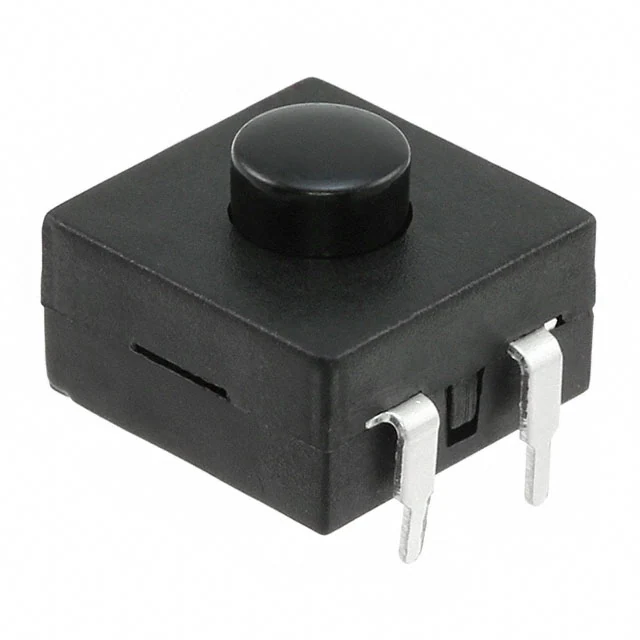
Compare momentary and latching push button switches. Check NO/NC contacts, micro-load current, illumination terminals, panel fit and replacement requirements.
Read More
The activity of extra discounts on wholesale prices is in full swing…
Please fill in your contact information and we will send you the latest wholesale price list.

