 ChipApex | Global Electronic Components Supplier

SEARCH
Search Product
Search Post
— IC芯片 | 连接器 | 传感器 | 被动器件 —
Search productSearch post
— IC芯片 | 连接器 | 传感器 | 被动器件 —

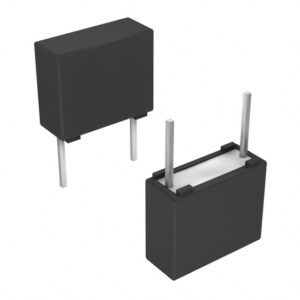
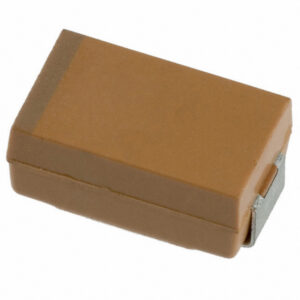
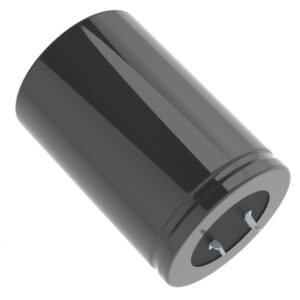
A capacitor (also known as a condensator) is a component in electronic circuits, that stores and releases electrical energy. It is made of conductive plates separated by an insulating material called the dielectric. When a voltage is applied across the plates, an electric field forms, causing positive charge to accumulate on one plate and negative charge on the other. This stored energy can be released when needed, making capacitors vital in various applications, including filtering, energy storage, signal processing, and power conditioning. There are several types of capacitors, each with unique characteristics and applications. Ceramic capacitors, made from ceramic materials as the dielectric, are widely used in high-frequency applications such as RF circuits, decoupling, and bypass applications due to their small size, low cost, high stability, and wide range of values. Multilayer ceramic capacitors (MLCCs) are a type of ceramic capacitor that consists of multiple layers of ceramic dielectric material and metal electrodes stacked together to form a compact, high-capacitance component. They are known for their small size, high capacitance per volume, excellent stability, and reliability. MLCCs are widely used in various electronic devices for applications such as decoupling, filtering, and signal smoothing, especially in high-frequency circuits. Electrolytic capacitors, which use a wet electrolytic solution as the dielectric, are common in power supply circuits, filtering, and coupling applications where large capacitance values are required. These capacitors are polarized, meaning they must be connected with the correct polarity. Film capacitors use plastic films like polyester, polypropylene, or polystyrene as the dielectric. They are employed in audio and high-frequency applications because of their stable performance, low loss, and suitability for high-frequency use. They are also non-polarized, making them versatile. Supercapacitors, or ultracapacitors, offer very high capacitance values by utilizing electrochemical double layers to generate pseudocapacitance. These capacitors are used in energy storage, power backup, and load leveling in hybrid vehicles due to their high energy density, long cycle life, and rapid charge/discharge cycles, effectively bridging the gap between batteries and traditional capacitors. Mica capacitors use mica as the dielectric material and are known for their excellent stability, low loss, and high precision. They are suitable for high-frequency and high-stability applications like radio transmitters and receivers. Tantalum capacitors, made from tantalum metal as the anode with an oxide layer as the dielectric, are used in space-constrained applications like mobile phones, laptops, and other portable electronics. They offer high capacitance per volume, stable performance, and reliability, although they are polarized. Capacitors are versatile components with a range of types suited to different applications. Understanding their characteristics and appropriate uses is essential for designing effective electronic circuits.
 SMDTF02470TA00KQ00View Product
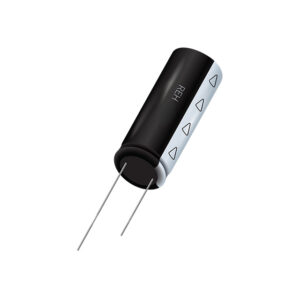 REH0816100M200KView Product
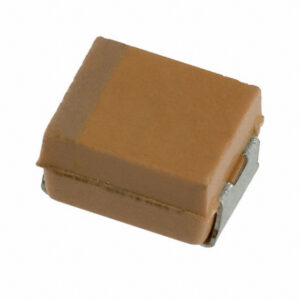 NOJB336M006RWJView Product
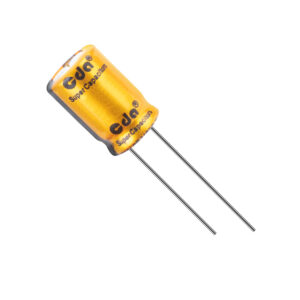 CHV-2R7106R-TWQView ProductT598B226M010ATE0707706View Product
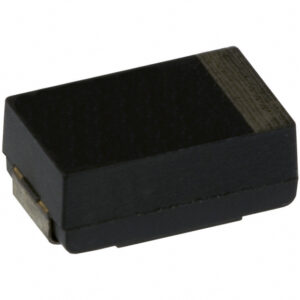 EEF-UD0K101ERView ProductM39003/03-0253HView Product
 BFC2370GC153View Product
 NCAA3900BJMAHWSView ProductM39006/31-0006View Product
 NOSE477M004R0075View Product
 LKG1V682MESCCKView Product
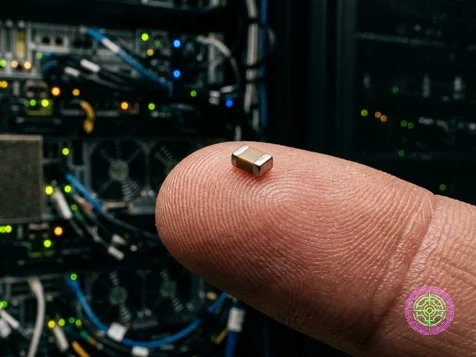
The multilayer ceramic capacitor (MLCC) market has fallen into a severe structural supply crunch in the third quarter of 2026, driven by explosive demand…
Read More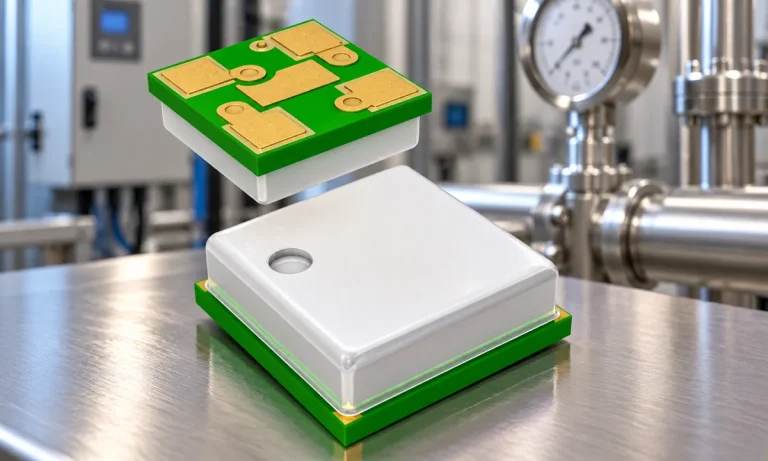
Learn how a pressure transducer converts pressure into voltage, current, or digital output, and compare pressure references and key selection specs.
Read More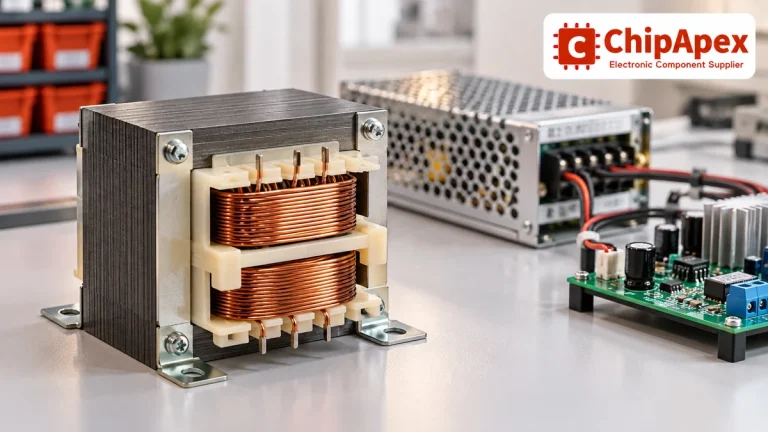
Select power transformers by input frequency, secondary VA, rectifier load, isolation, regulation and inrush. Build a clearer specification for your next RFQ.
Read More
In embedded design, the tug-of-war between cost and performance is constant. On one side, you have Microcontrollers (MCUs)—cheap, simple, and efficient. On the other,…
Read More
Learn what a battery BMS does, how protection differs from charging, and which pack specifications to check when sourcing BMS components through ChipApex.
Read More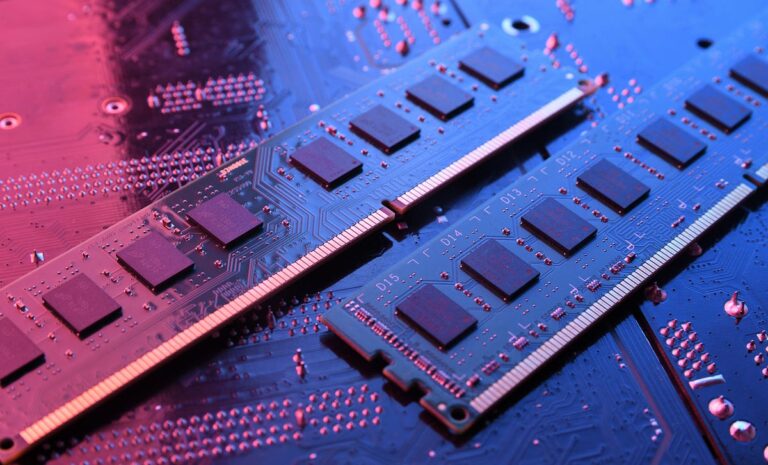
In the world of electronics, memory components play a critical role in system performance—and DRAM (Dynamic Random-Access Memory) is one of the most widely…
Read More
Wilmington, Mass. & Milpitas, Calif. – May 19, 2026 – Analog Devices, Inc. (NASDAQ: ADI), a global leader in high-performance analog and mixed-signal semiconductors,…
Read More
A perfect storm of surging demand and supply chain disruptions is roiling the global electronic components market, with advanced semiconductors and critical materials now…
Read More
Learn how rectifiers convert AC to DC, compare half-wave and bridge circuits, and select voltage, current, recovery and thermal ratings for your design.
Read More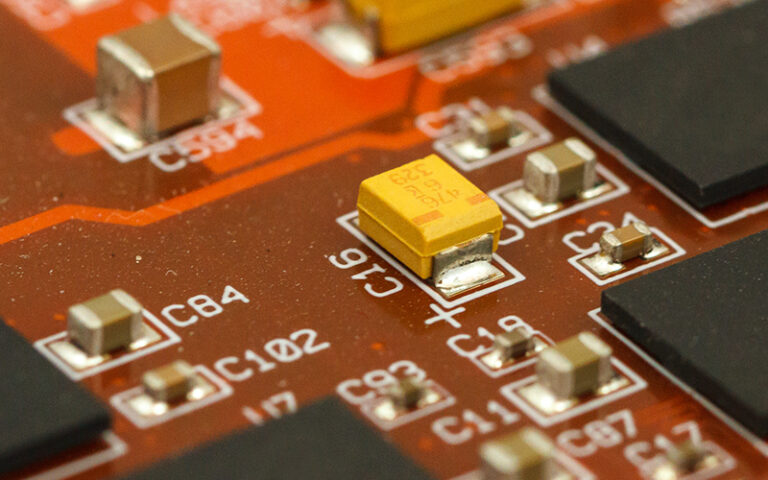
The global electronics industry is facing an escalating shortage of tantalum capacitors, a critical passive component, as surging demand from AI servers, automotive electronics,…
Read More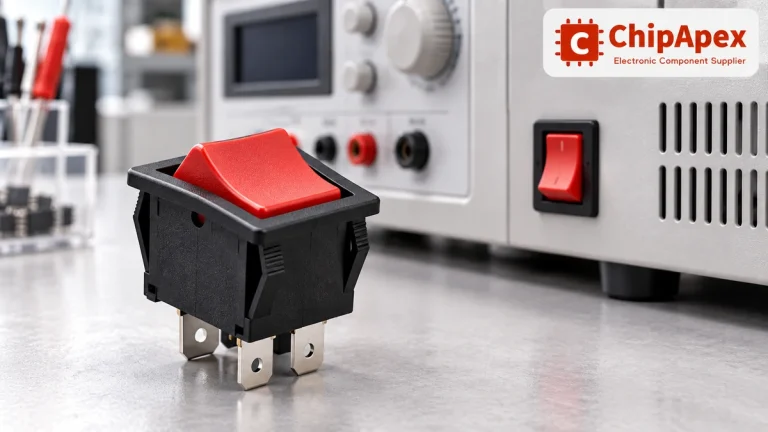
Choose a rocker switch by AC/DC ratings, contact arrangement, illumination, panel fit and sealing. Get practical checks for engineering and component sourcing.
Read More
On October 1, 2025 local time, OpenAI, an artificial intelligence research company, announced the establishment of a cooperative relationship with Samsung Electronics and SK…
Read More
The activity of extra discounts on wholesale prices is in full swing…
Please fill in your contact information and we will send you the latest wholesale price list.

