 ChipApex | Global Electronic Components Supplier

SEARCH
Search Product
Search Post
— IC芯片 | 连接器 | 传感器 | 被动器件 —
Search productSearch post
— IC芯片 | 连接器 | 传感器 | 被动器件 —
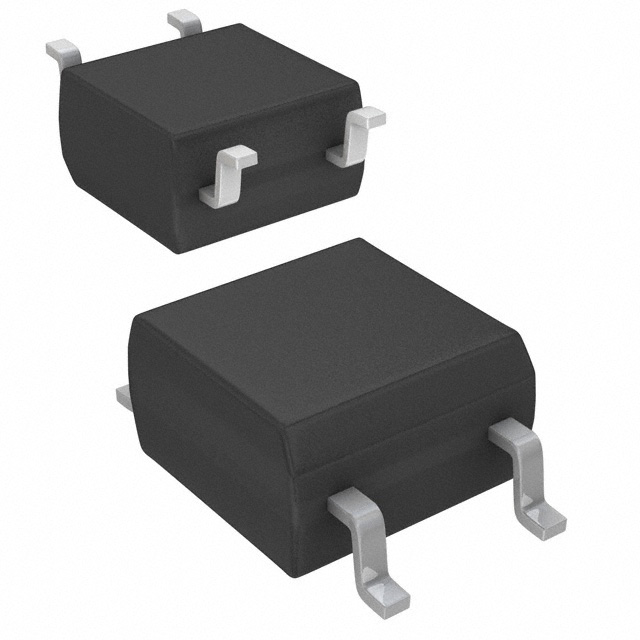
A solid state relay (SSR) is an electronic switching device that switches on or off when an external voltage is applied across its control terminals. Unlike traditional electromagnetic relays, SSRs have no moving parts and rely on semiconductor components like thyristors, triacs, diodes, and transistors to perform switching operations. Key features and benefits of solid state relays include: Durability and Longevity: Without mechanical parts, SSRs have a longer operational life and are less prone to wear and tear. Fast Switching: SSRs can switch on and off rapidly, making them suitable for applications requiring high-speed operation. Silent Operation: The absence of mechanical movement results in noiseless switching. Vibration Resistance: Their solid-state nature makes SSRs resistant to shock and vibration, enhancing reliability in harsh environments. Reduced Electromagnetic Interference (EMI): SSRs generate less EMI compared to electromagnetic relays. Solid state relays are commonly used in applications where fast switching, silent operation, and high reliability are required, such as in industrial automation, HVAC systems, lighting controls, and home appliances. They are available in various configurations to handle different voltage and current levels, providing flexibility in design and usage.
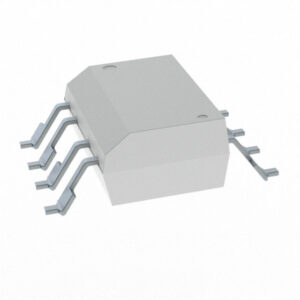 TLP3823F(TP4,FView Product
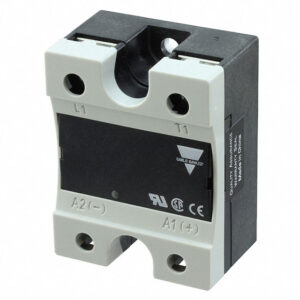 RM1A23D25View Product
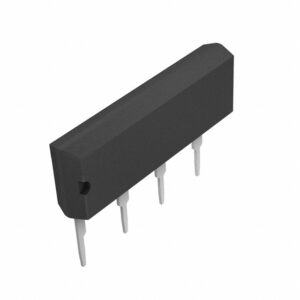 CPC1219YAView Product
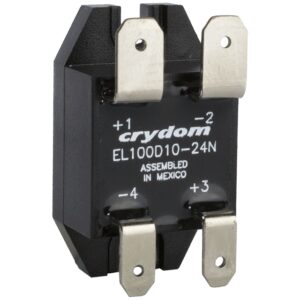 EL100D20-24NView Product
 G3R-102PN DC24View Product
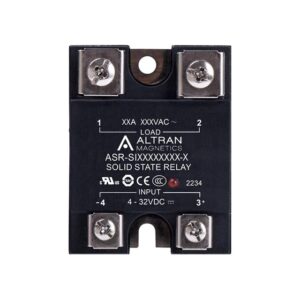 ASR-SI600A100ZY-LHView ProductE-1048-8C5-C3D4V1-4U3-5AView ProductG3M-203P-UTU-1 DC24View Product
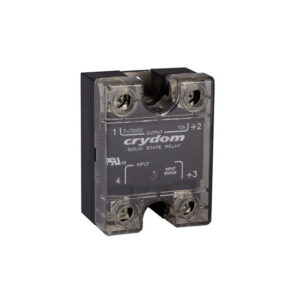 DC500F60View ProductG3PB-245B-VD DC12-24View Product
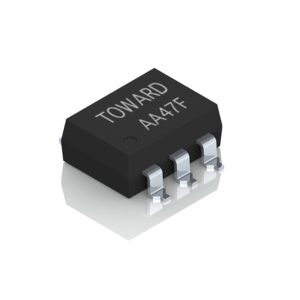 AA47FView Product
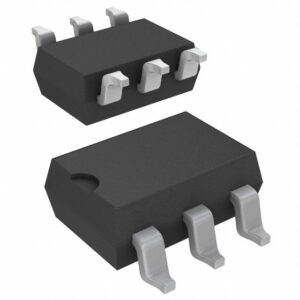 AQV210HLAXView Product
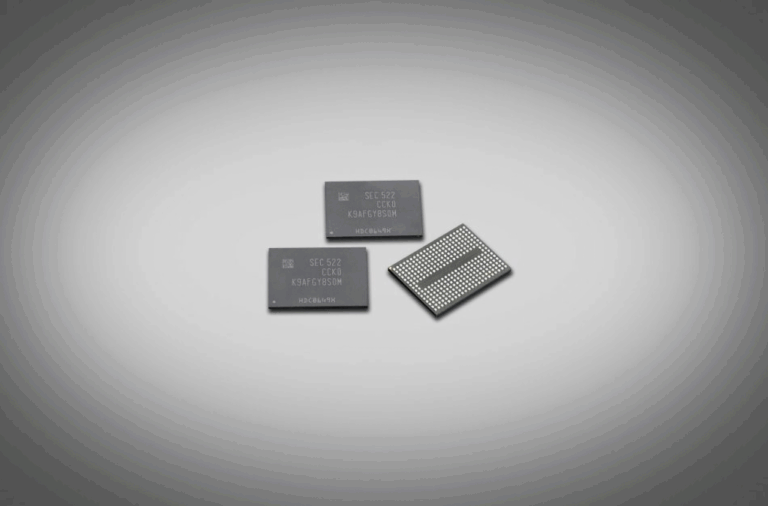
Date: May 13, 2026 The global memory industry is facing an unprecedented supply crunch in legacy MLC NAND Flash. Leading manufacturers including Samsung Electronics…
Read More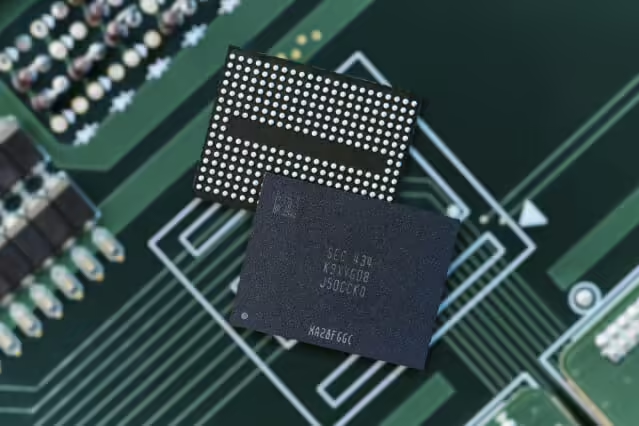
Recently, the global electronic component market has witnessed complex and changeable trends. In the memory chip sector, the wave of price increases continues to…
Read More
Recently, global semiconductor manufacturers have been constantly making moves in aspects such as technological cooperation, product manufacturing processes, and market layout, demonstrating the rapid…
Read More
Understand RF attenuator dB values, fixed and programmable types, impedance, power limits and noise tradeoffs before choosing parts for an RF signal path.
Read MoreA digital-to-analog converter (DAC) turns a digital number into an analog voltage or current. It lets a controller set a physical output, such as…
Read More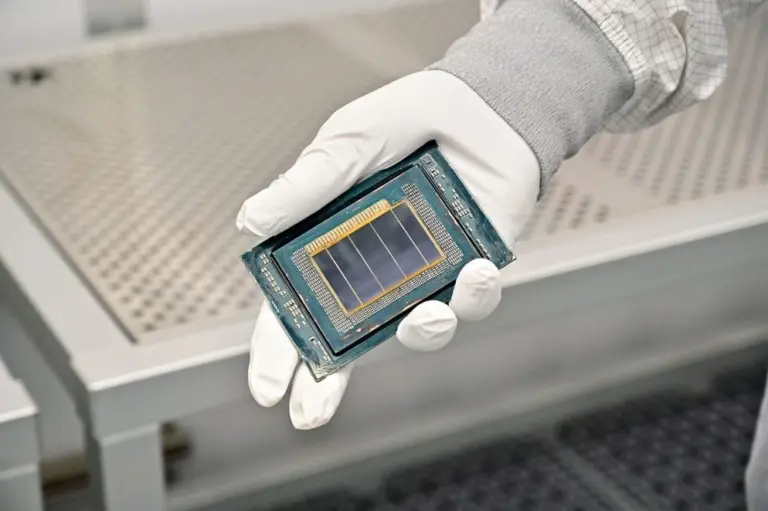
Recently, global semiconductor manufacturers have been constantly taking actions and presenting numerous new developments in aspects such as process technology and product research and…
Read More
Learn why PTC resistance rises with temperature, how it differs from NTC, and which ratings matter for sensing and protection.
Read More
Compare RC, crystal and MEMS oscillator circuits. Check ppm, jitter, load capacitance, startup margin and output compatibility before choosing a clock source.
Read More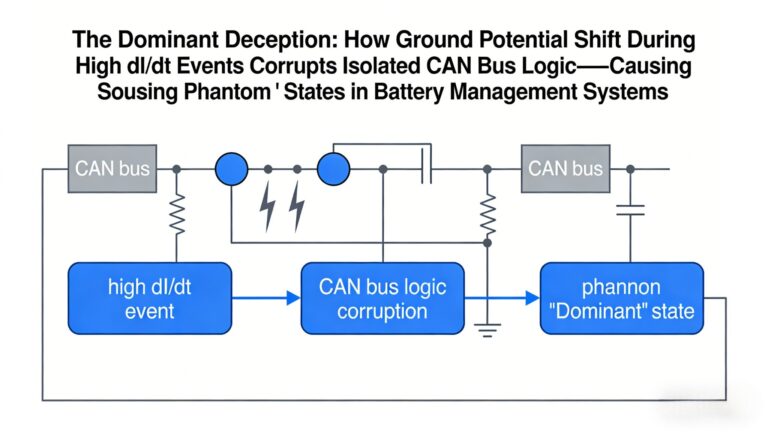
Stay ahead with ChipApex Insights — technical deep dives, market trends, and sourcing tips for memory, microcontrollers, power management, and industrial-grade components. Trusted by…
Read More
May 4, 2026 — The global power semiconductor market is grappling with a worsening supply crunch, as lead times for key components have extended…
Read More
Find out when a bare shock switch needs a pull resistor, when an MCU internal pull-up is enough, and why sensor modules and piezo…
Read More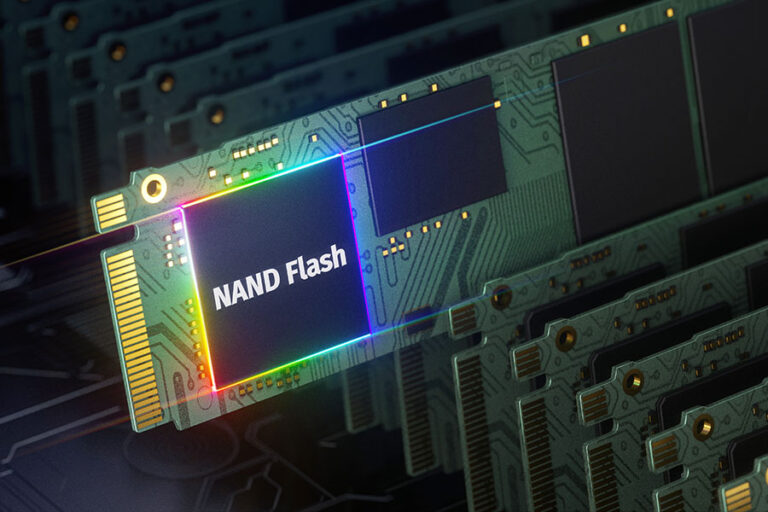
What Is NAND Flash? A Practical Guide for Engineers & Procurement Teams In today’s data-driven world—from smartphones and SSDs to industrial IoT devices—NAND flash…
Read More
The activity of extra discounts on wholesale prices is in full swing…
Please fill in your contact information and we will send you the latest wholesale price list.

