ChipApex | Global Electronic Components Supplier

SEARCH
Search Product
Search Post
— IC芯片 | 连接器 | 传感器 | 被动器件 —
Search productSearch post
— IC芯片 | 连接器 | 传感器 | 被动器件 —
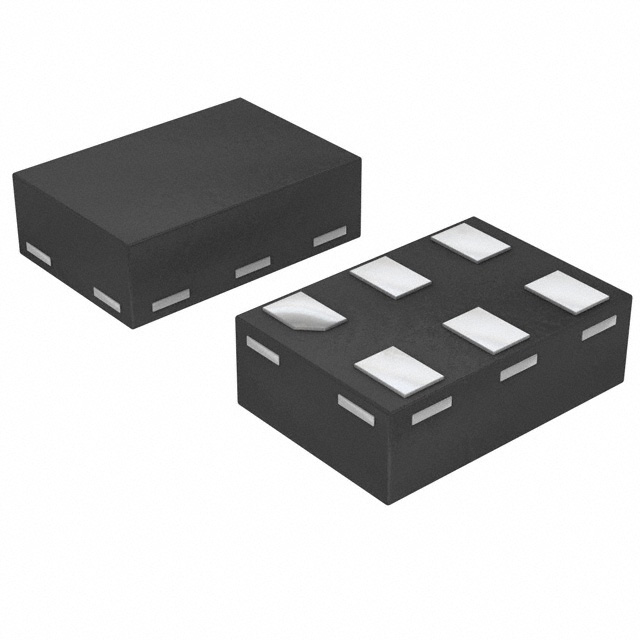
Logic buffers, drivers, receivers and transceivers allow isolated access to logic signals from one circuit for use in another circuit. Buffers pass their input signal, either unchanged or inverted, to their output and may be used to clean up a weak signal or drive a load. In a boolean logic simulator, a buffer is mainly used to increase propagation delay. Logic receivers and transceivers allow isolated communication between data buses.
| Select products | Mfr | Description | Package | Supplier Device Package | Mounting Type | Series | Operating Temperature |
|---|---|---|---|---|---|---|---|
| onsemi | IC TXRX NON-INVERT 3.6V 20SOP | Tape & Reel (TR) | 20-SOP | Surface Mount | 74LVTH | -40°C ~ 85°C (TA) | |
| onsemi | IC TXRX NON-INVERT 3.6V 20SOIC | Tube | 20-SOIC | Surface Mount | 74LVTH | -40°C ~ 85°C (TA) | |
| onsemi | IC TXRX NON-INVERT 3.6V 20SOIC | Tape & Reel (TR) | 20-SOIC | Surface Mount | 74LVTH | -40°C ~ 85°C (TA) | |
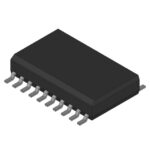 74LVTH245WMX $0.43 | Fairchild Semiconductor | IC TXRX NON-INVERT 3.6V 20SOIC | Bulk | 20-SOIC | Surface Mount | 74LVTH | -40°C ~ 85°C (TA) |
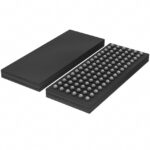 74LVTH322245EC,551 $3.66 | NXP USA Inc. | IC TXRX NON-INVERT 3.6V 96LFBGA | Tray | 96-LFBGA (13.5x5.5) | Surface Mount | 74LVTH | -40°C ~ 85°C (TA) |
| onsemi | IC TXRX NON-INVERT 3.6V 96FBGA | Tray | 96-FBGA (13.5x5.5) | Surface Mount | 74LVTH | -40°C ~ 85°C (TA) | |
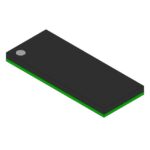 74LVTH322245G $2.21 | Fairchild Semiconductor | IC TXRX NON-INVERT 3.6V 96FBGA | Tray | 96-FBGA (13.5x5.5) | Surface Mount | 74LVTH | -40°C ~ 85°C (TA) |
74LVTH322245GX $2.21 | Fairchild Semiconductor | IC TXRX NON-INVERT 3.6V 96FBGA | Bulk | 96-FBGA (13.5x5.5) | Surface Mount | 74LVTH | -40°C ~ 85°C (TA) |
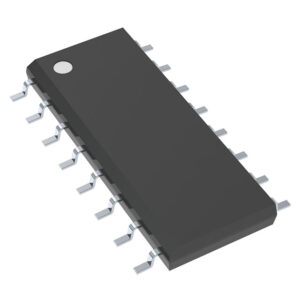 CD74HC4050MView Product
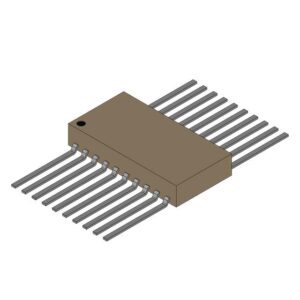 54ABT244W-QMLVView Product
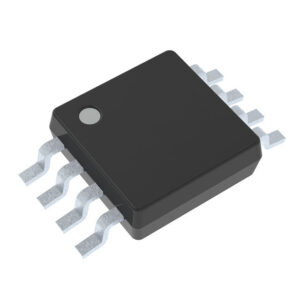 CLVC3G07QDCURG4Q1View Product
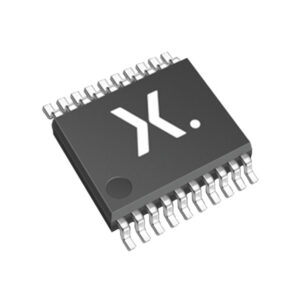 74HCT244PW-Q100,11View Product
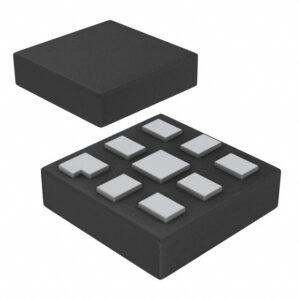 74AUP3G16GMHView Product
 74FST163244DBPAView Product
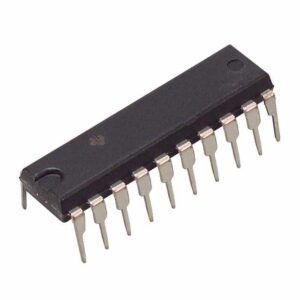 SN74BCT245NView Product
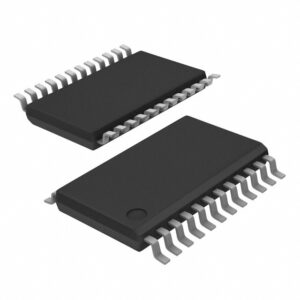 74LVTH652MTCView Product
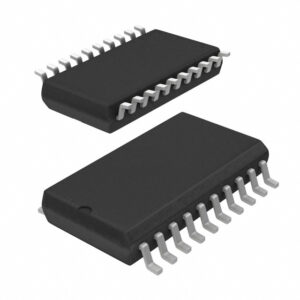 MC74LVX245MGView Product
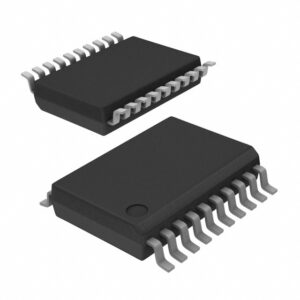 74FCT244CTQG8View ProductSNJ95161BJView Product
 SN74AUP2G241YFPRView Product
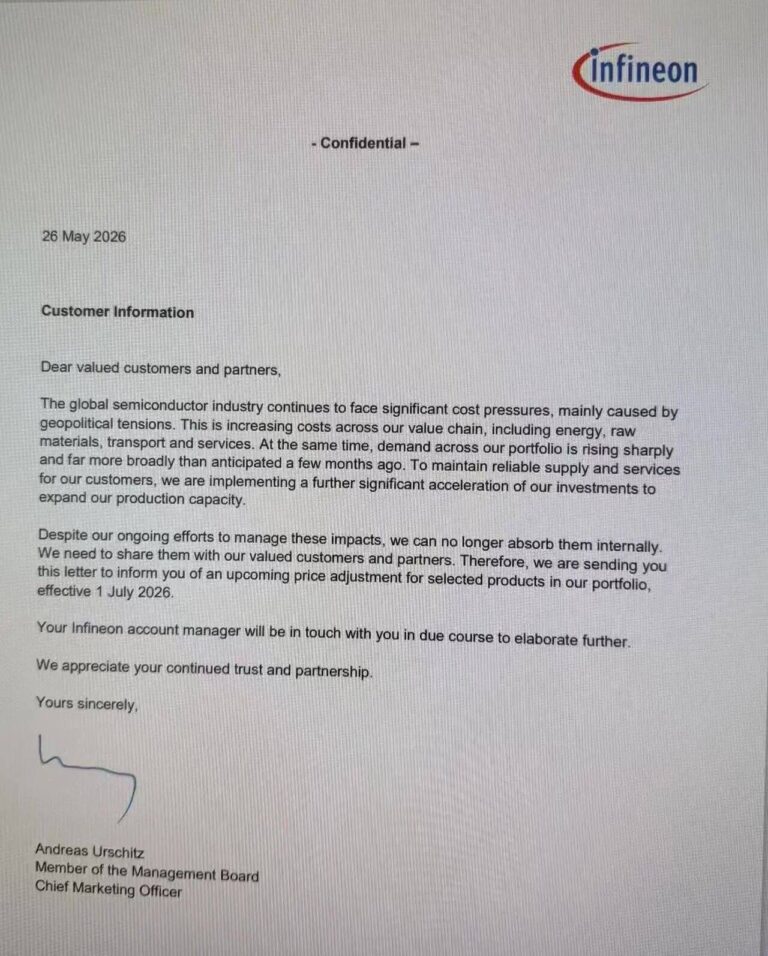
Munich, Germany – May 26, 2026 – Power semiconductor and automotive chip giant Infineon Technologies AG has formally notified customers worldwide of a second…
Read More
Monolithic Power Systems (MPS), a global leader in analog and mixed-signal semiconductors, has notified its distribution partners of an upcoming price increase for selected…
Read More
As 2025 draws to a close, the global semiconductor industry stands at a crossroads. Intertwined with escalating geopolitical tensions, supply chain disruptions, and groundbreaking…
Read More
Every audio power amplifier design starts with the same fundamental challenge: converting a low-voltage line-level signal into the high-current drive required by a reactive…
Read More
Learn how rectifiers convert AC to DC, compare half-wave and bridge circuits, and select voltage, current, recovery and thermal ratings for your design.
Read More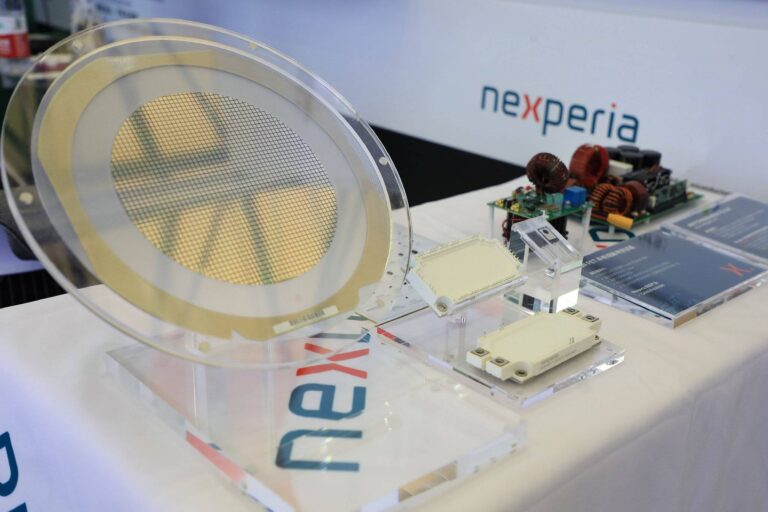
Dutch authorities announced on November 7 the lifting of control measures on Nexperia (formerly NXP Semiconductors’ Standard Products division), marking the end of a…
Read More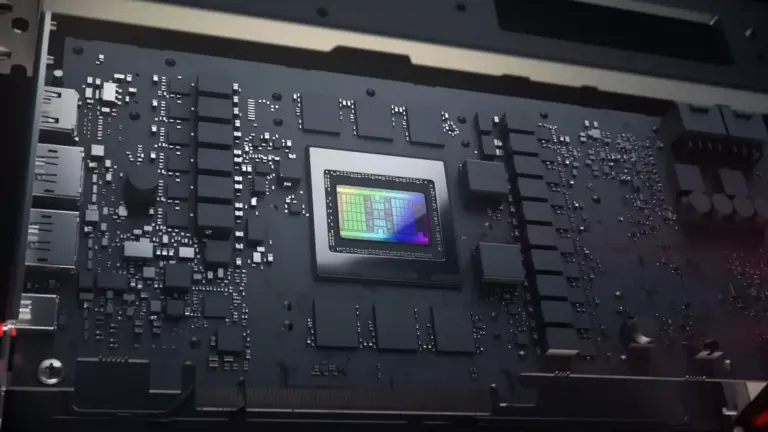
Latest updates from leading semiconductor manufacturers: Wolfspeed launches new SiC modules, AMD reveals MI430X with HBM4, TSMC eyes third Japan fab, and Samsung samples…
Read More
Learn why PTC resistance rises with temperature, how it differs from NTC, and which ratings matter for sensing and protection.
Read More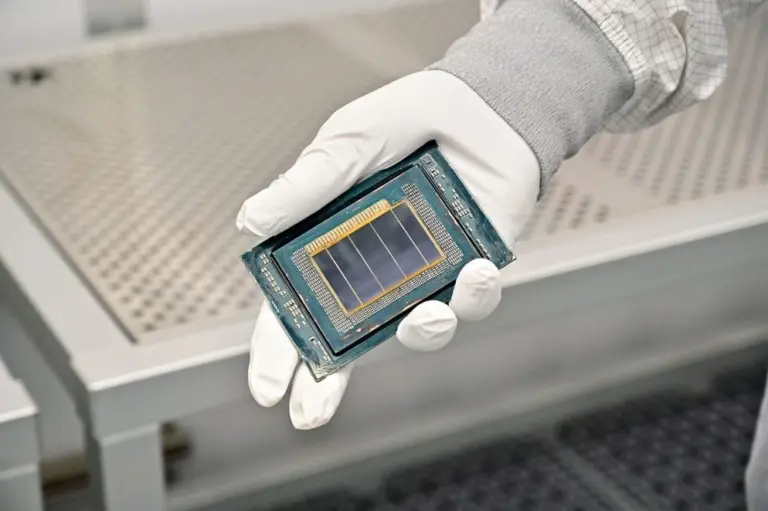
Recently, global semiconductor manufacturers have been constantly taking actions and presenting numerous new developments in aspects such as process technology and product research and…
Read More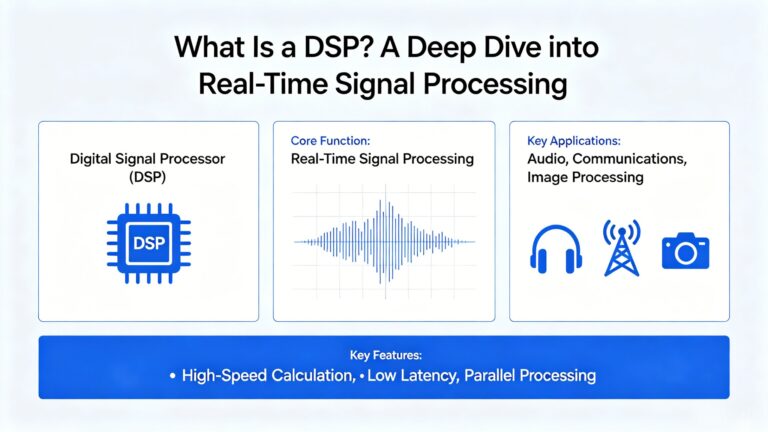
In the embedded world, general-purpose CPUs are great at running operating systems, and MCUs excel at logic control. But when you need to process…
Read More
The Dutch government’s intervention in the control of Nexperia (Anshi Semiconductor) is triggering a chain reaction of turmoil in the global power semiconductor market.…
Read More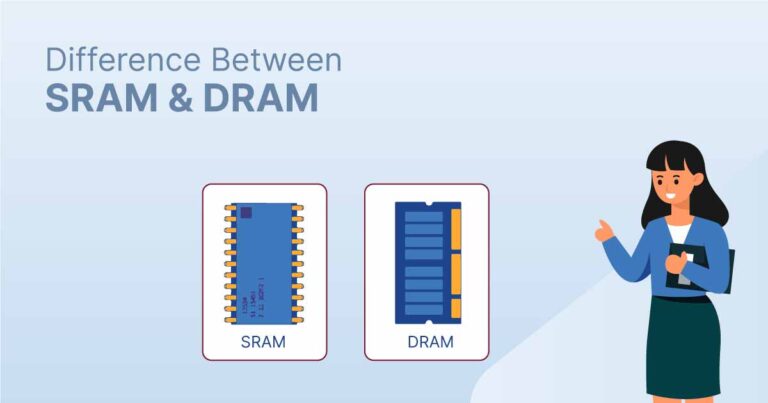
In an era dominated by AI accelerators with terabytes of HBM memory and consumer devices racing toward LPDDR5X bandwidth, it’s easy to wonder: why…
Read More
The activity of extra discounts on wholesale prices is in full swing…
Please fill in your contact information and we will send you the latest wholesale price list.