ChipApex | Global Electronic Components Supplier

SEARCH
Search Product
Search Post
— IC芯片 | 连接器 | 传感器 | 被动器件 —
Search productSearch post
— IC芯片 | 连接器 | 传感器 | 被动器件 —
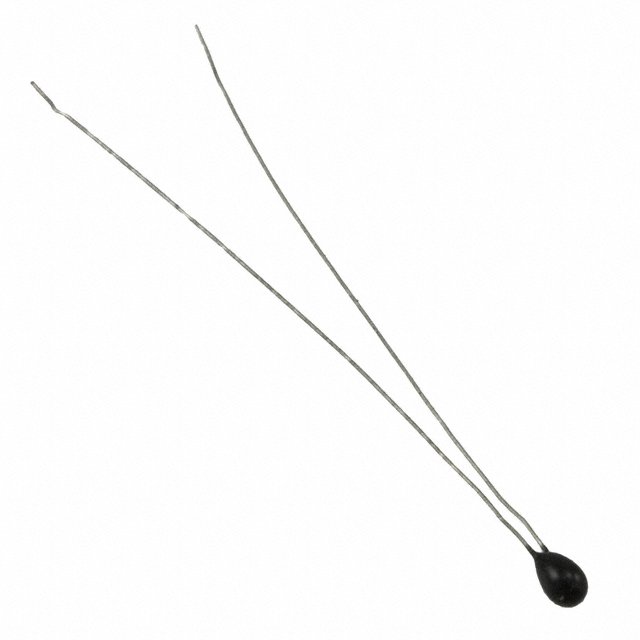
NTC Thermistors, or Negative Temperature Coefficient Thermistors, are devices that change resistance in response to changes in temperature. With negative coefficient parts, their resistance decreases as their temperature increases. They are typically defined with variables such as the parts base resistance value at a set temperature, usually 25°C, and B values, the performance curve of temperature vs. resistance calibrated between two fixed points.
| Select products | Mfr | Description | Package | Supplier Device Package | Mounting Type | Series | Operating Temperature |
|---|---|---|---|---|---|---|---|
| Amphenol Advanced Sensors (Thermometrics) | THERMISTOR NTC 1KOHM BEAD | Bulk | Through Hole | BR42K | -80°C ~ 200°C | ||
| Amphenol Advanced Sensors (Thermometrics) | THERMISTOR NTC 2KOHM BEAD | Bulk | Through Hole | BR42K | -80°C ~ 300°C | ||
| Amphenol Advanced Sensors (Thermometrics) | THERMISTOR NTC 10KOHM BEAD | Bulk | Through Hole | BR42K | -80°C ~ 300°C | ||
| Amphenol Advanced Sensors (Thermometrics) | THERMISTOR NTC 100KOHM BEAD | Bulk | Through Hole | BR42K | -80°C ~ 300°C | ||
| Amphenol Advanced Sensors (Thermometrics) | THERMISTOR NTC 1MOHM BEAD | Bulk | Through Hole | BR42K | -80°C ~ 300°C | ||
| Amphenol Advanced Sensors (Thermometrics) | THERMISTOR NTC 20KOHM BEAD | Bulk | Through Hole | BR42K | -80°C ~ 300°C | ||
| Amphenol Advanced Sensors (Thermometrics) | THERMISTOR NTC 50KOHM BEAD | Bulk | Through Hole | BR42K | -80°C ~ 300°C | ||
| Amphenol Advanced Sensors (Thermometrics) | NTC THERMISTORS DIA 55MILS ADJ L | Bulk | Free Hanging | BR | -80°C ~ 200°C |
 SDNT1608X103H3380FTFView Product
 NXFT15XM202GA1B040View Product
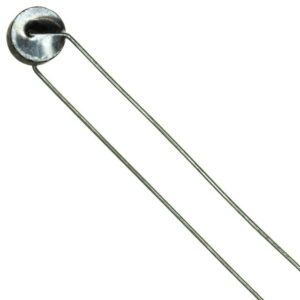 1DA131KView ProductMF58472F3470View Product
 B57871S0303H000View Product95806View Product
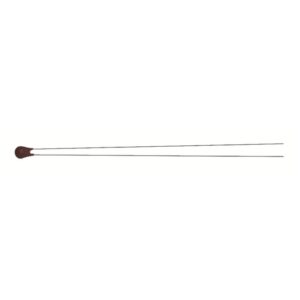 02M1801FFView Product
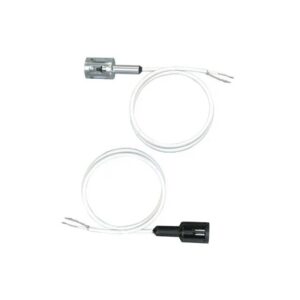 ON-905-44006View Product
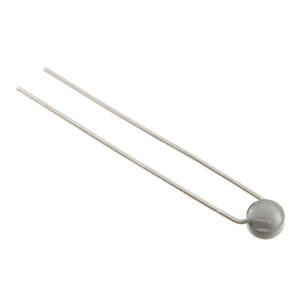 B57164K0221J000View Product
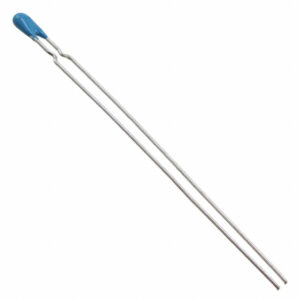 NXRT15XV103FA1B010View Product
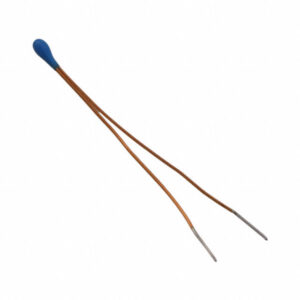 NXFT15XH103FEAB030View Product01C1502JFView Product

Learn how a diode conducts, how to identify anode and cathode, and when to choose rectifier, TVS, Zener or photodiode types for a circuit.
Read More
Recently, global semiconductor manufacturers have been constantly taking actions and presenting numerous new developments in aspects such as process technology and product research and…
Read More
Date: May 13, 2026 The global memory industry is facing an unprecedented supply crunch in legacy MLC NAND Flash. Leading manufacturers including Samsung Electronics…
Read More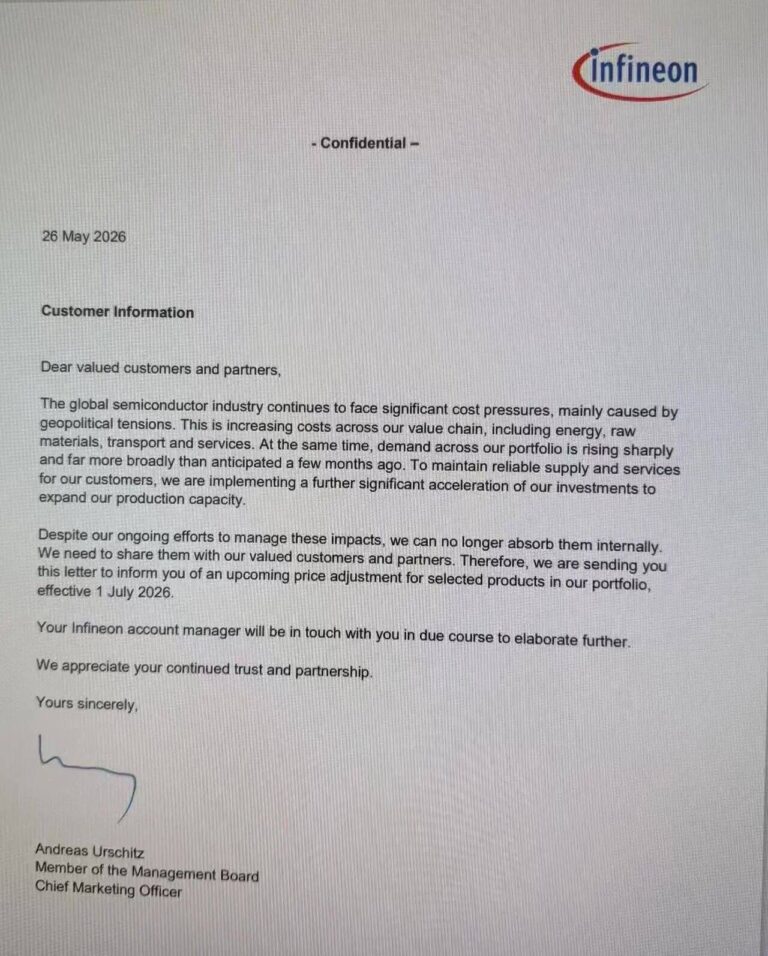
Munich, Germany – May 26, 2026 – Power semiconductor and automotive chip giant Infineon Technologies AG has formally notified customers worldwide of a second…
Read More
Recently, the global electronic component market has witnessed a series of new developments. The strategic layouts and market collaborations of major enterprises are constantly…
Read More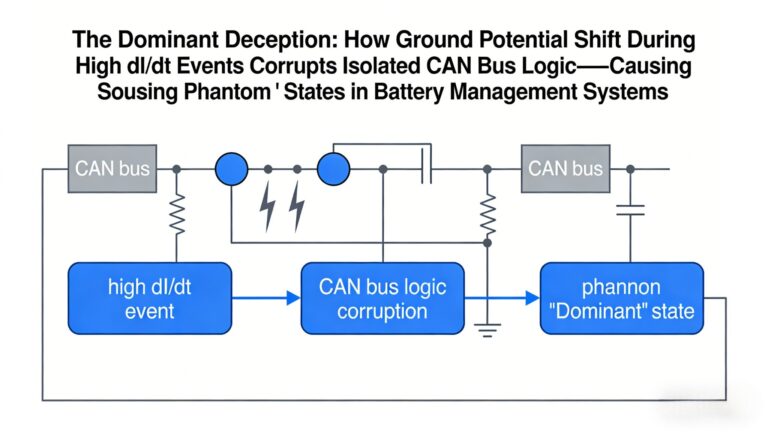
Stay ahead with ChipApex Insights — technical deep dives, market trends, and sourcing tips for memory, microcontrollers, power management, and industrial-grade components. Trusted by…
Read More
Geneva, Switzerland – August 20, 2026 – Global leading semiconductor manufacturer STMicroelectronics (ST) has officially issued a new global price adjustment notice to global…
Read More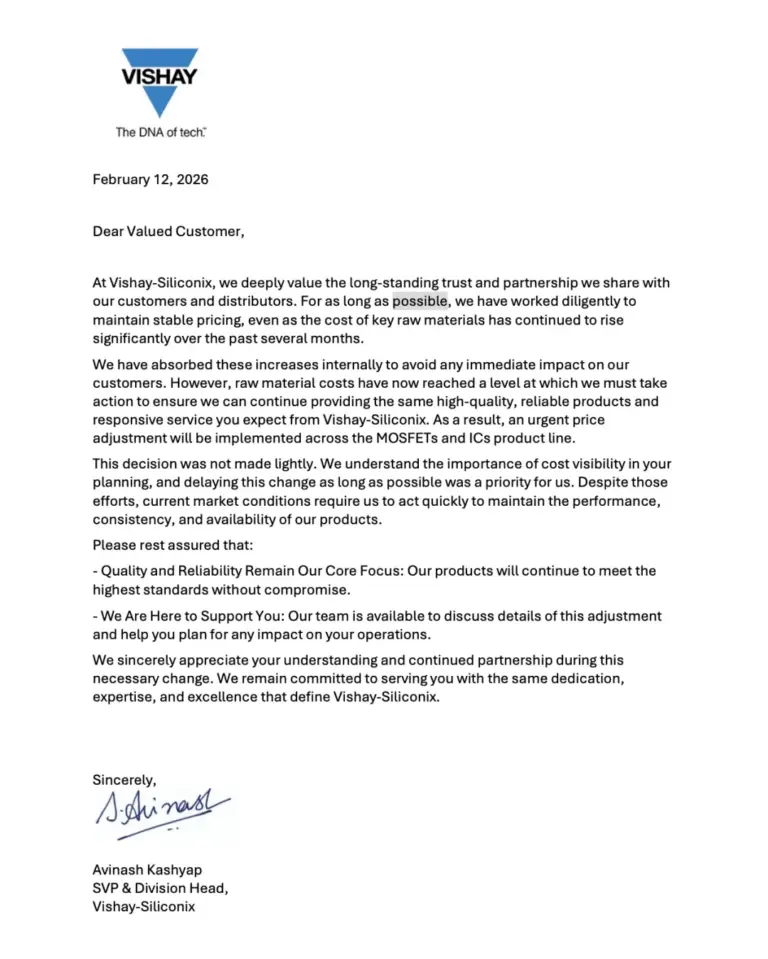
Vishay Intertechnology, Inc., a global leader in discrete semiconductors and passive electronic components, has officially announced a price adjustment for its Metal-Oxide-Semiconductor Field-Effect Transistors…
Read More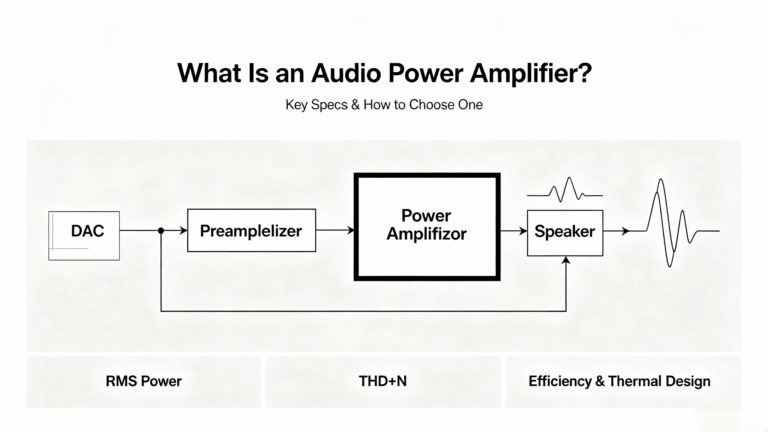
Every audio power amplifier design starts with the same fundamental challenge: converting a low-voltage line-level signal into the high-current drive required by a reactive…
Read More
Choose a DIP switch by contact type, coded positions, footprint and signal ratings. Check logic polarity, assembly conditions and PCB configuration behavior.
Read More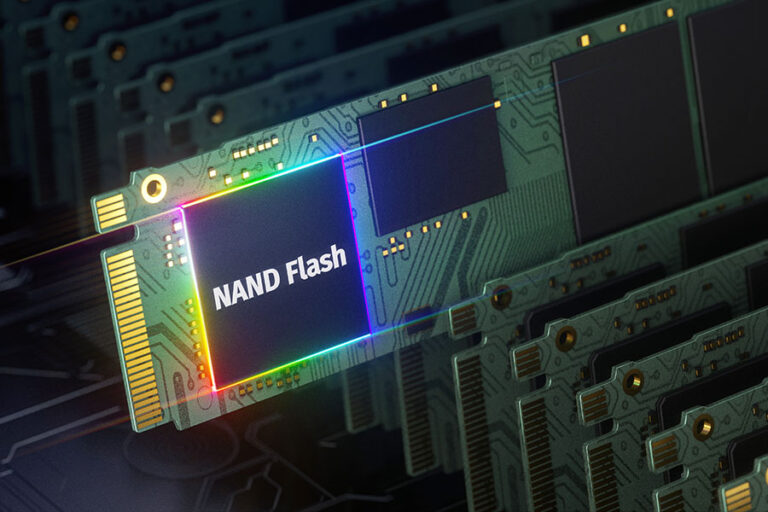
What Is NAND Flash? A Practical Guide for Engineers & Procurement Teams In today’s data-driven world—from smartphones and SSDs to industrial IoT devices—NAND flash…
Read More
Choose tactile switches by operating force, travel, actuator height, footprint and lifetime. Check debounce, sealing and the assembled button mechanism.
Read More
The activity of extra discounts on wholesale prices is in full swing…
Please fill in your contact information and we will send you the latest wholesale price list.