 ChipApex | Global Electronic Components Supplier

SEARCH
Search Product
Search Post
— IC芯片 | 连接器 | 传感器 | 被动器件 —
Search productSearch post
— IC芯片 | 连接器 | 传感器 | 被动器件 —
Consult the customer manager about the wholesale price.
consultation hotline:86-132-6715-2157
email:[email protected]
Contact the product manager for consultation. One-stop consultation is available.
Do you want a lower wholesale price? Please send us your inquiry and we will reply immediately.
24LC04BT-E/SN16KVAO is listed in the Memory IC range at ChipApex. The manufacturer field lists Microchip Technology. Its product description is IC EEPROM 4KBIT I2C 400KHZ 8SOIC. Review the specifications below when checking this part for your BOM.
The Microchip Technology 24LC04BT-E/SN16KVAO is a 4-Kbit (512 x 8) serial EEPROM utilizing an I²C-compatible two-wire interface. It operates within a voltage range of 2.5V to 5.5V and supports clock frequencies up to 400 kHz. The device features a maximum access time of 900 ns, a page write buffer for 16 bytes, and a maximum write cycle time of 5 ms. It is qualified under AEC-Q100 standards and functions reliably in extended industrial temperatures from -40°C to +125°C.
Verify the specific suffix 'SN16KVAO' against official Microchip documentation to confirm package type and automotive compliance status. Ensure the Extended temperature grade (-40°C to +125V) matches your system requirements. Confirm RoHS compliance and check for any recent Product Change Notifications that may affect availability or specifications.
Select this component when automotive reliability and extended temperature performance are required. The 2.5V minimum supply voltage distinguishes it from lower-voltage variants like the 24AA04. The SOIC-8 package offers standard surface-mount compatibility. Verify that the 400 kHz bus speed meets your system's timing constraints.
This part belongs to the 24LC04B family of 4-Kbit serial EEPROMs. It shares core architecture with the 24AA04 and 24FC04 but differs in voltage ranges and bus speeds. The 'E' designation indicates the extended temperature grade, while 'SN' specifies the SOIC package. The '16KVAO' suffix denotes automotive qualification and specific ordering attributes.
Direct replacements include other 24LC04B variants with matching temperature grades and packages. Cross-reference with 24AA04 or 24FC04 only if voltage and speed requirements align. Verify pinout compatibility and ensure the replacement maintains AEC-Q100 certification if used in automotive applications.
Explore related parts through Memory, Integrated Circuits (ICs), all product categories, ChipApex homepage.
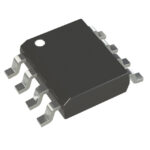 24LC04BT-E/SN16KVAO

See when an inductor behaves linearly, how DC bias and saturation reduce inductance, and which current and temperature curves to check.
Read More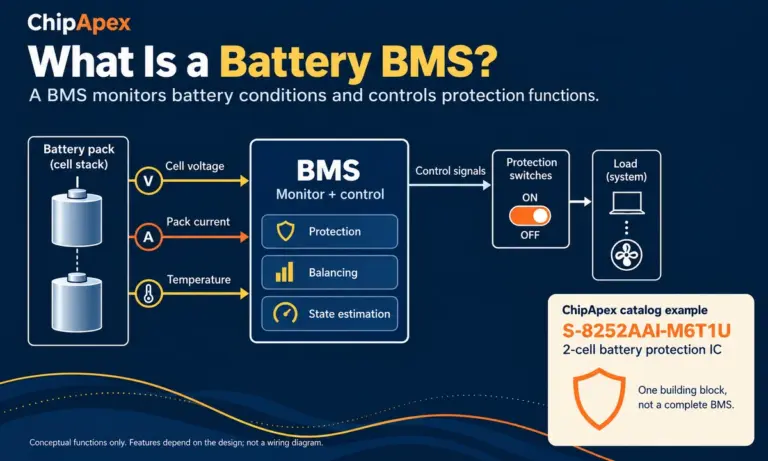
Learn what a battery BMS does, how protection differs from charging, and which pack specifications to check when sourcing BMS components through ChipApex.
Read More
Compare RC, crystal and MEMS oscillator circuits. Check ppm, jitter, load capacitance, startup margin and output compatibility before choosing a clock source.
Read More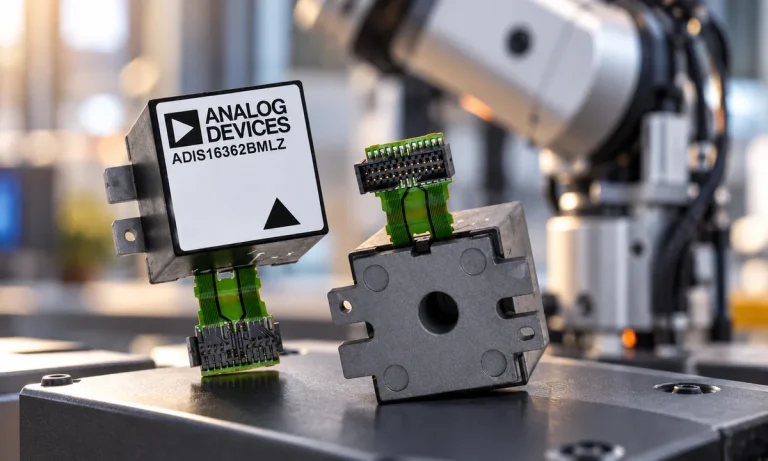
Learn what an IMU measures, how accelerometers and gyroscopes work together, why orientation estimates drift, and what to compare.
Read More
24LC04BT-E/SN16KVAO is listed in the Memory IC range at ChipApex. The manufacturer field lists Microchip Technology. Its product description is IC EEPROM 4KBIT I2C…
Read More
24LC04BT-E/SN16KVAO is listed in the Memory IC range at ChipApex. The manufacturer field lists Microchip Technology. Its product description is IC EEPROM 4KBIT I2C…
Read More
24LC04BT-E/SN16KVAO is listed in the Memory IC range at ChipApex. The manufacturer field lists Microchip Technology. Its product description is IC EEPROM 4KBIT I2C…
Read More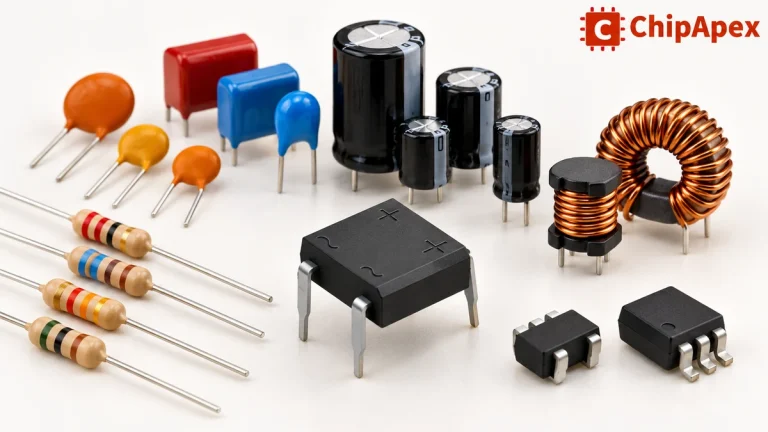
Explore electronic component types, functions, packages and datasheets. Learn selection, replacement and BOM checks before ordering parts for your PCB.
Read More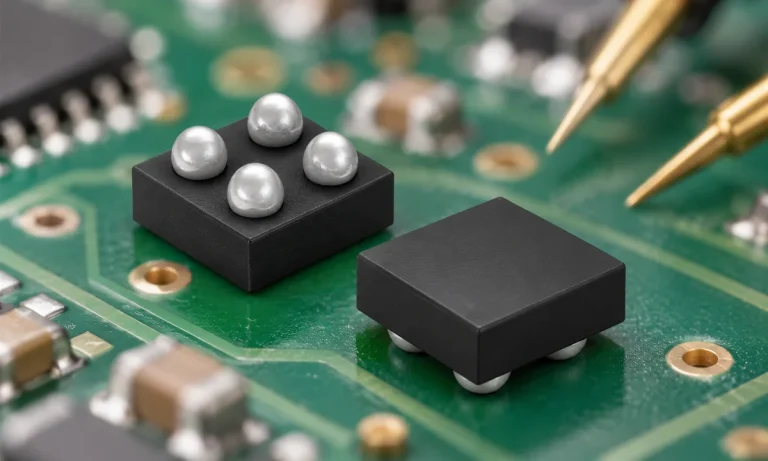
Understand how a comparator switches at a voltage threshold, why hysteresis prevents chatter, and which output and input specs matter.
Read More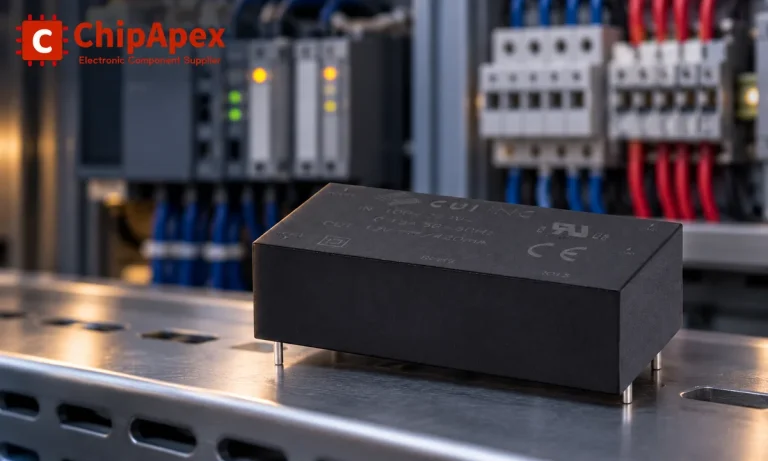
Choose an AC to DC converter by input range, output demand, isolation, efficiency and thermal derating. Compare architectures and check installation needs.
Read More
24LC04BT-E/SN16KVAO is listed in the Memory IC range at ChipApex. The manufacturer field lists Microchip Technology. Its product description is IC EEPROM 4KBIT I2C…
Read More
Find out when a bare shock switch needs a pull resistor, when an MCU internal pull-up is enough, and why sensor modules and piezo…
Read More
The activity of extra discounts on wholesale prices is in full swing…
Please fill in your contact information and we will send you the latest wholesale price list.




