 ChipApex | Global Electronic Components Supplier

SEARCH
Search Product
Search Post
— IC芯片 | 连接器 | 传感器 | 被动器件 —
Search productSearch post
— IC芯片 | 连接器 | 传感器 | 被动器件 —
Consult the customer manager about the wholesale price.
consultation hotline:86-132-6715-2157
email:[email protected]
Contact the product manager for consultation. One-stop consultation is available.
Do you want a lower wholesale price? Please send us your inquiry and we will reply immediately.
684-2 is listed in the Bridge Rectifier range at ChipApex. The manufacturer field lists Microchip Technology. Its product description is BRIDGE RECT 1PHASE 200V 10A NA. Review the specifications below when checking this part for your BOM.
The Microchip Technology 684-2 is a single-phase bridge rectifier designed for chassis mount applications. It features a standard configuration with a maximum repetitive peak reverse voltage of 200 V. The component is manufactured by Microchip Technology and falls under the diodes and rectifiers sub-category. It is available in a tray package format, with a factory pack quantity of one unit per tray. The product is RoHS compliant.
Verify the specific datasheet version for the 684-2 part number to confirm exact electrical ratings and mechanical dimensions before integration. Ensure that the chassis mounting requirements align with the thermal and physical specifications provided in the official Microchip documentation. Confirm availability status as lead times may vary due to production cycles.
Select the 684-2 when a robust single-phase bridge rectifier with a 200 V reverse voltage rating is required for chassis-mounted designs. Consider the thermal management capabilities inherent to the chassis mount style. Compare against other Microchip bridge rectifiers if higher current or different voltage ratings are needed for the specific application load.
The 684-2 belongs to the Microchip Technology bridge rectifiers product line, specifically categorized under single-phase bridge configurations. It is part of a series that includes variants such as the 684-3, which shares similar structural classifications but may differ in specific electrical parameters. This component serves as a fundamental building block for AC-to-DC rectification in various electronic assemblies.
The 684-3 is a documented related part within the same Microchip bridge rectifier family. Verify compatibility regarding voltage ratings and mounting styles before substitution. Cross-reference datasheets to ensure functional equivalence in the target circuit design.
Explore related parts through Diodes, Discrete Semiconductor Products, all product categories, ChipApex homepage.
 684-2

684-2 is listed in the Bridge Rectifier range at ChipApex. The manufacturer field lists Microchip Technology. Its product description is BRIDGE RECT 1PHASE 200V…
Read More
Select a bridge rectifier by reverse voltage, capacitor charging current, startup surge and cooling. Work through a stated DC voltage and ripple example.
Read More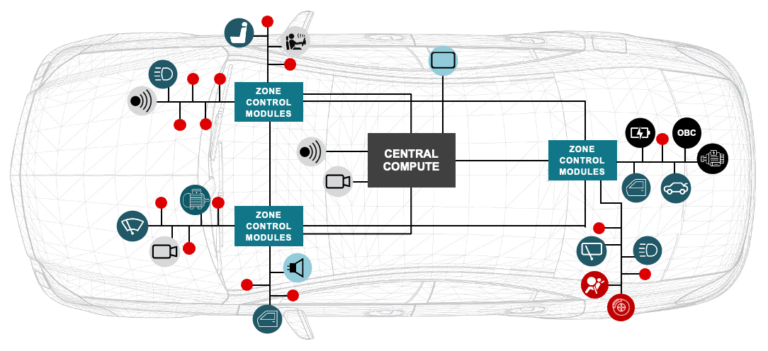
684-2 is listed in the Bridge Rectifier range at ChipApex. The manufacturer field lists Microchip Technology. Its product description is BRIDGE RECT 1PHASE 200V…
Read More
Choose an AC to DC converter by input range, output demand, isolation, efficiency and thermal derating. Compare architectures and check installation needs.
Read More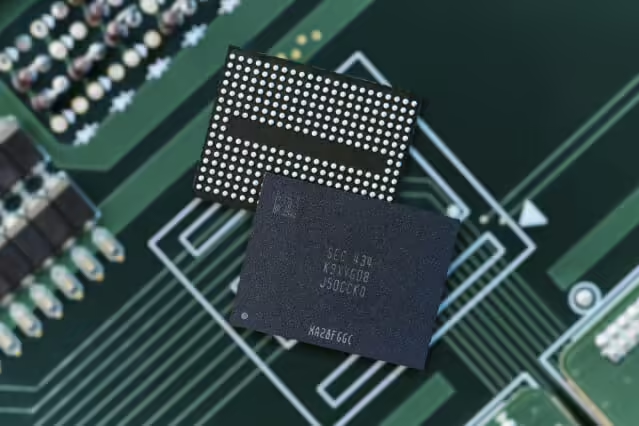
684-2 is listed in the Bridge Rectifier range at ChipApex. The manufacturer field lists Microchip Technology. Its product description is BRIDGE RECT 1PHASE 200V…
Read More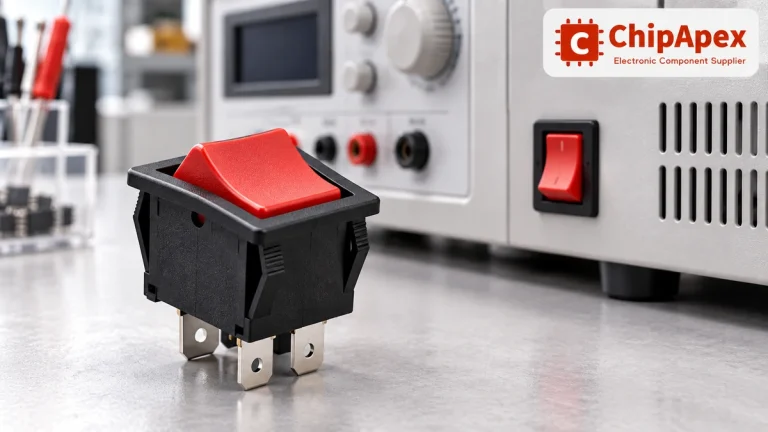
Choose a rocker switch by AC/DC ratings, contact arrangement, illumination, panel fit and sealing. Get practical checks for engineering and component sourcing.
Read More
Learn why PTC resistance rises with temperature, how it differs from NTC, and which ratings matter for sensing and protection.
Read More
Learn what an IMU measures, how accelerometers and gyroscopes work together, why orientation estimates drift, and what to compare.
Read More
684-2 is listed in the Bridge Rectifier range at ChipApex. The manufacturer field lists Microchip Technology. Its product description is BRIDGE RECT 1PHASE 200V…
Read More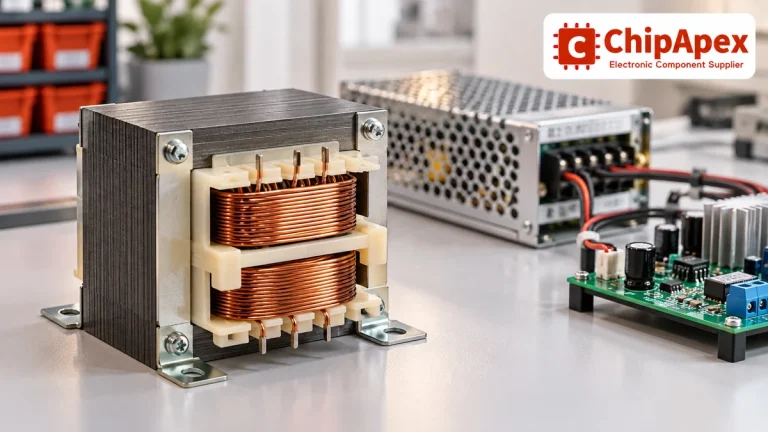
Select power transformers by input frequency, secondary VA, rectifier load, isolation, regulation and inrush. Build a clearer specification for your next RFQ.
Read More
684-2 is listed in the Bridge Rectifier range at ChipApex. The manufacturer field lists Microchip Technology. Its product description is BRIDGE RECT 1PHASE 200V…
Read More
Find out when a bare shock switch needs a pull resistor, when an MCU internal pull-up is enough, and why sensor modules and piezo…
Read More
The activity of extra discounts on wholesale prices is in full swing…
Please fill in your contact information and we will send you the latest wholesale price list.





