 ChipApex | Global Electronic Components Supplier

SEARCH
Search Product
Search Post
— IC芯片 | 连接器 | 传感器 | 被动器件 —
Search productSearch post
— IC芯片 | 连接器 | 传感器 | 被动器件 —
Consult the customer manager about the wholesale price.
consultation hotline:86-132-6715-2157
email:[email protected]
Contact the product manager for consultation. One-stop consultation is available.
Do you want a lower wholesale price? Please send us your inquiry and we will reply immediately.
The SICK model 7124919 is a component of the ReLyMULT1 safety relay series, designed for industrial machine safety applications. It functions as a safety relay to monitor protective devices and control hazardous processes. The device supports restart interlock functionality and external device monitoring (EDM) to ensure system integrity. It features diagnostic information outputs and cross-circuit recognition capabilities. The unit includes display elements for status indication and is compatible with various sensor types. It is engineered for reliable integration into safety circuits requiring high availability and fault detection.
Verify the specific ordering code against official SICK documentation to confirm compatibility with your safety circuit requirements. Ensure the device version matches the intended application standards. Cross-reference the product identifier with current manufacturer catalogs to validate technical specifications before procurement. Confirm that the supply voltage and interface types align with your existing infrastructure.
Select this component based on its compatibility with the ReLyMULT1 series architecture. Evaluate the need for restart interlock and EDM features relative to your machine's safety category. Consider the diagnostic output requirements for your maintenance strategy. Ensure the device meets the performance level requirements specified by relevant safety standards such as ISO 13849 or IEC 61508 for your specific application.
This part belongs to the ReLyMULT1 safety relay family manufactured by SICK AG. The series is designed for modular safety solutions in industrial automation. These relays are used to evaluate inputs from safety sensors and control outputs to safety-related parts of the control system. The family emphasizes flexibility and diagnostic capabilities for modern safety applications.
Consult official SICK substitution lists for verified replacements. Ensure any substitute maintains identical safety ratings and interface compatibility. Verify that alternative models support the same diagnostic and monitoring functions required by your application.
 7124919
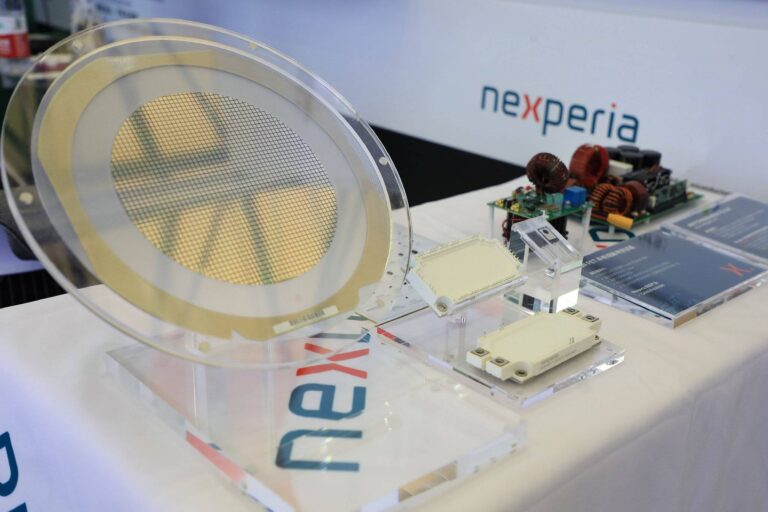
Dutch authorities announced on November 7 the lifting of control measures on Nexperia (formerly NXP Semiconductors’ Standard Products division), marking the end of a…
Read More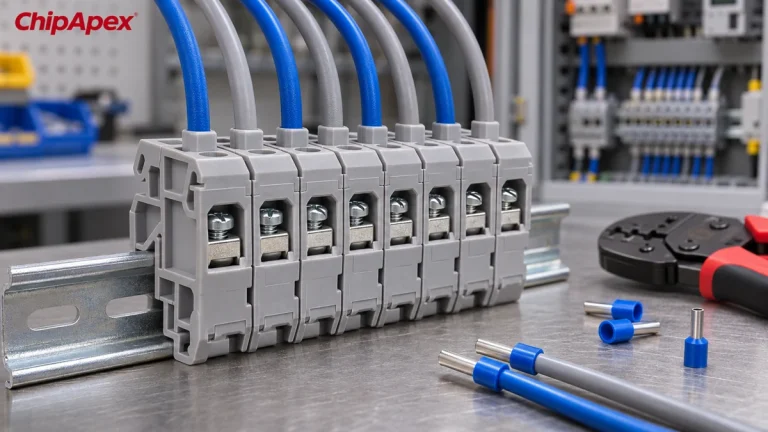
Compare screw and spring terminal blocks. Check conductor range, ferrules, strip length, torque, pitch and DIN rail accessories before completing the BOM.
Read More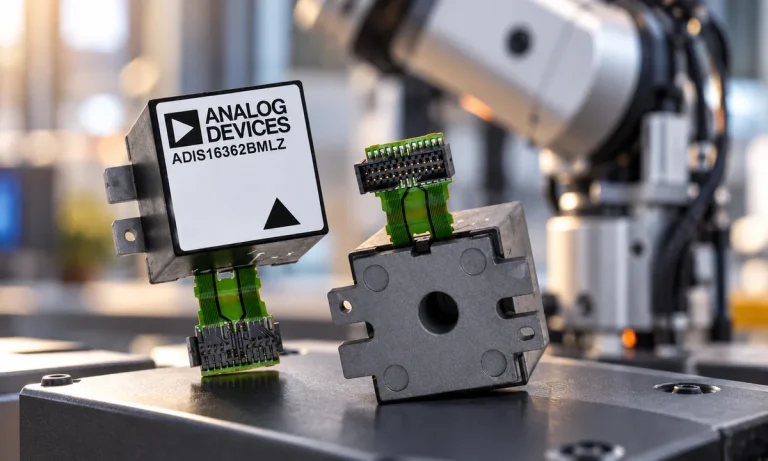
Learn what an IMU measures, how accelerometers and gyroscopes work together, why orientation estimates drift, and what to compare.
Read More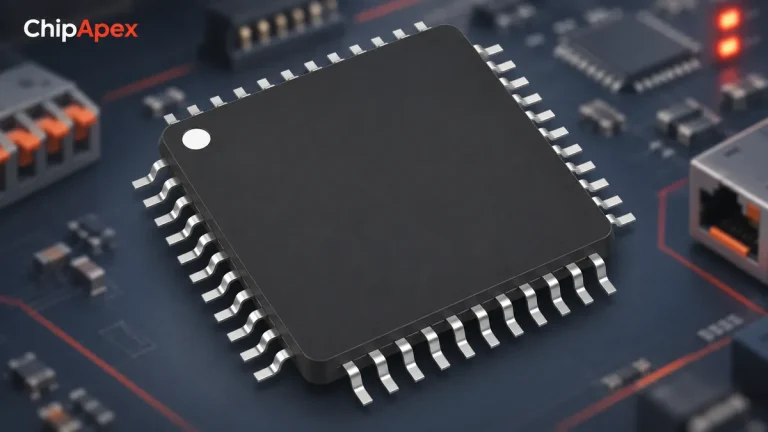
Learn how CPLDs implement hardware logic, compare them with FPGAs and MCUs, and check timing, I/O voltage, startup behavior and programming requirements.
Read More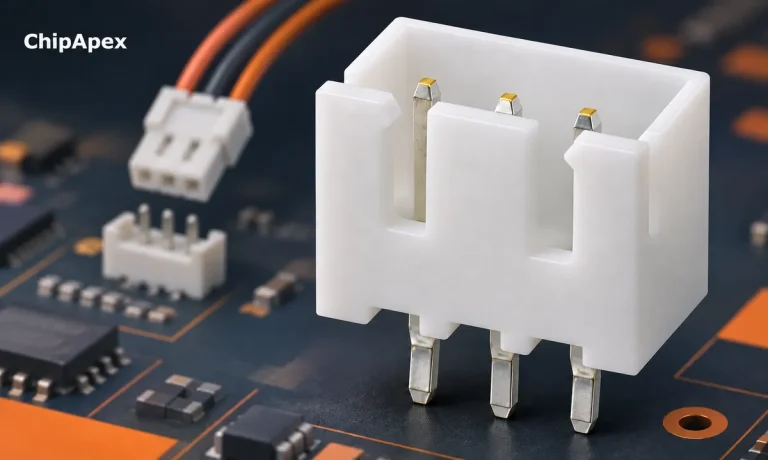
Choose a pin header by pitch, mating geometry, current rating and mounting. Learn why matching pin count and spacing does not guarantee compatibility.
Read More
The multilayer ceramic capacitor (MLCC) market has fallen into a severe structural supply crunch in the third quarter of 2026, driven by explosive demand…
Read More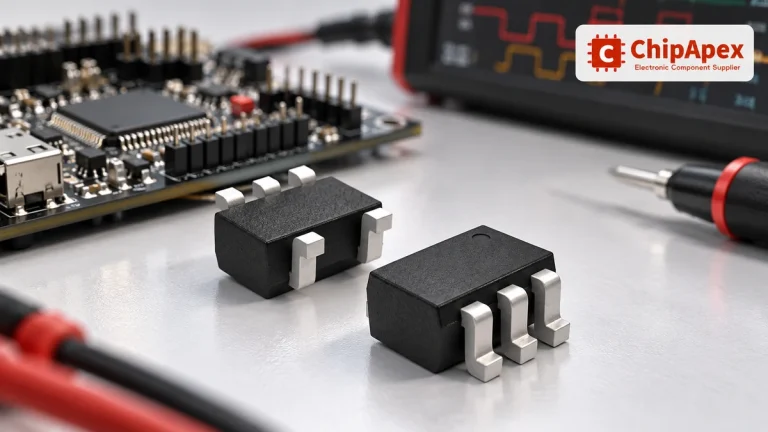
Choose logic inverter ICs by thresholds, supply, output drive and delay. Compare standard and Schmitt-trigger inputs, power sequencing and replacement checks.
Read More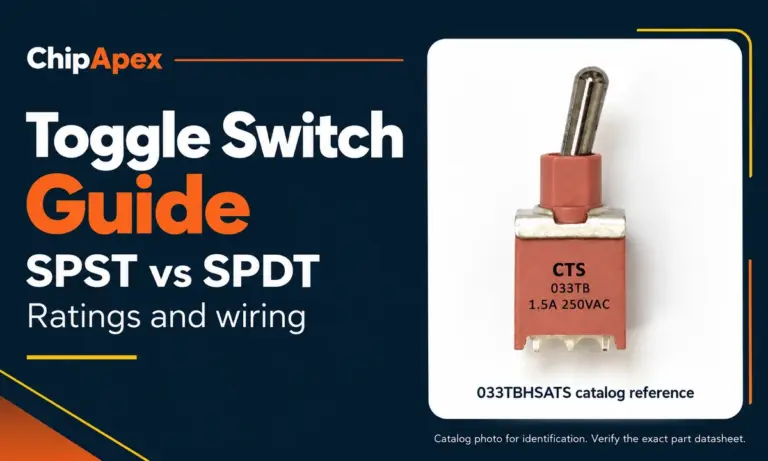
Compare SPST and SPDT toggle switches, understand AC/DC ratings, and follow wiring examples. Check contact action, mounting and parts in the ChipApex catalog.
Read More
As 2025 draws to a close, the global semiconductor industry stands at a crossroads. Intertwined with escalating geopolitical tensions, supply chain disruptions, and groundbreaking…
Read More
Recently, global semiconductor manufacturers have been constantly making moves in aspects such as technological cooperation, product manufacturing processes, and market layout, demonstrating the rapid…
Read More
WILMINGTON, Mass. – August 11, 2026 — Analog Devices, Inc. (NASDAQ: ADI), the global leading supplier of high-performance analog, mixed-signal and digital signal processing…
Read More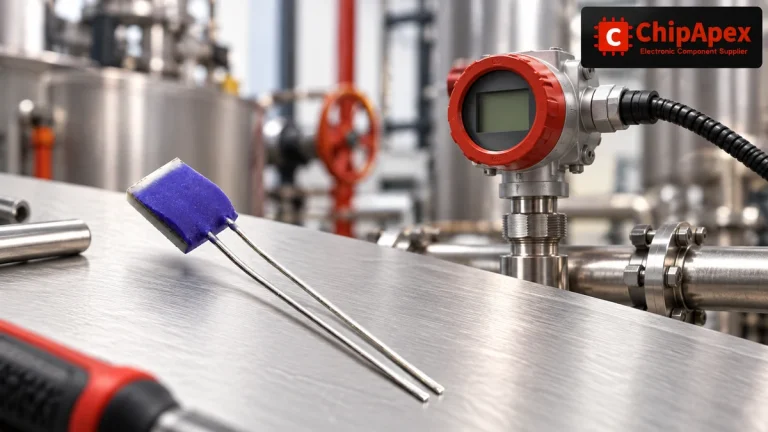
Compare Pt100 and Pt1000 RTDs, two-, three- and four-wire connections, excitation and self-heating. Build an error budget from element to reported temperature.
Read More
The activity of extra discounts on wholesale prices is in full swing…
Please fill in your contact information and we will send you the latest wholesale price list.




