 ChipApex | Global Electronic Components Supplier

SEARCH
Search Product
Search Post
— IC芯片 | 连接器 | 传感器 | 被动器件 —
Search productSearch post
— IC芯片 | 连接器 | 传感器 | 被动器件 —
Consult the customer manager about the wholesale price.
consultation hotline:86-132-6715-2157
email:[email protected]
Contact the product manager for consultation. One-stop consultation is available.
Do you want a lower wholesale price? Please send us your inquiry and we will reply immediately.
The Hoffman Enclosures 89108369SP is a rack-mounted thermal management unit designed for industrial electrical enclosures. It operates on a 230V power supply and delivers a cooling capacity of 500W. This compressor-based system provides active heat dissipation to maintain internal component temperatures within safe operating limits in enclosed environments.
Verify the specific voltage requirement of 230V against the site power infrastructure before procurement. Confirm that the 500W cooling capacity meets the thermal load calculations for the intended enclosure size and ambient conditions. Ensure physical dimensions align with the designated rack space. Cross-reference the manufacturer part number with official nVent HOFFMAN documentation to confirm current production status and specifications.
Select this unit when passive ventilation is insufficient for the enclosure's heat dissipation needs. The 230V specification requires compatible power availability at the installation site. Consider the 500W output relative to the total internal heat generation from electronics and external environmental factors. Evaluate the need for rack mounting compatibility versus other form factors.
This component belongs to the Hoffman Enclosures thermal management product line, now under nVent. These units are engineered specifically for protecting electrical and electronic hardware housed within metal enclosures. The product series focuses on maintaining operational reliability by preventing overheating in controlled industrial environments.
Consult official nVent HOFFMAN catalogs for direct replacement models or updated series equivalents. Verify compatibility with existing mounting structures and electrical connections when considering alternative units.
 89108369SP
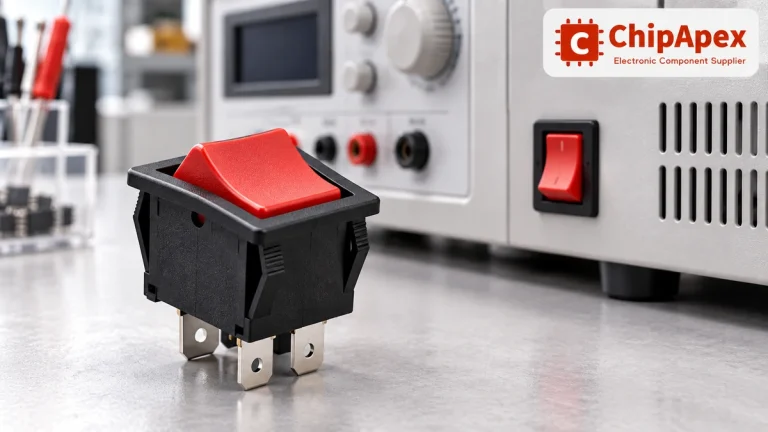
Choose a rocker switch by AC/DC ratings, contact arrangement, illumination, panel fit and sealing. Get practical checks for engineering and component sourcing.
Read More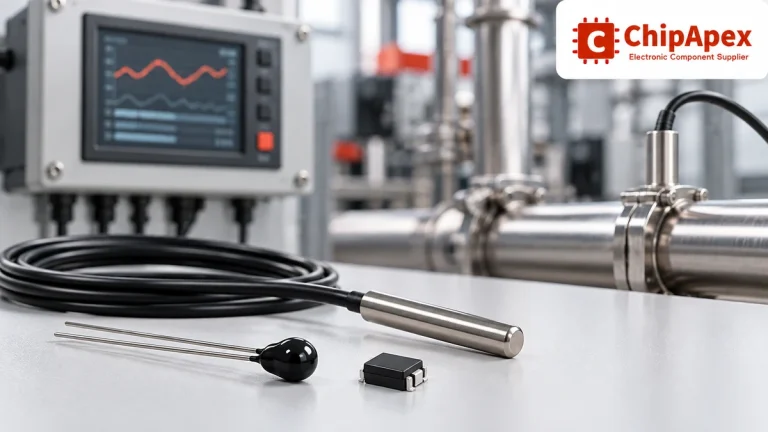
Compare thermistors, RTDs, thermocouples and temperature ICs. Learn how range, accuracy, response, interfaces and mounting affect component selection.
Read More
Understand how oscillators generate timing signals, how they differ from crystals, and which frequency, output and stability specs matter when choosing one.
Read More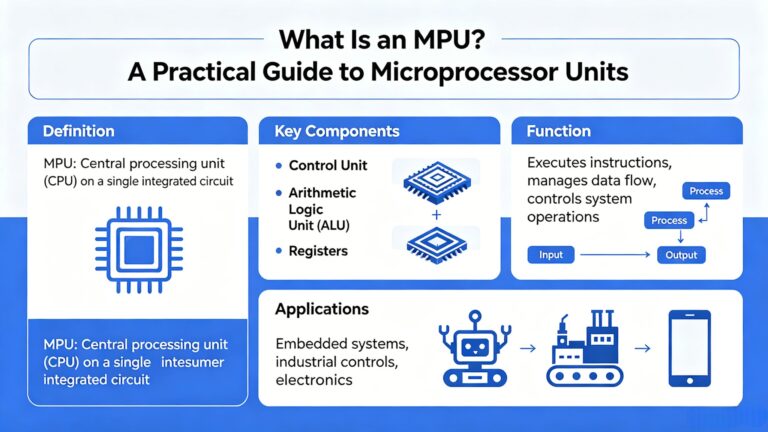
In embedded design, the tug-of-war between cost and performance is constant. On one side, you have Microcontrollers (MCUs)—cheap, simple, and efficient. On the other,…
Read More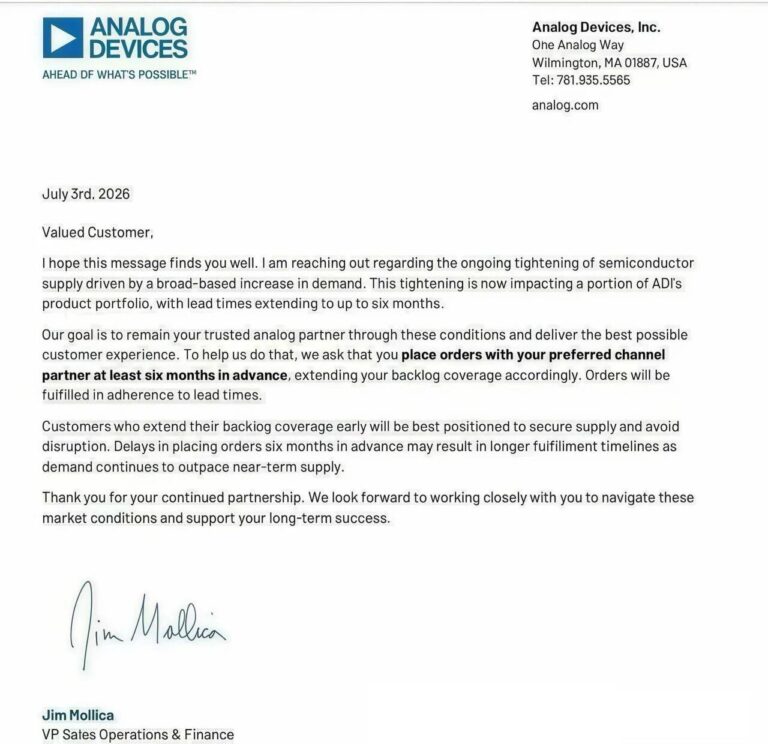
WILMINGTON, Mass. – July 3, 2026 – Analog Devices, Inc. (ADI), the global leading supplier of high-performance analog, mixed-signal and signal processing semiconductors, has…
Read More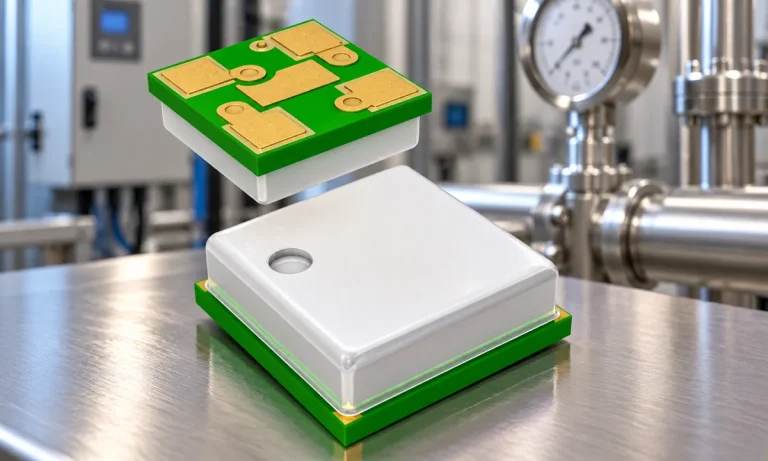
Learn how a pressure transducer converts pressure into voltage, current, or digital output, and compare pressure references and key selection specs.
Read More
As 2025 draws to a close, the global semiconductor industry stands at a crossroads. Intertwined with escalating geopolitical tensions, supply chain disruptions, and groundbreaking…
Read More
Recently, the global electronic components market has been constantly evolving, and different regions and enterprises have witnessed new moves in aspects such as technological…
Read More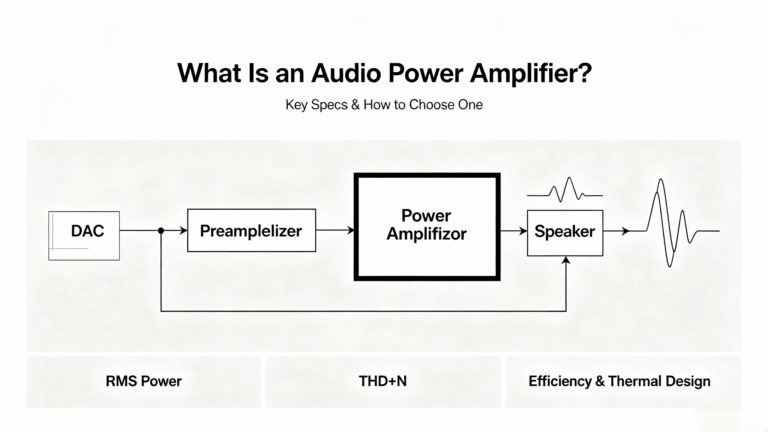
Every audio power amplifier design starts with the same fundamental challenge: converting a low-voltage line-level signal into the high-current drive required by a reactive…
Read More
Compare RC, crystal and MEMS oscillator circuits. Check ppm, jitter, load capacitance, startup margin and output compatibility before choosing a clock source.
Read More
In the world of electronics, memory components play a critical role in system performance—and DRAM (Dynamic Random-Access Memory) is one of the most widely…
Read More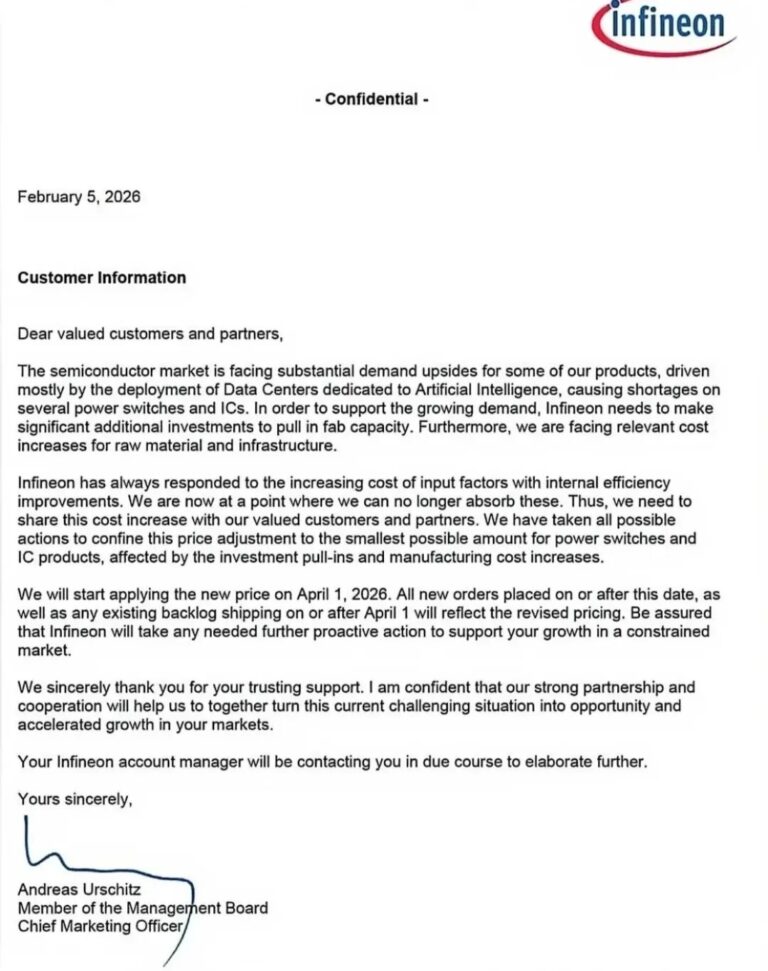
Munich, Germany – February 8, 2026 — Infineon Technologies, the German semiconductor giant, officially issued a price increase notice on February 5, announcing that…
Read More
The activity of extra discounts on wholesale prices is in full swing…
Please fill in your contact information and we will send you the latest wholesale price list.




