 ChipApex | Global Electronic Components Supplier

SEARCH
Search Product
Search Post
— IC芯片 | 连接器 | 传感器 | 被动器件 —
Search productSearch post
— IC芯片 | 连接器 | 传感器 | 被动器件 —
Consult the customer manager about the wholesale price.
consultation hotline:86-132-6715-2157
email:[email protected]
Contact the product manager for consultation. One-stop consultation is available.
Do you want a lower wholesale price? Please send us your inquiry and we will reply immediately.
The Blackburn 8H is a Type H high strength split bolt connector designed for solid or stranded copper conductors ranging from 10 to 8 AWG. Constructed from bronze alloy, it features a hex head split bolt and nut with a 3/8-inch thread size. The unit provides a 0.146-inch split width and measures 1/2 inch in length by 25/32 inch in height. Rated for 600V applications, it supports splicing, tapping, and terminating connections in power and grounding systems.
Verify that the required conductor size falls within the 10 to 8 AWG range for both solid and stranded copper wires. Confirm the application voltage does not exceed 600V. Ensure the installation environment is compatible with bronze alloy materials. Check for specific UL listing requirements such as E9809 if mandated by local codes. Match the hex nut size to available tools.
Select this component when joining copper conductors between 10 and 8 AWG in power or grounding circuits. It is suitable for environments requiring high mechanical strength and corrosion resistance. Consider the bronze alloy material for durability. Ensure the installation method accommodates the hex head split bolt design. Verify compatibility with solid and stranded wire types before procurement.
This part belongs to the Blackburn series of split bolt connectors, now under the ABB T&B brand portfolio. The Type H designation indicates a high-strength variant optimized for copper conductors. These connectors are standard components in electrical infrastructure for reliable mechanical and electrical joints without soldering.
Compatible manufacturer model number is 8H. ABB offers equivalent high strength split-bolt connectors for copper to copper connections. Verify dimensional compatibility and material specifications when substituting.
 8H
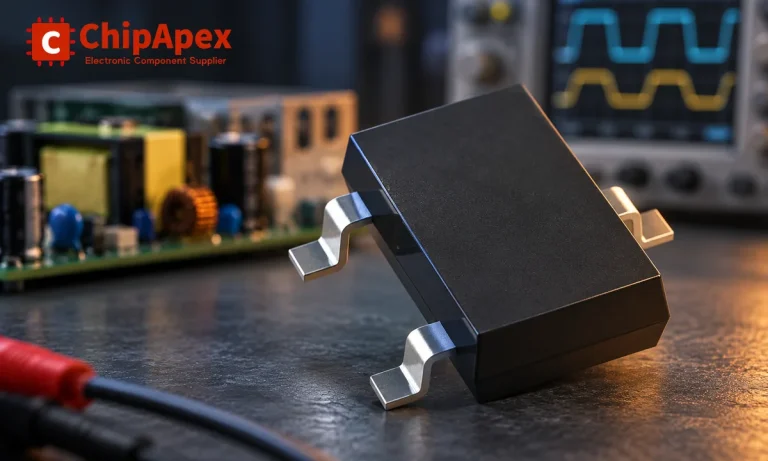
Learn how rectifiers convert AC to DC, compare half-wave and bridge circuits, and select voltage, current, recovery and thermal ratings for your design.
Read More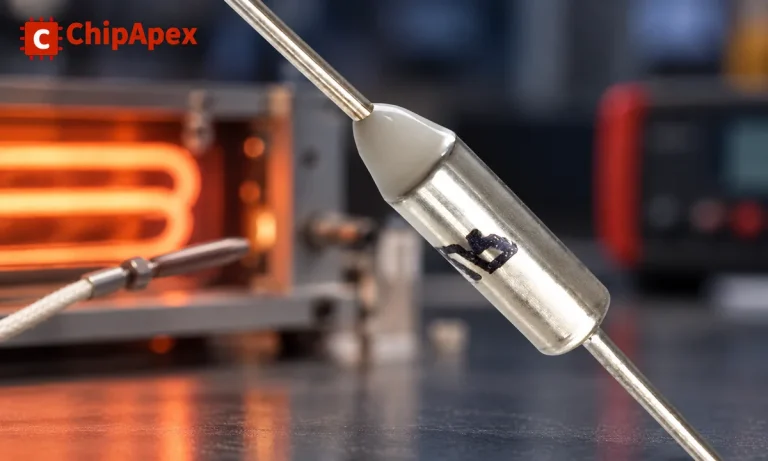
Understand thermal fuse operation, Tf, Th and Tm, electrical ratings and mounting. Check temperature limits and replacement requirements for your design.
Read More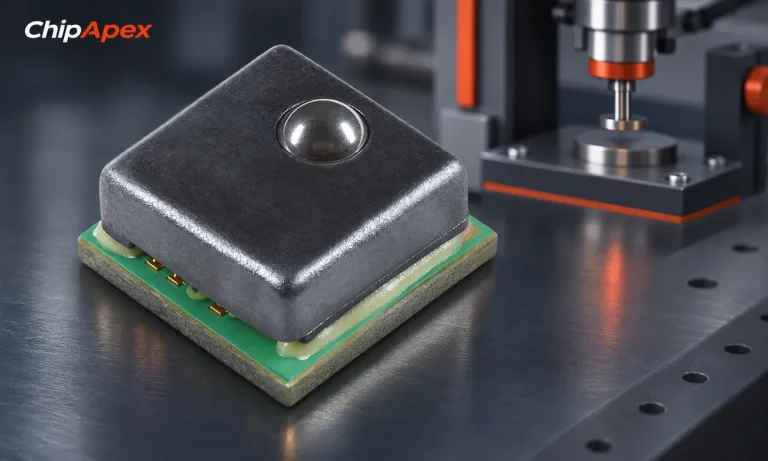
Understand load cell sensor output, bridge wiring and calibration. Learn how mV/V sensitivity, mechanics and ADC noise affect measurement accuracy.
Read More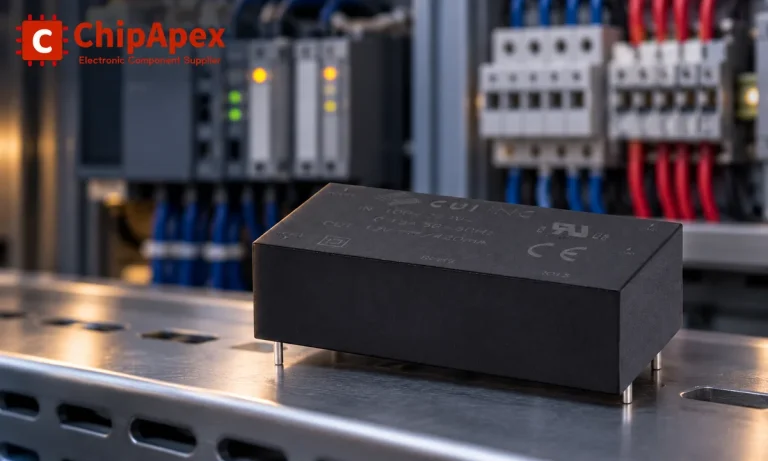
Choose an AC to DC converter by input range, output demand, isolation, efficiency and thermal derating. Compare architectures and check installation needs.
Read More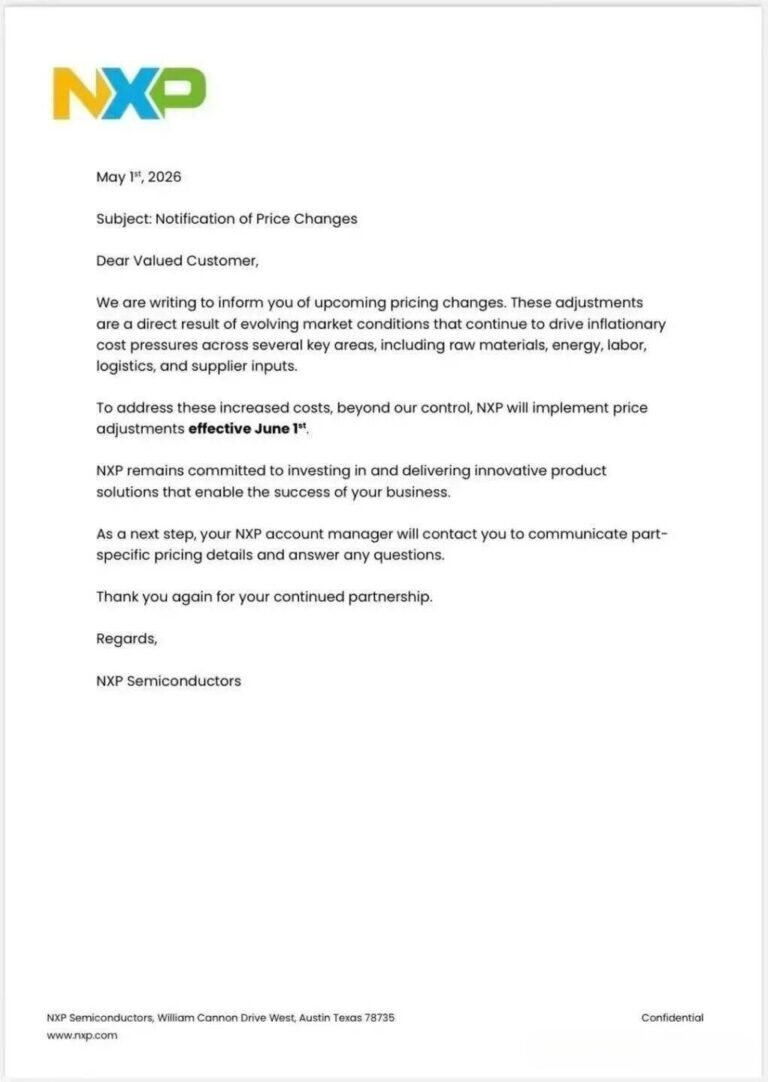
May 8, 2026 – Eindhoven, Netherlands NXP Semiconductors (NXPI), a global leader in automotive and industrial semiconductor solutions, has officially notified its worldwide channel…
Read More
See when an inductor behaves linearly, how DC bias and saturation reduce inductance, and which current and temperature curves to check.
Read More
In the embedded world, general-purpose CPUs are great at running operating systems, and MCUs excel at logic control. But when you need to process…
Read More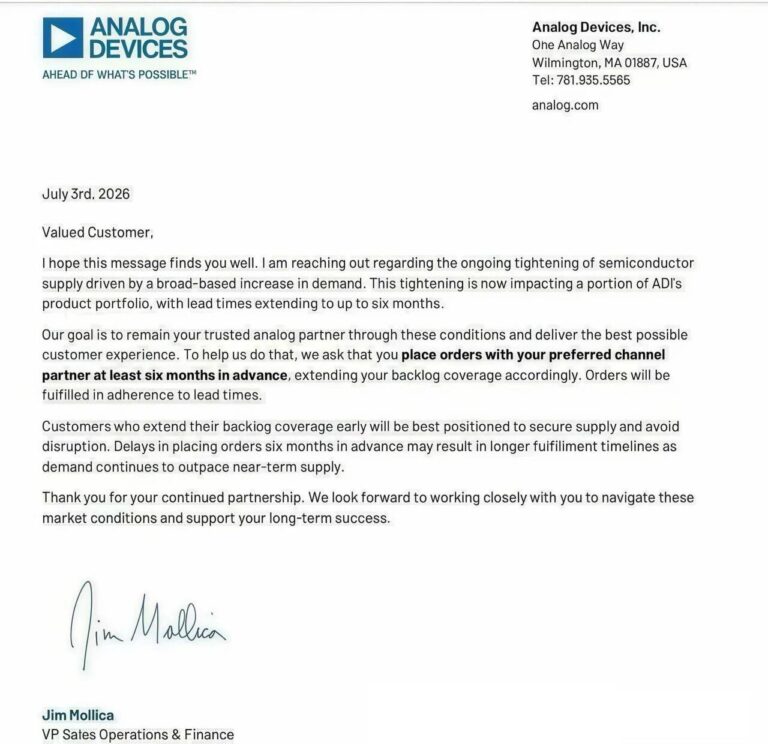
WILMINGTON, Mass. – July 3, 2026 – Analog Devices, Inc. (ADI), the global leading supplier of high-performance analog, mixed-signal and signal processing semiconductors, has…
Read More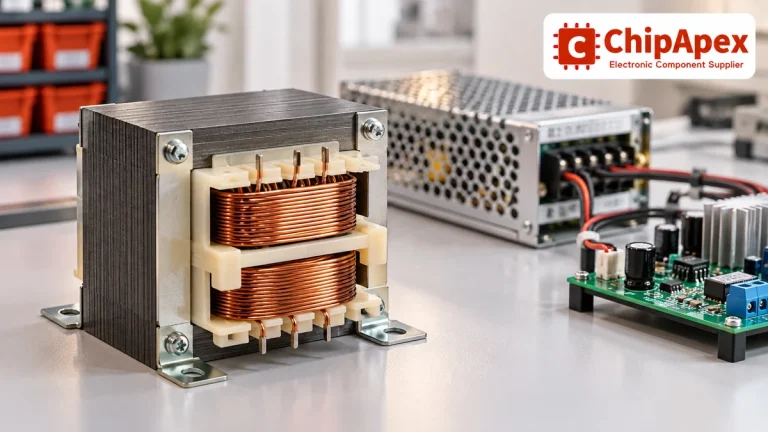
Select power transformers by input frequency, secondary VA, rectifier load, isolation, regulation and inrush. Build a clearer specification for your next RFQ.
Read More
In the world of electronics, memory components play a critical role in system performance—and DRAM (Dynamic Random-Access Memory) is one of the most widely…
Read More
On October 1, 2025 local time, OpenAI, an artificial intelligence research company, announced the establishment of a cooperative relationship with Samsung Electronics and SK…
Read More
Learn how a pressure transducer converts pressure into voltage, current, or digital output, and compare pressure references and key selection specs.
Read More
The activity of extra discounts on wholesale prices is in full swing…
Please fill in your contact information and we will send you the latest wholesale price list.




