 ChipApex | Global Electronic Components Supplier

SEARCH
Search Product
Search Post
— IC芯片 | 连接器 | 传感器 | 被动器件 —
Search productSearch post
— IC芯片 | 连接器 | 传感器 | 被动器件 —
Consult the customer manager about the wholesale price.
consultation hotline:86-132-6715-2157
email:[email protected]
Contact the product manager for consultation. One-stop consultation is available.
Do you want a lower wholesale price? Please send us your inquiry and we will reply immediately.
AP1084K33L-U is listed in the Voltage Regulators - Linear, Low Drop Out (LDO) Regulators range at ChipApex. The manufacturer field lists Diodes Incorporated. Its product description is IC REG LINEAR 3.3V 5A TO263. Review the specifications below when checking this part for your BOM.
The AP1084K33L-U is a fixed-mode low dropout positive regulator manufactured by Diodes Incorporated. It provides a fixed 3.3V output with a maximum current capability of 5.0A. The device operates within an input voltage range of 4.7V to 12V and maintains regulation with a maximum dropout voltage of 1.4V at full load. It features built-in thermal shutdown and output current limiting, ensuring protection under overload conditions. The component is housed in a TO-263-3L (D2PAK) surface-mount package.
Verify the specific suffix 'U' indicates tube packaging when sourcing this part number. Confirm that the component meets RoHS compliance standards as specified in the manufacturer documentation. Ensure compatibility with the TO-263-3L footprint during PCB layout planning. Check for any end-of-life notices or recommended alternative parts from the manufacturer before finalizing procurement plans.
Select this component when a stable 3.3V rail is required with high current delivery up to 5A. Consider the thermal resistance characteristics of the TO-263-3L package for heat dissipation requirements. Ensure the input voltage remains sufficiently above the output voltage to maintain the necessary dropout margin. Evaluate the need for external capacitors to ensure stability and optimal transient performance.
This device belongs to the AP1084 series of low dropout regulators designed for general-purpose power management. The series offers both adjustable and fixed voltage options in various packages including TO-252-3L, TO-263-3L, and TO-220-3L. The AP1084K33L-U specifically targets applications requiring a fixed 3.3V output in a surface-mount form factor.
The datasheet explicitly states that the AP1084 is not recommended for new designs and suggests using the AZ1084C as a replacement.
Explore related parts through Power Management (PMIC), Integrated Circuits (ICs), all product categories, ChipApex homepage.
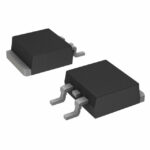 AP1084K33L-U
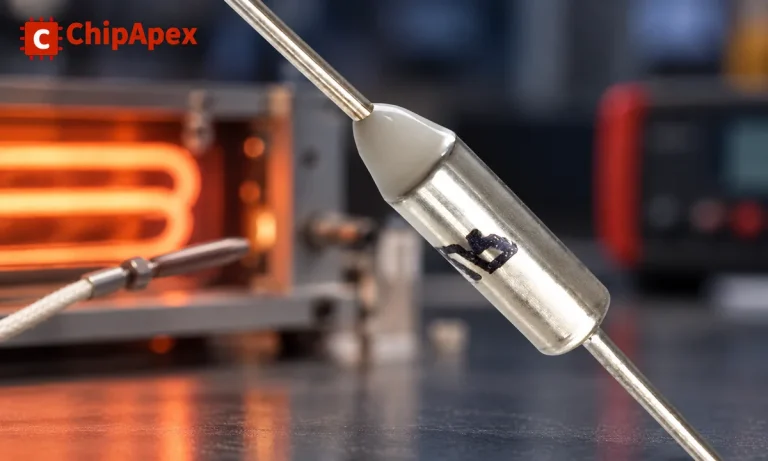
Understand thermal fuse operation, Tf, Th and Tm, electrical ratings and mounting. Check temperature limits and replacement requirements for your design.
Read More
AP1084K33L-U is listed in the Voltage Regulators - Linear, Low Drop Out (LDO) Regulators range at ChipApex. The manufacturer field lists Diodes Incorporated. Its…
Read More
AP1084K33L-U is listed in the Voltage Regulators - Linear, Low Drop Out (LDO) Regulators range at ChipApex. The manufacturer field lists Diodes Incorporated. Its…
Read More
AP1084K33L-U is listed in the Voltage Regulators - Linear, Low Drop Out (LDO) Regulators range at ChipApex. The manufacturer field lists Diodes Incorporated. Its…
Read More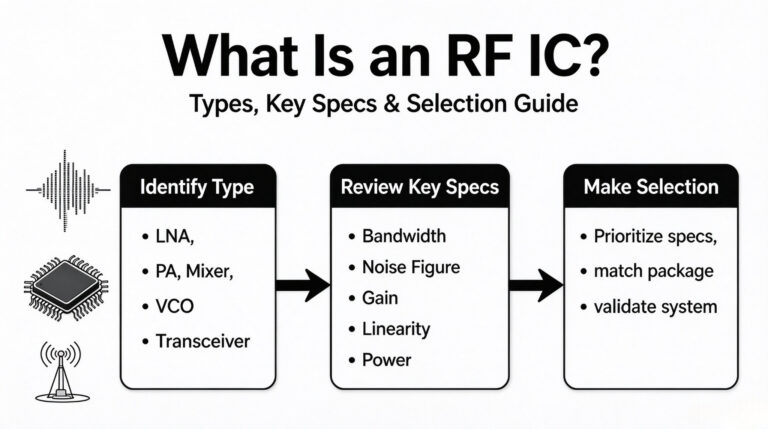
AP1084K33L-U is listed in the Voltage Regulators - Linear, Low Drop Out (LDO) Regulators range at ChipApex. The manufacturer field lists Diodes Incorporated. Its…
Read More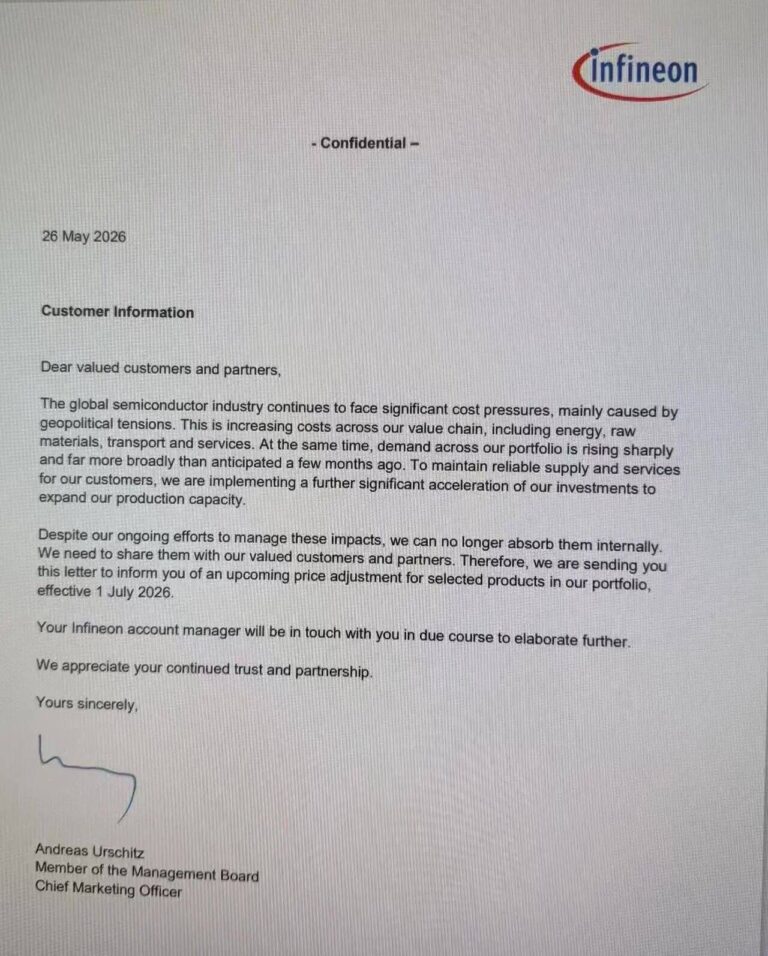
AP1084K33L-U is listed in the Voltage Regulators - Linear, Low Drop Out (LDO) Regulators range at ChipApex. The manufacturer field lists Diodes Incorporated. Its…
Read More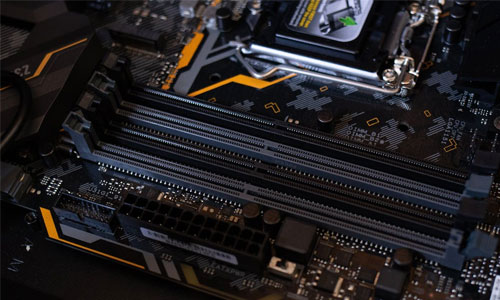
AP1084K33L-U is listed in the Voltage Regulators - Linear, Low Drop Out (LDO) Regulators range at ChipApex. The manufacturer field lists Diodes Incorporated. Its…
Read More
Understand RF attenuator dB values, fixed and programmable types, impedance, power limits and noise tradeoffs before choosing parts for an RF signal path.
Read More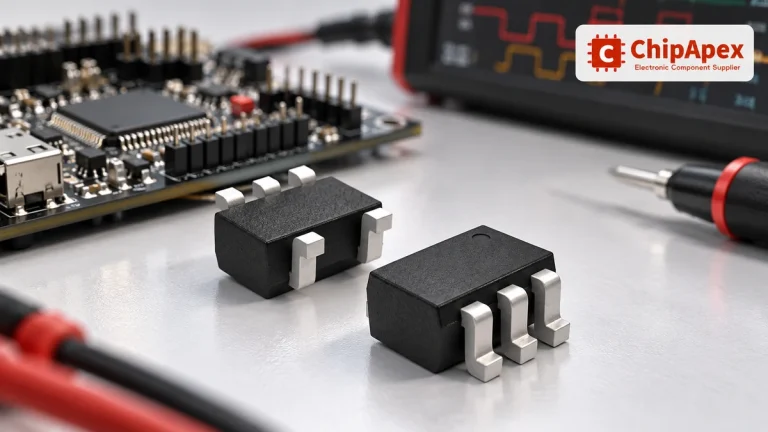
Choose logic inverter ICs by thresholds, supply, output drive and delay. Compare standard and Schmitt-trigger inputs, power sequencing and replacement checks.
Read More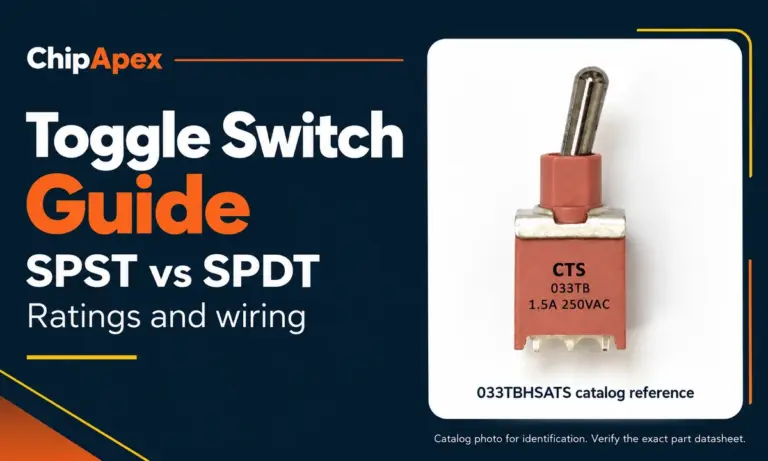
Compare SPST and SPDT toggle switches, understand AC/DC ratings, and follow wiring examples. Check contact action, mounting and parts in the ChipApex catalog.
Read More
Find out when a bare shock switch needs a pull resistor, when an MCU internal pull-up is enough, and why sensor modules and piezo…
Read More
See when an inductor behaves linearly, how DC bias and saturation reduce inductance, and which current and temperature curves to check.
Read More
The activity of extra discounts on wholesale prices is in full swing…
Please fill in your contact information and we will send you the latest wholesale price list.




