ChipApex | Global Electronic Components Supplier

SEARCH
Search Product
Search Post
— IC芯片 | 连接器 | 传感器 | 被动器件 —
Search productSearch post
— IC芯片 | 连接器 | 传感器 | 被动器件 —
Consult the customer manager about the wholesale price.
consultation hotline:86-132-6715-2157
email:[email protected]
Contact the product manager for consultation. One-stop consultation is available.
Do you want a lower wholesale price? Please send us your inquiry and we will reply immediately.
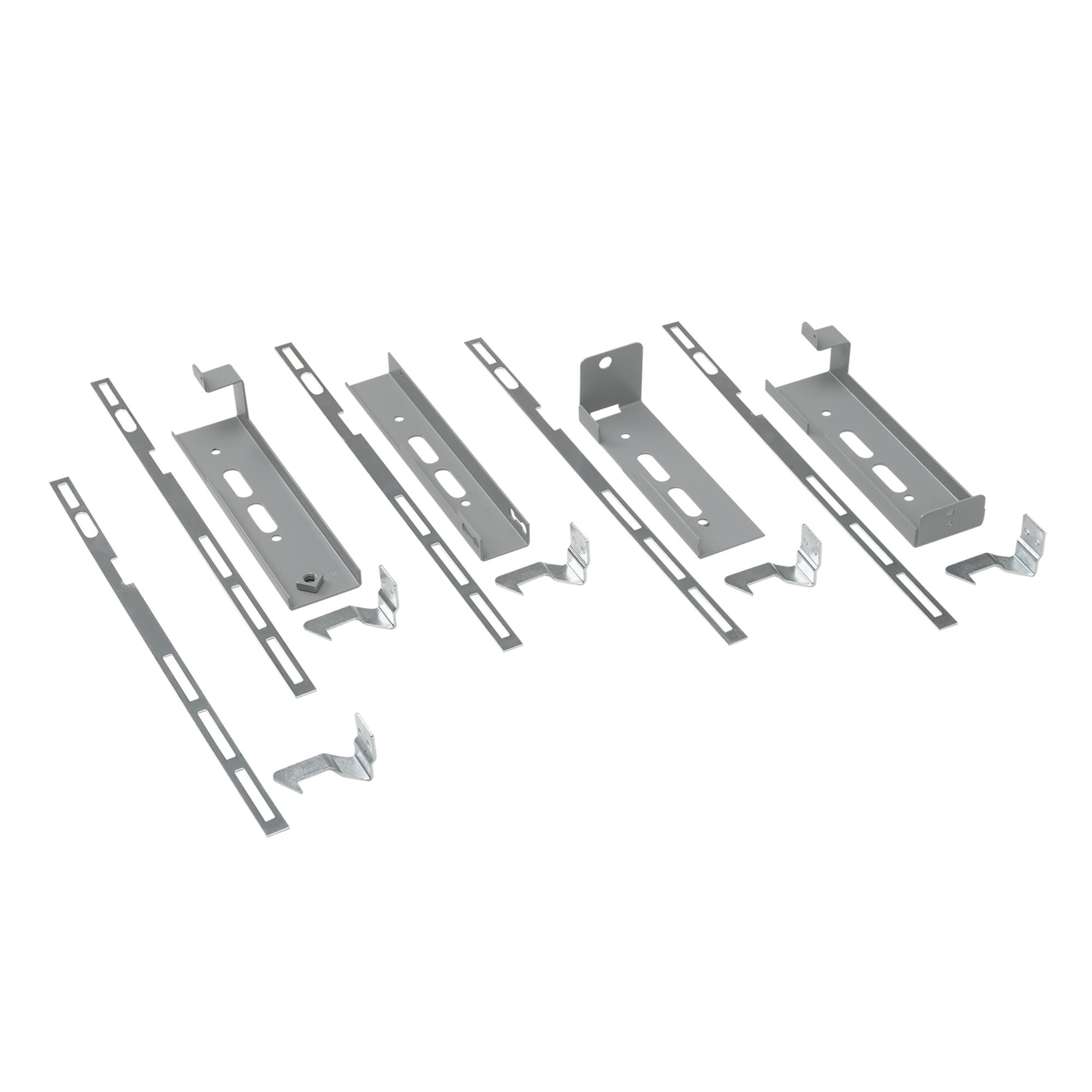
The Hoffman APCABVA is a cable entry plate designed for use with Hoffman enclosure systems. It serves as an interface component to facilitate the routing of cables into and out of industrial enclosures. The unit is constructed from materials suitable for industrial environments, providing a secure mounting point for cable glands or connectors. This component helps maintain the structural integrity of the enclosure while allowing for organized cable management.
Verify that the Hoffman APCABVA matches the specific dimensions and cutout requirements of the target enclosure model. Confirm material compatibility with the operating environment. Ensure the selected cable glands or connectors are rated for the intended voltage and current loads. Cross-reference the part number with official Hoffman documentation to confirm availability and specifications.
Select this component based on the physical constraints of the enclosure and the number of cable entries required. Consider the ingress protection rating needed for the application. Evaluate the mechanical strength requirements for the mounting area. Ensure the component aligns with the overall enclosure design strategy for cable organization and safety compliance.
This part belongs to the category of enclosure accessories, specifically cable entry plates. These components are essential for completing the assembly of industrial enclosures by providing dedicated points for cable passage. They complement the main enclosure body and door assemblies, ensuring a complete and functional housing solution for electronic and electrical equipment.
Consult official Hoffman catalogs for direct replacement part numbers if the APCABVA is discontinued. Verify dimensional equivalence and mounting hole patterns before substituting with generic alternatives. Ensure any substitute maintains the required mechanical and environmental performance standards.
 APCABVA
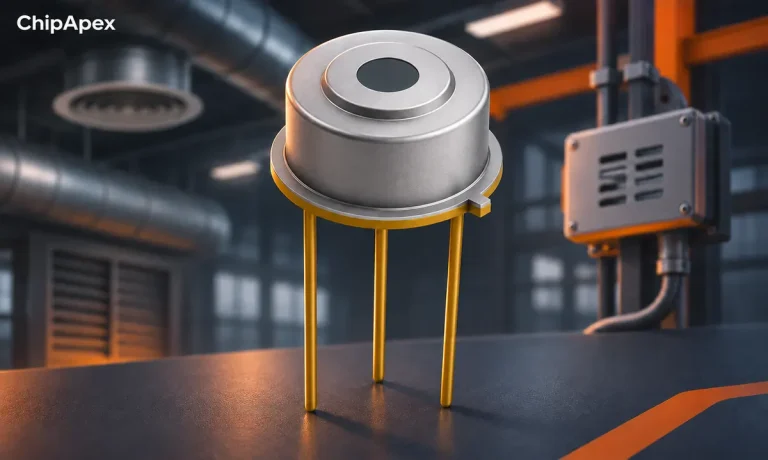
Compare gas sensor technologies, cross-sensitivity and calibration needs. Define the gas, range and environment before choosing a sensing component.
Read More
Recently, a survey by the Electronic Components Industry Association (ECIA) revealed that the sales sentiment of global electronic components remained optimistic in the third…
Read More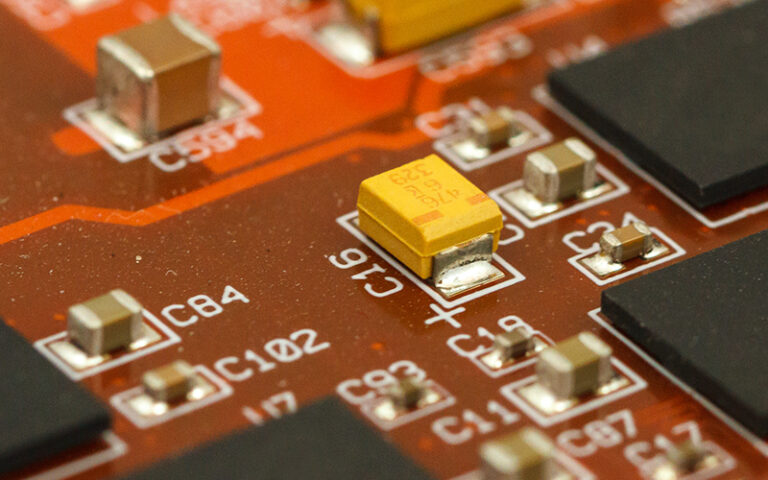
The global electronics industry is facing an escalating shortage of tantalum capacitors, a critical passive component, as surging demand from AI servers, automotive electronics,…
Read More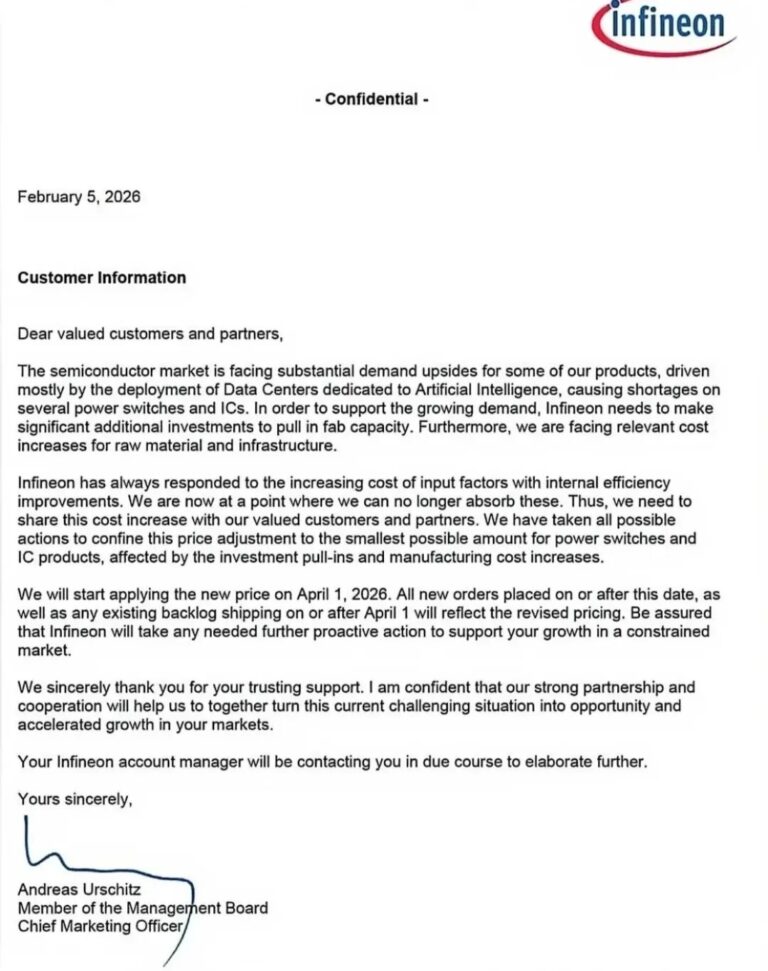
Munich, Germany – February 8, 2026 — Infineon Technologies, the German semiconductor giant, officially issued a price increase notice on February 5, announcing that…
Read More
See when an inductor behaves linearly, how DC bias and saturation reduce inductance, and which current and temperature curves to check.
Read More
Compare RC, crystal and MEMS oscillator circuits. Check ppm, jitter, load capacitance, startup margin and output compatibility before choosing a clock source.
Read More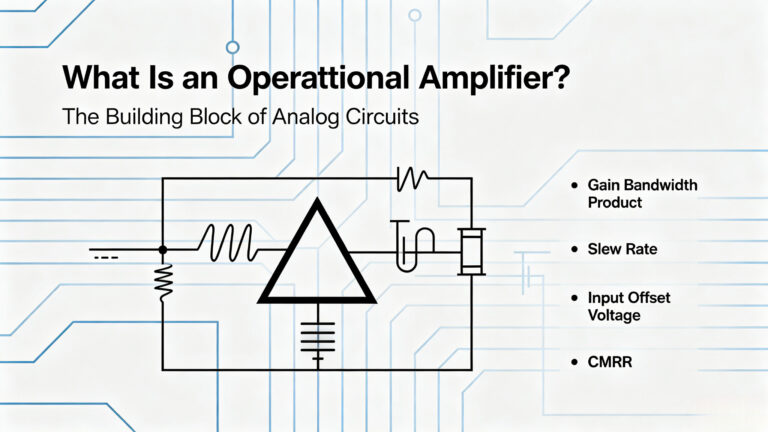
If you’ve spent any time staring at a schematic, you’ve seen the triangle. Two inputs, one output, and a gain symbol that looks deceptively…
Read More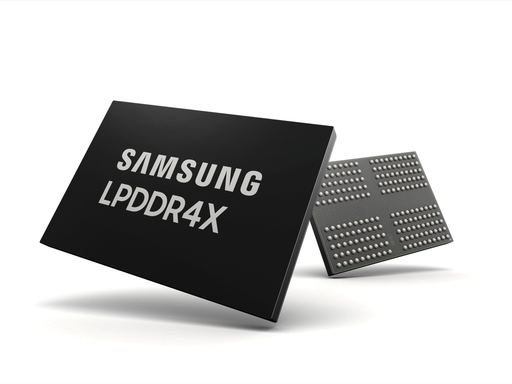
Samsung Electronics, the world’s largest memory chip manufacturer, has officially confirmed the end-of-life (EOL) for its LPDDR4 and LPDDR4X low-power DRAM products, marking a…
Read More
Understand how oscillators generate timing signals, how they differ from crystals, and which frequency, output and stability specs matter when choosing one.
Read More
Hsinchu, Taiwan – April 18, 2026 – United Microelectronics Corporation (UMC, NYSE: UMC), a leading global semiconductor foundry specializing in mature process technologies, has…
Read More
Learn how a JFET works and how to compare bias, leakage, noise and pinout. Review practical selection questions for high-impedance analog circuits.
Read More
Compare thermistors, RTDs, thermocouples and temperature ICs. Learn how range, accuracy, response, interfaces and mounting affect component selection.
Read More
The activity of extra discounts on wholesale prices is in full swing…
Please fill in your contact information and we will send you the latest wholesale price list.