ChipApex | Global Electronic Components Supplier

SEARCH
Search Product
Search Post
— IC芯片 | 连接器 | 传感器 | 被动器件 —
Search productSearch post
— IC芯片 | 连接器 | 传感器 | 被动器件 —
Consult the customer manager about the wholesale price.
consultation hotline:86-132-6715-2157
email:[email protected]
Contact the product manager for consultation. One-stop consultation is available.
Do you want a lower wholesale price? Please send us your inquiry and we will reply immediately.
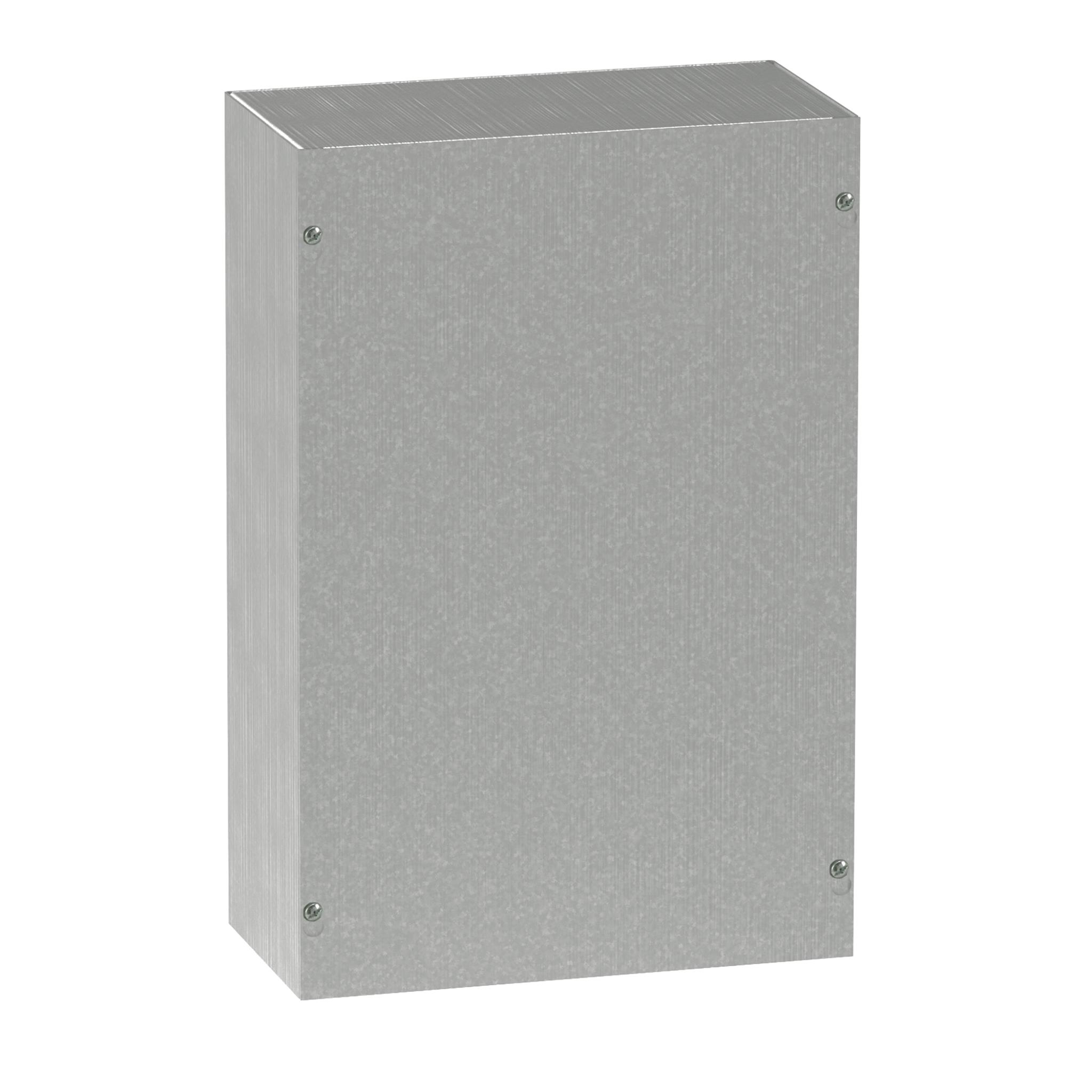
The ASG18X18X12NK is a galvanized steel pull box manufactured by Hoffman Enclosures, Inc. It features a screw-cover design and measures 18 inches in height, 18 inches in width, and 12 inches in depth. The enclosure is finished in ANSI 61 gray and lacks pre-punched knockouts. It carries UL 50/50E, CUL, and CSA C22.2 approvals and meets NEMA Type 1 standards for indoor use.
Verify the specific model suffix to confirm knockout configuration, as variants exist with or without pre-punched openings. Confirm that the galvanized finish meets environmental requirements for the intended installation location. Ensure compatibility with associated mounting kits such as AGS408 or AGS416 if wall mounting is required. Check current availability status as standard lead times may vary.
Select this model when a robust, indoor-rated enclosure is needed for wire pulling or junction purposes. The galvanized material offers corrosion resistance suitable for general industrial settings. The absence of knockouts allows for flexible conduit entry planning. Ensure the internal volume accommodates the required wire fill calculations according to applicable electrical codes.
This component belongs to the Hoffman Screw-Cover Type 1 series, designed for commercial and general industrial applications. It serves as a fundamental building block for electrical infrastructure where protection from falling dirt and limited moisture ingress is sufficient. The series includes various sizes and configurations to suit different spatial and capacity requirements.
Direct substitutes include other Type 1 galvanized steel pull boxes with identical external dimensions (18x18x12) and screw-cover mechanisms. Verify that any replacement maintains the same UL and CSA listing status. Ensure the new unit also lacks knockouts if the original specification requires custom drilling.
 ASG18X18X12NK
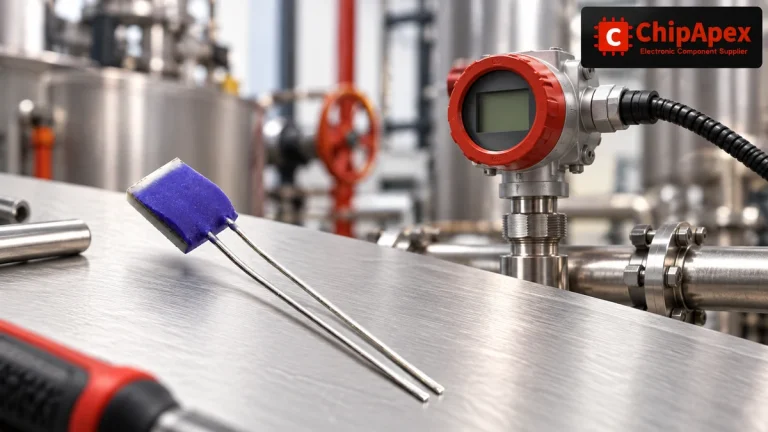
Compare Pt100 and Pt1000 RTDs, two-, three- and four-wire connections, excitation and self-heating. Build an error budget from element to reported temperature.
Read More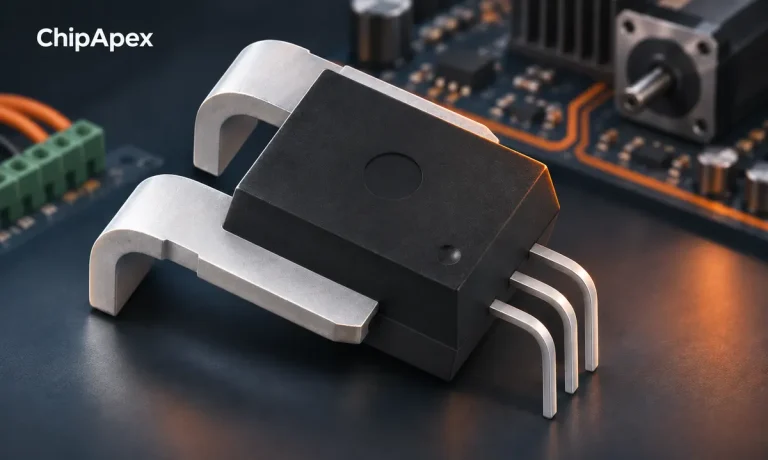
Compare Hall, shunt, current transformer and Rogowski sensing. Check AC/DC capability, accuracy, isolation, heat and response before selecting a sensor.
Read More
Understand voltage controlled oscillator tuning, phase noise and PLL operation. Check supply noise, output loading and requirements before selection.
Read More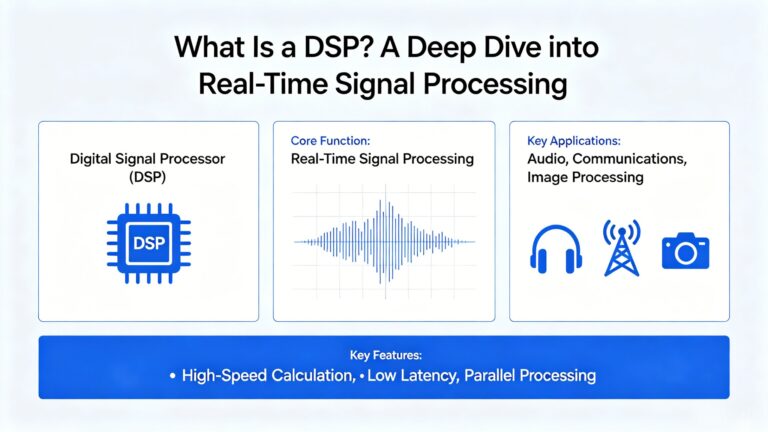
In the embedded world, general-purpose CPUs are great at running operating systems, and MCUs excel at logic control. But when you need to process…
Read More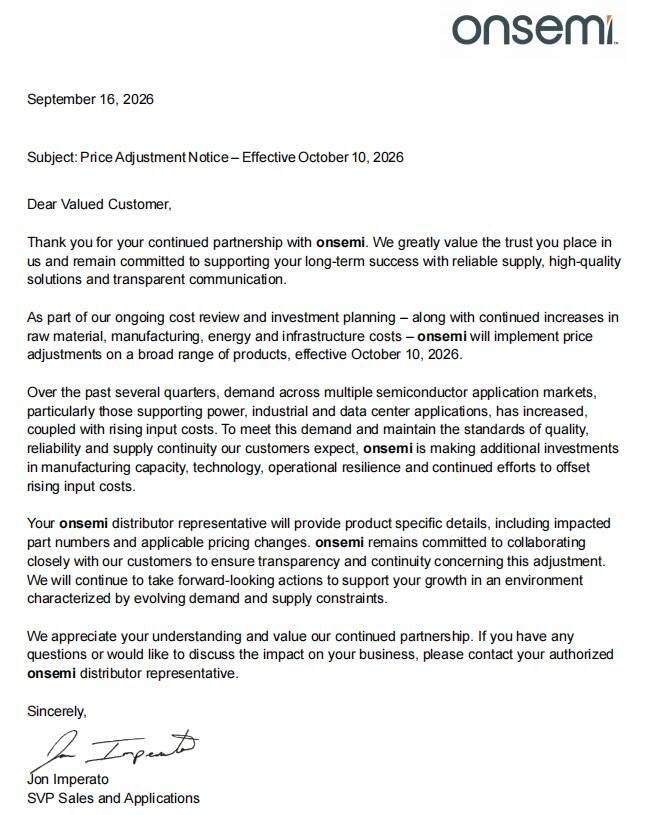
September 16, 2026 – Global — Leading semiconductor manufacturer ON Semiconductor (onsemi, NASDAQ: ON) has officially issued a formal price adjustment letter to global…
Read More
What Is NAND Flash? A Practical Guide for Engineers & Procurement Teams In today’s data-driven world—from smartphones and SSDs to industrial IoT devices—NAND flash…
Read More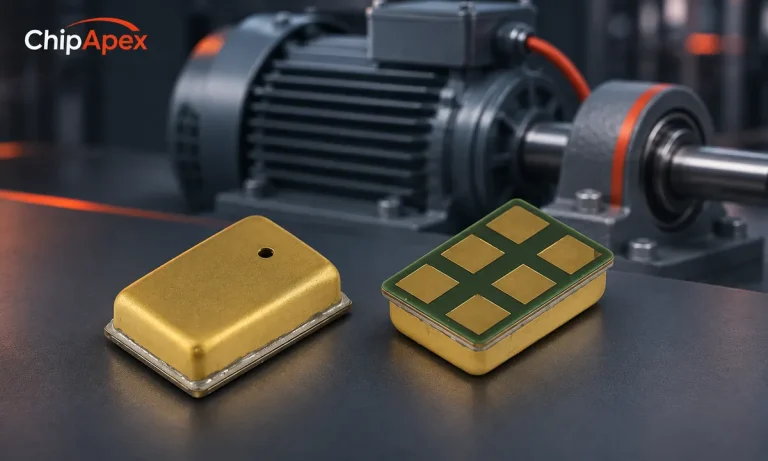
Choose a vibration sensor for machine monitoring. Compare sensing methods, bandwidth, noise and mounting, then define the signal-chain requirements.
Read More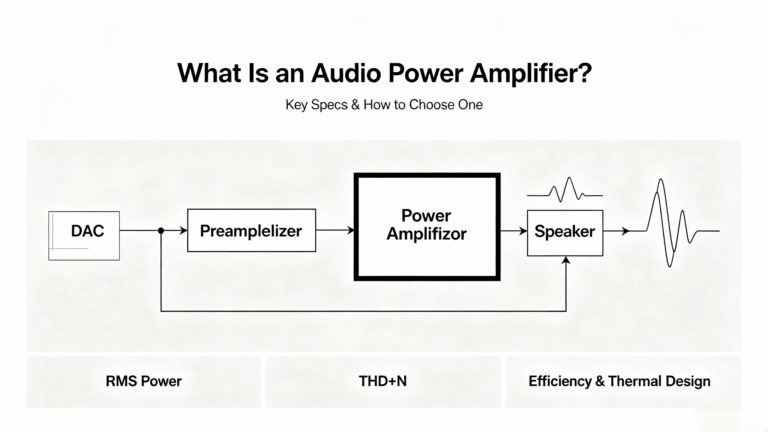
Every audio power amplifier design starts with the same fundamental challenge: converting a low-voltage line-level signal into the high-current drive required by a reactive…
Read More
See how a MEMS gyroscope measures angular rate, why its angle estimate drifts, and which range, noise, interface and temperature specs to compare.
Read More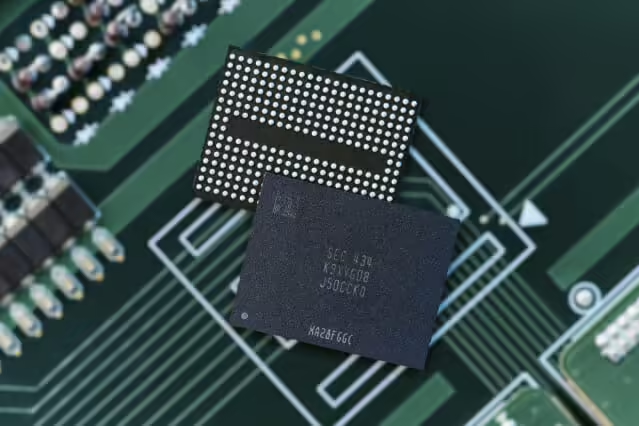
Recently, the global electronic component market has witnessed complex and changeable trends. In the memory chip sector, the wave of price increases continues to…
Read More
See when an inductor behaves linearly, how DC bias and saturation reduce inductance, and which current and temperature curves to check.
Read More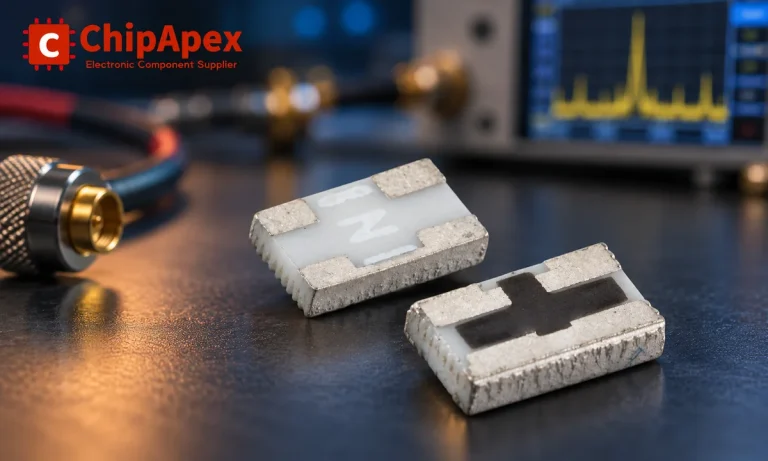
Understand RF attenuator dB values, fixed and programmable types, impedance, power limits and noise tradeoffs before choosing parts for an RF signal path.
Read More
The activity of extra discounts on wholesale prices is in full swing…
Please fill in your contact information and we will send you the latest wholesale price list.