ChipApex | Global Electronic Components Supplier

SEARCH
Search Product
Search Post
— IC芯片 | 连接器 | 传感器 | 被动器件 —
Search productSearch post
— IC芯片 | 连接器 | 传感器 | 被动器件 —
Consult the customer manager about the wholesale price.
consultation hotline:86-132-6715-2157
email:[email protected]
Contact the product manager for consultation. One-stop consultation is available.
Do you want a lower wholesale price? Please send us your inquiry and we will reply immediately.
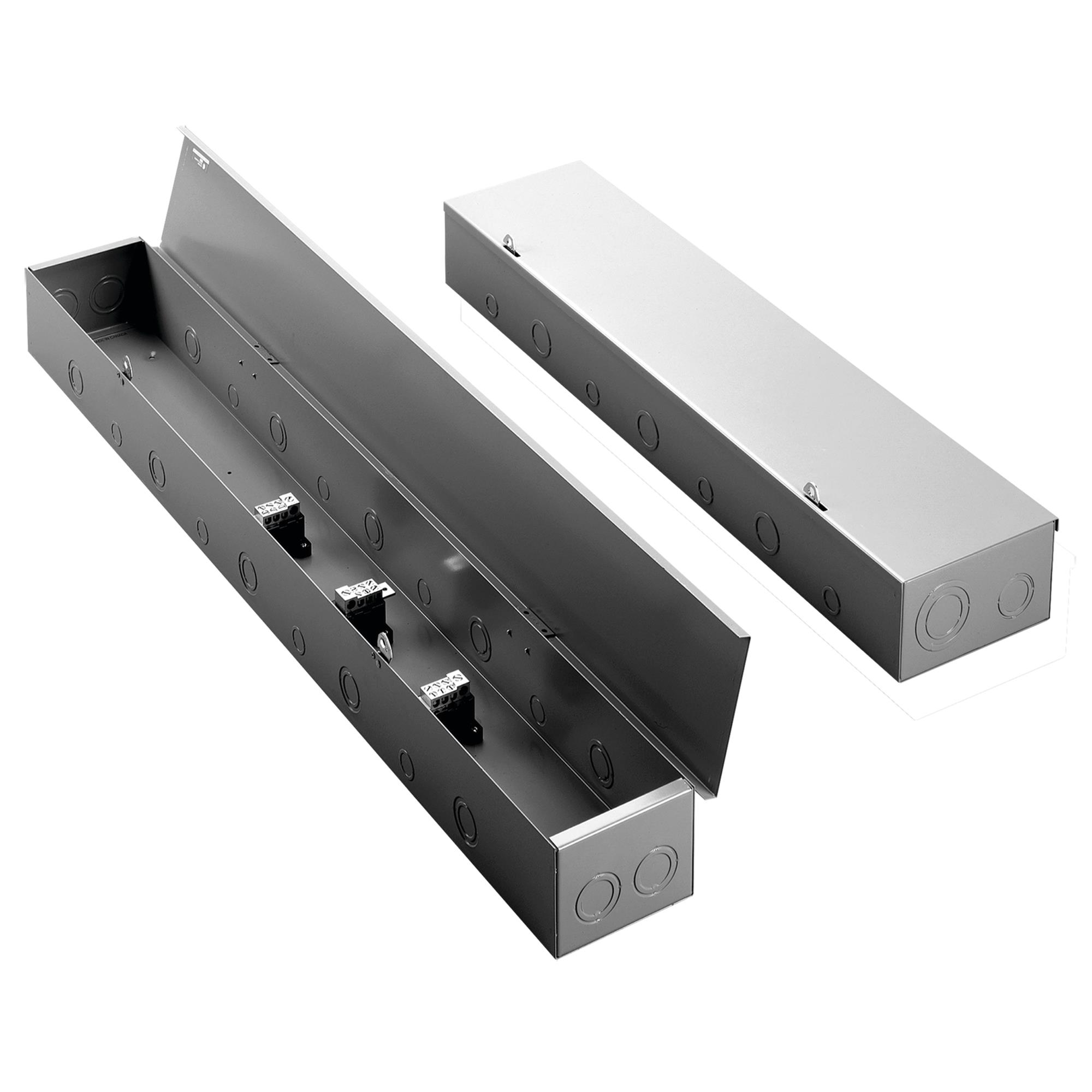
The Hoffman Enclosures Inc. AST3223R is a Type 1 Splitter Trough designed for indoor electrical power distribution. Constructed from 14/16 gauge steel with an ANSI 61 gray polyester powder paint finish, this unit measures 36 inches in length, 8.25 inches in width, and 4.5 inches in height. It supports three-wire systems with a 225-amp rating and accommodates conductors ranging from 6 AWG to 300 kcmil. The enclosure features pre-installed terminal blocks, a single-point ground lug, hinged covers, and various side knockouts for flexible wiring configurations.
Verify that the specific order includes the lid, as some listings distinguish between the trough unit and the complete assembly with lid. Confirm the NEMA Type 1 rating aligns with indoor environmental requirements. Ensure the 225-amp capacity and conductor range (6 AWG to 300 kcmil) match the project's electrical load specifications before finalizing procurement.
Select this model when a dedicated splitter trough is required for splitting feeders into branches within an indoor environment. The 36-inch length provides ample space for standard wire management. Verify compatibility with existing cabinet structures if used as part of a larger assembly. The steel construction and gray finish offer durability suitable for general industrial applications.
This component belongs to the Hoffman AST series of junction boxes and splitter troughs. These units are specifically engineered to facilitate the transition from main feeder lines to individual branch circuits. The series typically offers various lengths and wire configurations to accommodate different electrical panel layouts and load distribution needs.
Public confirmed substitute part numbers are not available in the provided documentation.
 AST3223R
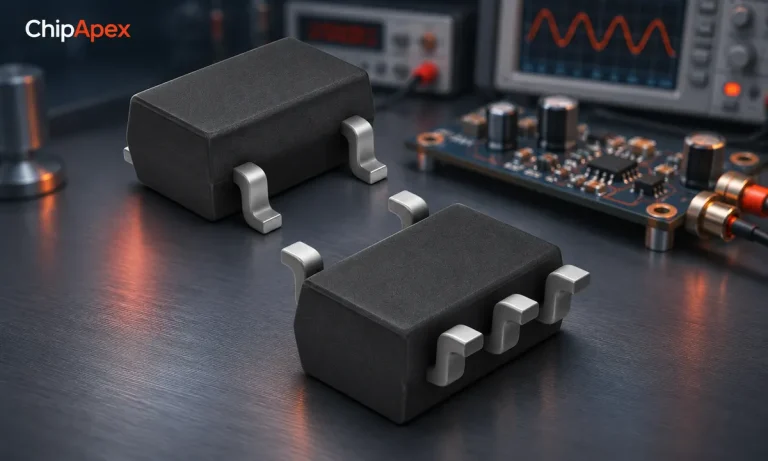
Learn how a JFET works and how to compare bias, leakage, noise and pinout. Review practical selection questions for high-impedance analog circuits.
Read More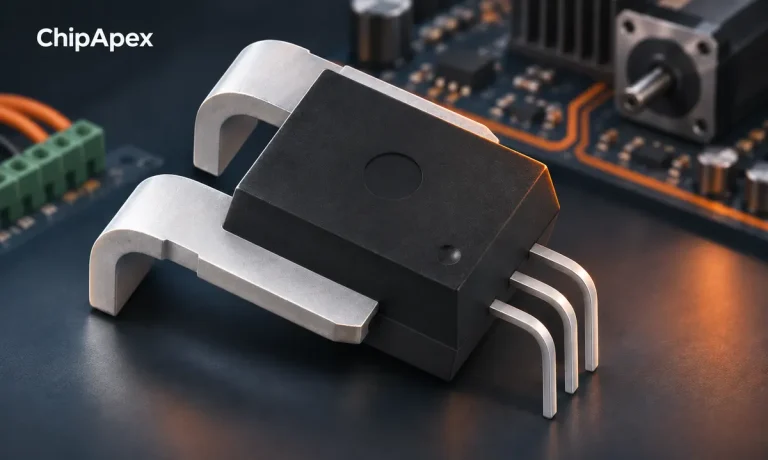
Compare Hall, shunt, current transformer and Rogowski sensing. Check AC/DC capability, accuracy, isolation, heat and response before selecting a sensor.
Read MoreA digital-to-analog converter (DAC) turns a digital number into an analog voltage or current. It lets a controller set a physical output, such as…
Read More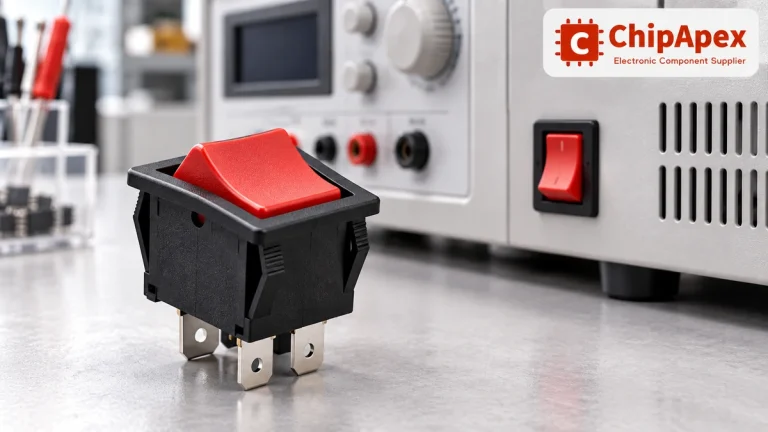
Choose a rocker switch by AC/DC ratings, contact arrangement, illumination, panel fit and sealing. Get practical checks for engineering and component sourcing.
Read More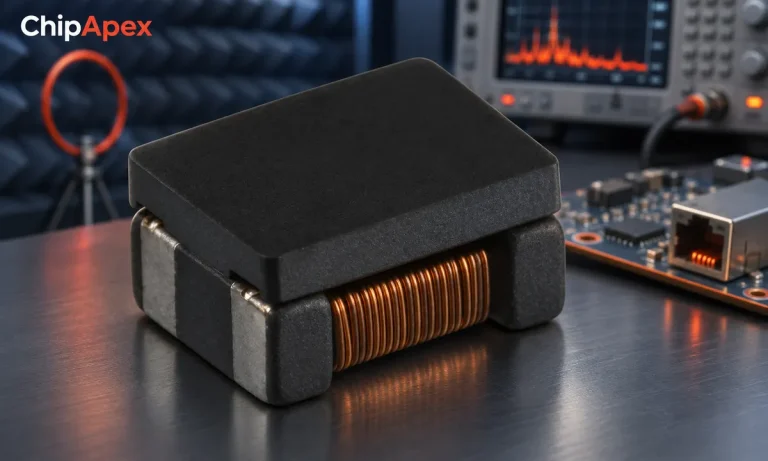
Select a common mode choke using noise frequency, current, insulation and signal integrity. Understand impedance curves, layout and filter limitations.
Read More
See when an inductor behaves linearly, how DC bias and saturation reduce inductance, and which current and temperature curves to check.
Read More
Understand how a comparator switches at a voltage threshold, why hysteresis prevents chatter, and which output and input specs matter.
Read More
Learn what data acquisition means, from sensors and conditioning to sampling and storage. Review channel timing, wiring, calibration and data quality.
Read More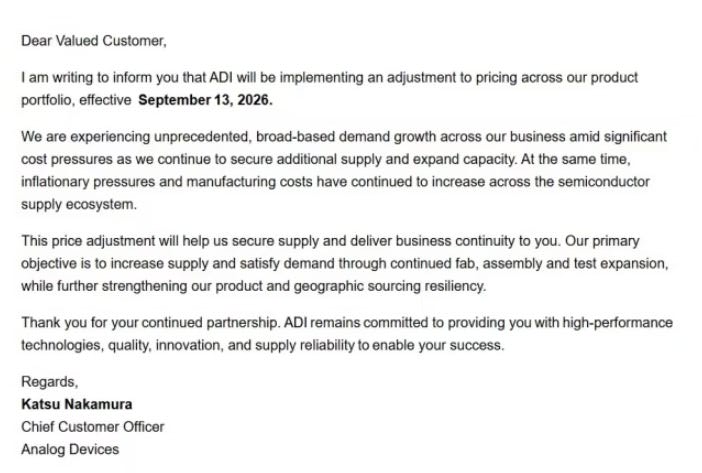
WILMINGTON, Mass. – August 11, 2026 — Analog Devices, Inc. (NASDAQ: ADI), the global leading supplier of high-performance analog, mixed-signal and digital signal processing…
Read More
In the world of embedded electronics, getting a device to “think” is only half the battle. The other half is getting it to communicate…
Read More
Compare RC, crystal and MEMS oscillator circuits. Check ppm, jitter, load capacitance, startup margin and output compatibility before choosing a clock source.
Read More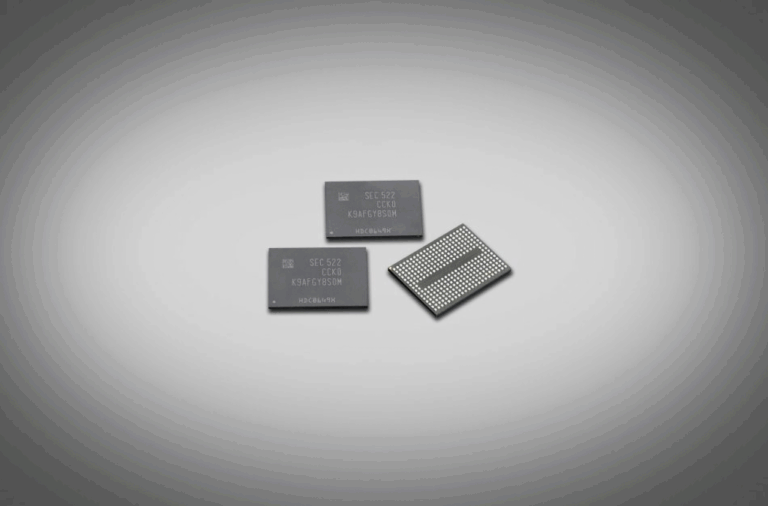
Date: May 13, 2026 The global memory industry is facing an unprecedented supply crunch in legacy MLC NAND Flash. Leading manufacturers including Samsung Electronics…
Read More
The activity of extra discounts on wholesale prices is in full swing…
Please fill in your contact information and we will send you the latest wholesale price list.